

I’ve been visiting Death Valley National Park since I was a child.
My earliest memory of Death Valley dates back to my Father’s 40th birthday when I was just 9 years old.
I remember a crisp March morning, waking at the crack of dawn to frost on our tent, the smell of fresh desert in the air, and the sight of some beautiful wildflowers surrounding our campsite.
Growing up, camping was our main source of travel. I didn’t realize it at the time but it helped raise tough, resilient children. We roughed it having to boil water from a lake or river and dig a hole in the ground for a toilet.
As an adult, I appreciate these memories and am honestly proud of how we traveled and saw the world from a different perspective, but I am more of a hotel traveler now.
Living in California, I still love visiting Death Valley, now with my husband and three kids.
In this article I want to share everything you need to know to plan a perfect visit to Death Valley. From things to do, including the best hiking in Death Valley, to where to stay and when to visit.
Visiting Death Valley National Park
1. The Best Time to Visit Death Valley

When planning a trip to Death Valley, the absolute most important thing to plan is when to visit.
It gets extremely hot in the summer. In fact, Death Valley is one of the hottest places on earth with a recorded temperature of 134 degrees Fahrenheit (56.7ºC).
But it also gets very cold in winter, has flash flooding in late summer/early fall, and dust storms in the spring.
So then when is a good time to visit this place I say is so magical?!?
Definitely the best time to visit Death Valley is late winter to early spring, preferably March. The climate is usually perfect with coolish nights and daytime temperatures in the 80s (high 20s in Celcius).
And this time of year is also usually when the wildflowers are blooming. In other words, it’s just perfect.
2. Things to Know Before Visiting Death Valley

An important thing to know when you go to Death Valley is that there is essentially no cell service. So if you plan to do some of the more dangerous or adventurous activities, you may want to look into a satellite phone.
And bring a few spare tires, a full tank of gas (because like all national parks, you drive a lot and there are very few services), and lots of water and food.
People get stuck out here all the time because they are not prepared. Going in groups with multiple cars is another good idea. It’s so much fun to make a trip like this a group trip.
For information about entrance fees, discounts and where to pay, click here.
3. Where to Stay in Death Valley
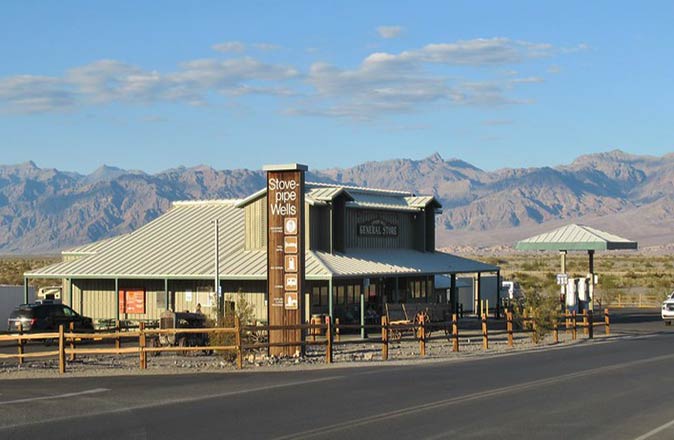
There are not many choices for places to stay in Death Valley, unless you plan to camp.
The main hotels are Stovepipe Wells Village, and the two options at The Oasis: The Ranch at Death Valley and The Inn at Death Valley.
Stovepipe Wells is the more budget-friendly option and is where we stayed on our most recent trip. We absolutely loved our stay, for many reasons. The rooms are spacious and we had an amazing view of the sand dunes. There are so many amenities: a restaurant and bar, a pool, a store, and a gas station, just to name a few.
Plan to book your stay 6-12 months in advance as these places fill up fast!
Camping in Death Valley
As far as campsites, there are many to choose from but here are a few popular choices.
Furnace Creek Campground is a favorite thanks to its large camp spots, some shady trees and because they take reservations.
Texas Springs Campground is another favorite because of some shady spots but they don’t take reservations.
Now if you’re looking for something more secluded or for better stargazing then Mesquite Spring is a great place.
And if you’re looking for amazing views of the Death Valley Basin then the Mahogany Flat Campground is the spot for you.
4. Things to Do in Death Valley
I would recommend at least 3 or 4 full days to explore Death Valley, but the more the better!
I’ll share what I think are the best things to do in Death Valley. I’ve divided them into four days, but of course you can take more time, or just pick a few of the things listed if you have less time.
Day 1
1. Ubehebe Crater
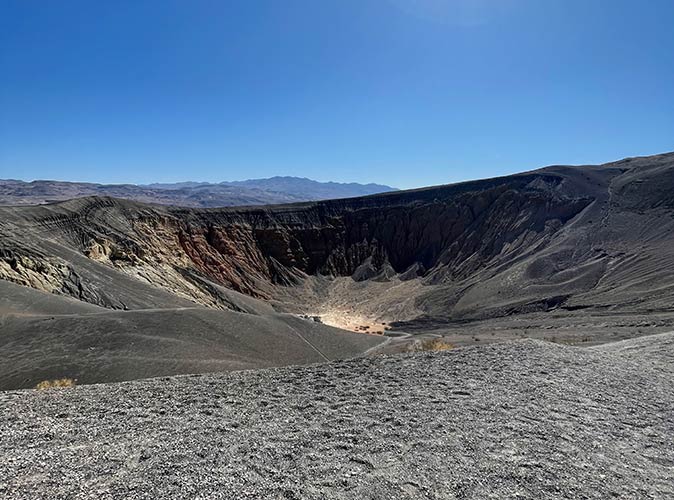
This incredible crater in the middle of the desert was created by a powerful volcanic steam explosion and is 600 feet deep and 1/2 a mile across.
Hiking down into the crater is incredible, but make sure you bring some good hiking boots.
The cinder can be a little scary to walk on because it is slippery. It takes at least 45 minutes to hike in and out of the crater.
If you’re not interested in hiking into the crater, it’s still worth it to hike around the crater for some amazing views. It’s about 1.5 miles to hike around the rim.
2. Zabriskie Point
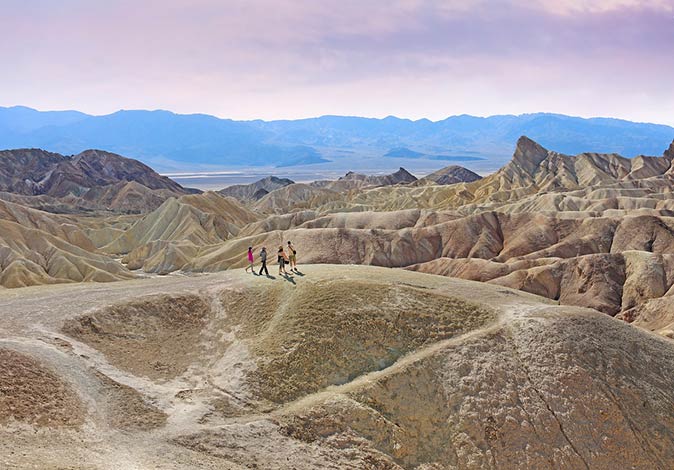
Created by the powerful force of water, this is a great place to hike and explore.
The views from the parking lot are spectacular and some of the most photographed in Death Valley.
If you’re interested in more of a hike you can go along the Badlands Loop Trail.
Day 2
3. Salt Creek
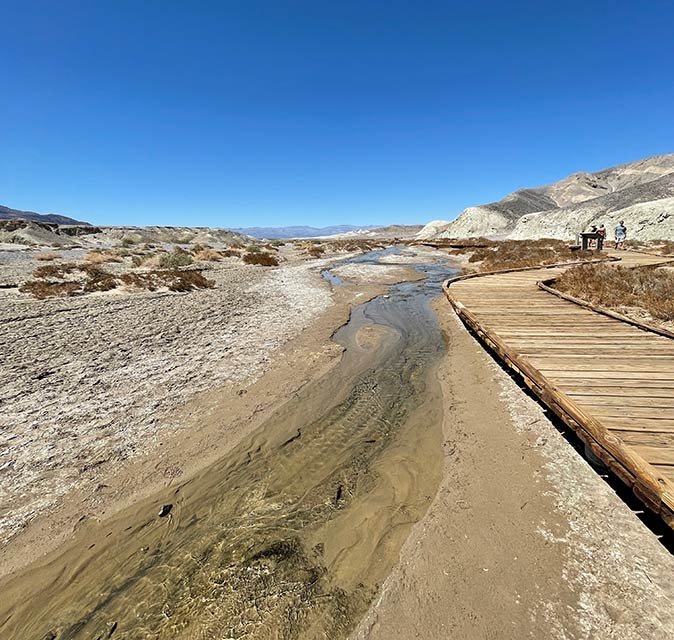
Have you ever seen a disappearing creek? This one is pretty amazing, in my opinion.
Obviously, this is a seasonal creek and can be hit or miss in March, but it’s worth checking out. We got lucky on our most recent trip and from the parking area we were able to find the end of the creek. We also found lots of pupfish.
If you keep walking along the creek as it grows, you will find a boardwalk and can walk the 0.5 mile loop interpretive trail.
The flowing creek and Pickleweed plants are beautiful and the pupfish are so much fun to watch.
4. Badwater Basin
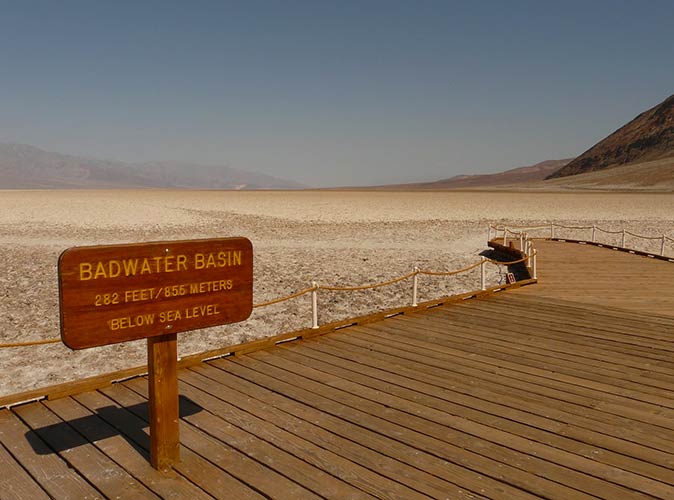
This is a must-visit in Death Valley so you can say you’ve been to the lowest point in North America at 282 feet below sea level.
The salt flats make for some amazing pictures.
When it’s sunny it is incredibly bright here so definitely bring some sunglasses so you can explore.
5. Artists Palette

You’ll see this rainbow landscape on the Artists Drive Scenic Loop.
It’s a fun drive on a small windy road with lots of ups and downs and some views that are unlike landscapes you’ve seen before. These hills were carved by the power of water.
There are no maintained trails here, but lots of places to pull off the road to take in the beauty and take some pictures.
Day 3
6. Rhyolite Ghost Town

So this isn’t truly Death Valley, but it’s at the eastern border of Death Valley National Park, in Nevada. And it’s such an interesting and mysterious place.
The town began in 1905 and was a mining camp, but seemed to decline almost as fast as it was created and by 1920 the population was essentially nonexistent.
7. Sand Dunes
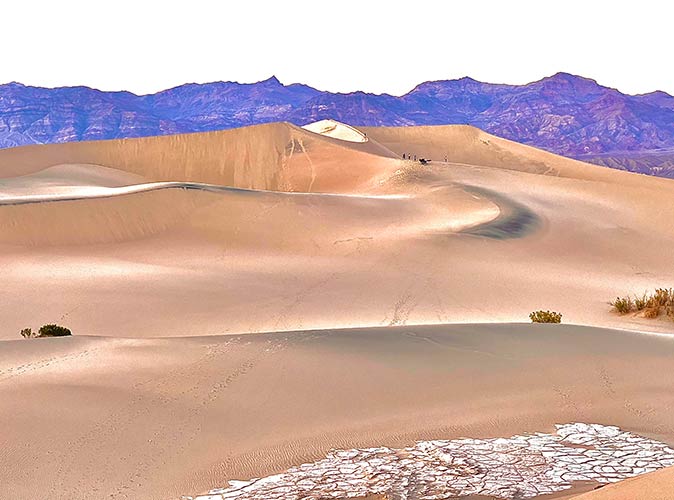
I would recommend both a sunrise and sunset trip to the dunes. Both times of day are spectacular, each in their own way.
This is not only a great place to take some beautiful pictures, but it’s so much fun and such great exercise to hike the dunes.
My kids definitely enjoyed sliding and rolling down the dunes!
Click here for a list of sand dunes in Death Valley.
Day 4

If you have a 4th day to explore Death Valley and are super adventurous, I would suggest The Racetrack. It’s a dry lakebed known for strange moving rocks blown by winds on the slippery surfaces.
Or for a slightly more tame adventure: a horseback ride at Furnace Creek Stables.
Visiting Death Valley National Park – Conclusions
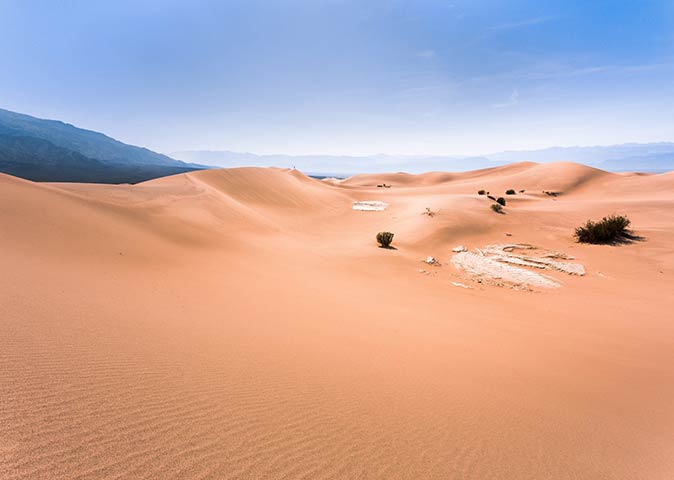
Death Valley National Park, located in California and Nevada, is a land of extremes and a unique place to visit.
It is the hottest, driest, and lowest national park in the US.
Despite the name, the park is home to many species of plants and animals that have adapted to the harsh desert environment.
Whether you’re just driving through Death Valley or are planning a multi-day visit, I hope my article has helped you plan the perfect trip.
Don’t underestimate the size of the park though. It’s larger than the states of Delaware and Rhode Island combined!
Also Read:
- What to Bring on a Hike – the Essentials
- Visiting Redwood National Park, California
- Things to Do in Vegas Besides Gambling
- Things to Do in Big Bear, California
- What to Do in Los Angeles on a Short Visit
- Unique Hotels in Southern California You Should Check Out
- The Best US Weekend Trips
Like this article about visiting Death Valley? Pin it!

This article about going to Death Valley contains affiliate links. I may receive a commission for purchases made through these links, at no additional cost to you. As an Amazon Associate I earn from qualifying purchases.