
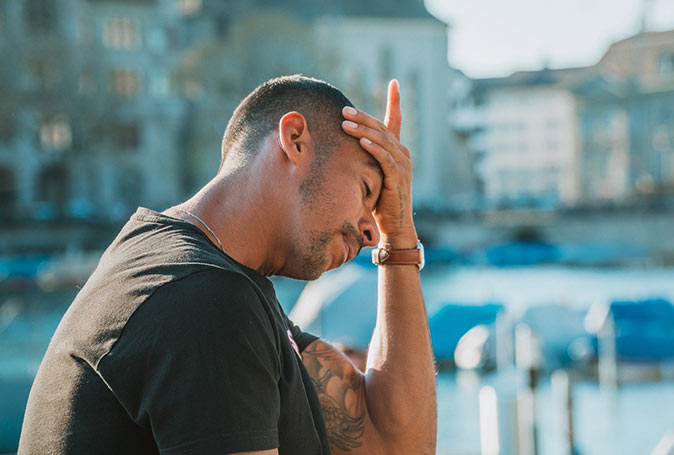
What is reverse culture shock and how do you deal with it?
Reverse culture shock has different stages and for some, unfortunately, it can lead to serious depression.
Returning to your home country with its familiar culture after having called some faraway land home. It should be easy right?
Being back home, surrounded by loving friends and family, finally eating the food again you missed so much…
Well, it’s often not easy at all.
I’ve moved back several times and often felt lost. Unable to understand why people live the way they live and worry so much about trivial things (the “first world problems”).
I felt like an outsider in a country where everyone expects me to fit in.
What Is Reverse Culture Shock – How Does It Feel
Reverse culture shock is the disorientation and emotional discomfort you may feel when returning home to your own culture after being immersed in another.
It’s simple really: you are not the same anymore but you hadn’t realized just how much you changed. You’ve grown, your worldview has expanded, and you’ve adopted new habits and perspectives.
It’s not that everything around you is different, it is just that you have changed dramatically while you are returning to a place where people expect you to be the same.
Every day you are faced with confusion and pressure and there is always that feeling of not being accepted for being the new you.
People expect you to be who you once were and you aren’t.
It is a strange thing to come home. Yet while on the journey you cannot at all realize how strange it will be. – Selma Lagerlöf
Nobody Seems Interested in Your Stories
One of the hardest aspects of reverse culture shock is feeling like your experiences abroad don’t matter to those around you. You’re bursting to share your adventures, but after a few polite questions, people’s eyes glaze over.
It’s not that they don’t care; they simply can’t relate.
This can be isolating. You might even stop talking about your time abroad to avoid feeling dismissed. Yet, these experiences are a significant part of who you are now, and keeping them to yourself can deepen feelings of disconnection.
Struggling With Your Own Culture
Traveling, and especially living abroad, changes you. You’ve seen other ways of living and might now find aspects of your own culture confusing, inefficient, or even frustrating.
You might no longer be used to some of the “first world problems” that dominate conversations, and you may feel like an outsider in a place that’s supposed to be home.
Well-meaning friends and family might misinterpret your observations as criticism, which can create tension. You’re not “anti” your culture—you’ve simply broadened your perspective and can’t help but notice the contrasts.
You’ve spent the last however many years socializing with other like-minded travelers or expats and new local friends.
You’ve learned new habits and new ways of looking at life and at what is considered ”normal”.
And no matter how different your friends abroad might have been from you, you all seemed to agree about the pros and cons of the country you were in and you just simply understood what life was like.
Now, suddenly you have to explain everything. You have to defend your viewpoints.
Feeling Overwhelmed
Returning home often comes with expectations.
Endless catch-up dinners, family obligations, and the pressure to reintegrate can be overwhelming. You may feel pulled in all directions, longing for a moment of solitude to process your emotions.
And that is reverse culture shock.
The Reverse Culture Shock Stages
Reverse culture shock usually unfolds in four stages:
Stage 1: Disengagement
The first stage of reverse culture shock is the “goodbye phase”.
It takes place even before you leave to go back home. Disengagement is important because it provides closure and prepares you to step into a new cultural context.
Even before leaving you may already miss friends or the culture, or be reluctant to say goodbye. As you pack your suitcase and prepare to leave you may feel sad, frustrated, or anxious to move back home.
Stage 2: Initial Euphoria
This is the utter excitement you feel upon returning home. You get to celebrate with your family and friends again.
“Oh look my favorite restaurant is still there”, and “wow it’s so nice to speak my own language again”.
For the first few weeks being home is a time of reconnecting bliss. Everything is exciting and wonderful.
But, this stage eventually ends. And for some people quite quickly.
Stage 3: Irritability
Mood swings, unrest, frustration, anger, depression, alienation. Somehow you just can’t get back into “normal life”.
“Back in … people were so much friendlier.”
“Why do I have to do that this way?”
“Oh come on, this doesn’t make sense…”
“I wish I could be back in …, life was so much simpler there.”
This stage is all about frustration.
It’s a hard stage of the reverse culture shock and for some people, it can last for a very long time.
Stage 4: Readjustment and Adaptation
But, it all gets better eventually.
Coming home after being away for so long is a massive readjustment. Bigger than you will ever realize until you go through it.
You will gradually find that it is possible to incorporate the new attitudes, worldviews, habits, and goals you developed abroad into life in your home culture.
It’s time to adapt and put into good use all you learned along your travel journey.
How to Deal With Reverse Culture Shock

Dealing with reverse culture shock isn’t easy, but there are ways to make the transition smoother:
Acknowledge Your Feelings
It’s okay to feel out of place or sad about leaving your host country. These emotions are valid and part of the process.
Accept That You Are Not The Same
You see things with different eyes and people may not recognize this.
Remain true to who you are. And if it means that some friendships change as a result, then so be it. Things change, it is the nature of life.
Communicate Openly
Share your feelings with close friends or family. Let them know why your experiences abroad matter to you and how they’ve shaped who you are.
Understand however that most of the time those you are conversing with have little understanding or connection with what you have done. They may be shutting off because they don’t know what to say or how to relate to your experiences abroad.
Don’t make all of your conversations about your life abroad, but don’t completely shut it off either. It is who you are and it’s important to you.
Connect With Like-Minded People
Join a network of people interested in travel and life abroad such as Couchsurfing or find an expat group on Facebook.
These people understand your experiences and most of the time will delight in roaming down memory lane with you.
I still enjoy hanging out with my closest friends but I also love having made some new friends who understand my experiences abroad.
Embrace the Positive
Focus on the aspects of your home country that you love. Explore your hometown with fresh eyes, and find new hobbies or activities that excite you.
Spend time with old friends laughing and reminiscing about special times with them. You will feel wonderful and it will remind you what’s so great about those you chose to leave behind for long periods of time. And it will help them realize that just because you left, and lived life without them, does not mean you don’t love and cherish them.
Give It Time
Reverse culture shock isn’t permanent. Be patient with yourself as you navigate this transition.
It’s Not Better or Worse, Just Different
It is okay to appreciate other ways of life more, just don’t try to fight the old ways.
Stop wishing it was here like it is in the country you were in before. There is no use wishing things were different if these are things you simply can’t change.
Look for the things you love about your country and focus on that.
There is plenty of newness in your home country. You just have to look at it with new eyes.
Start traveling in your own area. Discover new things in the country you thought you knew so well. Start new hobbies, focus on building an interesting life for yourself instead of reminiscing how great your life abroad once was.
Don’t forget the life you had abroad, but don’t hold on too tightly to it either; that is holding onto the past, which is never a good thing because life doesn’t exist there.
You have to find your place once again. You may discover your place is somewhere else and that is fine. You might discover you are happy to be home and that is fine too.
And most importantly:
Appreciate the unique experiences you have had. Because having lived abroad and traveled the world has changed you, for the better!
Final Thoughts About Reverse Culture Shock
Reverse culture shock is a complex but natural part of returning home after time abroad.
A study showed that 25% to 50% of individuals returning from spending an extended period abroad report experiencing significant reverse culture shock.
The adjustment period can be challenging, but it’s also an opportunity for growth. By embracing the changes in yourself and your surroundings, you can create a fulfilling life that honors both your past adventures and your present reality.
Dealing with reverse culture shock isn’t easy and it can take time. But, to me at least, the incredible experiences abroad make it worth it!
If you’ve experienced reverse culture shock, what helped you cope? Let me know in the comments—I’d love to hear your story.
Also Read:
- Why Moving Abroad is Such a Valuable Experience
- What it Really Feels Like to Move Country All the Time
- Things Nobody Tells You About Living Abroad Long-Term & The Emotional Challenges
Like this article about reverse culture shock? Pin it!
