

Are you thinking about moving to Mauritius? Whether you are planning a short-term stay or a permanent relocation, this island in the Indian Ocean offers a unique blend of cultures and stunning landscapes.
From exploring its beaches and leafy forests to experiencing the vibrant cultural scene. There are countless reasons why moving to Mauritius is appealing.
In this article I want to share with you the key information you need to guide your move to Mauritius.
My name is Philip Tsalikis, I’m a British lawyer and have been living and working in Mauritius for over 10 years.
I’m one of the directors of TBI Mauritius, which is a relocation and consultancy firm that assists with everything related to moving to Mauritius – expert advice, permits assistance, company formation, property investment, settling in assistance, and other related services.
Tip: If you decide to contact TBI Mauritius, please mention that you found us through the Spend Life Traveling website to receive a 5% discount on our fees.
Both from my own experience moving to Mauritius and from all the clients I’ve worked with since, these are the things I believe are useful to know if you’re considering moving to this beautiful island:
Moving to Mauritius – Things You Should Know
1. Why Move to Mauritius?
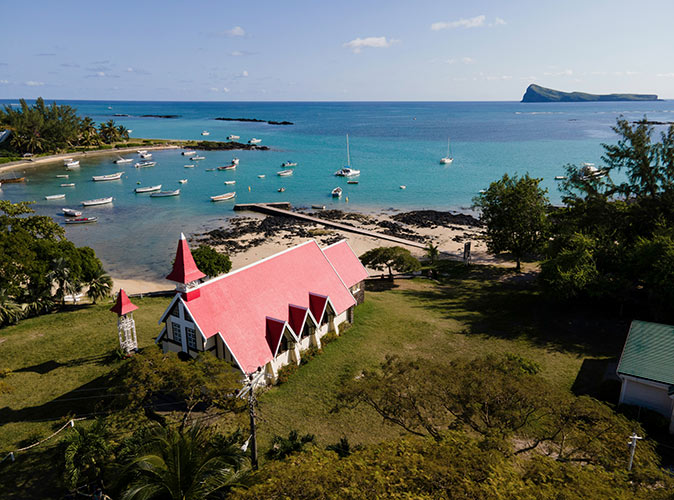
I have seen first-hand that more and more expats are choosing Mauritius for its quality of life and favorable business environment.
With a stable legal system and a low 15% corporate tax rate, it’s one of the best places in Africa to do business.
People also enjoy the rich cultural diversity here, relatively affordable living, quality healthcare, safety, and excellent international schools for the kids.
The island offers numerous opportunities, whether you are looking to start a business, invest in real estate, or retire in a warm climate.
Mauritius is said to be ‘Africa’s happiest destination’, which makes it an even more attractive destination as it combines business potential with a fulfilling and laid-back lifestyle.
2. Permits for Moving to Mauritius

You can move to Mauritius as a retiree, working professional, investor, self-employed individual, or dependent. By applying for the appropriate permit, you can live in Mauritius for up to 10 years, with the option to renew.
Occupation Permit: For investors, professionals, and self-employed individuals. This permit allows you to live and work in Mauritius for up to ten years, with renewal options.
Residence Permit: For retirees over 50, requiring a monthly income of at least USD 1,500 or a minimum amount of USD 18,000 in your bank. One advantage of the retirement permit is that there’s no minimum time requirement to live here to keep it valid. This flexibility has made it quite popular. We have many clients living around the world on the retirement permit, some just as backup and some slowly moving across in the coming months and years.
You are also eligible for a residence permit if you buy a property worth at least USD 375,000 in an approved scheme. The permit will be valid as long as you own the property. Dependents of permit holders are also eligible.
Permanent Residence Permit: Allows you to live and work in Mauritius for 20 years. It requires an investment of at least USD 375,000 in a business. You can also qualify and apply after being here for three years on a Residence or Occupation Permit.
3. The Language and Culture
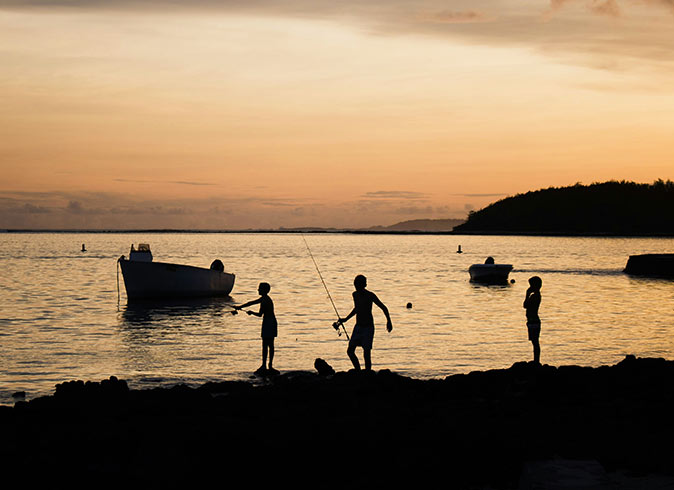
Many Mauritians are bilingual or trilingual. You’ll hear them speaking either in Mauritian Creole, French, or English.
English is the official administrative language, while Creole is commonly spoken in daily interactions. French is widely used in workplaces, but English dominates global and expat environments.
Mauritius is a welcoming nation with a melting pot of cultures, ethnicities, and religions, celebrating holidays like Christmas, Chinese New Year, Diwali, Eid-Ul-Fitr, and Maha Shivratree.
Explore tea and sugar plantations for an insightful day out and enjoy traditional arts at the Caudan Arts Centre in Port Louis.
Talented artists and musicians can be found everywhere, from hotel galleries to local venues. The island’s harmony and respect are evident in everyday life.
4. The Weather and Climate

Mauritius has a tropical climate throughout the year making outdoor life possible all year long.
Cyclone season runs from January to March, which brings hot and wet conditions.
In April and May the weather becomes milder, with fewer crowds on the island, and a lower risk of cyclones, making it an ideal time for a quieter visit.
June to September offers a pleasant winter escape with warm days and cooler evenings, perfect for exploring the island.
As October and November arrive, you will notice a comfortable transition with rising temperatures and minimal rainfall.
December brings festive celebrations and increasing heat.
5. The Food

When moving to Mauritius, you will discover a rich culinary landscape blending Creole, Indian, Chinese, and French flavors.
With a population largely of Indian descent, the island has numerous Indian delicacies to offer such as roti served with different curries, dhollpuri (yellow split peas flatbread), biryani, dosas, chanapuri, and samosas. If you are fortunate enough to attend a Hindu wedding, you might be able to try the famous ‘7 curry’, traditionally eaten by hand.
Chinese cuisine is also prominent on the island. You can find delicious dim sum, bouillon wantan (Chinese soup with chicken dumplings), and the famous fried/boiled rice or noodles.
Creole cuisine offers simple, tasty dishes like rice, lentils, rougaille (a tomato-based dish), and many local fish dishes. Snack stands across Mauritius serve classics such as gato pima (chili cakes), gato arouille (taro cakes) or dipain frire (fried bread).
Believe me, you’ll love the food!
As for Western food, you have plenty of options here too. In the capital, Port Louis, and other major towns, there’s a range of international restaurants, including popular Western chains like McDonald’s, KFC, and Pizza Hut.
If you love good coffee and pastries, there are many great coffee shops on the island. Some of my favorites are Mugg & Bean, Vida E Café, and Café Lux.
Mauritius has several international supermarkets such as Super U, Jumbo, and Intermart. Jumbo, with six locations, offers a wide range of Carrefour products. Winner’s, with 25 supermarkets around the island, sells Leader Price products and even delivers all over the island.
For fresh and organic produce, there are stores that deliver freshly harvested vegetables right to your doorstep. You will also find several shops with ayurvedic and natural products, dairy alternatives, and supplements.
6. Safety
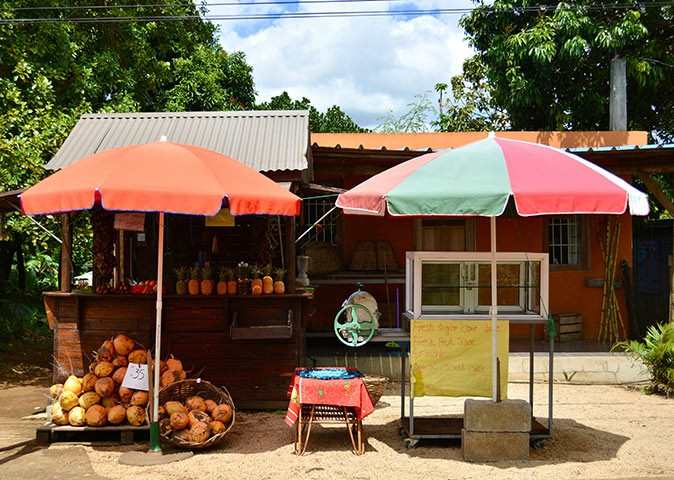
Mauritius is a very safe place to live.
The majority of the population is religious and tends not to venture out late at night. Crime is limited and unsophisticated compared to other places.
A few small suburbs of Port Louis are considered dangerous, but these areas are not places where expats typically live or visit.
I have found that the main concern for expats is burglary, but most burglars will flee if disturbed. Many stand-alone villas have window bars or shutters, and most expats mitigate any limited risk by living in large residential estates.
7. Moving to Mauritius With Children
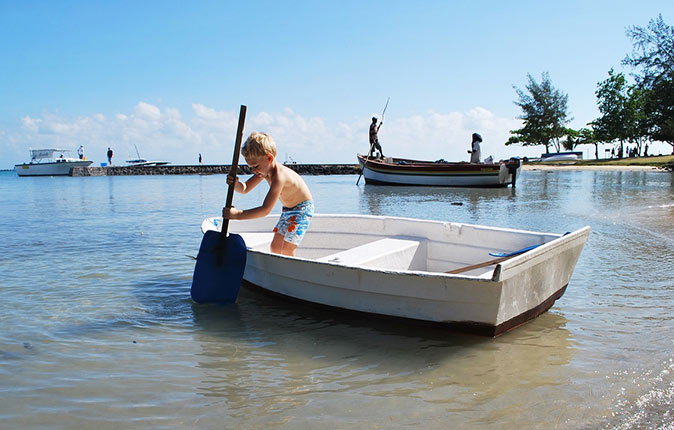
Mauritius is a good place for families, offering year-round warmth, affordable private schools, and a safe environment.
As a parent myself, I find the way of living here wonderfully conducive to raising happy and healthy children.
For kids, there are countless activities: soft-play areas, animal parks like Casela and La Vanille Nature Park, dance and art classes, sports clubs, and exciting sea adventures like catamaran trips and swimming with dolphins.
Additionally, major medical facilities are equipped with specialist practitioners, including pediatricians, physiotherapists, osteopaths, dentists, opticians, psychologists, and other therapists dedicated to children’s well-being.
8. Education in Mauritius
There are many high-quality international schools in Mauritius. Expats tend to use those and rarely send their kids to the free local schools.
Schools in Mauritius are arguably not at the same high level as the top-level institutions in Europe, the US, and other major expat hubs such as Singapore or Dubai. However, as a parent with children attending one of the private schools here, I believe the balanced and wholesome education provided is something parents will appreciate.
The choice of where to live in Mauritius will be influenced by job locations, family lifestyle preferences, and school proximity, with school buses available for older children.
There are several international English-speaking schools including IPS, Greencoast, Northfields, Clavis School, and Le Bocage.
French-speaking schools include Ecole Paul et Virginie, Ecole du Centre / Collège Pierre Poire, Lycée des Mascareignes, Lycée Labourdonnais, and Ecole du Nord.
The main educational institutions for tertiary education are the University of Mauritius, University of Technology, Curtin University, African Leadership University, UNICITI and Middlesex.
For kids, adjusting to a new school system can take some time. If your child needs additional support with reading or comprehension, online reading tutors can be a convenient option.
9. Cost of Living in Mauritius

The cost of living here is reasonable compared to many Western countries, although it may be higher than in other African nations and some Southeast Asian destinations.
Basic food products are affordable, but imported luxury items can be expensive.
Car prices are notably higher due to import duties, with luxury cars costing about double their European prices, though hybrid and electric cars are now duty-free.
Living expenses, including rent, groceries, and dining out, are significantly lower than in countries like Germany, the UK and the USA.
A family of four will need to earn around USD 50,000 to 70,000 per year to maintain a comfortable lifestyle, which includes good quality food, education, and healthcare.
For a more detailed overview of what different things cost in Mauritius, Numbeo.com is a good resource.
10. Where to Live in Mauritius

Expats moving to Mauritius generally choose to live in the North or the West, each offering distinct advantages.
The North, including areas like Grand Baie, Trou-aux-Biches, and Roches Noires, is lively with beautiful beaches, a variety of restaurants, the island’s best nightlife, and numerous activities. It’s well-connected to the rest of the island, although it can get busy during Christmas.
The West, spanning from Flic-en-Flac to Tamarin and Black River, features stunning scenery with mountains near the coast, a relaxed outdoor vibe, and proximity to nature attractions like Le Morne and dolphins’ spots. However, it has fewer schools, restaurants, and activities compared to the North, and the summer heat can be intense.
Commuting from the West to other parts of the island, especially Ebene and Port Louis, can be challenging due to traffic jams.
To get a better idea of what type of properties are available on the island, Propertycloud.mu is the most popular website, both for buying and renting properties in Mauritius.
My recommendation though is to visit Mauritius first and explore the different areas to decide what suits your needs best.
Final Thoughts – Is Mauritius a Good Place to Live?
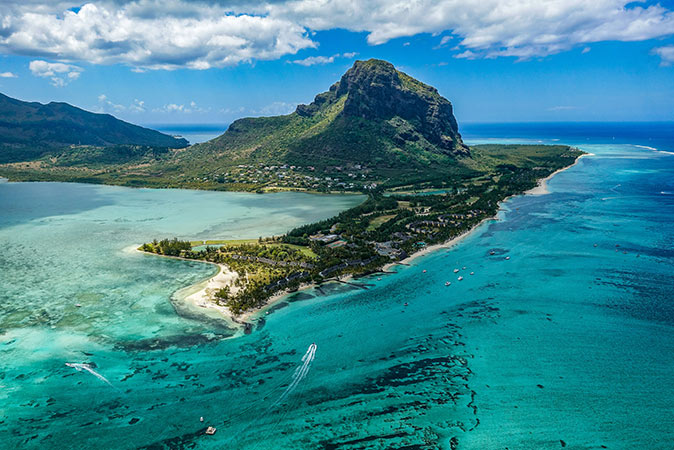
Mauritius blends natural beauty with cultural diversity and a relaxed lifestyle.
I fell in love with Mauritius a long time ago and think it’s a great place to live. But of course, no place is perfect.
Navigating the system with permits, housing, and more can be challenging. I generally recommend people to come and test the waters first. Plan an extended visit if you can. Talk to the locals and other expats to really get a feel for what life here is like.
And of course, feel free to reach out to me with any questions you may have.
Also Read:
You forgot to mention health care….quality, access, etc.
Hi Robert,
There’s a more detailed article about healthcare in Mauritius on TBI’s website: https://tbimauritius.com/mauritius-healthcare/
I highly recommend working with Philip and his team if you need any help moving to Mauritius (and you can mention Spend Life Traveling for a discount)
Hi Philip,
Great overview of the essentials for anyone considering a move to Mauritius! I’ve always been curious about the diverse cultural life you mentioned. Could you elaborate a bit more on how to engage with the local community when you’re new? It sounds like a fantastic blend of experiences!
By the way, I stumbled upon this site, https://world-prices.com/en/mauritius/prices, and while I’m not sure how up-to-date it is, it might be a helpful starting point for folks planning their move.
Thanks again for such an informative piece!