

Choosing where to stay each night is a big part of shaping your Camino experience.
Here’s a guide to the different types of accommodation along the Camino de Santiago—and how they can impact your journey.
Types of Accommodation on the Camino
One of the great things about the Camino de Santiago is the range of accommodation options. Whether you’re on a tight budget, prefer a bit of comfort, or want a more social or private experience, there’s something for everyone.
Note: I walked the Camino Francés, which is the most popular route. If you choose a different route your options might be a bit more limited, but the types of accommodation are generally the same.
1. Municipal Albergues (Public Pilgrim Hostels)
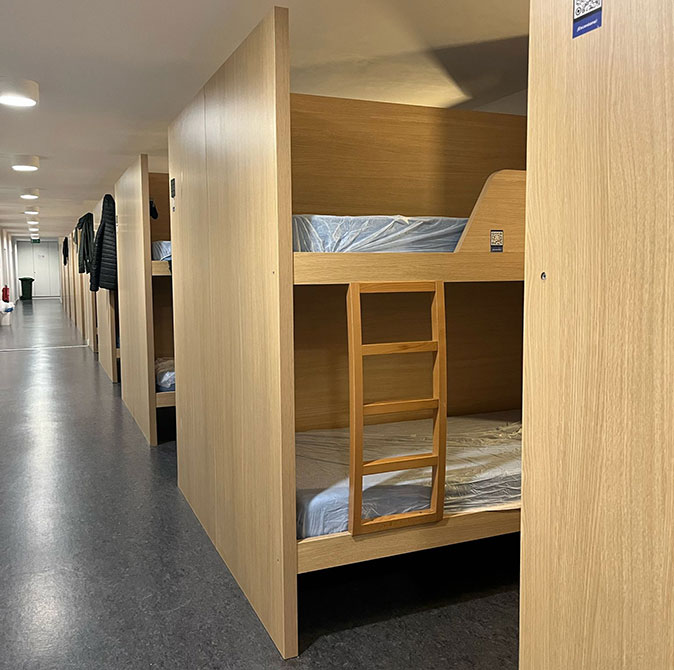
These are the most budget-friendly places to stay on the Camino, run by local councils or churches.
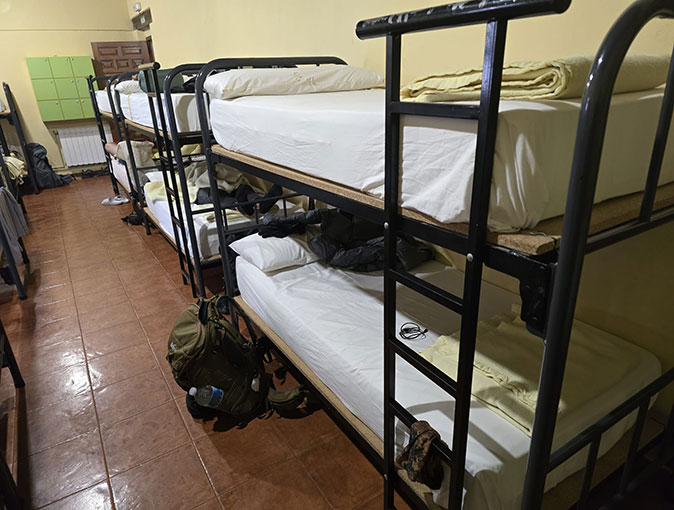
You’ll usually find dorm-style sleeping with basic shared facilities. They’re intended only for pilgrims and often require a pilgrim passport (credencial in Spanish) to stay.
- Price: Typically €8–€15 per night, sometimes donation-based (“donativo”).
- Facilities: Shared dorms, communal kitchen, shared bathrooms, washing machines (at an extra fee).
- Atmosphere: Very social but basic. You’ll find people of all ages here, not just young backpackers.
Public albergues can’t always be booked in advance, which means you’ll need to arrive early to secure a bed—something to consider if you’re not a morning person.
I personally avoided the ones you couldn’t book in advance. After a long day of walking, the last thing I wanted was to risk being turned away.
And yes, most days, even early or late in the season, the albergues do fill up, so if you arrive late afternoon, there won’t be any beds available anymore.
Make sure to bring your own sleeping bag and (lightweight) towel if you plan to stay in Albergues.
2. Private Albergues
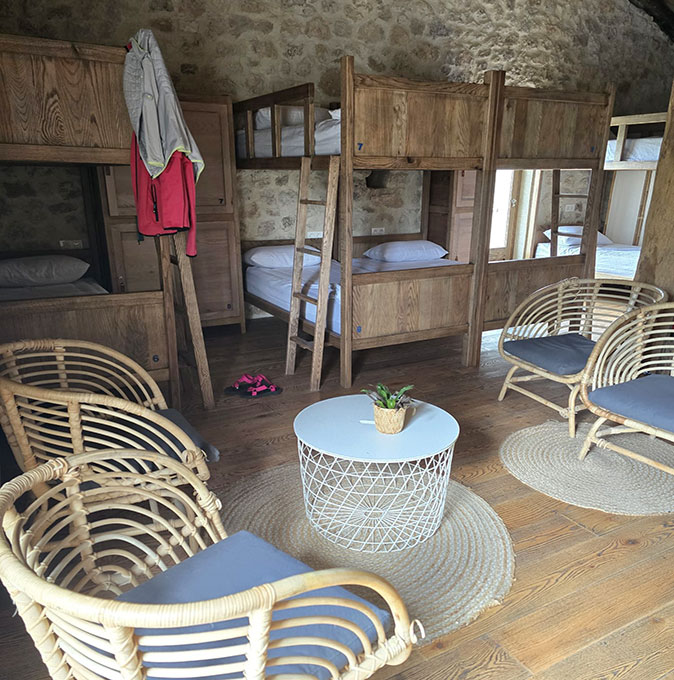
These are run by individuals or businesses, and while still affordable, they often offer a step up in comfort and flexibility.
- Price: Around €12–€20 for a dorm bed
- Facilities: Similar to public albergues but often cleaner or more modern and with smaller dorm rooms. Some offer private rooms as well. And some do laundry for you instead of offering access to washing machines.
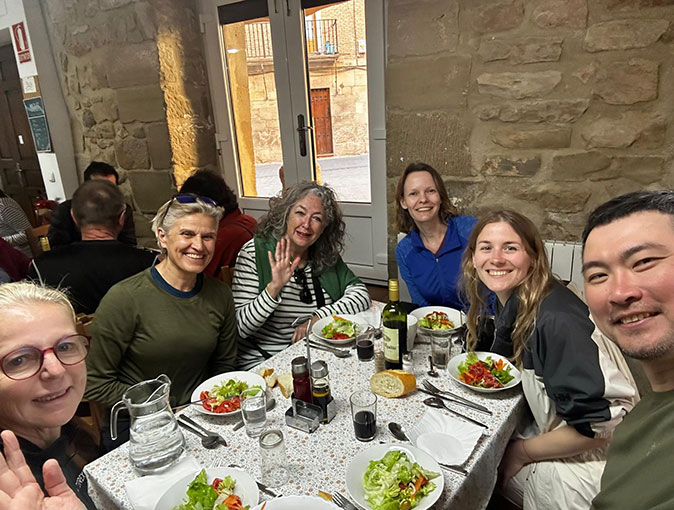
- Extras: Many offer communal dinners, which are a great way to meet other pilgrims.
I loved the atmosphere in private albergues with communal dinners.
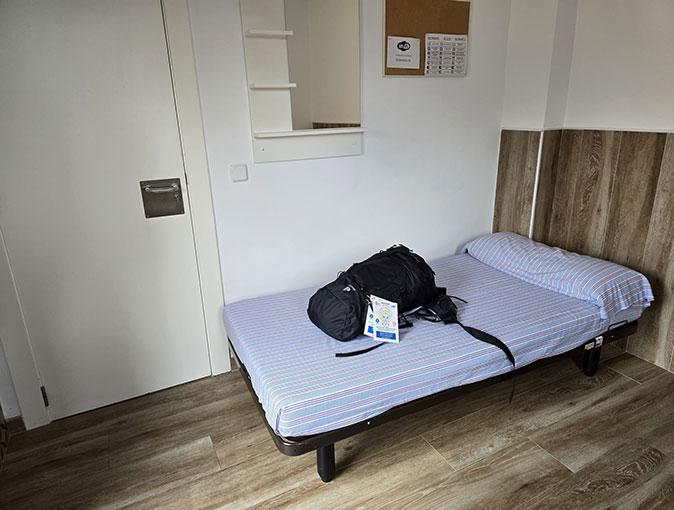
But I’ll be honest—I struggled to sleep in dorms, even with earplugs. Once I discovered that many private albergues also have private rooms, I started booking those whenever I could. For me, this was a total game-changer.
Note: Worried about leaving your stuff in a dorm room? Every albergue I stayed in—public or private—had lockers. And yes, I’d absolutely use them, just to be safe.
3. Hostales
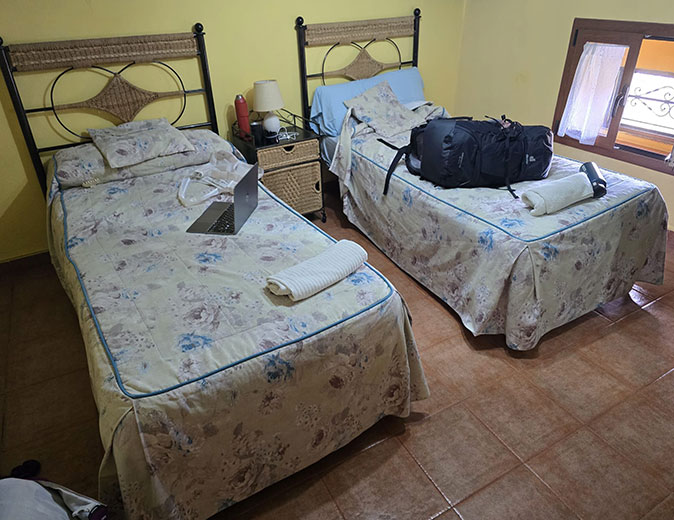
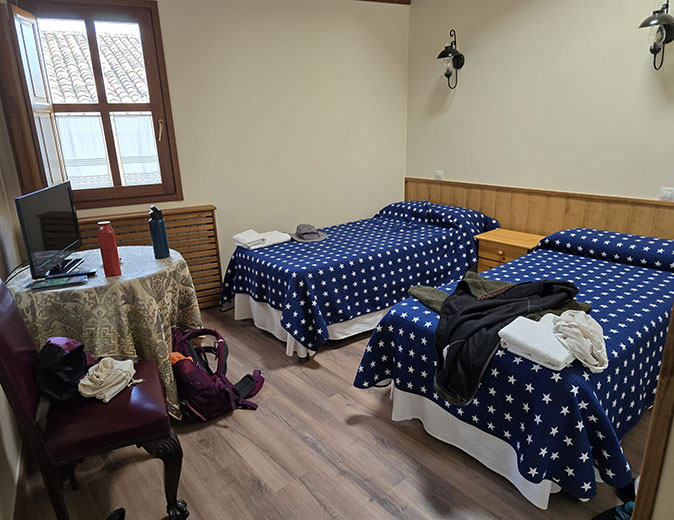
Despite sounding like “hostels,” hostales in Spain are more like small guesthouses or budget hotels. They offer private rooms, often with private bathrooms, and are a great mid-range option along the Camino.
- Price: Around €40–€70 per night (more during public holidays and in some popular tourist destinations).
- Facilities: Private rooms, often en suite, with towels and toiletries included. Often no laundry facilities.
- Atmosphere: Less social than albergues, but perfect if you need rest, privacy, or a good night’s sleep.
I often shared a room in a hostal with a friend. They usually have twin beds, so it’s perfect for splitting the cost and getting more privacy and a quieter night than in an albergue.
4. Hotels & Paradores
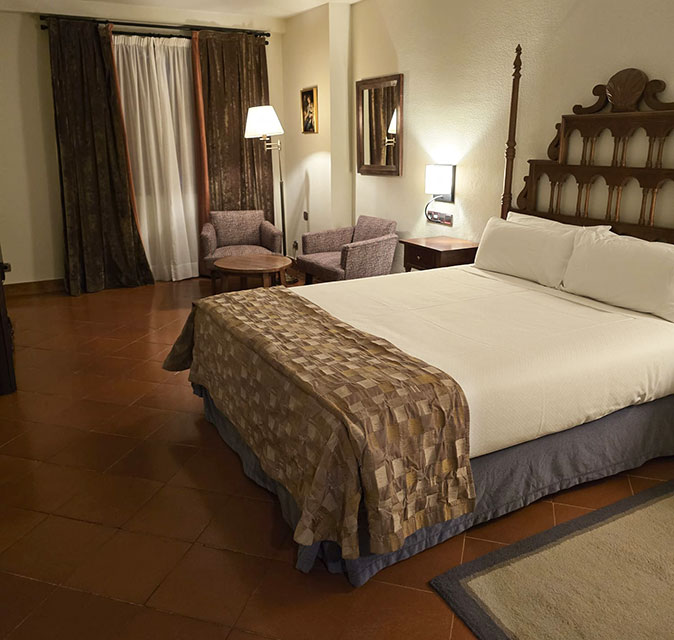
You’ll find hotels in many towns and cities along the Camino. Some are simple, family-run places, while others—like Paradores (luxury hotels often set in historic buildings)—are real splurges.
- Price: Regular hotels from €70–€120; Paradors from €120–€200+.
- Facilities: All the comforts of a good hotel—Wifi, a comfy bed, breakfast.
- Best for: Rest days, special occasions, or when you really need to recharge.
I stayed in a Parador in Santo Domingo de la Calzada and absolutely loved it. A bit of luxury on a long walk goes a long way.
Note: In smaller towns you won’t always be able to find hotels. Simple hostales are more common.
5. Airbnb or Private Rentals
In some larger towns and cities, Airbnb or apartment rentals can be a good option, especially if you’re walking as a family or in a group.
- Best for: Groups, families, or anyone wanting a full kitchen and a homely vibe.
- Bonus: Great if you want to cook your own meal after weeks of restaurant food.
Both Airbnb and Booking.com are good for searching for private rentals along the Camino.
How Accommodation Affects Your Camino Experience
Where you stay doesn’t just affect your comfort—it can really change how you experience the Camino.
Albergues (especially public ones) are the most social and are where you’re likely to meet people of all ages and backgrounds. It’s easy to strike up conversations and make friends.
Private rooms, whether in albergues or hotels, give you the space and quiet to rest—ideal if you’re a light sleeper or just need downtime.
Couples often choose private rooms since the cost isn’t much more than two dorm beds.
Solo travellers tend to fill up the albergues, which creates a unique sense of camaraderie you don’t often find in other types of travel.
For me, the best option was booking private rooms in albergues. This way I could still experience the spirit of the Camino and join the communal dinners, but also get my rest.
What About Kitchens & Meals?
Not all accommodations offer food. Here’s what to expect:
- Communal dinners are common in private albergues (not in all though—check the reviews on Google Maps or check their website).
- Cooking facilities vary: some albergues have full kitchens, others only have a microwave or kettle.
Pro tip: Check the kitchen before buying ingredients. More than once I bought groceries, only to find out there was no stove.
How to Book Accommodation on the Camino
If you’re walking the Camino Francés, especially during peak season, don’t expect to always find a bed without booking. And you’re even less likely to find a private room if you don’t book ahead.
Booking Tips
- Booking.com: Many albergues, hostales, and hotels are listed here. It’s my preferred way to book.
- Google Maps: I used Google Maps a lot to check all the different accommodation options along the route, to read reviews, and check pictures.
- Direct contact: Many places can be booked via WhatsApp, so before calling or emailing a place I’d always check if their number was a WhatsApp number. If it was, I’d message them with a booking request through WhatsApp. The added advantage of direct bookings is that they hardly ever ask for payment up front, so you can still cancel if your plans change.
- Pilgrim apps: I used Buen Camino, mainly to check the route, but it also shows accommodations along the route.
I usually booked at least one but often multiple days ahead.
Private rooms go quickly, so if that’s your preference, book early. But the nicer albergues also fill up, so if it matters to you to stay in a place with good reviews, a nice communal dinner, etc. I do recommend booking ahead.
That being said, for some, not knowing where they’ll stay the next night is part of the Camino experience, so it all depends on what you are looking for!
Final Thoughts: How to Choose the Right Accommodation for You
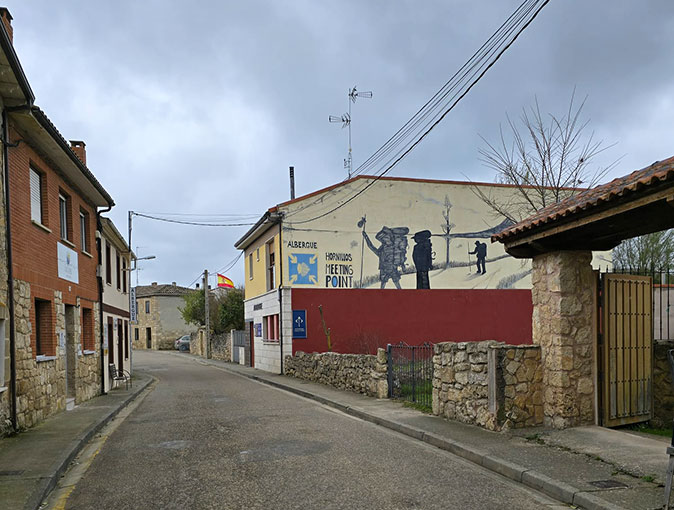
Your budget, walking style, and personality will shape where you’ll feel most comfortable.
- Budget-conscious & social? Stick with albergues—just bring earplugs!
- Need rest & quiet? Go for private rooms in albergues, hostales, or hotels.
- Walking with a partner or friend? A private twin room often costs the same as two dorm beds.
- Want comfort or luxury? Treat yourself to a nice hotel when the town offers one.
- Like to cook your own meals? Check if the place has a real kitchen before booking.
Whatever you choose, know that your accommodation is more than just a place to sleep—it’s part of the Camino itself.
Buen Camino!
Also Read:
- Walking the Camino While Working Remotely – A Practical Guide
- Things to Know Before Going to Spain
- Famous Spanish Food You Should Try
- Interesting, Strange & Fun Facts About Spain
- 5 Crazy Spanish Festivals You Have to Check Out
This blog post contains affiliate links. I may receive a commission for purchases made through these links, at no additional cost to you.