
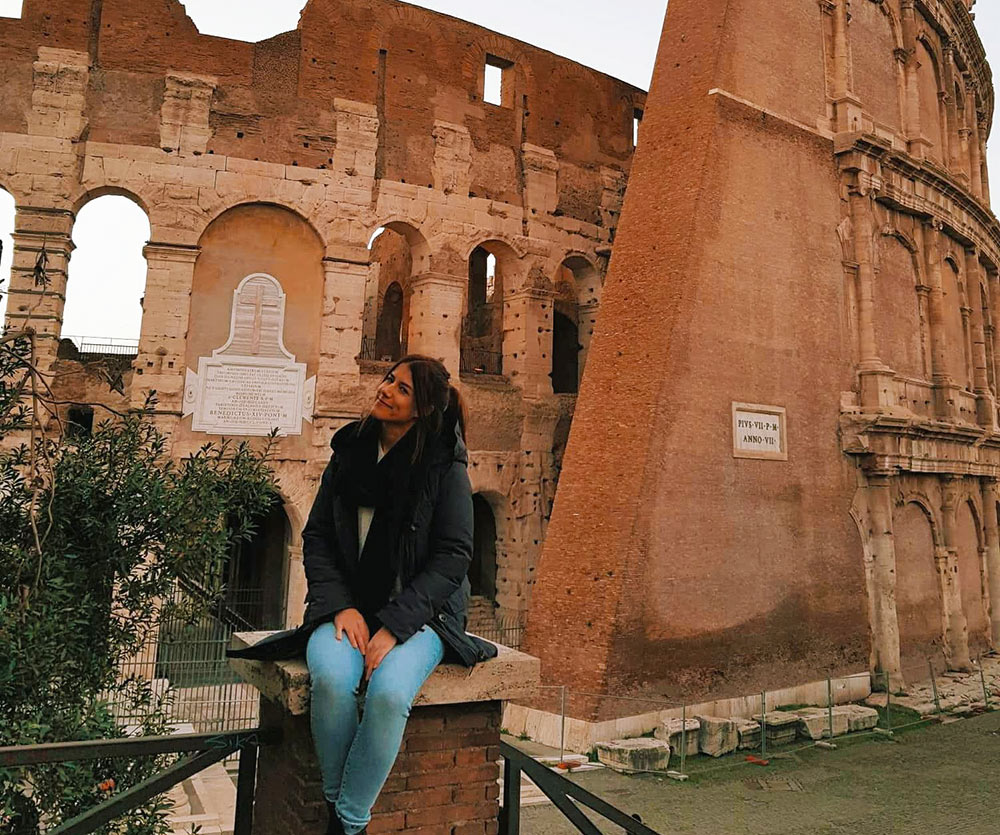
When I first moved abroad in 2012, I thought the hardest parts would be practical things: learning the language, dealing with paperwork, finding stability, or the fact that my first work contract was only for one year.
I was wrong.
The hardest parts came much later.
Nobody tells you how strange it feels to slowly become a different person. Or how complicated the idea of “home” becomes after living abroad for many years. Nobody talks enough about the loneliness, the constant rebuilding of friendships, or the emotional confusion that can come with creating a life between countries.
I spent 13 years living abroad between Italy and Malta before eventually moving back to Greece. And although I would do it all again, there are many emotional realities of long-term life abroad that people rarely talk about honestly.
Things People Don’t Tell You About Living Abroad
1. Your Identity Changes

One of the least-discussed parts of living abroad long-term is how much it changes you as a person.
When you move abroad, you suddenly become responsible for everything yourself. You learn how to navigate bureaucracy, manage finances, deal with unstable housing situations, adapt to different work cultures, and build a life from scratch without your usual support system around you.
You grow up quickly.
Looking back, when I moved abroad in my twenties, I felt like I aged ten years emotionally within a short period of time. Living abroad forced me to become more independent, adaptable, and resilient much faster than many people around me back home.
Over time, all those experiences shape your identity. You evolve through different countries, jobs, relationships, apartments, friendships, and life stages. And eventually, you realize you are no longer the same person who first boarded that plane years ago.
That can feel empowering, but also isolating at times.
When you reconnect with old friends, you still love each other deeply, but sometimes there is also a quiet awareness that your lives and perspectives have grown in very different directions.
2. “Home” Becomes Complicated
When you live abroad for many years, especially across multiple countries, the idea of home becomes much less straightforward.
For me, “home” changed many times over the years.
I spent seven years living in Rome. During that time, I moved between multiple apartments, lived with strangers, friends, and partners, and went through completely different phases of my life. And the simple question “where is home?” has had very different answers through those years.
I remember one Easter visit back to Athens, my hometown. I was sitting outside drinking coffee in the sun with close friends, and I started crying because I didn’t want to leave. My flight back to Italy was only a few hours away, and suddenly I felt deeply torn between two lives.
But I also remember another visit years later, after I had moved to Malta, where I felt the exact opposite. This time, I couldn’t wait to leave Athens and return to Malta, to my routines, my apartment, and the life I had built there.
That is what people rarely explain about long-term life abroad: “home” stops being one fixed place.
Sometimes it is your hometown. Sometimes it is the country you moved to. Sometimes it is simply the place where your current life exists.
And sometimes, if I’m honest, it feels like both everywhere and nowhere at the same time.
After 13 years abroad, I eventually decided to move back to Greece. Right now, in this chapter of my life, this feels like home again. But I also know that feelings around home can evolve over time.
3. Loneliness Looks Different When You Live Abroad
Everyone experiences loneliness at some point. But the loneliness that can come with living abroad long-term feels different.
One of the hardest parts for me was how temporary many friendships became.
When I lived in Rome, people were constantly leaving. Many international friends eventually moved away because finding stable, well-paying work there was difficult, even for Italians. Over time, entire friend groups disappeared piece by piece.
After around five years abroad, I suddenly realized that most of the people I had built my daily life around were gone. Some had returned home, others had moved to different countries, and I found myself having to rebuild my social circle all over again.
I started going back to expat events and social meetups, even though I no longer felt “new” in the city at all.
That cycle of constantly rebuilding relationships can become emotionally exhausting.
And it isn’t just friendships. Dating can become complicated too. You meet someone wonderful, build a connection, and then one of you leaves because of work, visas, or life circumstances.
One of the least glamorous parts of life abroad is how often you have to start over.
I think this is why building community becomes so important when living abroad long-term.
Friendships, routines, and meaningful connections do not happen automatically when you move between places and life stages. You have to actively create them.
4. People Back Home May Not Fully Understand Your Experience

One thing I struggled with at times was feeling misunderstood by people back home.
Often, people mainly see the exciting parts of living abroad: the travel photos, beautiful weather, new experiences, and adventures shared online. They don’t see the uncertainty, stress, homesickness, career pressure, loneliness, or emotional exhaustion behind the scenes.
And that is understandable. If someone has never lived abroad themselves, it can be difficult to fully grasp the emotional complexity of it.
Sometimes friendships change too. Not because people stop caring about each other, but because life gradually moves in different directions.
While your friends back home may be building long-term routines, relationships, or families in one place, you are adapting to new environments, cultures, and identities.
You still care deeply about each other, but occasionally there is a quiet feeling that they no longer fully understand your reality, and perhaps you no longer fully understand theirs either.
At times, the hardest part is not the physical distance itself, but the feeling of being emotionally difficult to place.
5. Returning Home isn’t as Simple as People Think
Many people think it’s easy to eventually move back home, if you ever decide to do so. But after living abroad for many years, returning can be surprisingly difficult too.
For me, the decision to return to Greece took almost two years. A big reason was work.
If you have spent years building an international career, gaining experience, and progressing professionally abroad, it can feel very difficult to suddenly return to a lower salary or start again from scratch professionally.
You want to move home, but you don’t want to lose everything you worked hard to build.
And beyond work, returning home means changing almost every part of your life at once: your routines, friendships, environment, housing, identity, and future plans.
I underestimated how emotionally intense that transition would feel.
Also Read: Reverse Culture Shock – What Is It And What to Do About It?
There was a period where I felt deeply “in between” versions of my life. Part of me was grieving the life I was leaving behind, while another part was trying to feel excited about what came next.
It was uncomfortable, confusing, and emotionally messy at times.
But despite all of that, I would still make the same decision again.
How I Feel About Living Abroad
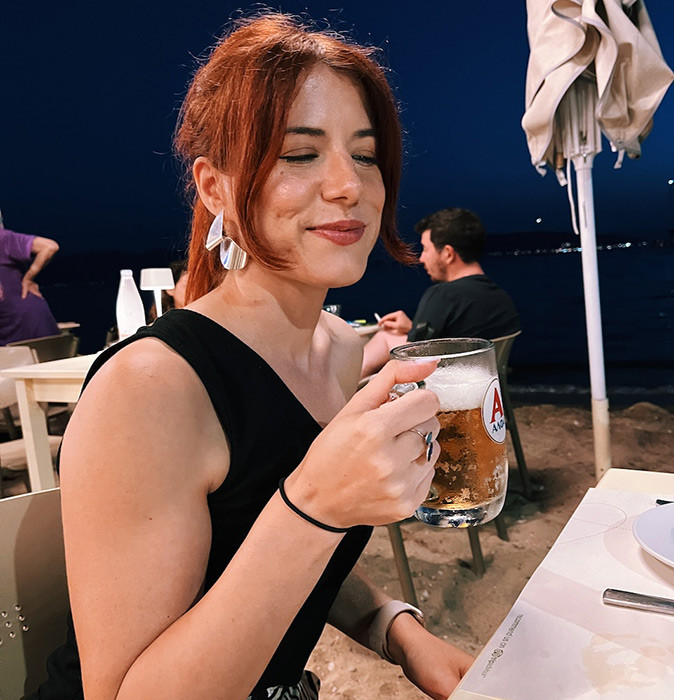
Living abroad shaped me in ways I never expected.
It gave me independence, resilience, adaptability, and confidence. It taught me how to build a life from scratch more than once, how to connect with people from completely different backgrounds, and how to become comfortable with uncertainty.
It also changed the way I see people and the world. Living abroad teaches you empathy in a very real way. You become more open-minded because you constantly realize there are many different ways to live, think, communicate, and define success.
At the same time, living abroad also came with loneliness, instability, and periods where I felt deeply lost.
But maybe that is part of the experience too.
Living abroad doesn’t just change where you live. Over time, it changes your identity, your relationships, your priorities, and your understanding of what home really means.
And although life abroad can sometimes leave you feeling untethered, it also teaches you something valuable: home is not always a single place anymore. Sometimes it becomes something you slowly learn how to create for yourself, wherever you are.
Also Read: