
When my wife Anna and I planned our move to Costa Rica, we were certain we would end up on a beach. We were wrong, and the story of how we got that wrong is the most useful thing I can tell you about living in Costa Rica as an American.
I’m Zach. Anna and I co-founded StartAbroad, a relocation company that helps Americans, Canadians, and Brits move to Costa Rica, Portugal, Spain, and Panama.
Before we did this for other people, we did it for ourselves: two career-changers with a decade of moving around the world behind us, looking for somewhere to finally stay put. We landed in Costa Rica in 2022 and have been here ever since, long enough to raise a daughter, buy a house, adopt two street dogs, run a business on North American hours, and learn exactly where the brochures stop telling the truth.
In this article I’ll share what moving to Costa Rica and building a life here actually looks like: where to settle, what it costs, how residency works, and what daily life feels like once the novelty wears off.
Why Americans Keep Choosing to Move to Costa Rica

Costa Rica consistently ranks near the top of every list of the best places for Americans to live abroad, and once you spend real time here, it’s easy to see why.
This is a stable democracy that famously abolished its army in 1948 and put the savings into schools and healthcare. Literacy now sits around 98 percent, among the highest in the Americas. It sits at the heart of Central America but feels a world apart from the turbulence that has troubled parts of the region, and by most measures it is one of the safest countries in Latin America.
The appeal is not only political. Costa Rica offers a genuine change of pace, the kind that resets your nervous system after years of treating busyness as a virtue.
Everyone says that living in Costa Rica will lower your blood pressure, and in my experience, that’s true.
Costa Rica has strong public and private healthcare, a potentially lower cost of living relative to the US (although it’s not a cheap country), and a natural setting that is honestly hard to overstate.
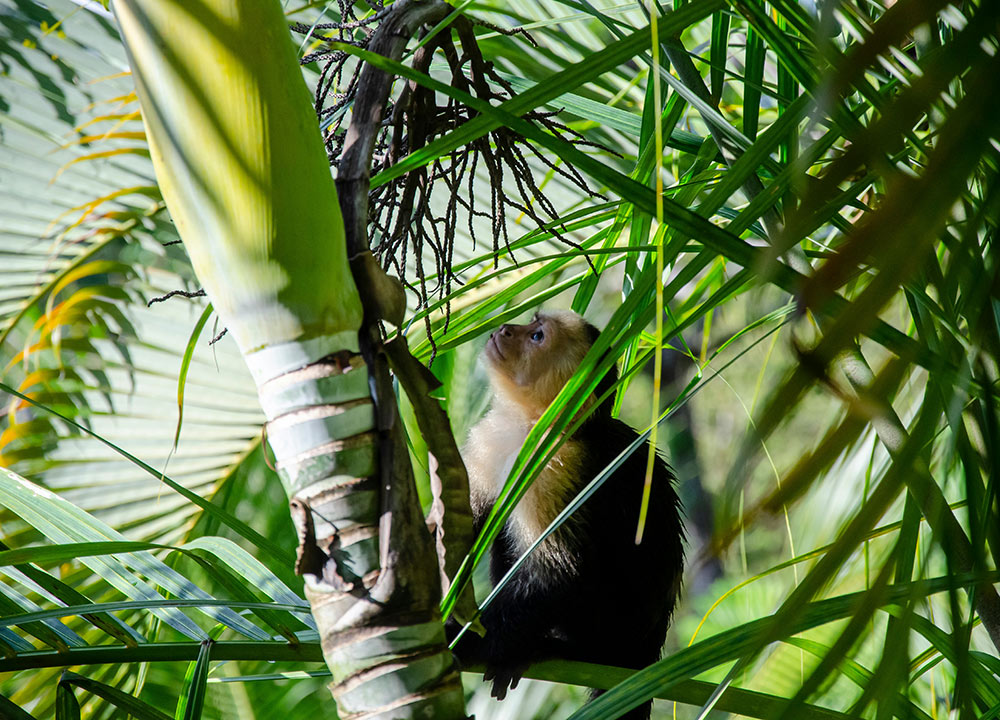
Depending on where you land, you can wake up to beautiful beaches on the Pacific coast, lush rainforests alive with monkeys and toucans, or the cool green of the central highlands.
Much of the country has a tropical climate, though elevation changes everything: the lowlands and the coast enjoy year-round warm weather, while the highlands stay spring-like. Nationally, temperatures tend to sit between about 70 and 81 degrees Fahrenheit year-round, which is a big part of the appeal.
Then there is pura vida. You will hear the phrase constantly, and Costa Ricans, or Ticos, use it as a greeting, a farewell, and a shrug all at once. It translates roughly to pure life, but it’s less a definition than a way of taking the day as it comes, slower and calmer, without sweating what you can’t control.
The pura vida lifestyle is a big part of what draws people to moving to Costa Rica, and a bigger part of what makes them stay.
Costa Rica has quietly become one of the most popular bases in the region for digital nomads, and for remote workers especially it ticks an unusual number of boxes at once: US-friendly time zones, no tax on foreign income, a slower pace, and a welcoming expat community already on the ground.
We looked hard at other options across Central America before committing, including Panama City and a few places elsewhere in Latin America. Costa Rica won, and years in, I still understand why every single day.
There are plenty of good reasons people give for moving to Costa Rica, and for us they have all held up.
Where to Live Matters More Than You Think
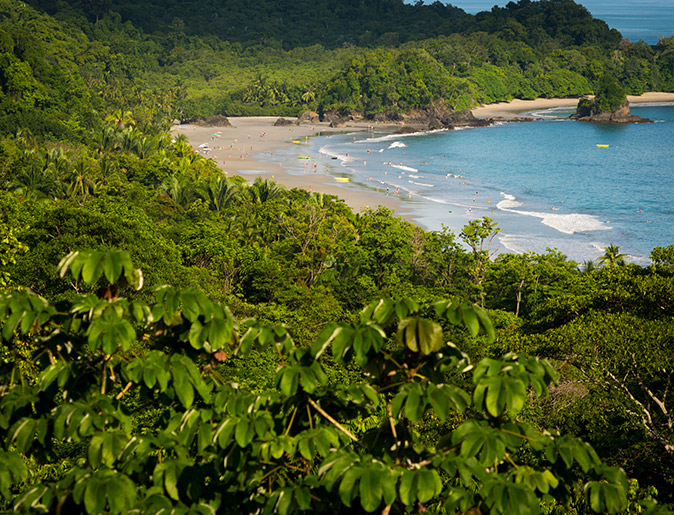
The biggest decision in moving to Costa Rica is not whether to go, it’s where to land.
Costa Rica is small, but the difference between one region and the next is enormous: climate, cost, community, and how far you are from a hospital or an international airport.
The single best thing we did before committing was a five-week scouting trip, roughly a week in each region we were seriously considering, with the specific goal of taking off the vacation glasses.
1. Central Valley
The Central Valley (Atenas, Escazú, Santa Ana, Grecia) is the safest all-round choice for most first-timers and retirees.
Sitting in the central highlands at elevation, it has a spring-like climate almost year round, the country’s best infrastructure and hospitals, a deep bench of international schools, and the largest and most welcoming expat community in Costa Rica.
San José, the capital city, is close by, and Juan Santamaría International Airport offers direct flights from the US.
If proximity to services and a big expat community matter to you, this is hard to beat.
2. Guanacaste
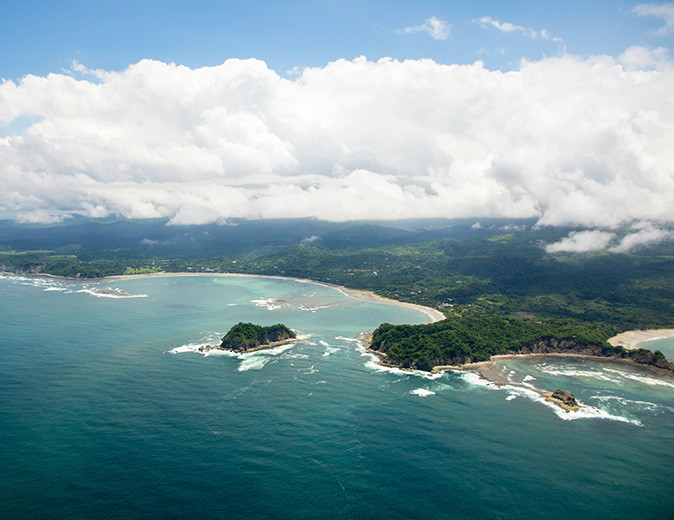
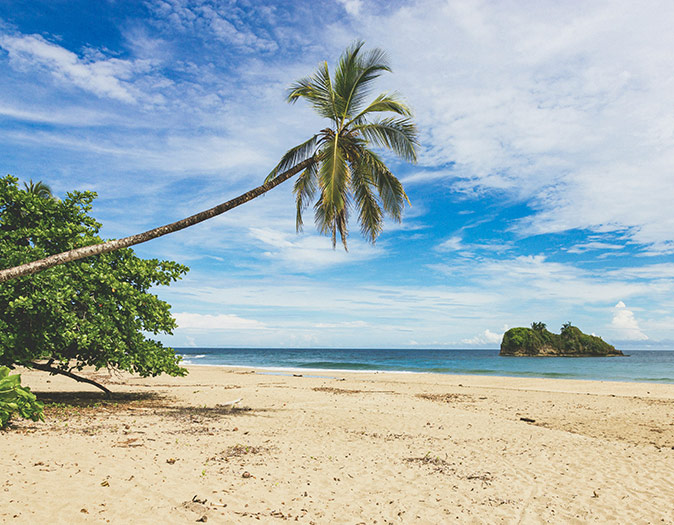
Guanacaste (Tamarindo, Nosara, Playa del Coco, Playa Flamingo) is the classic beach dream: Costa Rica’s Pacific coast at its most developed, with the driest weather, beautiful beaches, and reliable flights into Liberia.
It has year-round warm weather, which is either the draw or the drawback depending on your tolerance for heat. It is the hottest part of the country, the most expensive, and the busier beach towns can feel more like resorts than neighborhoods.
Sámara and the smaller beach towns keep the local community feel that the bigger resort towns have traded away for tourism. Quieter, more genuinely Costa Rican, and still hot.
3. The Southern Pacific Zone
The Southern Pacific Zone (Uvita, Dominical, Ojochal) is where lush rainforest meets the sea.
It is wilder, greener, and more remote, with small but welcoming expat communities. Uvita is honestly my favorite beach in the country. But, it was too hot and too far from everything to be our base.
4. The Central Pacific
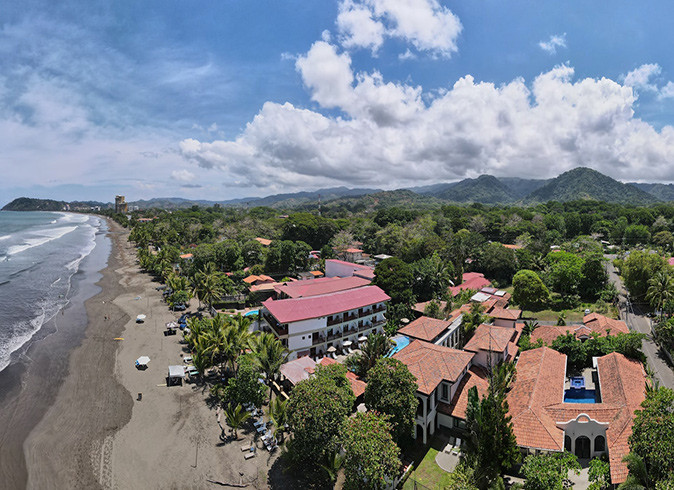
The Central Pacific (Jacó, Quepos, Manuel Antonio) gives you beaches, restaurants, and a real social scene within about 90 minutes of the Central Valley. Manuel Antonio in particular pairs a famous national park with easy access to the capital.
5. The Caribbean Coast
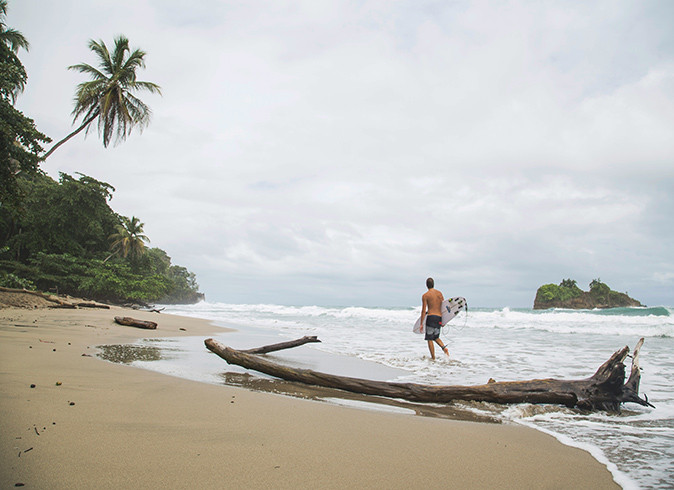
The Caribbean coast (Puerto Viejo and around) feels like a different country: Afro-Caribbean culture, a slower and more alternative rhythm, and lighter infrastructure that some people love and others find limiting.
6. Lake Arenal

This is where we ended up, in Nuevo Arenal.
The lake stretches for kilometers with a volcano behind it, the climate is cooler and much greener than the coast, and the community is tight-knit.
Nuevo Arenal is roughly 2.5 hours from San José and 1.5 hours from Liberia. Sometimes it can feel like it’s in the middle of nowhere, but we like that.
We also like that it’s much cooler than the beach. Toucans and monkeys pass through our yard, and a guava tree we planted is already taller than the house.
Whatever you are drawn to, go and look before you commit. Give each place five or six nights, work during the trip if you will be working after the move, cook at home, run boring errands, and be ruthless about separating your need-to-haves from your nice-to-haves.
Most expats I know were sure they wanted one thing and chose another once they saw daily life up close.
Also Read: Things to Consider Before Moving to Another Country
What Living in Costa Rica Actually Costs
Costa Rica is not the bargain it was a decade ago, and the cost of moving to Costa Rica surprises some people. Set that expectation now.
That said, compared with major cities in the United States, especially cities like New York or San Francisco, the low cost of living here is still a real draw, especially once you factor in healthcare, help, potential tax benefits, and fresh local food.
As a rough guide, plan on around 10 percent less than the US average, though that swings a lot with where and how you live. Most expats here spend somewhere between $2,500 and $4,500 a month. Retirees in the Central Valley live well on roughly $2,000 to $3,000, coastal expats tend to run $2,500 to $4,000 or more, and families with kids in school often need $3,000 to $6,000.
Housing is the biggest variable and swings hard with location. A basic one-room apartment runs around $700 a month, while a comfortable three-bedroom house can reach about $2,500, far more in a prime beach or Central Valley expat town and far less inland. Rents also move with the seasons, dropping by as much as half in the quieter April-to-November stretch.
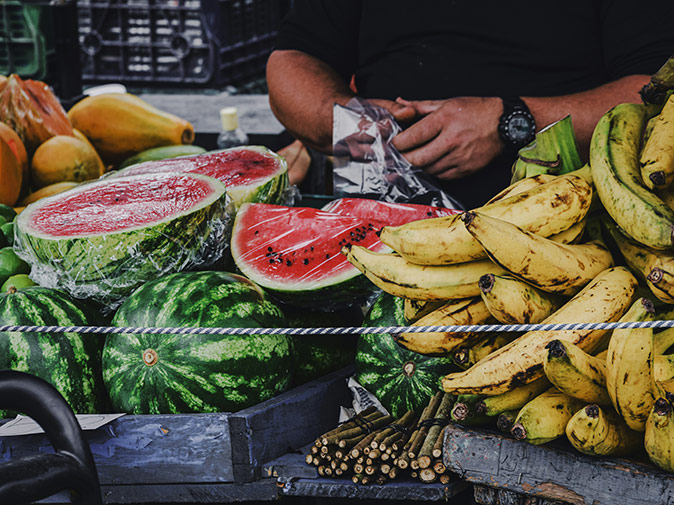
Groceries stretch a long way at local markets, and a typical casado lunch at a neighborhood soda still runs about $5, though imported brands and expat-priced restaurants climb fast.
Where the savings become dramatic is human help and care. Our full-time nanny costs about a fifth of what my brother pays for daycare in Colorado. We have the house cleaned twice a week for around $100 a month. Good private medical care runs a fraction of US prices.
Where costs climb instead: imported electronics and appliances, familiar US grocery brands, and anything specifically priced for the expat market. Go local wherever you can. It is better for budget-conscious expats and better for actually becoming part of the place.
If you eventually buy rather than rent, the good news is that foreigners have the same property rights as Costa Ricans, with a few restrictions mainly on beachfront concession land.
Property taxes run only about 0.25 percent of a property’s registered value, which makes a home far cheaper to hold than in most of the US. I would still rent for several months before buying anywhere, long enough to be sure of the town and the neighborhood before you commit.
Something worth mentioning here is about moving money: international transfers through a traditional bank can be slow and expensive, so most expats I know use a service like Wise for day-to-day money transfers and reserve the bank for larger, less frequent moves.
Having lived in East Africa and South America, I can tell you Costa Rica isn’t the cheapest country we have called home, but for value against quality of life this close to the US, nothing we have found beats it.
Healthcare in Costa Rica: Caja and Private Care

Healthcare is one of the reasons Costa Rica lands on so many shortlists, and living in Costa Rica gave me a real appreciation for how well it works.
There are two systems. The public one, the Caja, covers legal residents comprehensively for a monthly contribution based on income, at little or no cost at the point of care. It is strong for routine and preventive care, though wait times for specialists and elective procedures can run long.
The private system is where most expats spend their healthcare dollars, and by US standards it is both excellent and affordable. Modern private hospitals in and around San José are staffed by English-speaking, often US-trained doctors, and comprehensive private insurance for a healthy adult typically runs a few hundred dollars a month.
I needed knee surgery about a year into living in Costa Rica. I found a well-regarded specialist, had the consultation in English, and scheduled the procedure within weeks, all for a fraction of what the same surgery would have cost back home.
Visas and Residency: How to Actually Stay in Costa Rica
The legal side of moving to Costa Rica is where most people get stuck, so here is how it actually works.
Most people start as a tourist. US, Canadian, and British citizens are generally granted up to 180 days, at the officer’s discretion, on arrival with a valid passport; no advance tourist visa required.
180 days is plenty for a long test run, but you are counting days, planning border runs, and living as a perpetual tourist, locked out of local systems. To actually stay, you need to become a legal resident, and there are a few routes to legal residency in 2026.
1. The Digital Nomad Visa
This is the fastest and most popular option for working-age Americans, and most of the working people we help start with the Digital Nomad Visa.
This visa is built for remote workers and online business owners earning at least $3,000 a month ($4,000 with dependents) from foreign sources. It is valid for a year, renewable to two years, and processed in roughly eight to ten weeks.
Costa Rica does not tax foreign income, so your earnings are not taxed here, and for digital nomads earning in dollars that tax treatment alone can change the math.
Two catches: the digital nomad visa does not count toward permanent residency, and it does not get you into the national healthcare system, so you will need private insurance. Applications are also being scrutinized harder now, so expect to show around twelve months of bank statements and a certified affidavit.
2. The Pensionado
This is the retiree route, requiring $1,000 a month in lifetime pension or Social Security retirement income. It’s one of the most generous programs anywhere and gets you into the national healthcare system.
Also Read: How to Retire Early & Move Abroad
3. The Rentista
This visa is for those with stable income from outside a job: $2,500 a month in guaranteed income documented for two years, or a $60,000 deposit in a Costa Rican bank.
Active business earnings do not count.
4. The Inversionista
This visa is for a qualifying investment in Costa Rican real estate, a business, or a forestry project.
The threshold has sat at $150,000 in recent years but is set to move back up toward $200,000, so if this is your path, confirm the current figure before you count on it.
The Pensionado, Rentista, and Inversionista routes all grant temporary residency first, and all lead to permanent residency after three years, with citizenship possible after seven (that step includes a Spanish and civics exam).
5. Family Ties
There are family routes too, which is how we did it.
Marrying a Costa Rican starts you on temporary residency, and leads to permanent residency after that.
Any child born in Costa Rica is automatically a Costa Rican citizen, which lets the parents apply for residency through that child. Our daughter was born here, holds dual citizenship, and opened a door we had not originally planned to walk through.
One practical note for American parents: your child is a Costa Rican citizen, but you will still register the birth and arrange a US passport through the U.S. Embassy in Costa Rica, which comes with its own paperwork and timeline.

A quick word on working while in Costa Rica, since people always ask.
Your visa category sets the rules. Pensionado and Rentista residents generally cannot take a local job, though they can own a business and live on investment income. In contrast, permanent residents can work freely without a separate work permit.
Local salaries are low by US standards anyway, which is why most expats here work remotely or run their own thing. The ones who do work locally tend to land in the sectors built around foreigners, mainly real estate and tourism.
Whatever route you choose, the process to obtain legal residency status rewards patience. You will need apostilled documents (your birth certificate, a home-country background check), proof of income or investment, and health coverage, all translated by a certified translator and filed with Costa Rica’s immigration authority, the Dirección General de Migración y Extranjería.
Most people hire an immigration attorney for Costa Rican residency, which runs roughly $1,000 to $2,500.
Two things I tell everyone: gather and apostille your documents before you leave the US, because doing it from abroad is far harder, and watch the calendar, because your temporary residency documents expire, often within about six months of issue.
Getting Set Up: Banking, Rentals, Schools, Pets, and Driving

The visa is only half the job. The practical side of moving to Costa Rica, turning on the rest of your life, is its own project.
1. Opening a Bank Account
Opening a Costa Rican bank account is one of the more maddening early steps. Requirements vary by bank and shift without warning.
You will typically need your residency document or visa, proof of income, sometimes a certified income letter in Spanish, and the patience for more than one visit.
Many people simply wait until residency is in hand before tackling a Costa Rican bank.
2. Finding a Place to Live
Finding a long-term rental is genuinely difficult, because the market is informal.
There is no central listings system in Costa Rica, long-term inventory is thin, and it tightens further in high season, roughly late October through Easter.
Trying to lock a year-long lease from abroad usually means overpaying for an expat-priced listing.
Do what most expats do: land on a short-term rental, then find the long-term place once you are on the ground, working the same local Facebook groups digital nomads use to find housing, community boards, real estate agents, and word of mouth.
If you plan to live in Costa Rica long term, that patience pays off in a better home at a local price.
3. Schools
If you’re moving to Costa Rica with kids, it’s good to know that schools depend heavily on location.
In the Central Valley and larger towns, bilingual private schools and international schools are plentiful and generally strong, with tuition in the range of $8,000 to $15,000 a year. In smaller communities, the options thin out fast, which is worth weighing when you choose where to live.
4. Pets
Pets take lead time. Moving to Costa Rica with a dog or cat means a health certificate from a USDA-accredited veterinarian issued within a specific window before travel, up-to-date vaccinations including rabies, and meeting the airline’s own rules on top of the government’s.
Start six to eight weeks before you fly.
The irony in our case is that our own dogs did not come with us. About four months in, a small bean-shaped street dog turned up at a restaurant, ate everything we offered, and followed us home. We named her Frijolita, then shortened it to Frita, and she promptly recruited her scruffy best friend, who became our second dog, Scrappy. If there is a theme to moving abroad, it is that the best parts are usually the ones you did not plan for.
5. Driving in Costa Rica
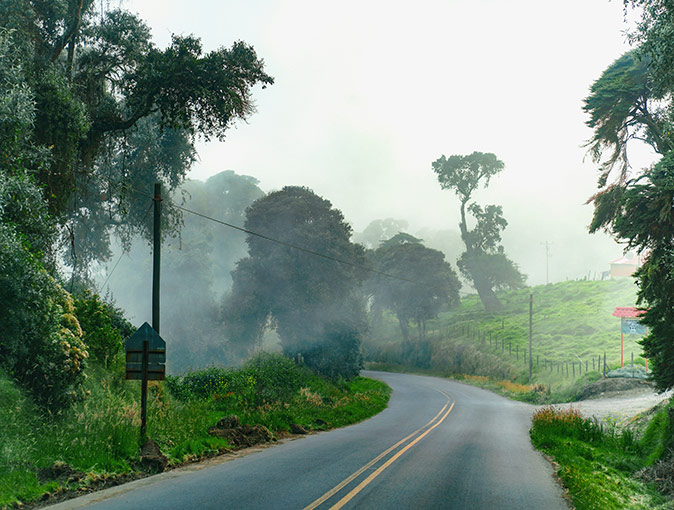
Driving is worth a quick word. As a tourist you can drive on your foreign license, but once you become a resident you’ll need a Costa Rican driver’s license, which you convert from your home license as part of settling in.
Public transportation is cheap and covers the main routes well, but in much of the country, and especially in rural areas, having your own vehicle makes life far easier.
Settling in: Spanish, Safety, and Culture
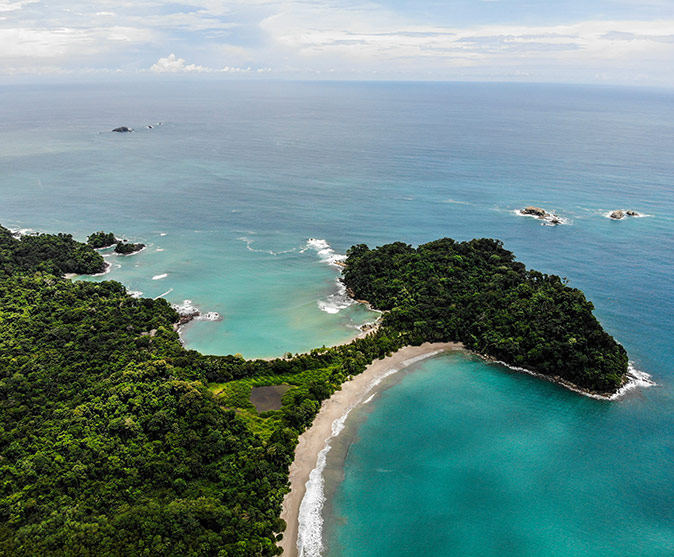
1. How Much Spanish Do You Need?
Less than you fear, at least to start.
In tourist areas and among professionals, English gets you a long way, and plenty of the people we help arrive with almost no Spanish.
You do not need to speak Spanish fluently on day one. But in a smaller town, effort matters far more than fluency. Costa Ricans appreciate the attempt enormously, and even basic Spanish builds real relationships that English never will.
Anna and I came in with modest Spanish and got better simply by living life, at the market, with neighbors, in government offices.
If you want to accelerate, online tutors and the immersion schools scattered around the country both work well, and it is genuinely worth starting to learn Spanish before you arrive.
2. Safety: Reality Versus Perception
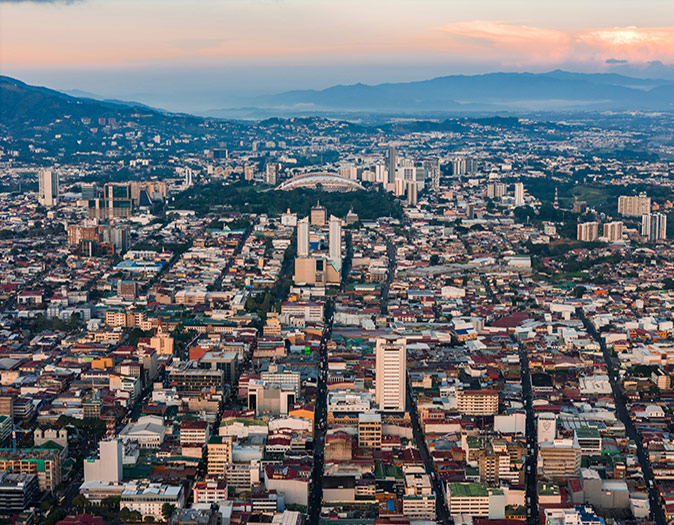
Costa Rica is calmer than US headlines imply.
As I mentioned, it consistently ranks as one of the safest countries in Central America, well clear of the violence that has troubled some Central American countries, and day-to-day life here feels about as safe as a mid-sized American city.
The genuine risk is petty theft, so don’t leave anything visible in a parked car, and be more alert in central San José at night than in a small town.
Nationally, the homicide rate runs higher than the US average, but violent crime rarely touches expats in residential communities and is usually tied to criminal networks rather than random.
In our corner of rural Costa Rica, safety is simply not something we think about the way we once did. Living in Costa Rica, we worry about it far less than we did back in the States, and as one of the most politically stable countries in Central America, it tends to feel that way on the ground.
3. Culture, and What Takes Adjusting
Costa Rican culture values calm, politeness, and social harmony, and it runs on its own clock.
Everyday life blends indigenous and Spanish influences, from a calendar full of lively local festivals to gallo pinto, the national rice-and-beans dish that starts most mornings.
“Tico time” is real. Appointments and plans run looser than North Americans expect, and it stops grating the moment you stop fighting it.
Bureaucracy is slow, and patience is the single most useful thing you can pack. Living in Costa Rica rewards it more than any other single trait.
The slower pace that looks so appealing from the outside is the same thing that turns a quick errand into a whole afternoon, and making peace with that is most of the adjustment.
Many Costa Ricans will go out of their way to help you, and the expat communities here, full of retirees, families, and digital nomads, are warm and generous, but they can quietly become a bubble, so make a point of building friendships in your local community and your life here will be richer for it.
And prepare for the emotional side of the move, not just the logistics. Homesickness is real, and so are the days when a single errand swallows two hours. It took us a couple of months to feel settled, and most of the clients we help relocate to Costa Rica say the same.
Things You Might Not Love in Costa Rica
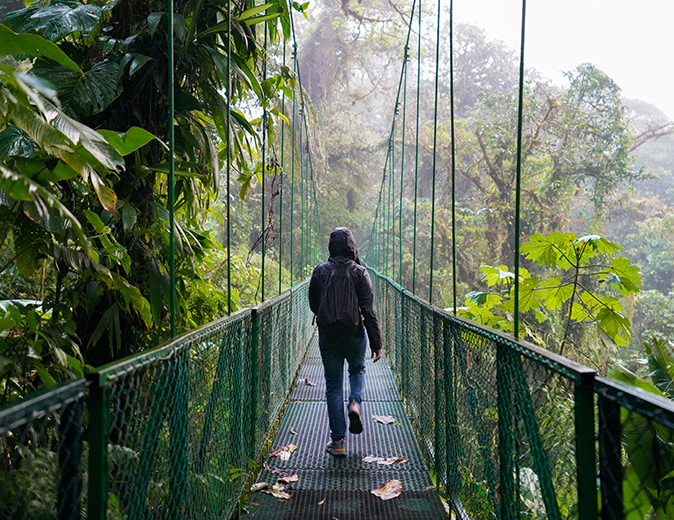
1. The Roads
Off the main highways the roads can be steep, narrow, and rough, and some wash out in the rains.
Across much of the country a four-wheel-drive is a tool, not a flex. And traffic, especially in the Central Valley, can be maddening.
2. Import Costs
Nearly everything shipped in is taxed, sometimes heavily, so electronics, appliances, and familiar US brands all cost more here than at home.
3. Internet
Internet is solid in San José and the bigger towns, but can be patchier in rural areas like ours.
If you work online, check the actual connection at a specific house before you commit to it.
4. The Rainy Season
The rainy season runs May through November, and it gets very wet.
The Arenal area is one of the rainiest inhabited parts of the country. We love it, but this much humidity is absolutely not for everyone.
Would We Do It Again?
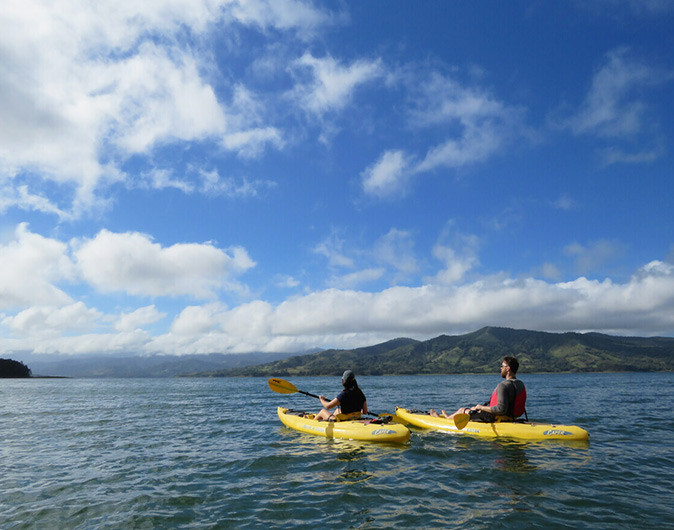
Without hesitation.
The move was hard. Year one had days when we questioned all of it, but we would still change nothing. The life we built here, the community, the family, the company that grew straight out of figuring this out without a guide, beats the one we left behind.
If you are on the fence, that is the least comfortable place to stand. The logistics of moving to Costa Rica are manageable, the paperwork is survivable, and the adjustment passes.
What waits on the other side is a genuinely different life, and for most of the people I have watched make the move to Costa Rica, a better one.
By now, pura vida isn’t something we say, it’s just how we live.
If you want help thinking through your own move, that is exactly what we do at StartAbroad. And because you are reading this on Spend Life Traveling, the code SPENDLIFETRAVELING gets you 5% off any of our services.
Also Read:
- What’s It Really Like to Live in Costa Rica? – Interview
- Things to Do Before Moving Abroad – A Checklist
- Moving to Spain as an American: What I Wish I Knew
- Moving from the US to the UK: Things I Wish I Knew
This article contains affiliate links. I may receive a commission for purchases made through these links, at no additional cost to you.