

Driving abroad for the first time can be a daunting experience.
From driving on opposite sides of the car or road to following different rules and regulations, you have a lot to get used to when driving abroad.
Coming from the Netherlands, where we drive on the right side of the road, I still remember my first time driving on the left side of the road.
It was on a small British island in the Caribbean named Anguilla… And those first moments of driving were probably about as nerve-racking as my first driving lessons!
But, you do get used to driving abroad.
Whether it’s driving on the other side of the road or just dealing with hectic traffic (Rome, I’m looking at you!) or slightly different laws, give it time and you will become familiar with it.
And because I have had many people asking me for tips for driving abroad, I thought I would create a list.
These are some practical tips for driving abroad, especially when it’s your first time driving in a foreign country.
11 Tips for Driving Abroad for the First Time
1. Get Used to the Car
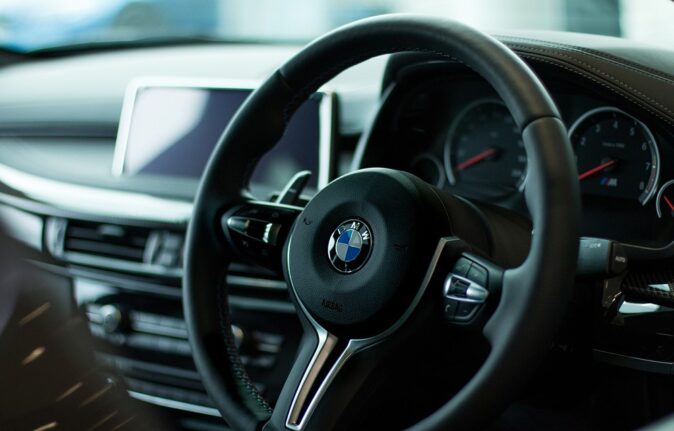
Before you start your first drive abroad, sit in the car for a bit and take your time to familiarize yourself with it.
Find out where all the controls are and make sure your mirrors and your seat are adjusted properly.
To become more confident, consider driving around a quiet parking lot, which is a great way to practice the auxiliary controls and further familiarize yourself with the car.
Especially if you are sitting on the other side of the car and/or driving on the other side of the road, take your time to get used to these new conditions!
2. Consider Taking Advanced Driving Courses
A driving course will help you to improve your position, control, and speed depending on the amount of traffic and road conditions. The course will turn you into a more confident driver.
Taking these classes before you embark on your international trip will help you to feel more prepared for driving in foreign countries.
3. Know the Laws and Speed Limits

Laws differ from one country to another, which makes it wise to do your research before you start driving abroad.
For example, in some countries, turning on red is permitted at many intersections, but in others, the practice is totally prohibited.
In some countries, traffic already on a roundabout has the right of way; in other countries, traffic entering the roundabout has it, while vehicles already on the roundabout must yield.
Start by checking the side of the road that you will be driving on and the essential documents that you need to carry, which also differ per country.
For example, I only found out at the last minute that you need a Crit’Air vignette to drive in certain low-emission zones in France. Thankfully, I still had just enough time to apply for one.
But also read up on things such as traffic signs in the country you are traveling to, toll roads, restricted areas, etc.
What are the child-seat regulations that you need to follow, and what is the drink-drive limit?
Find out as much as you can about local driving laws before getting into a car. For example, an interesting fact about Spain, it’s illegal there to drive while wearing flip-flops and to drive barefoot.
Check If You Need an International Driving Permit
Some countries require an International Driving Permit (IDP) for any foreign driver’s license, others only for certain nationalities.
Embassy websites tend to have good information about what you need to drive abroad, but a simple Google search will also tell you if you need an IDP or not.
In the USA you can get an IDP from AAA, in the UK there are PayPoint shops where you can get your IDP.
However, the easiest and quickest way to get an international driving permit, from anywhere in the world, is to apply for one online.
4. Opt for an Automatic Car
If you’re nervous about driving in a foreign place, opting for an automatic car, which is almost impossible to stall, might be a good choice.
With an automatic car, you won’t have to worry about changing gears, which means you’ll be able to focus on the road better.
However, not every car rental agency in each country offers automatic cars. So if you do decide to rent an automatic car for your first time driving abroad, make sure you check beforehand if your chosen rental agency has any available.
5. Pay Attention to the Road

Depending on the country you’ll be driving in, you might find that the drivers are more aggressive than those back home.
However, don’t let them intimidate you, and don’t respond to any rude gestures no matter how tempting it is.
If you feel overwhelmed, pull over or move to the slow lane until you get back your composure.
Pay attention to the road ahead instead of focusing on what the other drivers are doing.
6. Stay in the Slow Lane
When driving abroad for the first time, it is quite natural to feel anxious.
If you want to feel relaxed when driving, you should drive at your own pace in the slow lane.
Once you feel ready to drive in the faster lanes, move over. If you feel nervous about switching lanes, just wait for a big gap in traffic before you do it.
7. Avoid Driving When Tired
When driving in unfamiliar territory, it’s important to remain alert. This means that you should not drive immediately after a long flight.
And no matter how short your drive is, make sure you take a break whenever you feel your concentration lapsing.
A quick nap at a service station and a cup of coffee can do wonders and will help you feel more awake.
8. Don’t Be Over-Ambitious

Try to avoid long drives when driving for the first time in a foreign country. Opt for shorter drives until you gain enough confidence to drive for longer periods.
I would also try to avoid city driving because busy locations require more focus, which can be overwhelming for first-timers.
And if possible, take your first drive abroad when the weather is good.
9. Choose a Small Car
If you are traveling alone and do not need a lot of space for your luggage, consider renting a small car.
Not only are these cars easy to maneuver and park, they are also cheaper to rent.
If you need more space than an economy car can give you, pick the smallest car for your needs. You do not want to be stuck maneuvering a large car in foreign traffic.
I often drive in Southern Europe and I couldn’t imagine driving a big car through some of the narrow alleys in those historic town centers. So, unless I am traveling with more than two other people, I will always go for the smallest car available.
10. Make Sure You Have a Reliable Navigation Setup
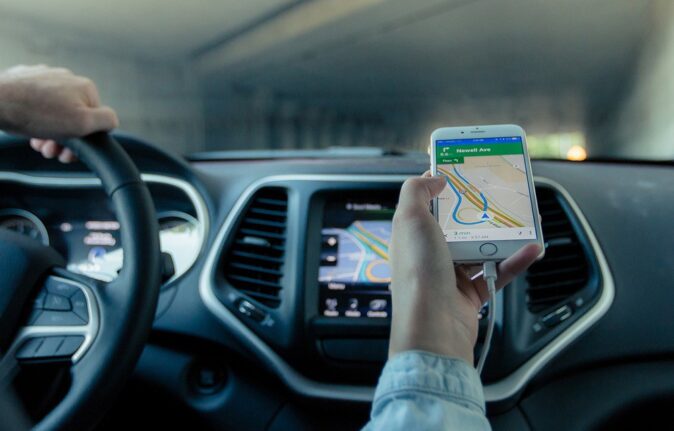
One of the biggest worries people have when driving abroad is getting lost in unfamiliar territory.
So, before you drive off, make sure you have a suitable navigation setup.
Most travelers today use their phone for navigation, and it works perfectly as long as you have mobile data or download maps in advance.
I personally rely on Google Maps or Maps.me and always download the area before a road trip. Offline maps are a lifesaver when you lose signal, especially in the mountains or countryside.
If you don’t want to use your own phone data or don’t trust your roaming plan, check whether the rental car has built-in navigation (many do). It’s usually more reliable than a portable rental GPS and often included at no extra cost.
A few practical tips:
- Bring a car charger or USB cable. Navigation drains your battery faster than you expect.
- If your rental car doesn’t have CarPlay/Android Auto, ask for a phone mount so you’re not fumbling with your phone while driving.
- Always preview your route before setting off so you know the general direction and any tolls or tricky turns.
11. Make Sure You Have the Right Insurance for Driving Abroad
If you’re taking your own car abroad, of course make sure your insurance covers you in the country you’ll be driving in.
Where it gets a bit more confusing is when you’re renting a car abroad and need to deal with local car insurance. Coverage varies by country, and many travelers already have some protection through their credit card or travel insurance.
Most rental companies will offer several types of coverage, but here’s what to keep in mind:
- Collision / Damage Coverage: This protects you if the car gets damaged. Many premium credit cards include this automatically for rental cars, but not in every country or for every type of vehicle. Always check the fine print before you rely on it.
- Liability Insurance: In some countries, this is included by law; in others, it’s an add-on. This is the coverage that protects you if you damage someone else’s property or vehicle. If your home insurance or credit card doesn’t cover liability abroad, make sure the rental company’s policy does.
- The Excess (Deductible): Even if you’re covered, rental companies often hold a large deposit on your card. You can pay extra for a “zero-excess” option if you want peace of mind and don’t want a big hold on your credit card.
- Third-Party Providers: Sometimes buying insurance from a third-party company (not the rental desk) is cheaper, but you may need to pay upfront for damages and claim it back later.
A few personal tips:
- Double-check coverage before your trip. It takes only a few minutes to log into your credit-card portal or travel insurance policy and see what’s actually included.
- Take photos of the car when you pick it up and when you drop it off. It helps avoid any debates later.
- Don’t decline coverage blindly. Even experienced travelers get caught out when a country requires specific insurance or excludes credit-card coverage.
When renting a car abroad, I almost always use Booking.com to compare car rental prices and to book online.
Conclusion – Driving Abroad Safely and With Confidence

Understandably, most people are anxious about driving abroad. The above tips will help you to feel more confident as you drive in a foreign country.
And of course, the more often you drive abroad, the easier it becomes.
But, even after more than 10 years of driving abroad it still always takes me some time to get used to the different circumstances (laws, quality of the roads, driving style, etc) in each country.
So just take your time, and your experience driving abroad for the first time will be just fine!
Also Read:
- Everything You Need to Know About Driving in Sri Lanka
- A Road Trip Along Scotland’s North Coast – 8 Day Itinerary
- The Perfect New Zealand South Island Road Trip
- A Montenegro Road Trip in One Week
- How to Find Suitable Travel Insurance for Your Trip
Like this article with tips for driving abroad for the first time? Pin it!
This blog post contains affiliate links. I may receive a commission for purchases made through these links, at no additional cost to you.