
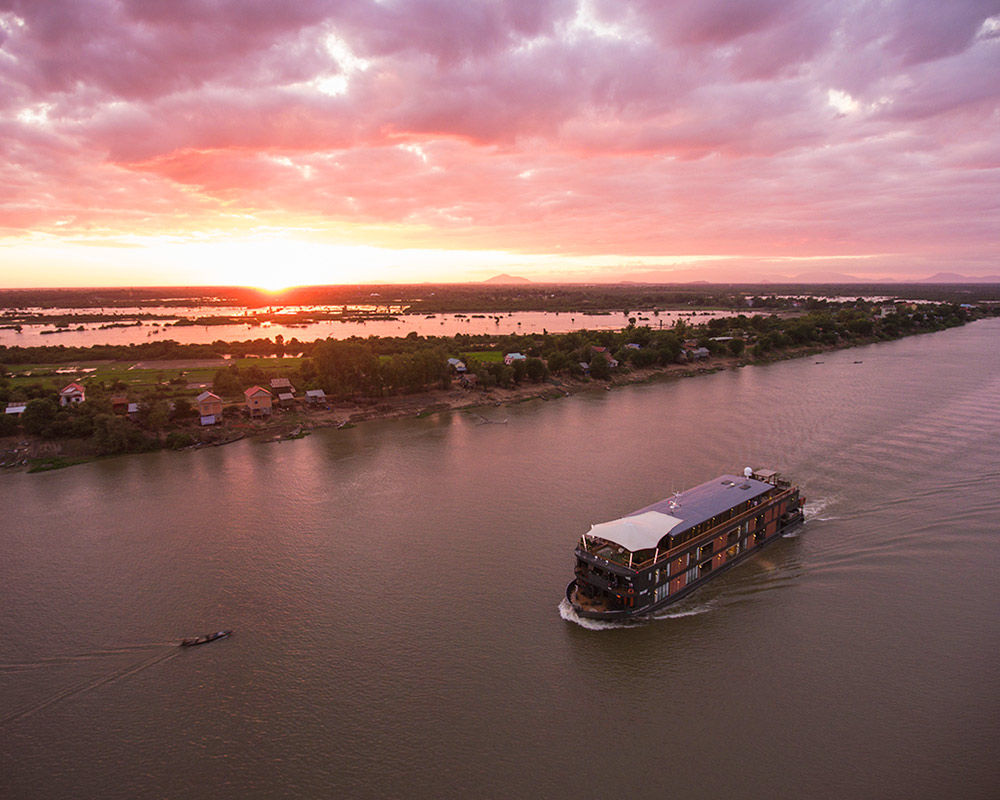
If you’re looking for a different way to explore Southeast Asia, a Mekong River cruise offers something you won’t get from hopping between cities by plane or bus.
Instead of rushing from highlight to highlight, you travel slowly along one of Asia’s most important waterways, watching daily life unfold along the riverbanks.
Flowing through multiple countries, the Mekong River has shaped life in Vietnam and Cambodia for centuries. A river cruise lets you experience floating markets, small villages, temples, farmland, and historic towns. For travelers who want cultural depth without constantly packing and unpacking, it’s a surprisingly relaxed and rewarding way to see this part of the world.
In this guide, I’ll walk you through what a Mekong River cruise actually looks like, what you’ll see along the way, when to go, and how to choose the right cruise for your travel style.
Going on a Mekong River Cruise
1. What Is a Mekong River Cruise (and Why It’s Different)

A Mekong River cruise is exactly what it sounds like: a multi-day journey along the Mekong River, usually between southern Vietnam and Cambodia.
Most itineraries run between Ho Chi Minh City (Saigon) and Siem Reap, the gateway to Angkor Wat, and routes can go in either direction.
What makes cruising the Mekong special is the pace. Instead of covering long distances in a short time, you move gradually through rural landscapes, river channels, and towns that are closely tied to the river. Villages, markets, and temples appear naturally along the way, rather than as isolated “attractions.”
Because everything is organized (transport, accommodation, meals, and guided excursions) it’s also a very approachable way to explore Vietnam and Cambodia, especially if you’re visiting Southeast Asia for the first time.
2. Typical Mekong River Cruise Routes and Stops
While itineraries vary slightly depending on the operator and season, most Mekong River cruises follow a similar route.
Vietnam: The Mekong Delta
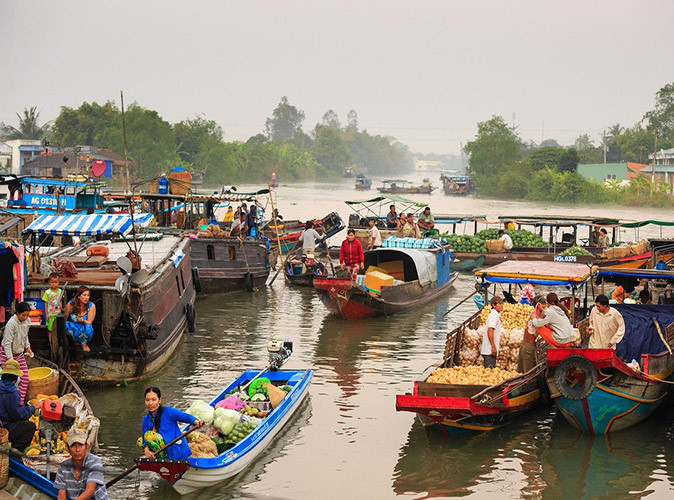
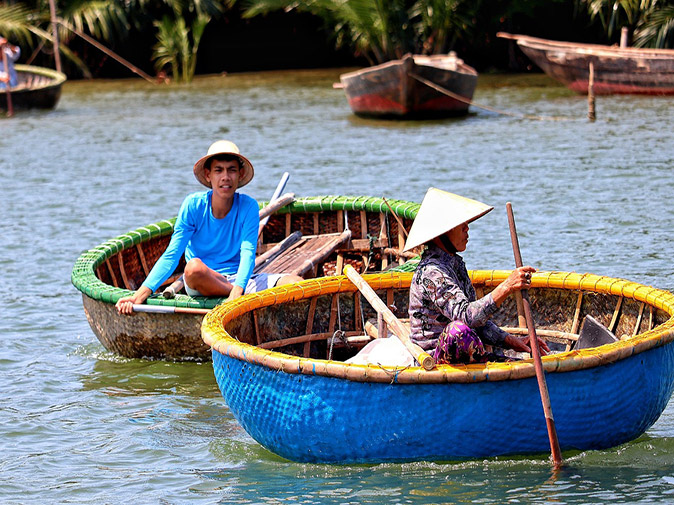
Cruises often begin in or near Ho Chi Minh City, before heading into the Mekong Delta. This region is a maze of waterways, rice paddies, floating markets, and riverside villages.
Stops typically include:
- Floating markets where traders sell produce directly from boats
- Small canals and side rivers that larger boats can’t reach
- Visits to local homes, workshops, or temples
This part of the journey offers a fascinating look at rural Vietnamese life, far removed from the buzz of the cities.
Cambodia: Phnom Penh and Beyond
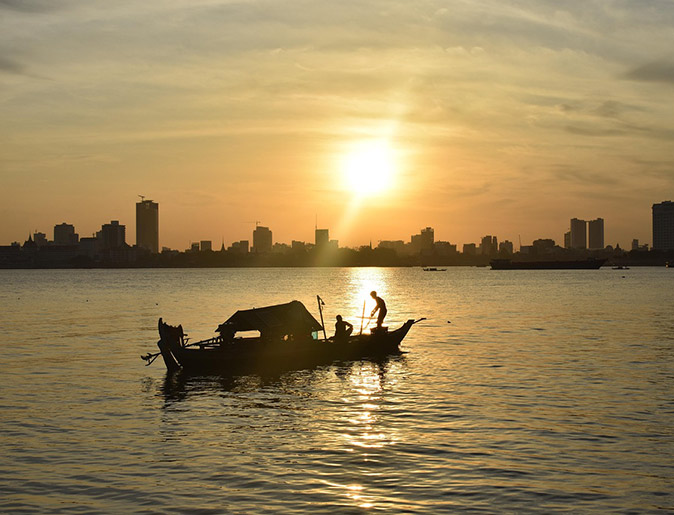
After crossing the border into Cambodia, many cruises stop in Phnom Penh. Here, excursions often include:
- The Royal Palace and Silver Pagoda
- Historical sites related to Cambodia’s more recent past
- Local markets and riverfront areas
From Phnom Penh, the river continues north toward Tonle Sap Lake, with stops at smaller towns and villages where daily life still revolves around fishing, farming, and river trade.
Siem Reap and Angkor Wat
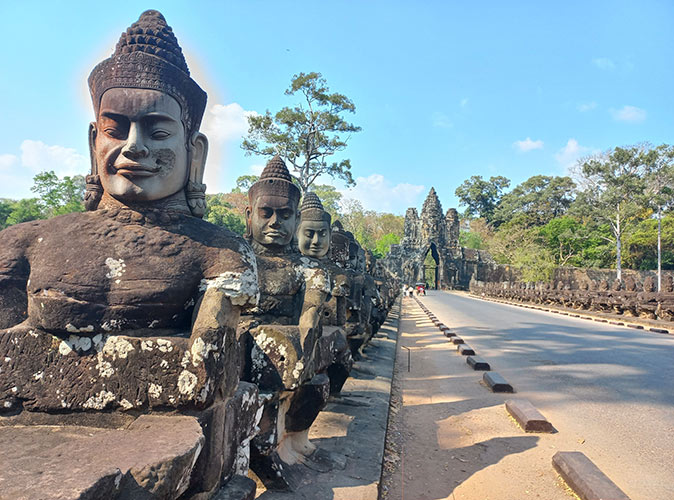
Many cruises end near Siem Reap, making it easy to combine your river journey with a visit to Angkor Wat, which I’d highly recommend. Some itineraries include Tonle Sap Lake crossings, depending on water levels and season.
3. What You’ll Experience on Shore
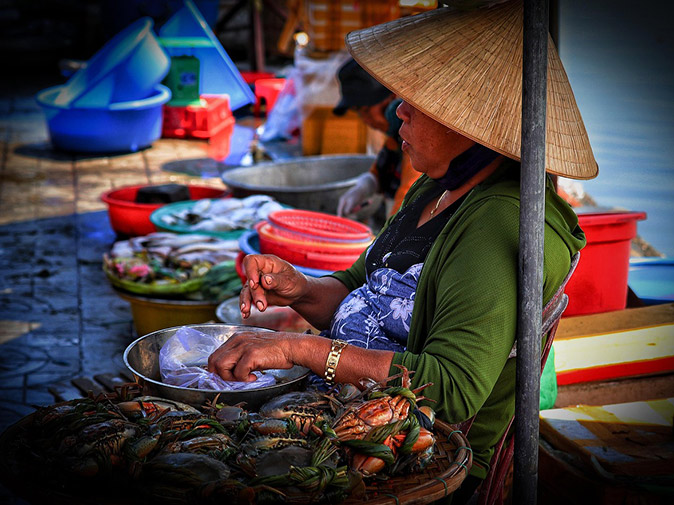
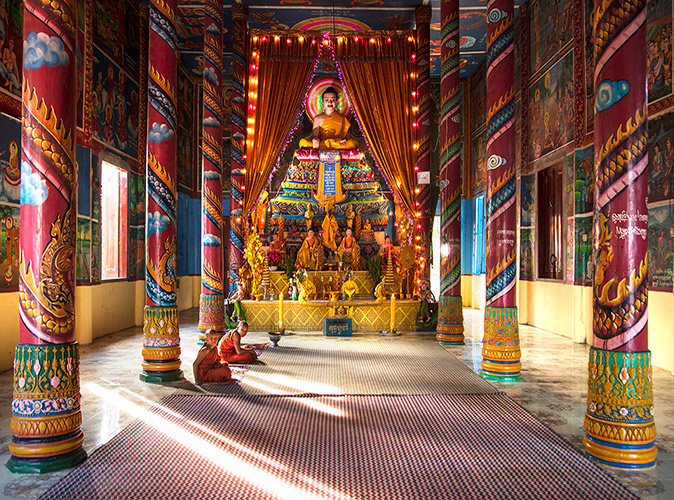
Daily excursions are a big part of any Mekong River cruise, but they’re usually gentle and well-paced. Think short walks, village visits, and cultural experiences rather than long, exhausting sightseeing days.
You might visit:
- Traditional villages where families live and work along the river
- Artisan workshops producing silk, pottery, or handicrafts
- Buddhist temples and pagodas
- Local markets filled with regional produce and street food
Because excursions are guided, you get context and explanations that make these visits more meaningful. It’s not just about seeing places, but understanding how life along the Mekong works.
4. Life Onboard: What a Mekong River Cruise Is Like
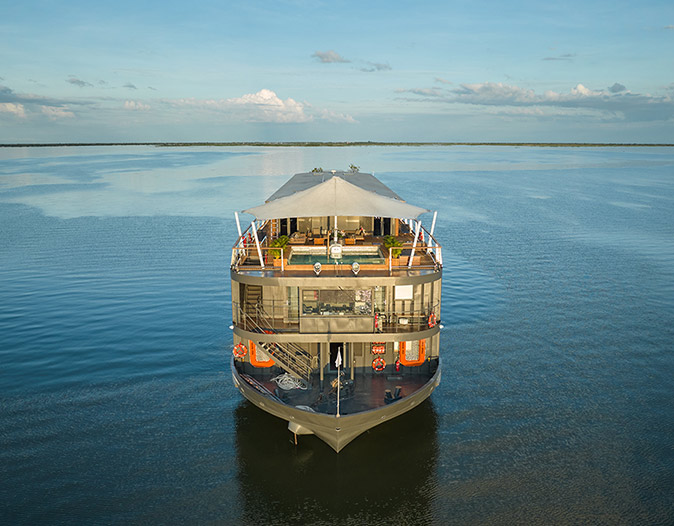
Onboard life is calm and comfortable, designed to balance exploration with downtime. Cabins are usually well-appointed, and shared spaces like lounges and sun decks make it easy to relax or socialize.
A typical day will look something like this:
- Breakfast onboard while sailing through scenic river stretches
- Morning excursion to a village or market
- Lunch onboard
- Afternoon excursion or cultural activity
- Dinner followed by a short briefing about the next day
Meals often feature regional dishes alongside international options, giving you a taste of local flavors without being overwhelming.
Note: While wifi is sometimes available, connectivity can be limited in remote areas.
5. Choosing a Mekong River Cruise: Operators and Styles
There are several companies offering Mekong River cruises, ranging from boutique luxury experiences to more traditional river journeys. The main differences usually come down to ship size, onboard comfort, itinerary focus, and price point.
One well-known option is Aqua Expeditions, which offers luxury Mekong River cruises focused on comfort, design, and immersive cultural experiences. Their itineraries cover key highlights in both Vietnam and Cambodia, with guided excursions and refined onboard service.
6. Best Time of Year to Cruise the Mekong
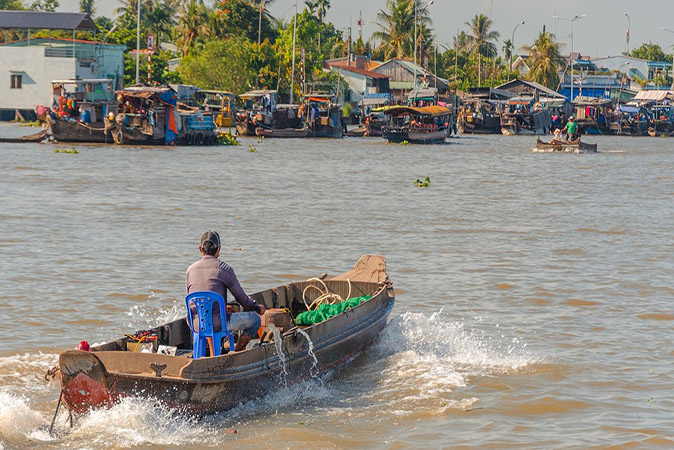
The Mekong River can be cruised year-round, but seasons do make a difference.
Dry Season (November to February)
This is the most popular time to go. You’ll find:
- More stable weather
- Lower humidity
- Easier conditions for excursions
Wet Season (May to October)
During the rainy season, the landscape becomes lush and green, and higher water levels can allow access to smaller waterways. However, rain showers and humidity are more common.
Each season has its appeal, so the “best” time really depends on whether you prioritize weather comfort or scenery.
7. Practical Planning Tips: Visas, Packing, and Logistics
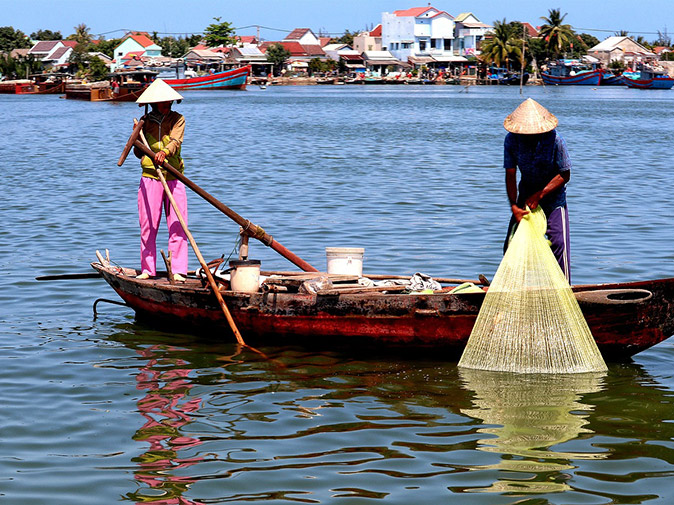
Because Mekong River cruises typically cross borders, it’s important to plan ahead.
- Visas: Depending on your nationality and how long you plan to stay in each country, you may need to apply for a visa, which for most nationalities, is a simple online process. Cruise operators usually provide guidance, but it’s your responsibility to check current requirements.
- What to Pack: Lightweight clothing, comfortable walking shoes, sun protection, and modest attire for temple visits.
- Health & Comfort: Bring insect repellent and any personal medications, as they may be difficult to find especially in the more rural parts of Vietnam and Cambodia. And of course, make sure you have suitable travel insurance.
Many cruises include transfers and assistance with logistics, which takes a lot of stress out of the experience.
8. Who a Mekong River Cruise Is Best For
A Mekong River cruise is ideal for travelers who:
- Enjoy cultural experiences and slow travel
- Want to see rural Vietnam and Cambodia without complicated logistics
- Prefer comfort and structure while still experiencing local life
It’s less suited to travelers looking for nightlife, adventure sports, or ultra-budget travel, but for many, that’s exactly the appeal.
Is a Mekong River Cruise Worth It?
If you want to experience Vietnam and Cambodia beyond the usual tourist trail, a Mekong River cruise offers a unique perspective. The combination of gentle travel, cultural immersion, and ever-changing scenery makes it a very rewarding way to explore this region.
It gives you the time and space to observe, learn, and truly experience life along the river, and that’s what makes cruising the Mekong so special.
Also Read:
- Why You Should Go on a Cruise at Least Once in Your Life
- 2 Days in Da Nang, Vietnam – A Practical Guide
- Bucket List Destinations for a Once-in-a-Lifetime Trip (Including Vietnam)
- The Best Honeymoon Destinations in Asia (Including Cambodia & Vietnam)