
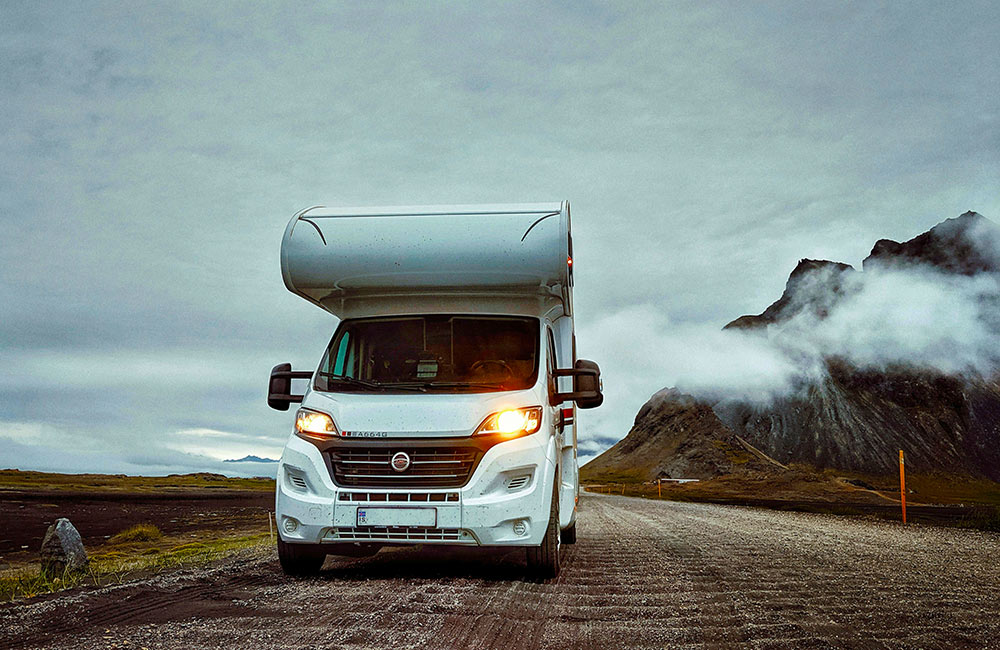
RVing in Iceland is an incredible way to explore the country’s breathtaking landscapes at your own pace.
From dramatic fjords to steaming hot springs, having a campervan gives you the freedom to chase the best weather, avoid the crowds, and wake up to stunning views.
But Iceland’s nature is fragile, and with the growing popularity of van life, it’s more important than ever to travel responsibly.
Whether you’re renting an RV or bringing your own, here are my top tips for making the most of your campervan trip while keeping your impact to a minimum.
Iceland by Campervan: What You Need to Know
1. Plan Your Route (But Stay Flexible)

Iceland’s roads can be unpredictable.
The famous Ring Road (Route 1) takes you around the whole island, but some of the best spots require detours.
Before setting off, check road conditions (via road.is), and keep in mind that F-roads (mountain roads) require a 4×4.
That said, part of the joy of RVing in Iceland is the freedom to change plans on the fly—whether that’s staying an extra night somewhere spectacular or avoiding bad weather in another region.
Just be sure to always park and camp in designated areas (wild camping with a campervan is not allowed, but I’ll talk more about regulations later).
2. Choose a Sustainable Campervan Rental
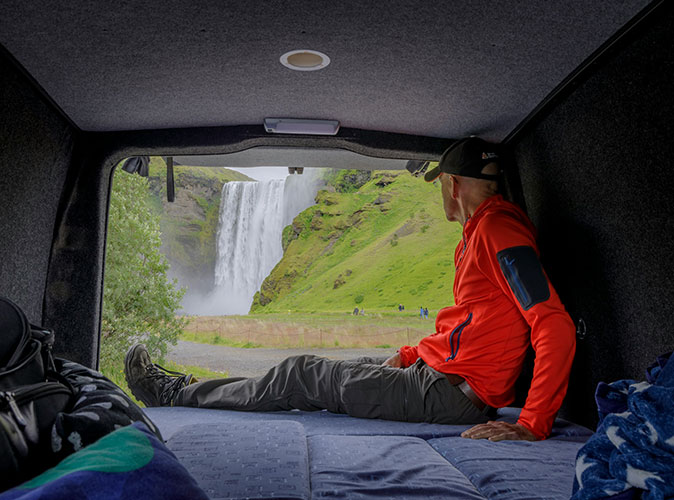
If you’re renting a campervan, look for companies that prioritize sustainability.
Some offer fuel-efficient vehicles and offset carbon emissions. Or look for electric options, which are ideal given the country’s reliance on renewable energy.
Bringing your own RV? Consider installing solar panels before your trip to make your setup more self-sufficient.
3. Respect Nature & Stick to Marked Roads
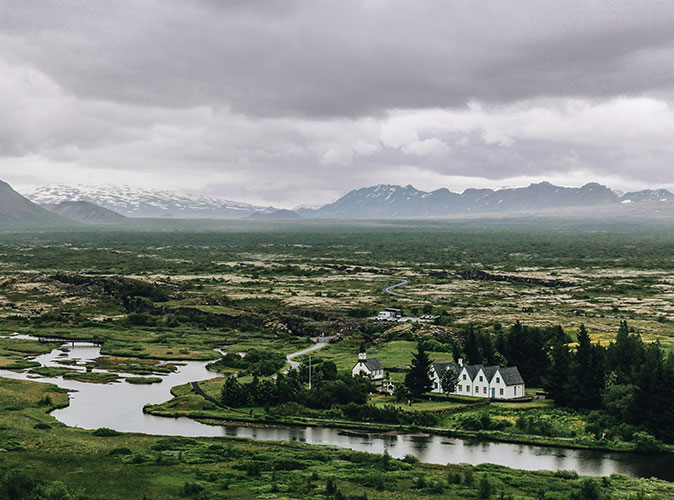
Driving off-road is strictly illegal in Iceland—and for good reason.
The country’s moss-covered lava fields and delicate tundra can take decades to recover from damage. Stay on designated roads and trails, and if you want to explore the highlands, rent a proper 4×4.
4. Where to Camp: Best RV-Friendly Campgrounds
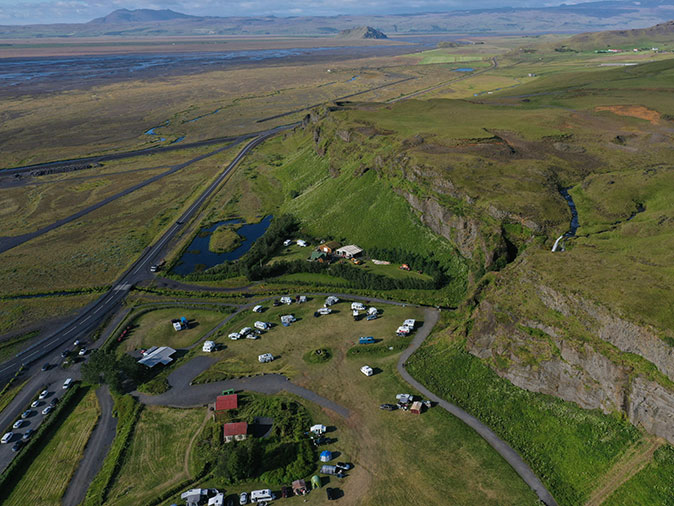
Unlike some countries, Iceland doesn’t allow RVers to just pull over and sleep anywhere.
Luckily, there are plenty of fantastic campgrounds with great facilities. Some of my favorites:
- Reykjavík Eco Campsite – Perfect for a night before or after your trip, with excellent sustainability initiatives.
- Skaftafell Camping – Inside Vatnajökull National Park, ideal for hikers and nature lovers.
- Thingvellir Campground – A great base to explore the Golden Circle, with stunning lake views.
- Ásbyrgi Campground – Located in a horseshoe-shaped canyon in North Iceland, perfect for those heading off the beaten path.
How to Find Campsites
Here are a few resources to help you find the best campsites:
- Google Maps & Park4Night App – Great for checking campsite locations and reviews.
- The Iceland Camping Card – Covers multiple campsites for a one-time fee (good for long-term stays). This is the official website for the Camping Card.
- Local Tourist Information Centers – Staff can point you to the nearest campsite.
5. Reduce Waste & Use Eco-Friendly Products
Iceland has some of the cleanest water in the world, so don’t waste money (or plastic) on bottled water! Bring a reusable bottle and refill it straight from the tap.
When it comes to toiletries, opt for biodegradable soap and shampoo to avoid contaminating Iceland’s pristine water sources.
Avoid excess packaging by shopping at local farmers’ markets and bringing reusable bags and containers for groceries.
6. Be Smart About Food & Cooking
Grocery stores like Bónus and Krónan are your best bet for affordable food, but if you want to support local businesses, try stopping at farm stands or small bakeries along the way.
Icelandic lamb, fresh fish, and Skyr (a protein-rich yogurt) are worth trying!
To cut down on waste, plan meals in advance, cook in batches, and store leftovers in reusable containers.
If you have a propane stove, use it efficiently, and if you’re lucky enough to have a solar-powered setup, even better.
Also Read: Iceland on a Budget – How to Save Money in Iceland
7. Watch the Weather & Be Prepared
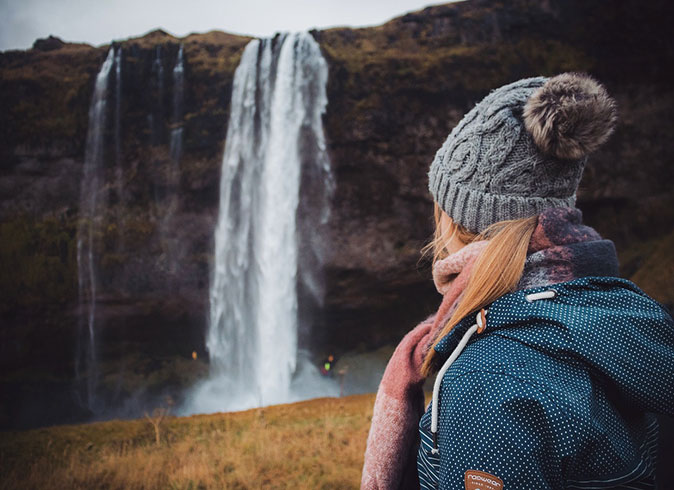
Icelandic weather is a law unto itself—unpredictable, ever-changing, and often extreme. No matter what time of year you visit, you need to be ready for anything.
Check the Forecast Regularly
Before you hit the road each day, check the weather on vedur.is. The forecast can change rapidly, and conditions that seem fine one minute can turn dangerous the next.
Iceland’s weather isn’t just a nuisance; it can impact your safety, especially in more remote areas.
Dress in Layers
The best advice I can give is to always dress in layers—think moisture-wicking base layers, an insulating layer, and a waterproof outer layer.
Even in summer, temperatures can hover around 10°C (50°F), and the wind chill can make it feel colder.
And, as for wind, it’s strong enough to blow you off course, so always be prepared.
Watch Out for Extreme Winds and Heavy Rain
The wind in Iceland can reach 40 mph or more at times, even during the summer months.
RV drivers should be especially cautious—high winds can make driving tricky, especially in exposed areas.
Also, heavy rain is common, so make sure your camper van is weatherproof, and always have a plan to stay inside if conditions get too severe.
Daylight: Midnight Sun vs. Long Nights
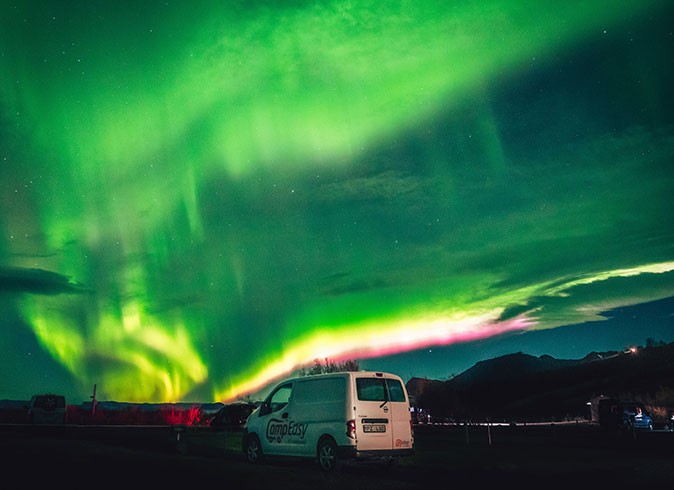
The amount of daylight you get depends on the season.
In the summer, Iceland experiences 24-hour daylight (hello, midnight sun!)—great for exploring, but also challenging for getting a full night’s sleep. In winter, daylight is limited, with only a few hours of light each day, but the northern lights make it all worth it.
Be ready for whatever the weather throws your way, and you’ll be able to enjoy the magic of Iceland, no matter what the sky’s doing!
8. Drive Carefully & Know the Rules
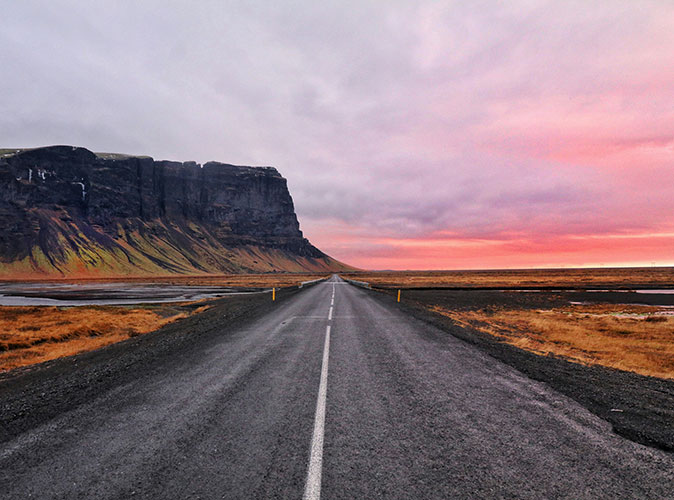
Sheep on the road, single-lane bridges, sudden storms—driving in Iceland isn’t like cruising down a highway back home.
Speed limits are strictly enforced, and many roads are gravel, so take it slow.
If you’re new to RVing, practice maneuvering your vehicle before hitting the road.
Also Read: Tips for Driving Abroad for the First Time
9. Give Back & Travel Responsibly
If you want to go the extra mile in sustainability, consider joining a local cleanup initiative. Some organizations, like the Icelandic Environment Association, run volunteer programs to help keep Iceland’s landscapes pristine.
At the very least, follow the golden rule: leave every place better than you found it. Pick up trash if you see it, be mindful of noise levels, and respect local communities.
Camping Regulations in Iceland – What You Need to Know
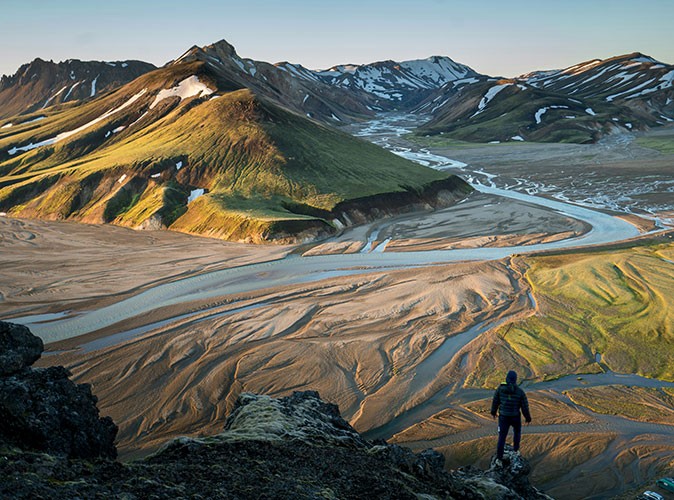
If you’re planning to camp in Iceland, there’s one rule you need to know right away: wild camping is no longer allowed unless you have explicit permission from the landowner.
This means no pulling over just anywhere and setting up for the night—not even in the middle of nowhere. Iceland’s landscapes may look wild and empty, but they’re fragile and often on private or protected land.
Instead, you must stay at designated campsites. The good news? There are plenty of them, and they range from basic, budget-friendly spots to campgrounds with full facilities, including showers, kitchens, and even hot tubs (because, well, Iceland).
Here are some key camping rules to keep in mind:
- Stay at Designated Campsites – Whether you’re in a tent or a campervan, you must use an official campsite. There are over 200 campsites across Iceland, so finding one isn’t difficult.
- No Off-Road Parking or Driving – Iceland’s ecosystem is incredibly fragile. Driving off marked roads can cause permanent damage, and it’s illegal. Stick to designated roads and parking areas.
- Respect Private Land – You can’t just camp on someone’s land unless you have written permission from the owner.
- Follow the Leave No Trace Principles – Take all your waste with you or dispose of it properly. Most campsites have recycling and waste disposal stations.
- Pay Campsite Fees – Most campsites charge a small fee (typically $10–$20 per person per night). Look into the Iceland Camping Card if you’re staying for more than 5 nights.
Fines and Enforcement
Iceland takes these rules seriously, and fines for illegal camping or off-road driving can be hefty—starting at around €400 and going up from there.
Rangers and locals do report offenders, so don’t risk it.
Final Thoughts About Exploring Iceland by Campervan
RVing in Iceland is an unforgettable experience, but it comes with a responsibility to protect the very nature that makes it so special.
With a bit of planning and a commitment to sustainable travel, you can enjoy an epic road trip while minimizing your impact.
Have you taken a campervan trip in Iceland? Drop your best tips in the comments below.
Also Read: