

Visiting Iceland on a budget, is that even possible?
Iceland is well known for being the land of the northern lights, volcanoes with extremely challenging names to pronounce (just try it – Eyjafjallajokull), plenty of sheep, and extremely high prices.
According to many, Iceland is one of the most expensive places to visit in the entire world.
The good news is though, that there are tips and tricks you can use to visit Iceland without spending a small fortune.
Use the tips below to make your trip to Iceland not only unforgettable but also affordable.
Iceland on a Budget: 8 Tips to Save Money in Iceland
1. Purchase Your Alcohol in the Duty-Free Stores
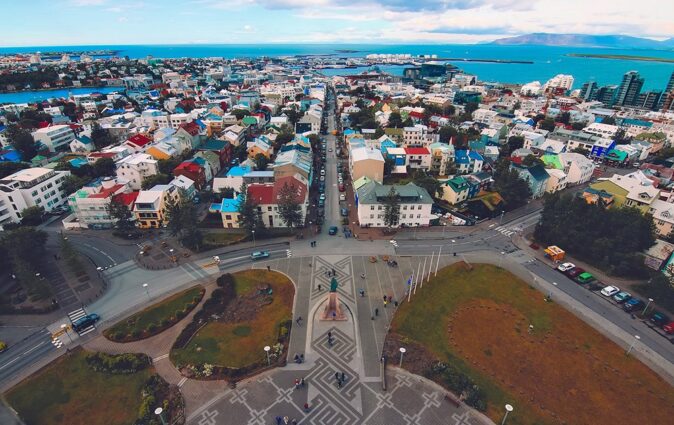
One of the most expensive things in Iceland is alcohol.
This means the first thing you need to think about when landing at the Keflavik Airport is how much you can carry. The best option is to stock up on what you will want to drink during your visit at the duty-free store.
Every person traveling to Iceland receives an alcohol allowance of six units. This means you can only purchase that many units of alcohol.
What’s good to know – you can consume this alcohol anywhere in Iceland, so there’s no need to hide alone in your hotel room.
Or, you could decide to stay away from alcohol altogether to save even more money during your trip to Iceland.
2. Consider Hitchhiking in Iceland
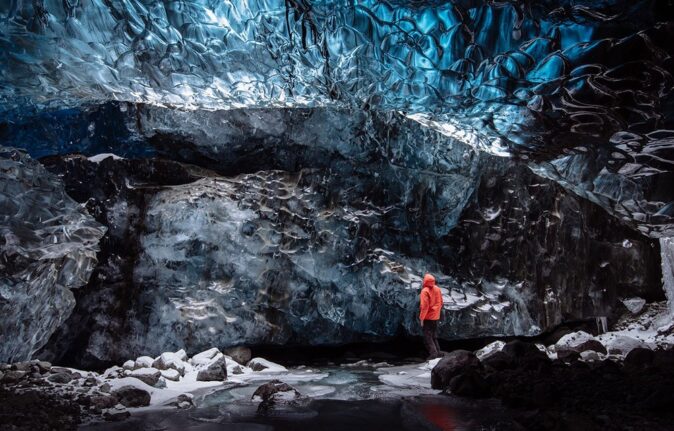
Most people who have visited Iceland will agree that it’s one of the safest and easiest countries in the world if you plan to hitchhike.
You can easily find rides all over the country. This is especially easy in the southernmost part of Iceland.
One of the best ways to find a ride is by asking around at hotels. Most people are going to be driving the main ring road that circles the country, and there are only two ways you can go on it.
3. Avoid Shopping at 10-11
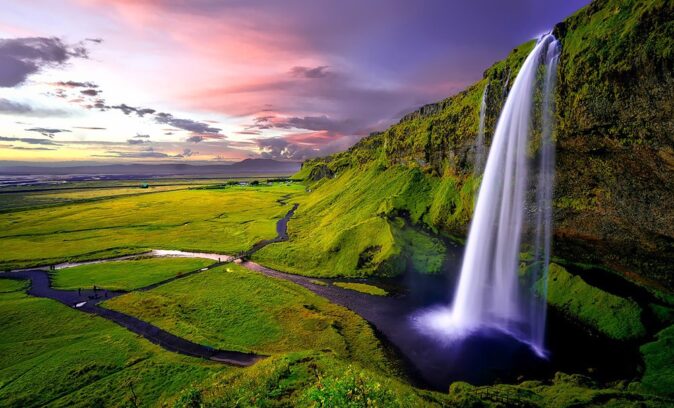
In Iceland, the most expensive grocery store is 10-11.
If you shop there, it will add about 50 percent to your grocery bill compared to lower-priced stores such as Kronan, Bonus, and Netto.
So if you want to know how to save money in Iceland, one of the easiest things to do is just avoid the 10-11 stores!
4. Bring Your Own Water Bottle
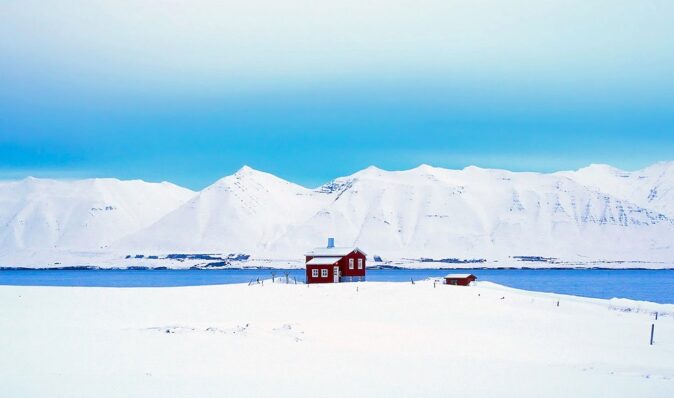
Iceland’s water is very clean and completely drinkable.
You will pay about $3 USD for a single bottle, which can get quite expensive if you are staying in Iceland for several days.
Instead, bring along a water bottle you can refill from the tap. This will save you quite a bit of money and is much better for the environment.
There’s absolutely no reason to purchase water while visiting Iceland.
Also Read: What is Ecotourism & How to Be a More Responsible Traveler
5. Eat Out for Lunch
One of the most expensive things you can do in Iceland is eating out.
In fact, it’s relatively easy to blow your entire travel budget just on food if you go to restaurant after restaurant.
If you want to enjoy all the Icelandic cuisine has to offer, without spending a small fortune, then eat out at lunchtime. This is when the dishes are still reasonably priced.
6. Consider Taking the Bus in Iceland
Especially if you are visiting Iceland during the summer months, there are many buses you can take. This will save you from having to hitchhike and will be the next most affordable option to get around Iceland.
During the winter however, many of the buses in Iceland don’t run. So keep this in mind when planning your visit.
How Do the Buses Work in Iceland?
There are various bus companies in Iceland, taking you to different parts of the country:
- Strætó, the public bus network in Iceland, operates buses that go all around the country. You can find their schedule on their website: Straeto.is. Strætó also has a useful app.
- The bus company SV-Aust operates in the East of Iceland. You can find information on their routes and schedules on: east.is.
- SBA-Norðurleið is a bus company operating in the North of Iceland. You can find information on their routes and schedules on their website: sba.is.
- Ísafjörður has a local bus system which connects all the towns and villages in the area, i.e., Ísafjörður, Suðureyri, Flateyri, Þingeyri, and Bolungarvík. You can find the bus schedules here: isafjordur.is.
- Trex bus company operates a highland bus going to Þórsmörk and Landmannalaugar in summer. You can find more details about their schedule here: trex.is/scheduled-bus.
If you have any specific questions regarding schedules and prices for different bus routes in Iceland, I recommend contacting the bus companies directly.
7. Use Public WiFi when Available
There is absolutely no reason for you to try and stream data through your provider. This is going to cost you high roaming charges.
A much better option during your trip to Iceland is to use the free, public WiFi.
In Iceland, you will find connections are available virtually everywhere, especially in Reykjavik.
If you do want internet while you’re on the go though, then I recommend getting an eSIM.
Also Read: Why You Should Use a VPN When Traveling
8. Connect with the Locals
The majority of Icelanders are both hospitable and compassionate people who will be very friendly and welcoming to visitors.
In fact, Iceland has been deemed the friendliest and most peaceful country in the world.
If you need help, or just want to find out more about the country, start a conversation with a local. They can likely provide you with some advice on fun and good things to do or cheap activities.
Accommodation in Iceland on a Budget
Finding cheap accommodation in Iceland might sound impossible, but there are real options if you plan ahead and pick the right style.
- Hostels & dorms: Shared dorm beds are the lowest cost, often around $30-60 USD/night if you go out of peak summer.
Also Read: The Pros & Cons of Staying in Hostels
- Guesthouses & budget rooms: If you prefer a private room (but still want to save), guesthouses or budget hotels typically land in the $90-140 USD/night range in many areas. I use Booking.com to find good deals on accommodation.
- Camping & camper-vans: One of the most wallet-friendly strategies. Campsites can cost as little as $10-20 USD/night, especially in non-tourist months.
Also Read: Tips for RVing in Iceland
- Location & season matter: Staying outside Reykjavík or in rural areas can dramatically reduce costs. And summer (June-Aug) is much more expensive.
- Book early. The more budget-friendly options tend to fill up the quickest.
- Money-saving tip: Choose accommodation with a kitchen or shared cooking facilities. Cooking your own meals saves big in a country where dining out adds up fast.
Free and Low-Cost Things to Do in Iceland
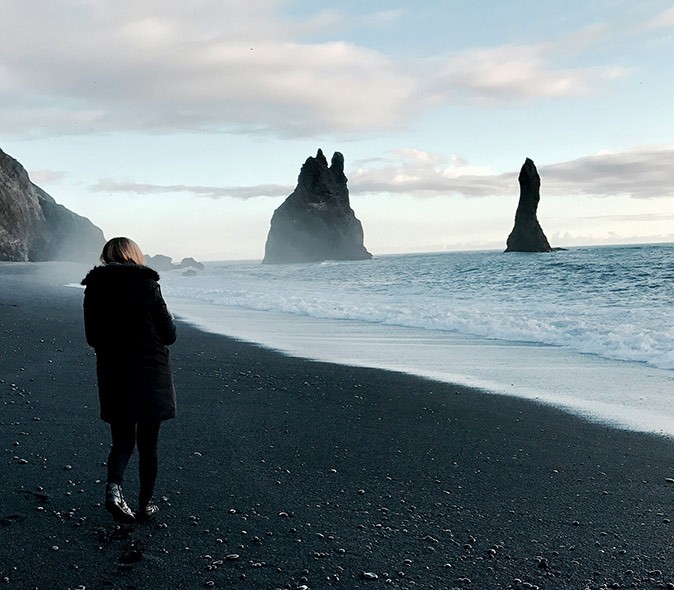
One of the biggest advantages of Iceland is how many breathtaking experiences cost little to nothing if you go for the natural, not the highly packaged tour.
- Explore waterfalls, beaches & hikes: For example, places like Seljalandsfoss, Skógafoss or the black-sand beach at Reynisfjara are free and go-any-time options. I use AllTrails for an overview of hiking trails.
- Geothermal hot springs off the beaten track: Skip the pricey options such as the famous, and crowded, Blue Lagoon. Instead, try natural pools that are a bit more off the beaten track and may require a bit of a hike. Some cost nothing beyond the walk. A good option is the Reykjadalur Hot Spring Thermal River.
- Walking around Reykjavík & public art: Many city attractions don’t cost entry: walk the harbour, admire public sculptures like the Sun Voyager, or explore street art.
- The Reykjavik City Card: a paid card, but it gives you access to museums, galleries, public pools and unlimited public transport.
Travel tip: Make time for spontaneous, low-cost experiences. Sometimes the best moments are unplanned and cost almost nothing.
Budget Breakdown: What to Expect to Spend in Iceland
Let’s get real with numbers so you can plan realistically for a budget-friendly trip to Iceland.
- For a budget-traveller (hostels/camping, self-catered food, public transport) expect around 100-150 US$ / day.
- For a mid-range style (guesthouse, some dining out, rental car) budget around 200-300 US$ / day.
- Accommodation tends to take up a large slice of the budget, often over 50%.
Example cost breakdown for one person (budget style):
- Accommodation (a hostel bed or a budget room split between two): ~50-70 US$ / night
- Food & groceries: ~30-40 US$ / day
- Transport: ~20-40 US$ / day (shared car, bus)
- Free or inexpensive activities: ~10-20 US$ / day
= Daily total: ~110-170 US$
What will bump up the cost:
- Summer season (June-August) when prices may increase by 30-50%.
- Renting a car alone or doing many paid tours.
- Dining out frequently or staying in Reykjavík center every night.
Visiting Iceland on a Budget Is Possible!
So, is traveling to Iceland expensive? Well, it simply isn’t a cheap country.
But, as you can see, there are steps you can take to make your trip to Iceland not only unforgettable but also affordable.
Be sure to keep the above tips in mind when planning your getaway to this stunningly beautiful country.
Also Read:
- How to Find the Cheapest Flights
- Practical Tips to Save Money When Traveling
- Traveling Iceland by Campervan: Everything You Need to Know
About Iceland
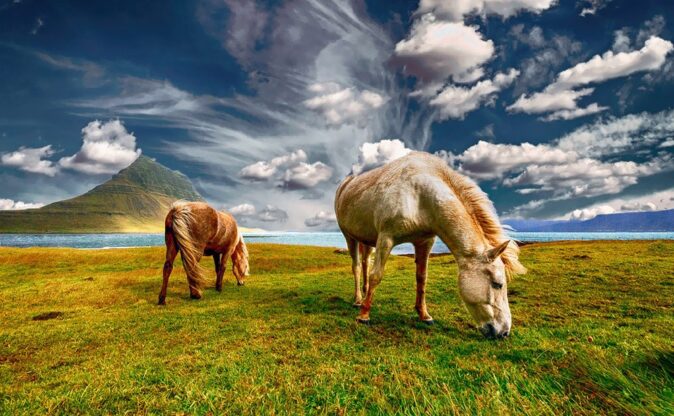
Iceland is a mountainous island nation located between Europe and North America. Although not part of the continental mainland, the country is one of the Nordic countries and part of Europe.
The name of the country may not be that appropriate: although 10% of Iceland is covered by glaciers, it has a surprisingly mild climate and countless geothermal hot-spots and hot springs.
Iceland is known as the Land of Fire and Ice.
The average temperature in winter is around 0°C (32°F), although the wind chill makes it feel a lot colder. The summers are cooler and more temperate than elsewhere at the same latitude, and the temperature rarely exceeds 20°C (68°F).
Iceland is a stunningly beautiful place if you enjoy strange and desolate landscapes.
The amount of daylight varies dramatically by season. The sun sets briefly each night in June, but it doesn’t get fully dark before it comes back up again. And if you visit Iceland in December, you will experience almost 20 hours of darkness a day.
Summer is generally the best time to visit Iceland. The midnight sun is a beautiful sight and one definitely not to be missed.
Early or late winter, however, can be a surprisingly good time to visit Iceland as well. Prices are lower than in high season, and the snow-blanketed landscape is stunning.
Some sites are, however, inaccessible in winter.
Two useful things to know before traveling to Iceland: Tipping isn’t done in Iceland, and driving off-road is illegal.
Enjoy your trip to Iceland!
And if you like Iceland you might also want to read my articles about Finland.
Also Read:
- If You Love the Outdoors & Breathtaking Views, Check Out These 10 Places in Switzerland
- How to Plan for the Laugavegur Trail in Iceland
Like this article about visiting Iceland on a budget? Pin it!
Disclaimer: This blog contains affiliate links. I may receive a commission for purchases made through these links, at no additional cost to you.