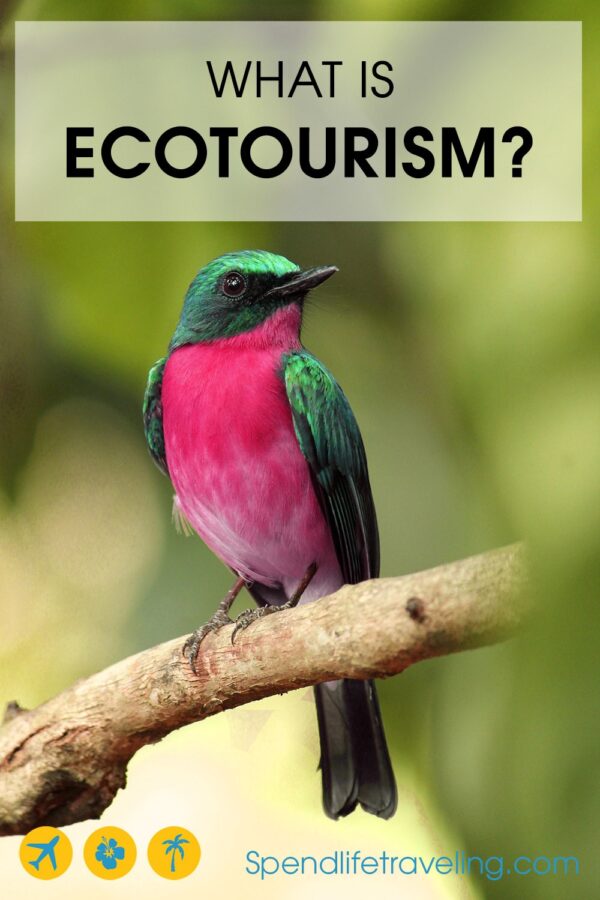

In simple words: Ecotourism is about responsible travel.
Ecotourism as a travel concept started to pop up in the late 1980s. Since then, sustainability has become a hot topic. And that, in turn, made ecotourism extremely popular all over the world.
What is Ecotourism
Ecotourism focuses on conservation, education, low-impact travel, and social and cultural participation.
As an ecotourist, you decide to travel in a way that shows respect to nature and does not contribute to its degradation.
Tip: the more we know about a place we are visiting, the more we want to respect and protect it. So read up on your next destination and find out how you can make your visit as sustainable as possible.
Protecting the environment is an important aspect of ecotourism. And so is understanding what the needs of the local people are so that your visit can help to improve their quality of life and preserve their culture and heritage.
Ecotourism is about minimizing impact, protecting biodiversity, building environmental awareness, and respecting local culture.
Tip: always talk to the locals. Listen to their stories, learn about their culture and don’t be afraid to ask them about their views on tourism. It might give you some useful insights into how to best contribute to their society.
Typically, the primary attractions for ecotourists are flora, fauna, and cultural heritage.
They are experiences that are ecologically, economically and socially sustainable. They contribute to the well-being and conservation of the natural areas and local communities.
Also Read: Why You Shouldn’t Buy Seashells or Take Them From the Beach
Definition of Ecotourism according to The International Ecotourism Society:
“Ecotourism is responsible travel to natural areas that conserves the environment, sustains the well-being of the local people, and involves interpretation and education.”
Definition of Ecotourism according to The World Tourism Organization:
“All nature-based forms of tourism in which the main motivation of the tourist is the observation and appreciation of nature as well as the traditional cultures prevailing in natural areas.”
Why Ecotourism?

Did you know that nearly 1 in 8 bird species, 1 in 4 mammals, and 1 in 5 plant species are at risk of extinction? The main culprits: habitat loss, climate change, and pollution. Coral reefs have also taken a massive hit, with up to 50% degradation worldwide.
It’s more important than ever to be aware of our environmental impact and make sustainable travel choices to help protect the planet.
Tourism is a huge part of the global economy, making up about 10% of the world’s GDP and supporting 1 in 10 jobs. But, it also accounts for around 8% of global greenhouse gas emissions, thanks to all the flights, cars, and hotels we use while traveling. This is a big reminder of why responsible travel is so important.
And especially in developing countries tourists can put intense pressure on natural resources.
Tip: Commuting is unavoidable when traveling, but there are ways to reduce your carbon footprint. Use public transport instead of rental cars and taxis, go on a guided walking tour, or cycle to explore the area.
Waste and sewage systems in developing countries are often ill-equipped to support large influxes of tourists, and so it litters the destination. Locals are pushed out of their homes and wildlife habitats disappear to make way for increased construction.
Yet tourism can also be used to protect the culture and environment. Most tourists want the local culture to be preserved and nature to be protected.
Local communities can benefit greatly from tourists. That is, if tourists respect the land and culture while spending money that ends up with the locals.
Also Read: How to Travel Off the Beaten Path
Unfortunately, there are many popular tourist attractions that are insensitive to the environment and animals. These places continue to make a lot of money because many travelers are unaware of the harm these attractions do.
Lesser known and more sustainable attractions may not be able to advertise or host a large number of guests at once. But they deserve the publicity and money to help them move forward. When you visit these places and tell others about the experience, you are helping to promote eco-friendly businesses and keep them in operation.
Tip: make sure not all your money goes to large, international corporations. Spending your money at a locally owned guesthouse, at the local market or at that cute family-owned restaurant will often benefit the local community much more than spending all your money at the five-star resort or large theme park.
Ecotourism Destinations
Three popular ecotourism destinations are Costa Rica, the Galapagos Islands, and Iceland.
But Kenya, Nepal, New Zealand, and Norway are also often mentioned as ecotourism destinations and this list is, thankfully, only getting longer and longer.
The Difference Between Ecotourism and Sustainable Tourism
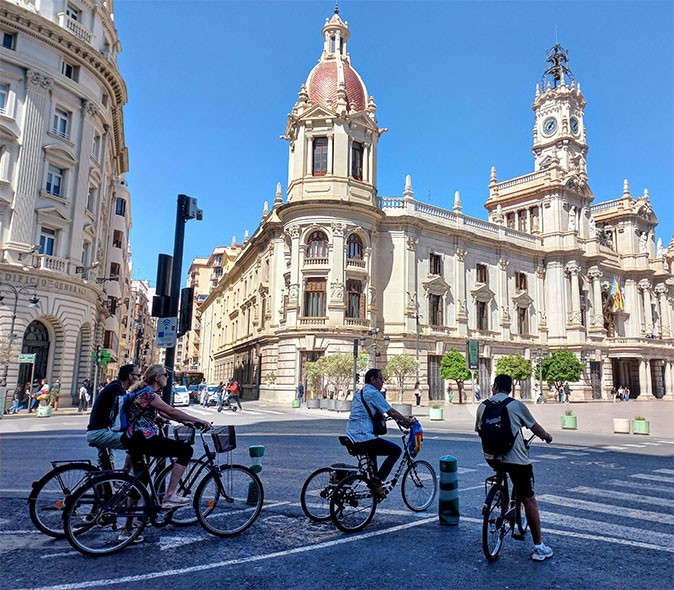
What is the difference between ecotourism and sustainable tourism?
The terms ecotourism and sustainable tourism are often used to describe the same concept.
But although sustainable tourism and ecotourism are similar and share many of the same principles, sustainable tourism is broader.
Sustainable tourism covers all types of travel and destinations, from luxury to backpacking and bustling cities to remote rainforests.
Ecotourism focuses more on ecological conservation and educating travelers on local environments and natural surroundings. Sustainable tourism focuses on travel that has minimal impact on the environment and local communities.
More recent terms include responsible tourism, green tourism, nature tourism, ethical tourism, mindful travel, conscious travel, and many others.
No matter what you call it, the ideas that these philosophies have in common are that the travel industry should adopt more environmentally friendly practices, protect the natural and cultural heritage of a destination, and support local communities.
Businesses sometimes use these terms dishonestly however, in an effort to appeal to a growing movement of conscientious travelers. These businesses may not have any environmentally or socially responsible policies in place.
If you want to make your trip more eco-friendly, do some research to make sure you choose the right businesses.
Also Read:
- Want to Protect Marine Life? Then Don’t Buy Seashells or Take Them From the Beach
- Volunteering Abroad: Why You Should or Shouldn’t Do It
- Eco-Friendly Things to Do in Valencia, Spain
Like this article about what ecotourism means? Pin it!