
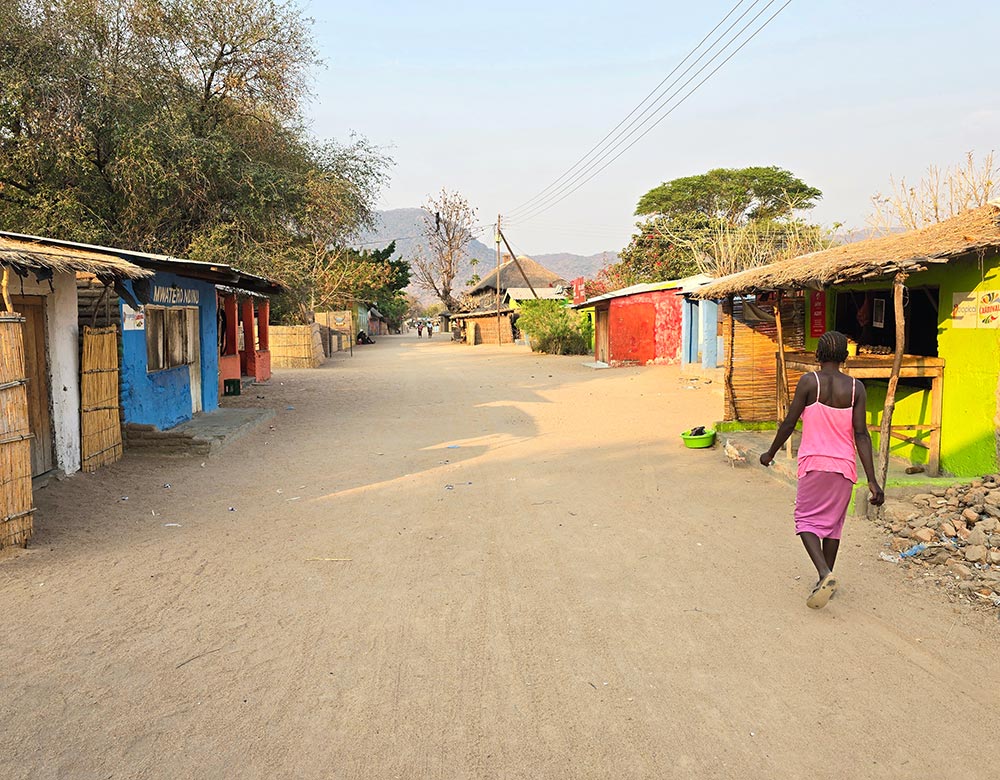
What is it like to move to and live in Malawi?
It’s a country in Africa many people won’t be able to point out on a map. But, I was lucky enough to visit Malawi for a volunteer project, and that is where I met Lea, who currently calls Malawi home.
In this article I am interviewing Lea to share more information about what Malawi is really like, and what it’s like to live here.
This interview is part of the Ask an Expat series. In this series I interview people living all over the world but outside of their country of birth. I try to help paint an honest picture of the ups and downs of living abroad, share tips for anyone thinking about moving abroad, and information about the place the expat now lives in.
Living in Malawi
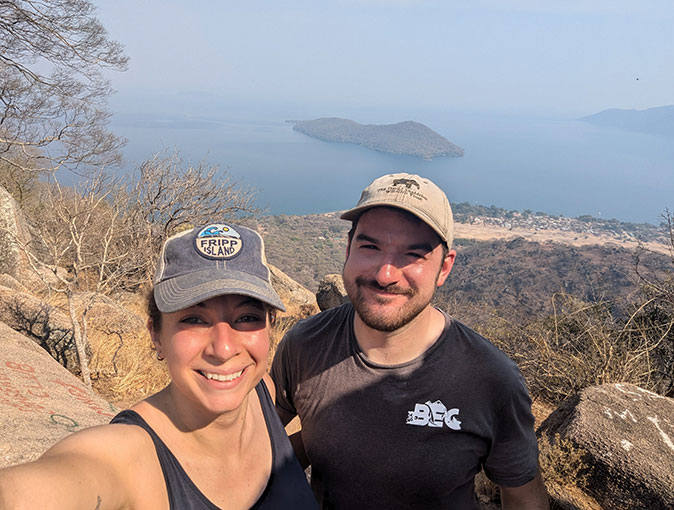
Name: Lea Stracquadanio
Age: 29
Hometown: Marlboro, New Jersey, USA
Her Story:
”I’m a wildlife biologist and I’ve spent the majority of my life living outside of the United States.
I grew up in Bermuda. Then I moved to Ireland for my undergraduate degree, and later to the UK where I completed a master’s and PhD and worked for a bit.
My background is in African mammal conservation and I’ve spent time working in Kenya, South Africa and Botswana – and now in Malawi.”
Why Did You Move to Malawi?
”I moved to Malawi for work, I’m working as the Head of Biodiversity Research at Lilongwe Wildlife Trust.
I’m based in Lilongwe, the capital of Malawi, but my work takes me to various parts of the country.”
What Do You Like About Malawi?
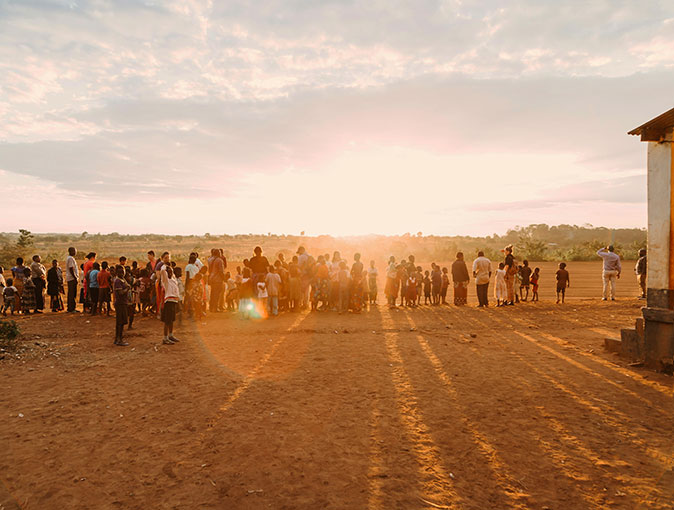
”The people are so welcoming! It’s one of the best things about living here. They call Malawi the ‘warm heart of Africa’ because Malawians are so friendly, and it’s completely true.
In terms of the city, Lilongwe has a lot to offer. There are quite a few nice restaurants and there are always a lot of events and socials happening. However often they aren’t so easy to find if you’re just Googling for things – you usually need to hear through word of mouth or check social media.
Malawians are a big fan of WhatsApp groups and there are specific groups just to notify people of events.
Malawi as a country is really beautiful. There are mountains, Lake Malawi, and many wildlife reserves with a big diversity of animals. All of this can be just a short drive from the city.”
What Do You Dislike About Malawi?
”You often have to expect the unexpected here.
Once or twice a week we’ll have power or water outages (usually not both at the same time) so you need to be prepared for that. You can get battery-backup systems set up so that you don’t completely lose power, and often WiFi routers here have their own battery-backup as well.
There are also fuel shortages sometimes which can really cause transport problems.
Things can run slowly here, which is something you’ll get used to but it can be frustrating at times. You just have to roll with it.
It can be difficult to find particular products you might need, especially if you want certain brands. Definitely plan to bring anything specific like that from home and restock when you visit home.
However, there are decent substitutes for most things. Just know that imported goods can be expensive in Malawi.”
Also Read: Things to Consider Before Moving to Another Country
Is Malawi Safe as a Place to Live?
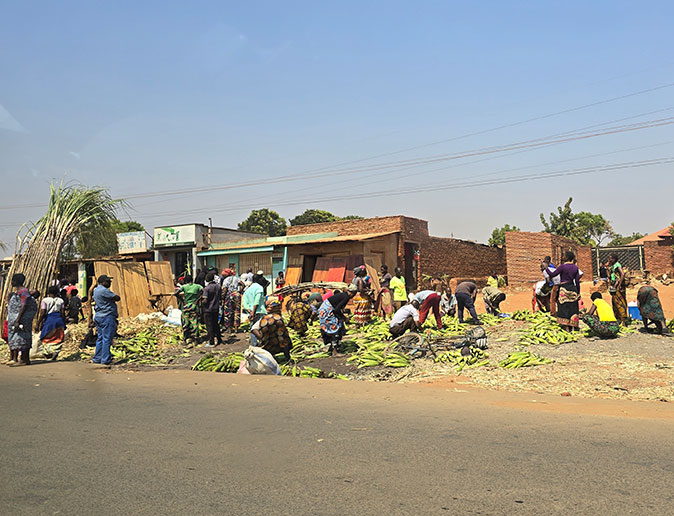
”Overall yes, Lilongwe isn’t much different to a city anywhere else. There can be petty crime but it’s rare.
Most homes have security systems or guards, some homes also have a panic button.
Lilongwe isn’t a very walkable city but I do often see people going for runs or walking their dogs during the day in the area I live in (Area 9). Though it’s not something I would do at night – I definitely recommend driving or getting a taxi if you’re going anywhere at night.
Throughout the rest of Malawi I feel very safe as well. I’ve found in other countries as a foreigner you can stand out and get stared at a lot and sometimes get harassed to buy things, but this doesn’t really happen much in Malawi – even in very rural areas.”
Is Malawi Expensive as a Place to Live?
”Overall it’s not an expensive place to live but this depends. The overall cost of bills (electric, WiFi, gas, water) and rent is low, depending on what you go for.
Petrol and diesel costs are only slightly cheaper than in the UK. Phone data is quite cheap though.
Food is the one thing I’ve found to be the most expensive – anything imported is very expensive. For example, I recently splurged on a jar of Lotus Biscoff spread as a treat and it cost me £10 / US$13 when in the UK it costs less than £3/$4.
However, local products can be very cheap. The country produces a lot of soy and peanut products, as well as fruits and vegetables. Anything from within Malawi is usually very reasonably priced.
Shoprite and Chipiku are the main reasonably priced supermarkets. There is also Food Lovers which is more pricey but has more specialized goods like gluten-free and vegan items.
Eating out costs only a little less than what I’d expect to pay in the UK (I was living in Brighton which is not an inexpensive place itself) but having drinks out is cheaper than in the UK. Of course, this depends on if you eat in Western-style restaurants or more local places.
I found gym memberships to be more expensive than I anticipated – about £20 a month. That may not sound like too much but salaries in Malawi are generally low so it’s all relative.”
What Is Your Favorite Thing to Do in Malawi?
”I love traveling to see new parts of the country.
There’s a lot to offer in terms of different reserves and parks, as well as Lake Malawi.
Within Lilongwe my favourite thing to do is go to Climb Malawi – a bouldering gym which aims to make climbing accessible to everyone.”
Any Recommendations for Places to Hang Out in Lilongwe?
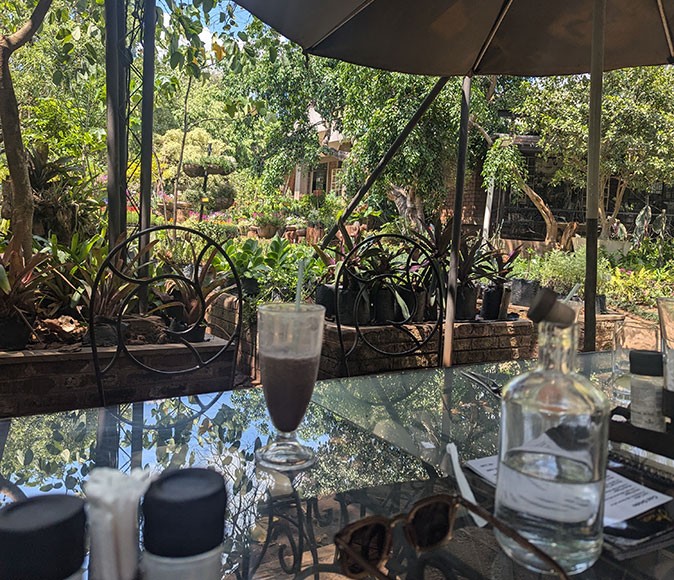
”There aren’t many public parks in Lilongwe but the wildlife center has some really nice walking trails.
In terms of restaurants, Woodlands and Mamma Mia are popular favorites. The Shack offers social volleyball every Saturday and anyone can join so it’s a popular place to hang out.”
What Is the Expat / International Community Like in Lilongwe?
”There’s quite a good-sized international community in Lilongwe because there are a lot of NGOs based there.
It’s a really welcoming community and there are a lot of events going on that include both foreigners and Malawians. It’s a small community so you often see the same people at different events.”
Any Tips for Moving to / Living in Malawi?
”Definitely bring some foreign currency with you such as dollars, euros, or pounds. Within Malawi we use Malawian kwacha but if you want to travel to Zambia or elsewhere for a weekend trip it’s easier to have other currency.
On another currency note, it’s really difficult to exchange kwacha for foreign currency and hard to send it out of the country so it’s something to be aware of if you’re getting paid in kwacha.
You basically need a car if you’re living in Lilongwe, otherwise you’ll be stuck getting taxis most places. You can drive on your foreign license for up to 90 days. After that, you’ll need an international driving permit. There are quite a lot of police checks and they will ask you for it.
The easiest and quickest way to get an international driving permit (IDP) is to apply for one online. If you’re still in the country that issued your driver’s license, the cheapest option is to apply for an IDP there in person, but it will take more time.
When traveling outside of Lilongwe, always carry your passport because the immigration police carry out spot checks.
Buying household items can be expensive so I’d recommend joining the buy/sell Facebook groups to find better deals. There are various Facebook groups so just type in ‘buy and sell Lilongwe’ or ‘buy and sell Malawi’ and they will pop up.”
Any Resources You Found Useful During the Process of Moving to and Building a New Life in Malawi?
”@lilongwe.events posts all kinds of events on Instagram, there is also a Groupie Whatsapp group for sharing events.
The steps for obtaining a visa in Malawi aren’t very clear online, but your employer should be able to apply for you directly.”
Is There Something You Just Have to See or Do When You Are in Malawi?
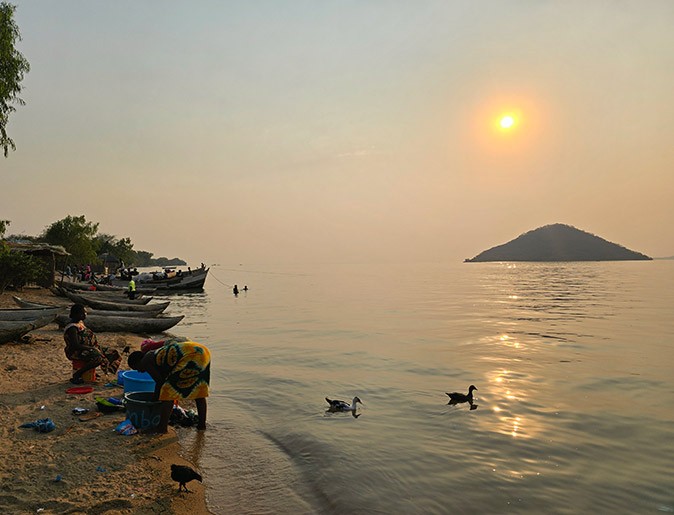
”Go spend a weekend at Lake Malawi!
Lake Malawi is one of Africa’s Great Lakes and a highlight for most visitors to Malawi. The lake is known for its crystal-clear waters, sandy beaches, and vibrant fish life—perfect for snorkeling, diving, or just relaxing by the shore. The lake stretches across nearly a third of the country.
One of the most popular places to stay on Lake Malawi is in the town of Cape Maclear.”
About Malawi, Africa
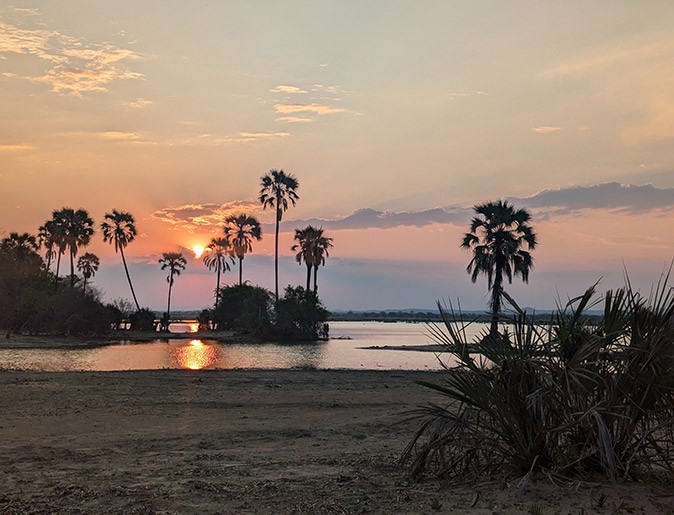
Malawi is called the ‘Warm Heart of Africa,’ because of its welcoming people.
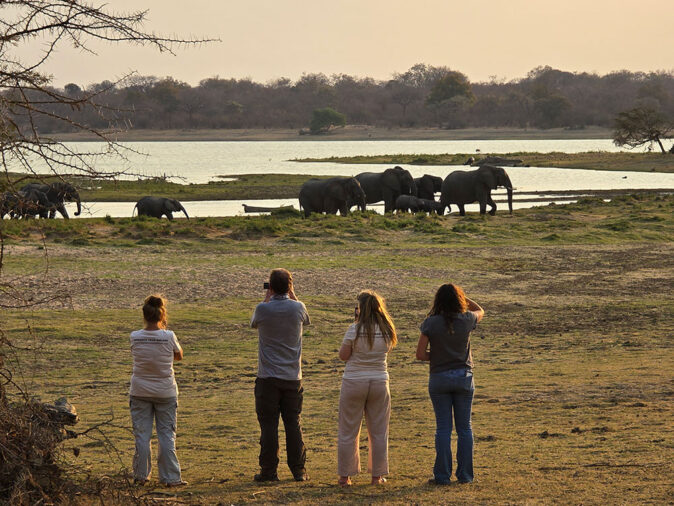
The country is home to several impressive nature reserves, such as Liwonde National Park and Majete Wildlife Reserve, where you can see a wide range of wildlife including elephants, hippos, and even lions and cheetahs.
With a population of around 22 million, Malawi’s economy is largely agrarian, though many NGOs operate here, focusing on everything from wildlife conservation to community development and healthcare.
Despite its natural beauty, Malawi faces challenges such as high poverty rates, limited healthcare infrastructure, and diseases like malaria and HIV.
Malawi’s main cities, Lilongwe (the capital) and Blantyre (its commercial hub), offer all the essential amenities you need and a mix of local and expat communities.
While resources may be more limited than in other countries, the warmth of the people and the strong sense of community can make it a unique and rewarding place to live and work.
Also Read:
- Checklist: Things to Do Before Moving Abroad
- Why Moving Abroad is Such a Valuable Experience
- Volunteering With Elephants & Other Wildlife in Malawi
- The Best Safari in Africa – 3 Things to Look For
This blog post about living in Malawi contains an affiliate link. I may receive a commission for purchases made through this link, at no additional cost to you.