
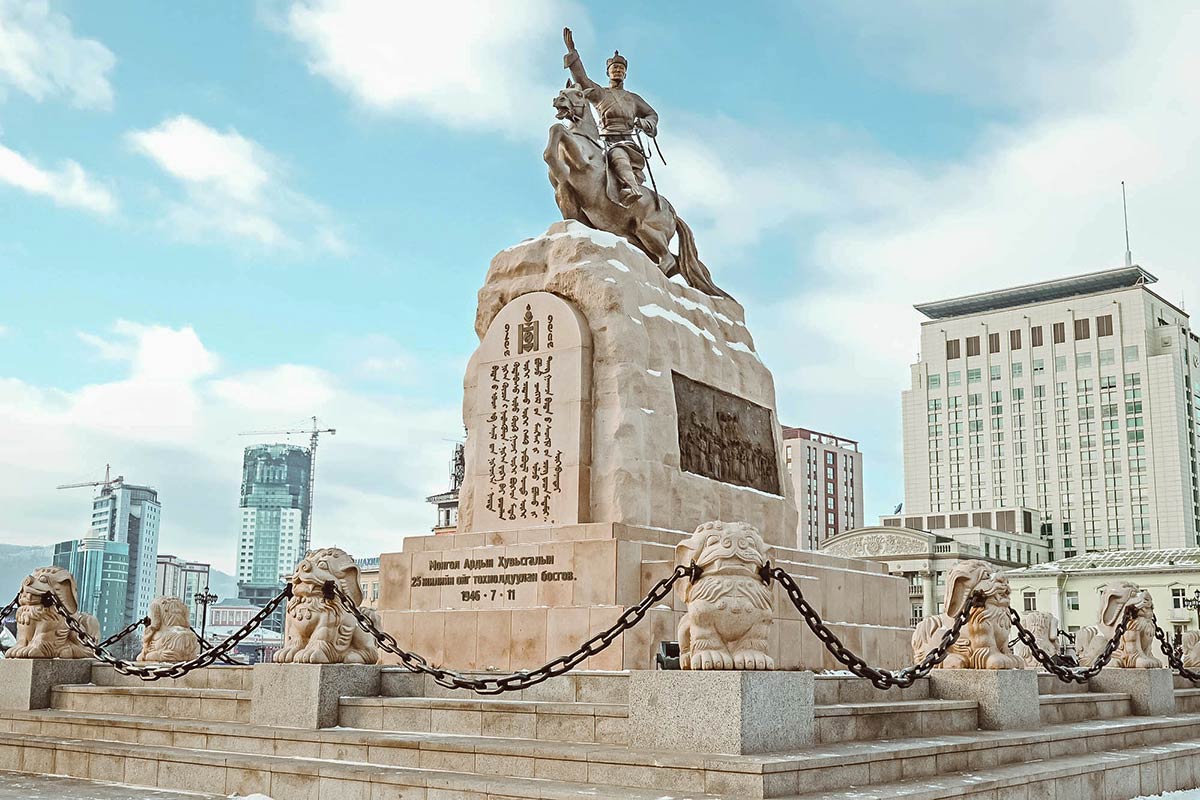
What is it like to move to and live in Mongolia?
Its capital, Ulaanbaatar, is where almost half of the country’s population lives and where most foreigners move to as well.
In this interview, Breanna shares her personal experiences and practical tips for moving to and living in Ulaanbaatar.
This interview is part of the Ask an Expat series. In this series, I interview people living all over the world but outside of their home country. I try to help paint an honest picture of the ups and downs of life abroad, share tips about moving to the place the expat now calls home, and information about what to see and do here.
Living in Ulaanbaatar, Mongolia

Name: Breanna Wilson
Age: 36
Hometown: Pittsburgh, PA (USA)
Her Story:
”As a travel journalist and photographer, my work has taken me around the world for the last 10 years, turning me into a modern-day digital nomad whether I liked it or not. And, after a while, I did not.
This happened to be about the time I visited Mongolia for the first time, taking on one of the most challenging journeys I could ever have imagined, embarking on a two-week trip to immerse myself with the country’s Tsaatan tribe, the last tribe in the world that rides reindeer.
One year later I would find myself returning to the country to ride a Ural across the Mini Gobi Desert before setting up home for the summer in Ulaanbaatar. The rest, as they say, is history.”
Why Did You Move to Ulaanbaatar?
”Ulaanbaatar is such an underrated city.
Once you scratch the surface it just gets better and better – there are so many things to do in Ulaanbaatar.
The city itself is by no means large, and it definitely isn’t for everyone, but for me, it was that perfect mix of wild and free meets badass and boujee.”
What Do You Like About Living in Ulaanbaatar?
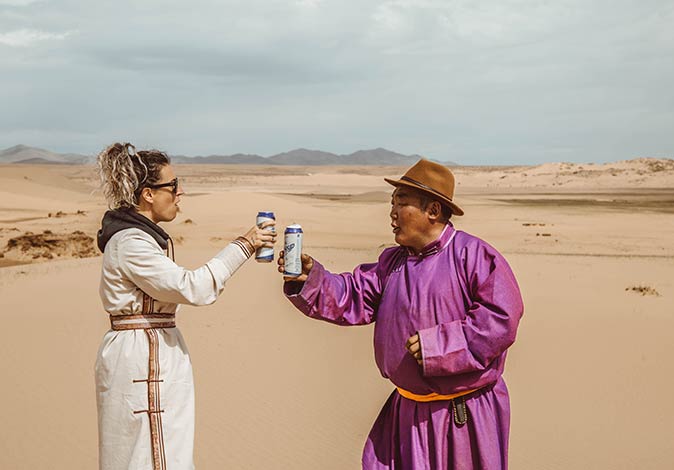
”The people.
I’ve made some fantastic friends since I moved to Ulaanbaatar.
It can be hard to make friends as an adult, especially with a busy work schedule, but there’s always something going on here, so there’s always a chance to catch up with people somewhere.
And, with the city being as small as it is, you’re always bound to run into someone you know.”
What Do You Dislike About Living in Ulaanbaatar?
”The traffic.
The city was not built for cars.
As a country where almost 25% of the population is still nomadic, Ulaanbaatar has changed and grown in such a drastic way over the last 10 years that the city’s infrastructure can’t keep up.
Luckily, the city is very walkable and is also becoming more motorcycle-friendly.”
Is Ulaanbaatar Safe as a Place to Live?
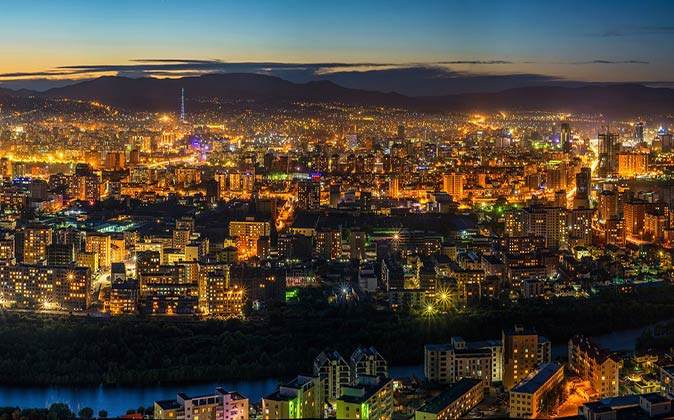
”Ulaanbaatar is like any city in the world. It has its parts you shouldn’t walk through alone at night, its busy nightclub alleyways, and its fair share of drinking and debauchery.
While I’ve seen my fair share of strange things here (same as I did in Los Angeles, New York, and Tbilisi) I’ve never had any real issues.
That being said, I don’t walk alone at night, and I tend to avoid areas where I know there is a lot of drinking going on.”
What Is Your Favorite Thing to Do in Ulaanbaatar?
”Where do I start!
The live jazz at Fat Cat Jazz Club is phenomenal. The food (and margarita pitchers) at La Rosa is always delicious. The cocktails at Bitsy & Co. are to die for.
Standup paddle boarding down the Tuul River is a recent favorite thing to do when I want to feel active, in addition to riding my motorcycle around town, or taking a day trip out to Terelj National Park, which I consider to be the best day trip from Ulaanbaatar.”
What Is Your Favorite Place to Hang Out in Ulaanbaatar?
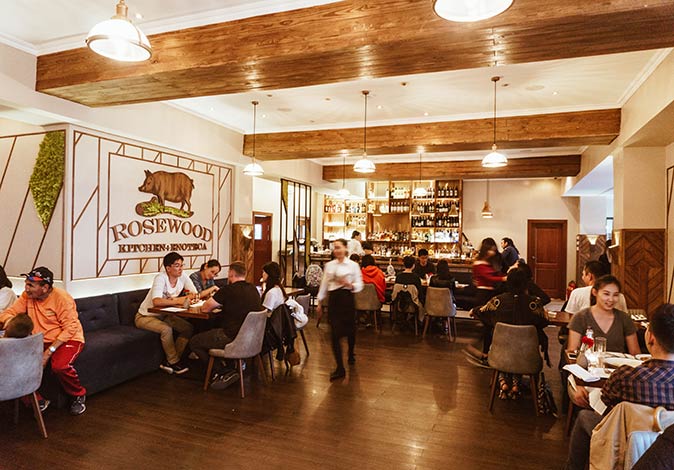
In no particular order, some of the best restaurants in Ulaanbaatar are: Fat Cat Jazz Club, Bitsy & Co. cocktail bar, Brussels Belgian Beer Cafe at the Shangri-La Mall, Jack’s Coffee (also known as Nitro B), Green Zone, Route 22, Rosewood Kitchen & Enoteca, Sakura Bakery, and Terrazza.”
What Is the Expat / International Community Like in Ulaanbaatar?
”Small but mighty.
There are a few international businesses and there is a large embassy community.
Expats tend to hang out at the same restaurants. You can be around or avoid the international community as much as you prefer on any given day.”
Any Tips for Moving To / Living in Ulaanbaatar?
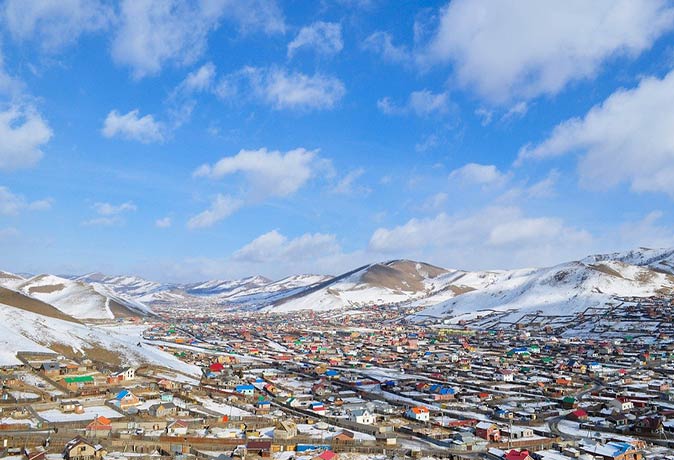
”Be warned, winters in Mongolia are very long and very brutal.
There’s a reason I leave the country from November to April.
If you plan to work in Mongolia, you’ll need a work visa which a company needs to sponsor you for. It’s best to get this before traveling to Mongolia, as finding a job locally as a foreigner is not always easy.”
Any Resources You Found Useful During the Process of Moving to and Building a New Life in Ulaanbaatar?
”When it comes to websites for living in Mongolia, there are very few.
So few, in fact, I started one to address that problem – Meanwhile in Mongolia.”
There are also a few Facebook Groups for expats in Mongolia, which are generally a good place to find information and ask any questions you may have about life in Mongolia.
To get an idea of the cost of living in Ulaanbaatar Numbeo.com is a good resource.”
Is There Something You Just Have to See or Do When You Are in Ulaanbaatar?
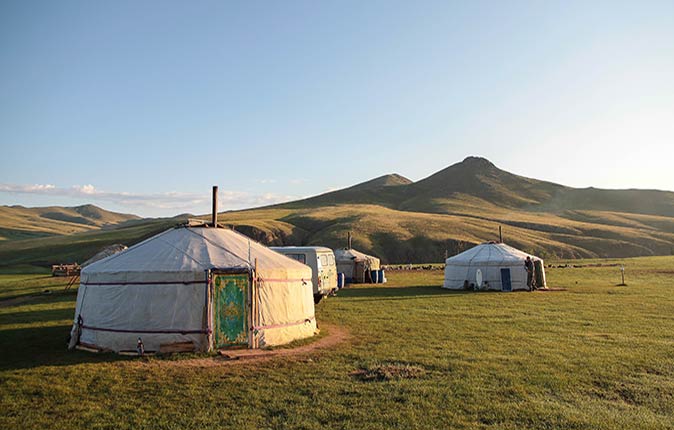
”Leave the city.
The city is great, but Mongolia is a huge, culturally-rich country.
Use UB (what expats call the city for short) as your home base but don’t be afraid to get into a car and drive yourself down to the Gobi Desert or dip your toes in Lake Khovsgol.”
About Breanna

Breanna Wilson is an American travel writer, trip designer, and adventurer who calls Ulaanbaatar, Mongolia home.
She’s a regular contributor to Forbes. When she’s not writing, you can find her building out her dream overlanding car, a Land Cruiser 78, or planning small group motorcycle and overlanding tours for solo female travelers in Mongolia.
If you’d like to follow along on Breanna’s adventures, you can find her on Instagram or read about her adventures across Mongolia on MeanwhileinMongolia.com.
About Ulaanbaatar, Mongolia

Ulaanbaatar, also known as Ulan Bator or UB, is the capital of Mongolia.
Almost half of Mongolia’s population lives in Ulaanbaatar.
But, with only around 1.7 million inhabitants it’s by no means a massive city. In fact, the city center is quite compact, making it easy to explore on foot.
Ulaanbaatar is notorious for hectic traffic and rude drivers, which might take some getting used to.
It is the country’s political, cultural, industrial, and financial heart and the center of Mongolia’s transport network, connected by rail to both the Chinese railway system and the Trans-Siberian Railway in Russia.
Originally founded as a nomadic Buddhist center in 1639, Ulaanbaatar was first named Ikh Khuree, which means “large circle” as the city was circular shaped.
After changing location in the central part of Mongolia more than 20 times, it eventually settled at its current location in the year 1778.
Modern-day Ulaanbaatar is a mix of Soviet architecture, ger settlements, Buddhist monasteries, and 21st-century high-rises.
The city holds the unique title of being the coldest capital city in the world.
The long winters lead to people burning large amounts of wood and fossil fuels to stay warm. This unfortunately has a negative effect on the air pollution in Ulaanbaatar.
Also Read:
- 6 Reasons Why Moving Abroad is a Valuable Experience
- How to Access Blocked Websites Abroad
- Things to Consider Before Moving to Another Country
Like this article about living in Mongolia? Pin it!
