
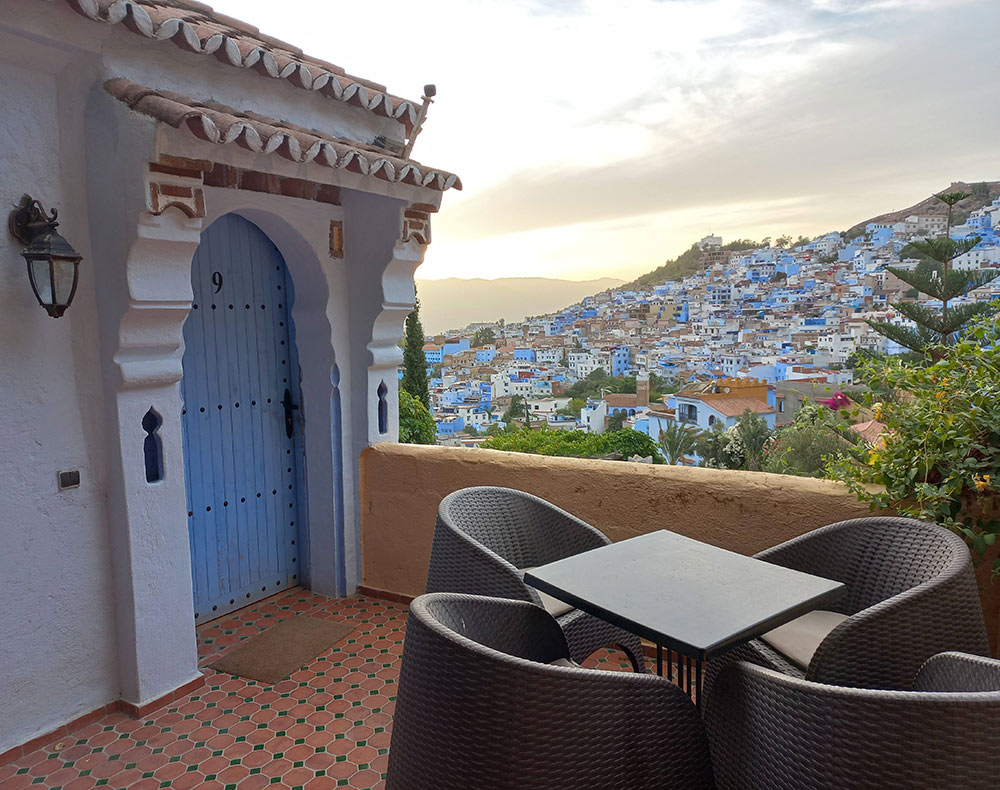
When people picture life in Morocco, they usually imagine colourful souks, the Sahara Desert, or sipping mint tea on a riad rooftop.
And while those things are definitely part of the story, living here day-to-day is a whole different adventure, and I speak from experience! Morocco has a rhythm of its own. Sometimes it’s chaotic, often surprising, and always unforgettable.
Here are ten things nobody really tells you about living in Morocco.
Things to Know About Living in Morocco
1. Everything Runs on ‘Moroccan Time’
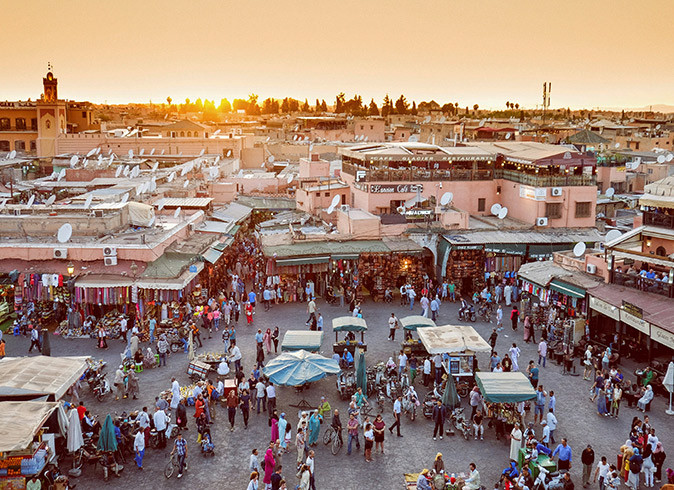
If you move to Morocco, you’ll quickly learn that schedules are more of a suggestion than a rule. Buses are often late, your internet installation may take weeks, and opening hours are vague.
I once bought a second-hand bike off Facebook Marketplace and agreed to meet the man at 8 am. After a lot of back-and-forth and promises to ‘be there soon’, I finally got my hands on the bike at 9 pm… the following evening.
It’s not laziness – it’s just a different approach to time. Things unfold when they’re meant to. Even bureaucracy follows its own rhythm: expect stamps, signatures, and at least three trips to the same office for what you thought was a simple task.
At first, it can drive you mad. But eventually, you find yourself adapting. You let go of the rush, learn patience, and start living more in the moment – which is perhaps Morocco’s biggest hidden gift.
2. Morocco is a Goldmine for Thrift Shopping
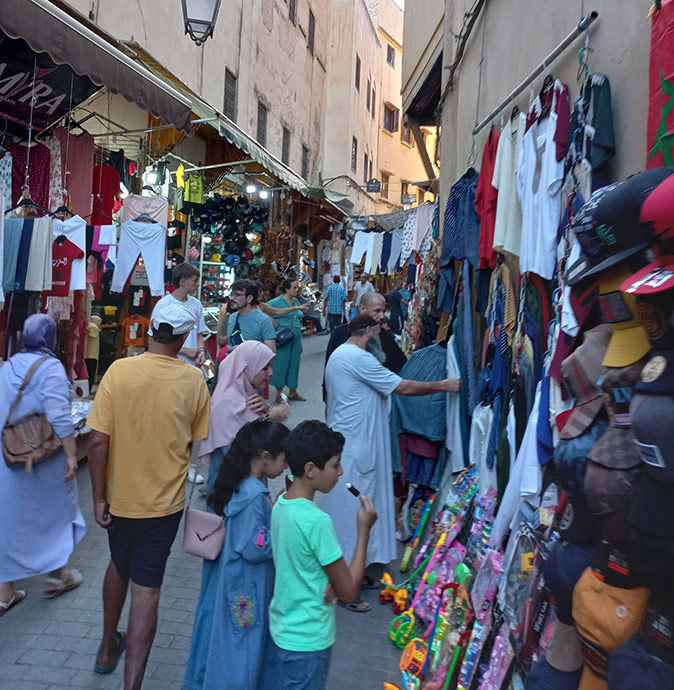
The Medinas of Fez and Marrakech are amazing, but Morocco’s best finds are tucked away in dusty corners of souks and tiny second-hand street stalls.
Moroccans are masters of reuse, and you’ll see it everywhere. Thrift markets in Morocco sell everything from vintage leather jackets and Levi’s jeans to children’s toys, antique jewellery, and hand-woven rugs that look like they’ve already lived a hundred lives.
There’s joy in the hunt – rummaging through piles of clothes, bargaining for a ceramic bowl, or stumbling across an antique door handle that somehow ends up in your suitcase. It’s not just cheap, it’s a cultural experience, and one that makes you rethink the value of second-hand goods.
3. Hospitality is Woven Into the Culture
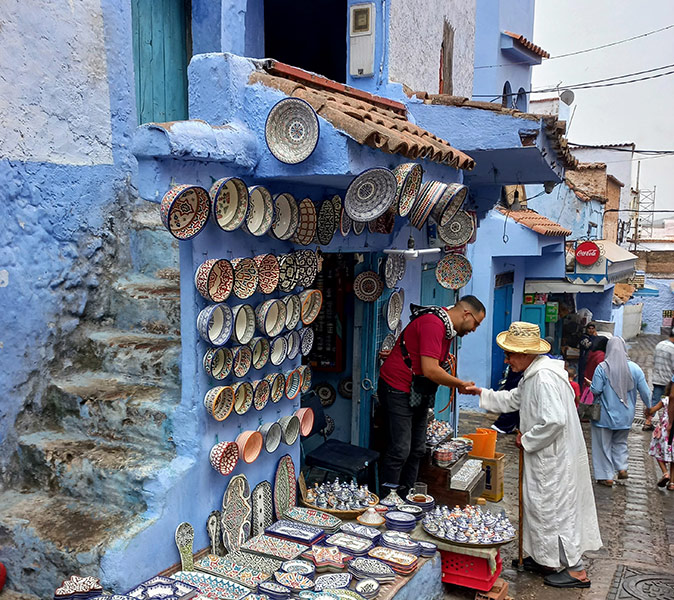
One of the first things you’ll notice in Morocco is how often people go out of their way to make you feel welcome. Shopkeepers invite you in for tea, neighbours bring you plates of food, and friends won’t let you leave their home without eating something – no matter how small.
This generosity is deeply tied to Islamic teachings of being of service to others. Sharing isn’t done on a whim for those feeling benevolent; it’s embedded in the religious fabric of the country.
Whether it’s the last piece of bread or a stranger helping you navigate a bus station, the spirit of hospitality is abundant in Morocco.
It’s humbling, and it changes the way you see generosity in your own life.
4. Cash is King
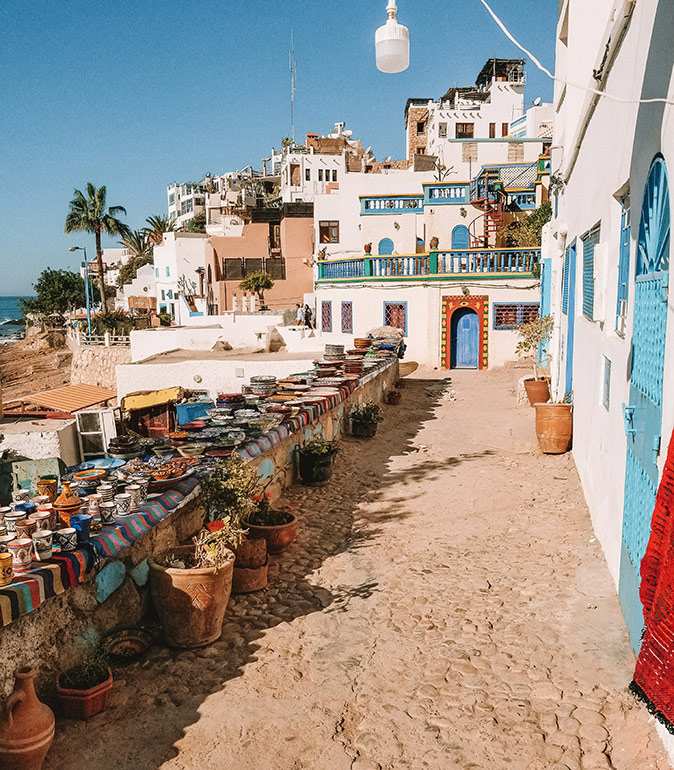
Don’t expect to be able to pay with card – even in big cities. While Morocco is slowly going digital, cash still rules daily life.
Taxis, markets, cafés, corner shops, and even some hotels and restaurants prefer cash. And because ATMs don’t always work, or may run out of money, it’s smart to keep a stash of dirham notes on you at all times.
It’s also ideal to have some spare change on hand for the beach-strolling tea salesman or the roadside sandwich stalls.
5. Moroccans Are Linguistic Masters
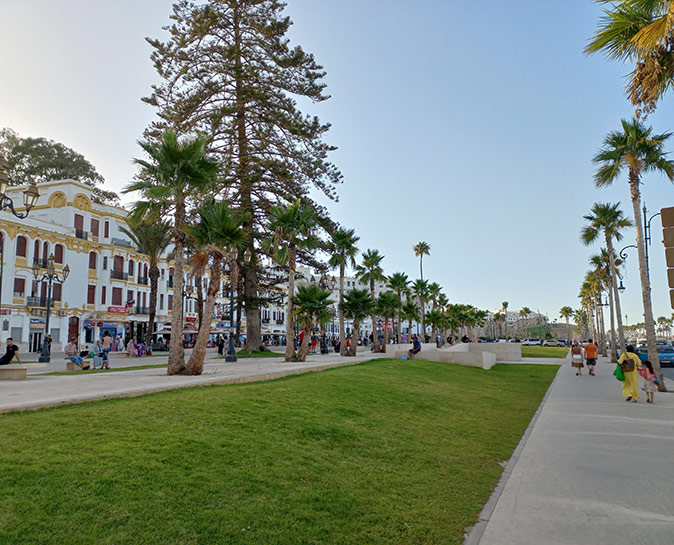
If you’ve ever struggled to pick up a second language, prepare to be humbled. Most Moroccans grow up juggling at least three: Darija (Moroccan Arabic), French, and Amazigh (Berber languages). Add Spanish along the north coast and English among younger generations, and you’ve got a serious mix.
It’s not unusual to hear four languages in a single conversation, with people switching mid-sentence as naturally as breathing. Darija itself is a world apart from the Arabic taught in textbooks – it’s fast, playful, and sprinkled with French, Spanish, and Amazigh words.
For newcomers, it’s confusing but also strangely liberating. Even if you only manage a few words of Darija, people appreciate the effort. And soon you’ll find yourself using Moroccan phrases that don’t quite translate, but feel right in your mouth.
6. Cats and Dogs Rule the Streets
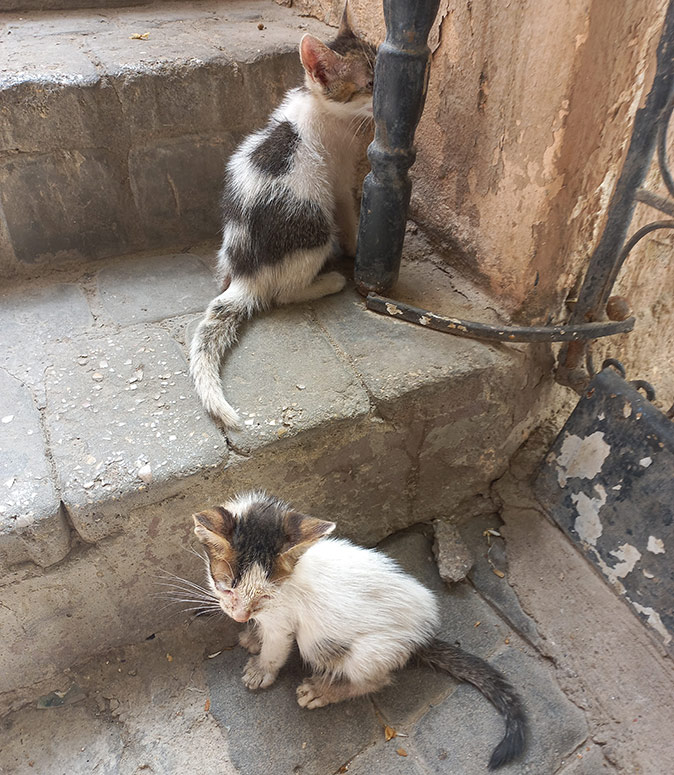
Everywhere you go in Morocco, you’ll see animals – especially cats. They stretch out on café chairs, weave through markets, and claim sunny spots in the medina like tiny, furry landlords. Dogs, too, wander the streets or guard rooftops, often trotting down to the beach in the evenings to nap in the sand.
But it’s not all charming. The reality for many of these animals is complicated. Stray cats and dogs are a contentious issue in Morocco – numbers swell quickly, and without consistent vaccination or sterilisation programs, villages sometimes resort to mass exterminations to control populations.
It’s heartbreaking, and yet, it’s part of the system that most Moroccans have grown up with.
For foreigners, it can feel like an ethical dilemma. You see countless visitors fall in love with a stray puppy during their stay – feeding it, cuddling it, even naming it – only to leave and have no choice but to turn it back out on the street when their flight home rolls around. It’s no one’s fault exactly, just one of those messy realities that doesn’t fit neatly into the travel narrative.
Still, amid it all, there are moments of quiet kindness: café owners who put out scraps, neighbours who feed the same cats every day, and local vets who do what they can with what they have. Somehow, despite everything, the animals endure – sunbathing in doorways, tails flicking lazily, part of Morocco’s living, breathing landscape.
7. It’s Not All Sunshine
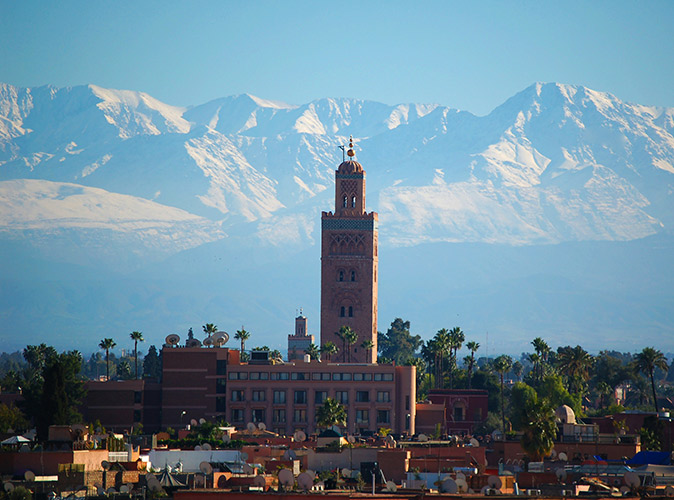
Morocco has a reputation for endless blue skies, but the weather might surprise you. Summers can be blisteringly hot, especially inland, while winters can be bone-chilling.
Many Moroccan houses don’t have insulation or central heating, which means the cold seeps into the walls. You’ll find yourself wearing a jacket and beanie indoors, warming your hands over the stove or wrapping up in three blankets at night.
On the flip side, spring and autumn are ideal, with warm sunny days and cool evenings.
8. Fridays Are For Couscous
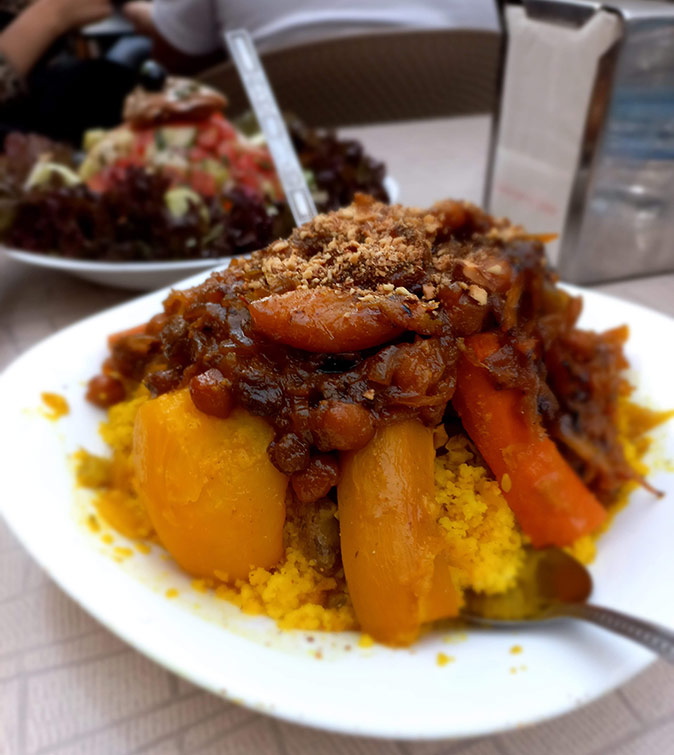
Fridays are the holiest day in Morocco, and I don’t mean to downplay the religious significance by immediately bringing up food – but couscous really does play a starring role.
Each Friday, the country slows down for Jumu’ah, the congregational prayer that takes place just after midday. Shops close, streets grow quieter, and men stream toward the mosques dressed in their clean djellabas. The rhythmic sound of the adhan – the call to prayer – seems to hang in the air a little longer on Fridays, carrying a collective sense of peace and renewal.
And then, of course, there’s couscous. Traditionally prepared by the women of the household, this weekly ritual brings families together around heaped platters of fluffy grains, slow-cooked vegetables, and tender meat. It’s a symbol of unity, generosity, and gratitude – all the things that Fridays represent in Moroccan life.
Once you’re in Morocco, you’ll soon learn that Fridays and couscous are inseparable. Even in hostels and surf camps, big communal dishes appear around lunchtime, steaming and fragrant, everyone digging in with spoons or hands, sharing as if they’ve known each other forever.
It’s one of those simple, grounding traditions that reminds you why Morocco feels so deeply connected – through faith, through food, through community.
9. Almost Everything is Single Serve
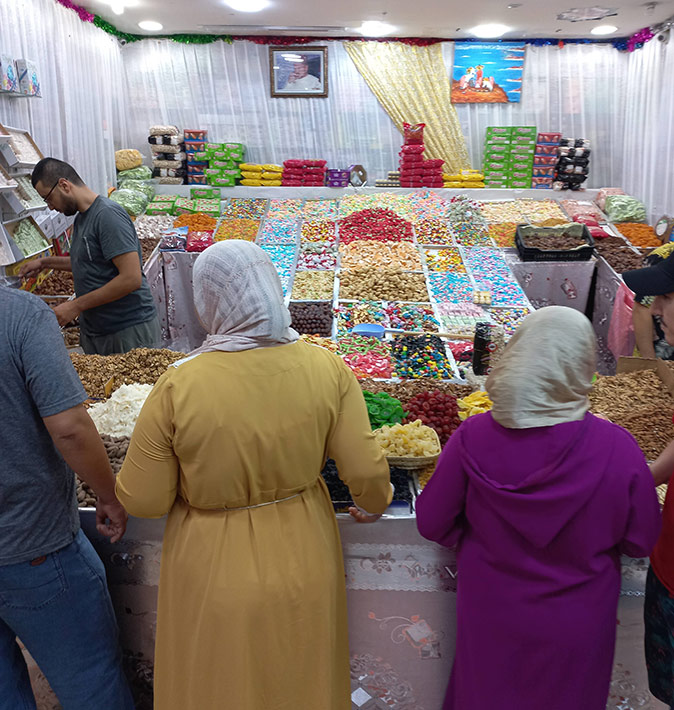
One of the first things you notice when you start shopping in Morocco is how little you actually need to buy. Cigarettes are sold one at a time, bread rounds one by one. You can pick up a single egg, a tiny tub of yoghurt, or just a few Laughing Cow triangles from the fridge at your local mini-market.
It’s not a gimmick – it’s a reflection of how people live. Morocco is, by and large, a lower-income country. Many households don’t have the luxury of stocking up on bulk items or keeping a month’s worth of groceries tucked away. You buy what you need for the day, maybe for tomorrow, and that’s it.
Coming from the West, where our pantries groan with forgotten tins and ‘just in case’ pasta packets, it can feel like quite a change.
10. There’s Magic in the Mundane
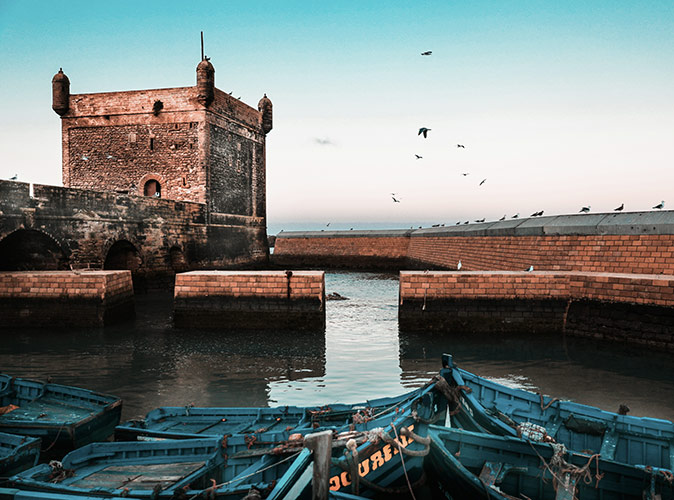
Perhaps the most beautiful thing about living in Morocco is how the everyday feels extraordinary.
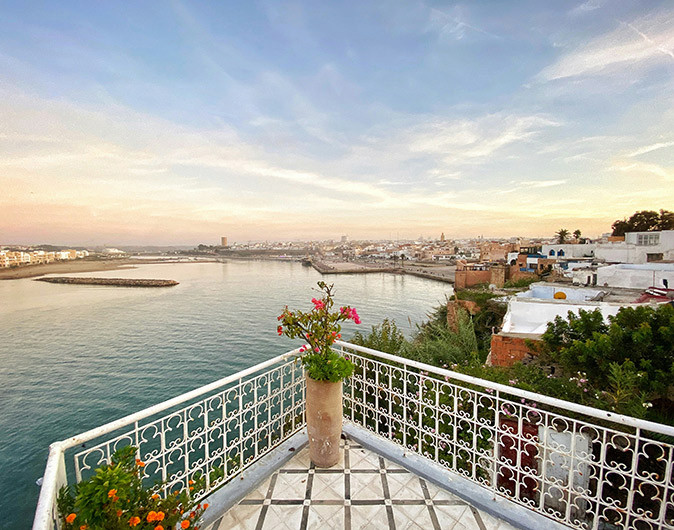
It’s the clink of tea glasses on a rooftop at sunset. The call to prayer drifting over the city. The salty breeze as you walk along the Atlantic coast. The chaos of the market, followed by the calm of a quiet courtyard.
Living here teaches you to slow down, notice the details, and find joy in simple pleasures. Morocco isn’t always easy – but it has a way of filling the ordinary with magic, and that’s something you carry with you long after you leave.
Practical Tips for Living in Morocco
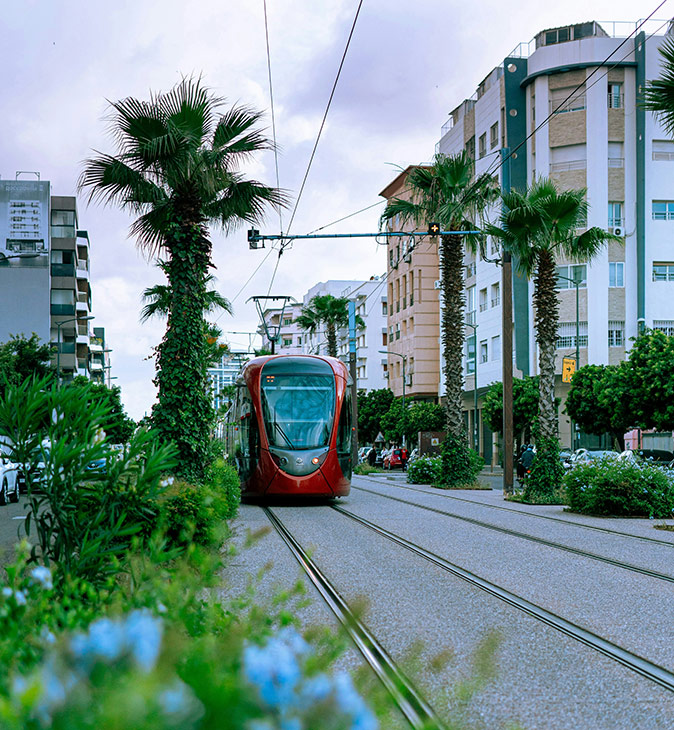
If you’re planning to stay in Morocco longer than a few weeks, here are a few tips that will make the transition a little smoother.
1. Finding a Place to Live
Start with Facebook Marketplace and Facebook groups; they’re surprisingly active and reliable.
Search for groups like Houses and Apartments for Rent in Morocco or local community pages for your city (for example, Agadir Expats or Essaouira Expats & Friends).
Long-term rentals often come furnished, and landlords typically prefer cash. It’s normal to negotiate the price, especially for stays over three months.
2. Sorting Out Your Visa
Most nationalities can stay for 90 days visa-free, but if you fall for Morocco (and you probably will), you can extend your stay. Some people make a “visa run” by crossing into Spain’s enclaves or flying briefly out of the country before returning.
For longer stays, apply for a Carte de Séjour (residency permit) at your local police station. Be prepared for paperwork, patience, and multiple photocopies – Moroccan bureaucracy loves a good stamp.
3. Getting Connected
You could start with an eSim, but the cheaper option is to get a local SIM card. Maroc Telecom, Orange, and Inwi are the main providers, and all offer affordable prepaid data plans.
Wi-Fi is common in cafés, but speeds vary outside the big cities.
4. Making Friends and Finding Community
Moroccans are warm and welcoming, and social life often revolves around shared meals, tea, or the beach.
Say yes to invitations, whether it’s couscous Friday with neighbours or a spontaneous tagine picnic in the hills.
For expats and digital nomads, coworking spaces and language exchanges are great ways to meet people.
5. Learn a Little Darija (Moroccan Arabic)
Even a handful of phrases goes a long way.
Simple words like salam (hello), shukran (thank you), and b’slaama (goodbye) open doors – often literally. Locals will light up when they hear you try.
Final Thoughts About Life in Morocco

Living in Morocco isn’t always simple, but in my opinion, it’s endlessly rewarding.
Finding a flat might take a few days, bureaucracy might test your patience, and your French or Arabic might never be perfect, but somewhere between the market runs, the mint tea, and the call to prayer at sunset, life finds its rhythm.
Come with curiosity, flexibility, and an open heart. Morocco will surprise you, not just with its colours and chaos, but with its warmth, its humour, and the quiet magic that threads through ordinary days.
Also Read:
- Things to Consider Before Moving to Another Country
- Why Moving Abroad is Such a Valuable Experience
- How to Retire Abroad Early
This blog post contains an affiliate link. I may receive a commission for purchases made through this link, at no additional cost to you.