

Japan has long been a destination for travelers seeking culture, beauty, and food—but it’s also an incredible country for wellness travel.
From steaming hot spring baths in the mountains to Zen meditation in ancient temples and longevity secrets from the Blue Zone of Okinawa, Japan offers countless ways to slow down, recharge, and reconnect with yourself.
Whether you’re planning a short escape from Tokyo or a once-in-a-lifetime wellness retreat, in this article I want to share with you the best destinations in Japan to restore body and mind, and everything else you need to know about wellness retreats in Japan.
Why Japan is Perfect for Wellness Travel
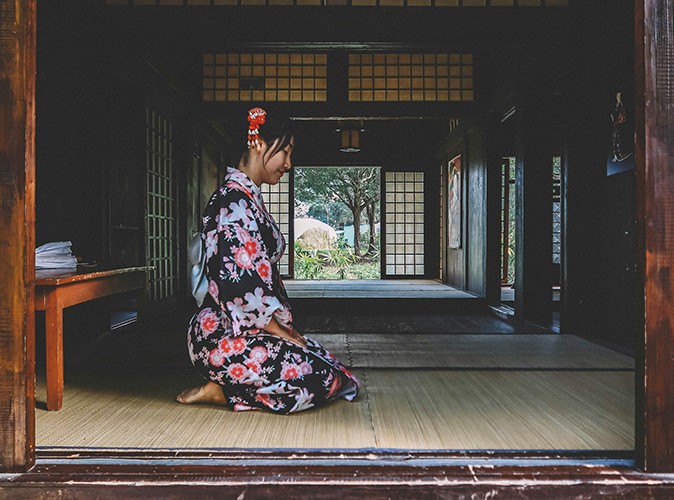
- Natural Healing: Thousands of onsen (hot springs) rich in minerals offer physical and mental relaxation.
- Spiritual Traditions: Practices like Zen meditation, forest bathing, and temple stays have been cultivated for centuries.
- Longevity Lifestyle: Okinawa, one of the world’s Blue Zones, demonstrates how food, community, and balance lead to a long, healthy life.
The Best Destinations for Wellness Travel in Japan
1. Soak & Soothe: Onsen Escapes Across Japan
Hakone: Classic Onsen Escape with Mount Fuji Views

Hakone is the town where Tokyoites go when they need to breathe.
Just an hour out of the city, the air feels fresher, steam rises from the ground, and the mountains create the perfect backdrop for slowing down.
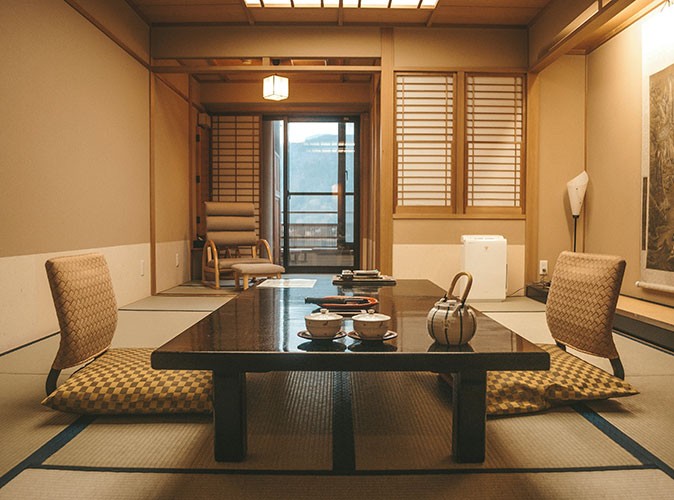
Stay at a ryokan (a traditional style Japanese hotel) like Gora Kadan, which was once an imperial retreat, where every detail—tatami floors, sliding shoji doors, seasonal kaiseki dinners—invites you to pause. Step into your private open-air bath and let the mineral-rich waters ease travel-worn muscles while Mount Fuji peeks over the horizon.
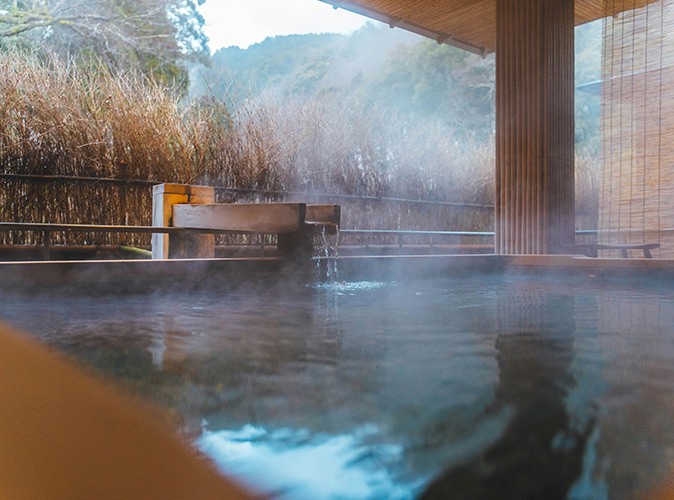
Beyond the baths, wellness comes in many forms here: a slow cruise across Lake Ashi, a peaceful stroll through the Hakone Open-Air Museum’s sculpture gardens, or a meditative ride on the cable car above steaming volcanic valleys.
Hakone is the perfect choice for a first-time onsen experience. It’s close to Tokyo, steeped in tradition, and with plenty of onsen to choose from for different budgets.
Best for: Couples looking for a romantic escape, or anyone wanting a taste of Japan’s onsen culture without traveling far.
Ginzan Onsen: A Fairytale Winter Retreat
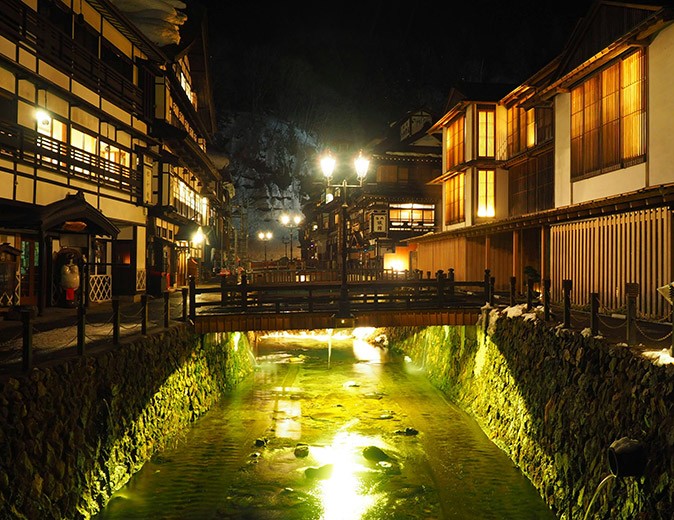
Imagine snow falling softly on wooden bridges, gas lanterns glowing along a narrow riverside street, and steam rising from century-old bathhouses.
That’s Ginzan Onsen, a tucked-away hot spring town in Yamagata Prefecture that feels like it belongs in another era.
Stay in a riverside ryokan where you can slip from a steaming bath into a yukata robe and sip hot sake while snow blankets the village outside. In winter, it’s a scene straight out of a postcard; romantic, quiet, and impossibly photogenic.
Ginzan is less about sightseeing and more about surrendering to the rhythm of onsen life.
Days here are simple: soak, stroll, eat, repeat. If you want to escape the modern world and live inside a timeless Japan for a few days, this is the place.
Best for: Winter travelers, honeymooners, or anyone craving a cozy hideaway.
Yunomine Onsen (Wakayama)
Nestled along the sacred Kumano Kodo pilgrimage route, the village of Yunomine Onsen is believed to be over 1,800 years old.
The most popular place to visit here is the Tsuboya bathhouse.
Tsuboyu is a tiny, traditional wooden bathhouse, known as one of Japan’s oldest hot springs. It has been used by pilgrims for over a thousand years for purification rituals before visiting the nearby Kumano Hongu Taisha Shrine.
Its intimate size, just enough for one or two people at a time, and location over a small creek make for a unique bathing experience.
Beppu & Hyōtan Onsen (Ōita)
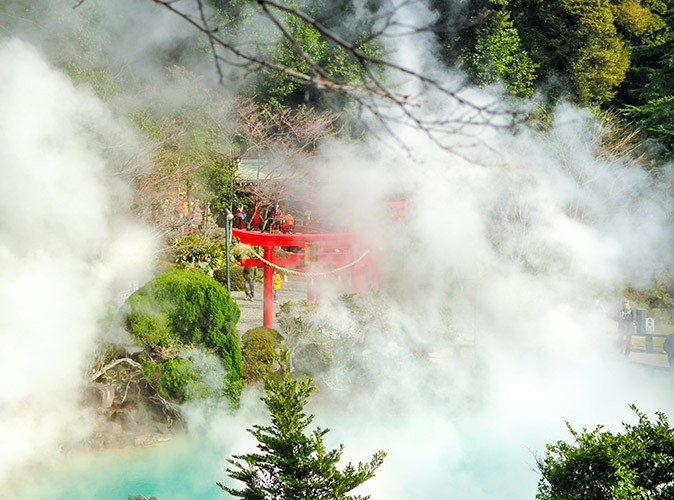
Beppu, known as Japan’s hot spring capital, offers a diverse bathing scene: from steamy baths to mud pools and geysers.
Hyōtan Onsen is a must-visit for many who come to Beppu. It’s a Michelin Green Guide–rated gem, with indoor and outdoor baths as well as steam treatments. Bring a towel if you like extra comfort, and give yourself a few hours to fully relax and try all the baths.
Other Onsen Retreats Worth Mentioning
- Arima Onsen (Hyōgo): One of Japan’s oldest onsen, celebrated for its golden “kinsen” and silvery “ginsen” springs rich in minerals said to soothe joints and enhance circulation.
- Beniya Mukayu (Ishikawa): A family-run ryokan offering yoga, tea ceremonies, private onsen, and herbal therapies.
- Zaborin (Hokkaido): A luxury ryokan set in forested Hanazono, with private indoor/outdoor baths and views of Mount Yōtei.
2. Embrace Stillness: Temple & Zen Retreats
Koyasan: Sacred Stillness in the Mountains
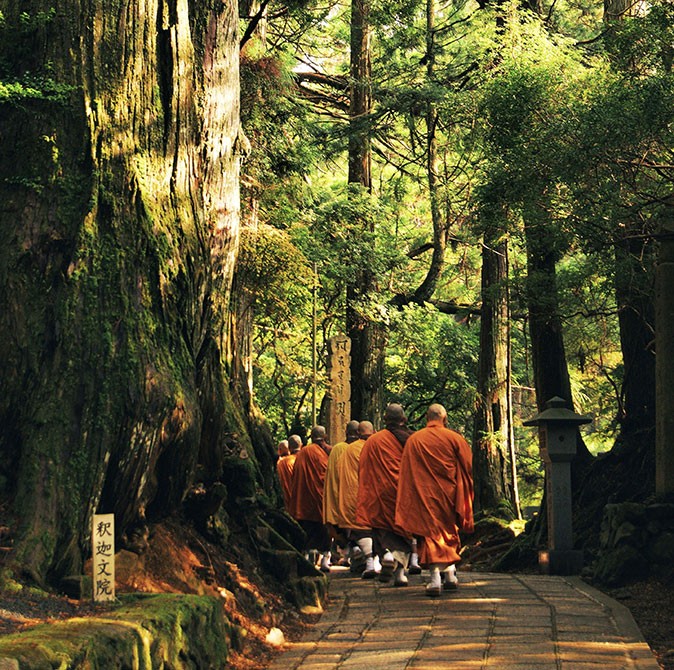
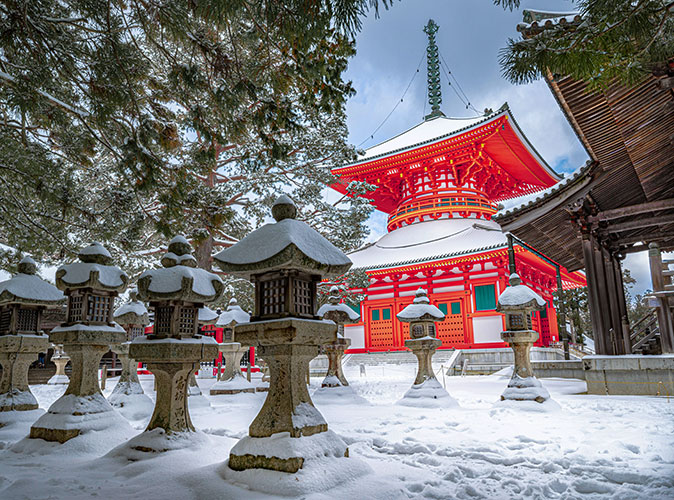
High in the mountains of Wakayama, Koyasan is a sanctuary of chanting monks, incense-filled temples, and quiet stone paths.
Spending a night here in a temple lodging (shukubō) is less about luxury and more about surrendering to simplicity.
Your day begins at dawn, sitting cross-legged in meditation as the deep voices of monks resonate through wooden halls. Meals are shōjin ryōri—elaborate vegetarian feasts prepared with seasonal vegetables and mountain herbs, eaten mindfully in silence.
By night, a lantern-lit walk through Okunoin Cemetery, Japan’s largest, feels like stepping into a spiritual otherworld.
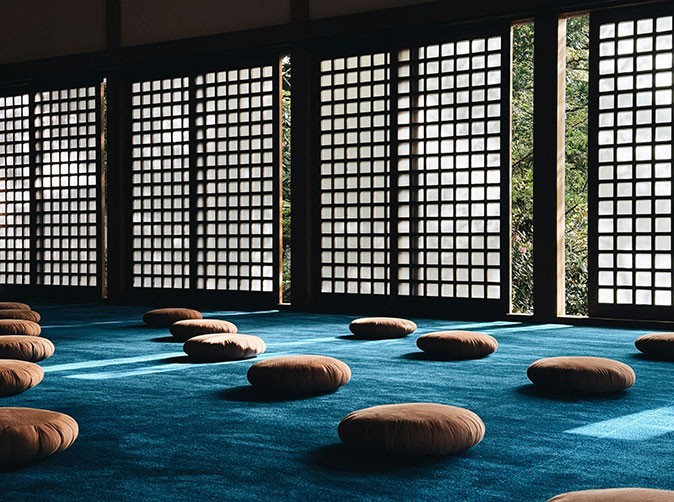
Koyasan is not a place to “see” but to experience. To slow your heartbeat, clear your mind, and step away from the noise of modern life. Even one night here can feel transformative.
You can book the shukubō through the official Koyasan Shukubo Association reservation site here.
Best for: Spirituality seekers, culture lovers, or anyone needing a mental reset.
Enman-in Temple (Shiga)
Just east of Kyoto, this serene temple offers short Zen meditation sessions, tea ceremony experiences, and garden strolls—ideal for beginners dipping their toes into Japanese Zen culture.
Temple Hotel Takayama Zenko-ji (Gifu)
If you’ve ever wanted to try a temple stay without feeling too intimidated, Zenko-ji Temple Hotel in Takayama is a great option.
You can actually spend the night here in simple temple-style rooms. The monks lead short Zen meditation sessions that are perfect for beginners, and the whole experience gives you a taste of the calm, minimalist lifestyle of temple living.
It’s peaceful, and a really unique way to connect with Japanese culture.
3. Forest Therapy: Shinrin-Yoku & Nature Retreats
Yakushima: Ancient Forests & Raw Nature Therapy
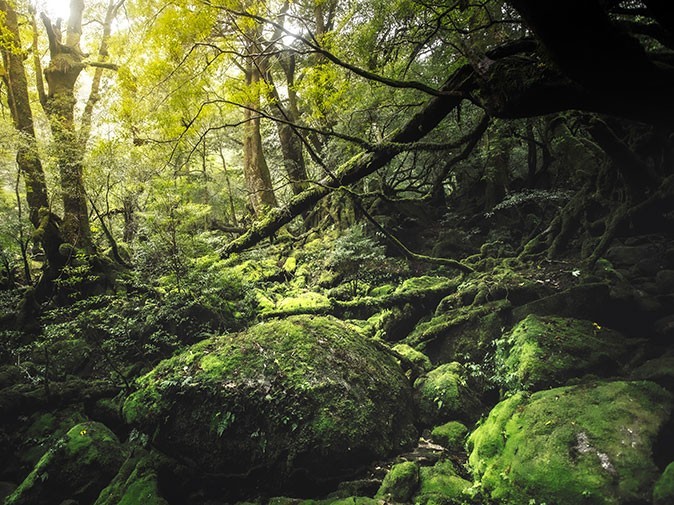
Yakushima’s UNESCO-protected wilderness offers immersive forest bathing (Shinrin-Yoku), guided nature walks, and eco-lodge tranquility.
On Yakushima, time feels slower—like the island itself breathes at a different rhythm.
Mist clings to thousand-year-old cedar trees, moss carpets the forest floor, and waterfalls crash into jade-green pools.
Stay in an eco-lodge where the forest begins at your doorstep. Spend mornings hiking the Shiratani Unsuikyo Ravine, where sunbeams pierce the canopy like spotlights, and afternoons soaking your feet in icy rivers before returning for a plant-based dinner of local vegetables and seafood.
This isn’t luxury in the traditional sense; it’s deeper. It’s silence broken only by birdsong. It’s standing before a cedar that has lived for over 2,000 years, and realizing how small your worries are.
Yakushima offers the kind of nature therapy that lingers long after you’ve left.
You can book a range of eco lodges and other accommodations on Booking.com.
Best for: Adventurers, solo travelers, or anyone craving a full digital detox in nature.
HOSHINOYA Karuizawa (Nagano)
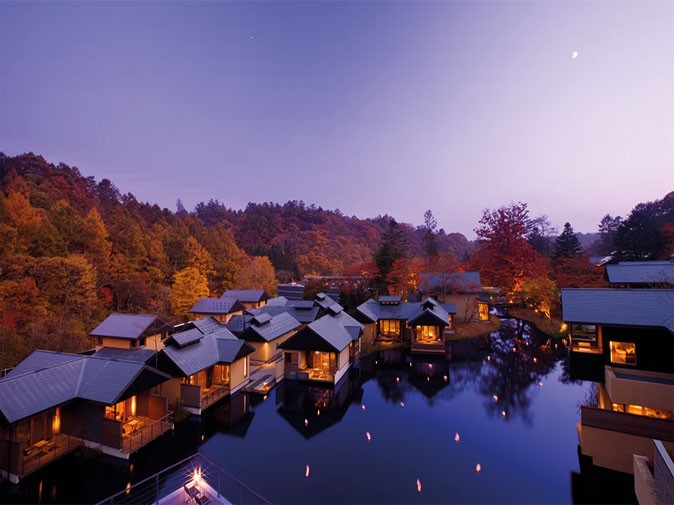
This exclusive retreat blends onsen and forest therapy.
If your budget allows it, HOSHINOYA Karuizawa is a beautiful escape into nature, only an hour by train from Tokyo.
You can enjoy guided breathing walks with forested views of Mt. Asama, shiatsu massages, tailored stretching session, and herbal medicine baths.
Quick Forest Escapes Near Tokyo
If you don’t have the time or budget for a multi-day forest bathing retreat, then these are my forest escape recommendations near Tokyo:
- Mount Takao: Accessible without venturing far from Tokyo; try meditation at Yakuō-in Temple and a mindful stroll atop the mountain.
- Kamakura: Historical coastal trails, temples, and mindful walks along the Daibutsu Trail make this seaside city a Zen-infused day trip from Tokyo.
- Okutama & Chichibu: Quiet forest retreats with eco-lodges, guided mindfulness hikes, and blooming spring landscapes for deep reflection.
Also Read: Nature in Japan – How to Explore the Japanese Countryside
4. Okinawa: Blue Zone Secrets & Ocean Healing
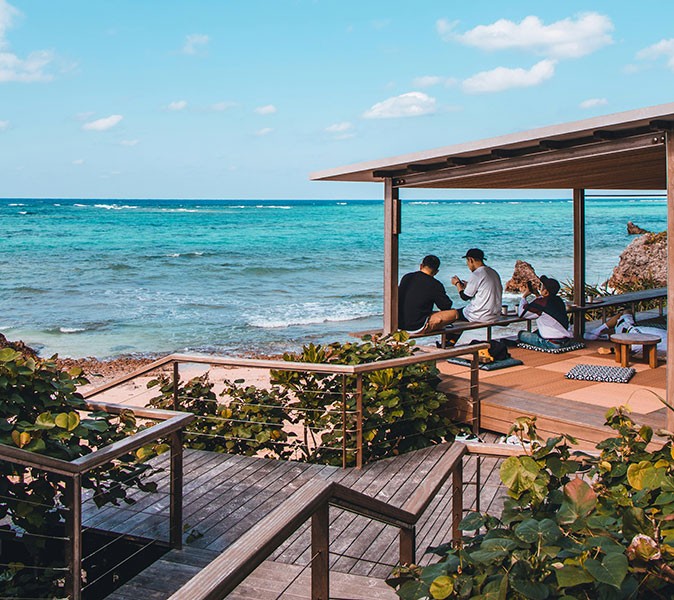
Okinawa is famed for its sunny climate, coral-stone saunas, marine clay spas, and a diet rooted in vegetables, herbs, and community.
Retreats like Wayn-Zen focus on ocean views, fasting, breathing rituals, Zen tea, and intentional living spaces free from digital distractions.
In Okinawa, wellness isn’t packaged; it’s lived. The islands are home to one of the world’s longest-living communities (making it a so-called Blue Zone), and their secret is surprisingly simple: fresh food, daily movement, community ties, and plenty of time under the sun.
Retreats here draw from that lifestyle. Wake up to ocean-view yoga, join a tea ceremony using local herbs, or try a coral stone sauna that harnesses the island’s natural minerals. Meals focus on Okinawa’s famed longevity diet: vegetable-rich, low in sodium, and often shared with others.
But the real wellness here is the rhythm of daily life: napping in the shade of a banyan tree, swimming in turquoise seas, or walking through villages where neighbors still gather every evening.
Okinawa’s gift isn’t a ritual you try once—it’s a reminder of how to live more slowly, more connected, and more joyfully.
Best for: Sun-seekers, wellness travelers inspired by longevity science, or anyone who prefers beach retreats over mountain escapes.
5. Bonus Experience: Hiking & Pilgrimage Wellness
Kumano Kodo Trail
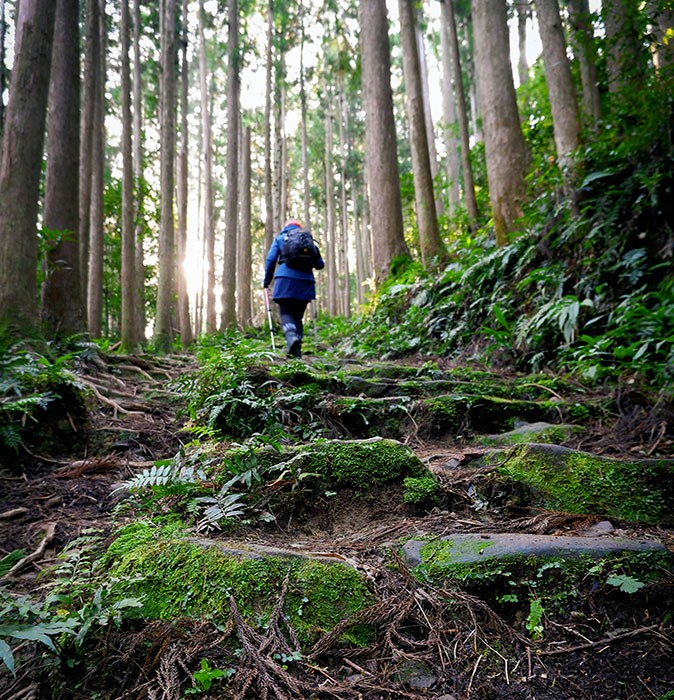
The Kumano Kodo is a network of ancient pilgrimage routes in Japan’s Kii Peninsula. The routes have been used for over 1,000 years to connect three sacred shrines known as the Kumano Sanzan.
If your idea of wellness is a bit more active than just going to an onsen or retreat center, then this could be perfect for you.
Walk some of the ancient pilgrimage paths, soak in remote onsen like Yunomine, and nourish your spirit through walking meditation and natural landscape. A deeply restorative experience!
Visit the tourism bureau’s website for more information.
Practical Tips For Wellness Travel in Japan
Stay Connected
Use a Japan data eSIM so you can easily navigate trains, book ryokans online, and keep in touch during your retreat.
When to Go
Different times of year offer different highlights:
- Spring (March–May): Cherry blossoms are in full bloom, and the mild weather makes places like Kamakura and Karuizawa perfect for forest walks and gentle hikes.
- Summer (June–August): While hotter and more humid in much of Japan, coastal regions like Okinawa and northern areas such as Hokkaido offer refreshing retreats, ocean swims, and outdoor yoga experiences.
- Autumn (September–November): Brilliant red and gold foliage creates a stunning backdrop for onsen towns and forest trails.
- Winter (December–February): Hot springs such as Ginzan and Beppu feel especially magical when surrounded by snow.
Final Thoughts
Wellness travel in Japan isn’t about chasing trends; it’s about slowing down and experiencing traditions that have been practiced for centuries.
Whether you’re soaking in Hakone’s onsens, meditating with monks in Koyasan, or embracing Okinawa’s secrets of longevity, Japan offers a wealth of experiences that heal both body and mind.
If you’re planning a trip that combines culture, rest, and renewal, Japan might just be the wellness destination you’ve been searching for.
Also Read: