

What are the best things to do in Nova Scotia?
Nova Scotia is a province on the Eastern coast of Canada that boasts hundreds of thousands of acres of forests and over 4,000 miles of coastline.
With quaint fishing villages and winding roads with stunning views, a visit to Nova Scotia will have you packing your bags and ready to become a Maritimer.
Not convinced? Here are some of the best parts of Nova Scotia you won’t want to miss.
What Not to Miss in Nova Scotia
1. Peggy’s Cove
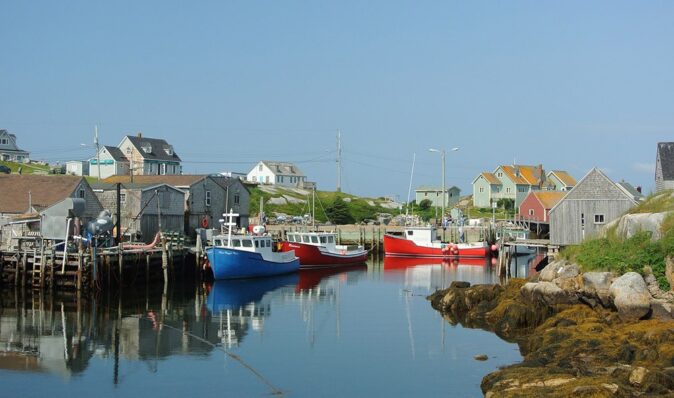
Peggy’s Cove is the picture-perfect attraction that captures the beauty of Nova Scotia and attracts tourists from around the world.
It is a small rural community located on the eastern shore of St. Margarets Bay.
The iconic Peggy’s Point Lighthouse looks over the water, resting on smooth rocks that you can explore with your family or set up a picnic and enjoy the sea air as it rejuvenates your lungs and your soul.
Peggy’s Cove is one of the most recognizable landscapes in Nova Scotia. It’s definitely a place not to miss when traveling to Nova Scotia.
Know before you go, that the sea is a powerful force. The signs telling visitors aren’t just a notice put up by meddling locals – they’re serious safety warnings.
There are visitors every year that never go home because they fail to heed the warnings and are swept away by the powerful waves.
2. Lunenburg and Mahone Bay
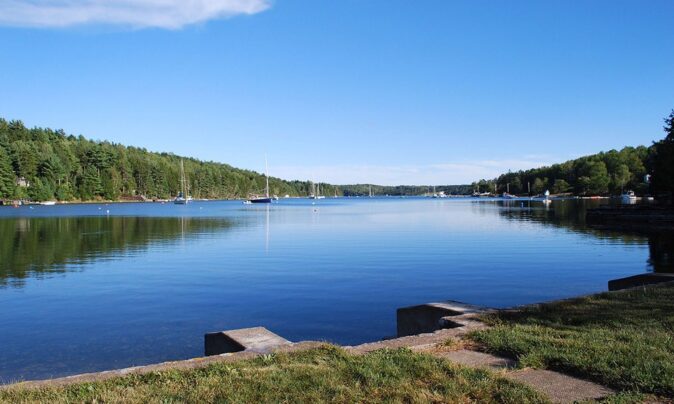
Lunenburg is a historic site, where you feel as though you’ve stepped back in time to a world of seafarers, privateers, and explorers.
With colorful buildings that pay tribute to the fishing community lifestyle, and towering ships that overlook the harbor, Lunenburg is sure to become a fan favorite during your visit.
Down the road is Mahone Bay, a charming village with small family-owned businesses and attractions, such as bed and breakfasts, arts and crafts, restaurants, and distilleries.
Stand underneath a whale jawbone, jump on a boat and go whale watching, or learn how to shuck freshly caught scallops on the shore.
Tip: If you love spotting wildlife (the seals here are my favorite!), then I can highly recommend this zodiac wildlife tour.
3. The Cabot Trail
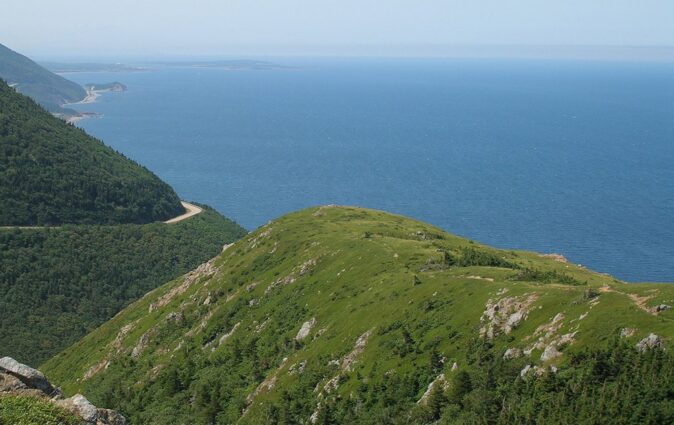
Cape Breton Island dominates the northern part of Nova Scotia and is home to the world-famous Cabot Trail.
This incredible, breathtaking drive will have you winding through the coastal roads of the Cape Breton Highlands, where you can see awe-inspiring sunsets over the water.
Go in the fall to watch as millions of leaves change into shades of gold, red, orange, and amber.
While you’re touring, stop along the way at one of the many campgrounds or cottages and enjoy a lobster dinner.
Take a hike through the many trails and enjoy the hidden waterfalls scattered around the island.
Also Read: What to Bring on a Hike?
4. Any of the Beaches in Nova Scotia
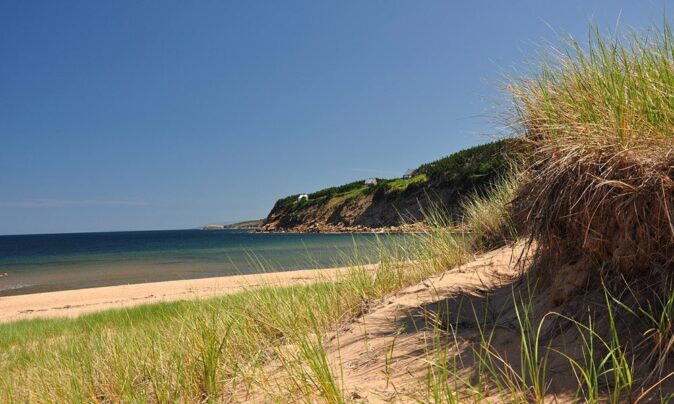
No matter where you are in Nova Scotia, you’re never more than 40 miles from an ocean beach. In a nutshell, there are a lot of them!
As a result, you get to choose the beach experience that works best for you.
Looking for big waves to go surfing? Head to Lawrencetown or Martinique. Interested in warmer water? Head to Heathers Beach or Melmerby.
Carters Beach offers glittering white sands and turquoise water that will have you thinking that you’re sitting on the shore in the tropics.
Due to the currents and the nature of the sea, the water gets warmer as the season goes on. That means you can enjoy beach days into October if the weather cooperates.
You could head to a different beach every week of the summer and still not get to all of them before the season ends.
Also Read: Why You Shouldn’t Take Seashells From the Beach or Buy Them as Souvenirs
5. Downtown Halifax
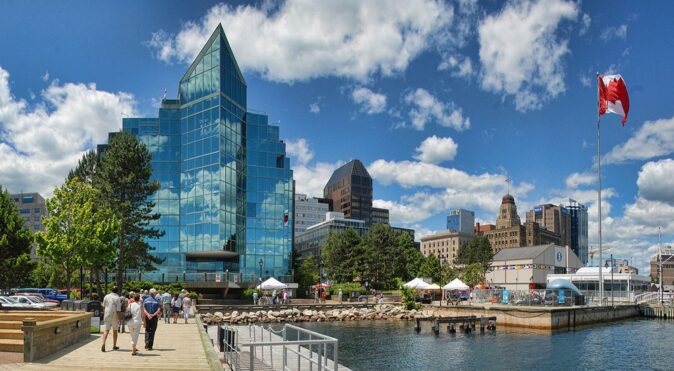
The capital of Nova Scotia, Halifax, is a blend of modern buildings and industrial growth, and historic properties dating back to the rum runners and privateers.
Travel along the Halifax Waterfront Boardwalk and enjoy the scenery, overlooking one of the world’s largest natural harbors, surrounded by nautical tributes and designs.
Take a stroll through the Public Gardens, visit some of Halifax’s museums, and take part in the city’s nightlife, visiting some of the many pubs or clubs.
Tip: If you love food tours, check out this harbourfront food walking tour. Or, my personal favorite, go on a sunset wine and cheese sailboat cruise.
In the summer, the Busker Festival takes over Halifax, which is a great opportunity to watch live performances while you’re here.
In the fall, the Nocturne art festival starts at sunset and businesses from all over partake in incredible displays of interactive art.
Also Read: What It’s Like to Live in Halifax
6. The Annapolis Valley Wine Country
Tucked between the Bay of Fundy and the South Mountain ridge lies the charming Annapolis Valley: Nova Scotia’s own wine region, where rolling vineyards meet lobster dinners.
Here you’ll find acclaimed wineries like Benjamin Bridge Winery and Lightfoot & Wolfville Vineyards, producing crisp whites and sparkling wines you won’t expect in Atlantic Canada.
Why I’d recommend it: After exploring the rugged coast, this feels like a softer, slower place to unwind with a glass in hand. And you’ll be doing something a little off the “standard tourist” path.
7. The Eastern Shore & Marine Trail
Just east of Halifax stretches the lesser-visited Eastern Shore, where you’ll drive along winding Atlantic roads, stumble upon quiet fishing villages, and find long stretches of beach without the crowds.
If you crave a coastline true to its wild self, this is your spot. Spend the night in a seaside cabin, try the local lobster, and feel the oceanscape rather than just observing it.
8. Hidden Art & Nature Stops: Micou’s Island & Pollett’s Cove
For something truly off-beat, head to the tiny Micou’s Island (reachable at low tide in the Annapolis region) or tackle the tough 16-km hike to Pollett’s Cove on Cape Breton for sweeping coastal views and minimal crowds.
These hidden gems offer unique experiences away from the usual tourist paths.
Why I’d recommend it: These places are not just “nice”, they’re the kind of discovery you’ll remember. Less commercial, more wild. And you’ll feel like you found something.
When to Visit, How to Get Around & Practical Tips
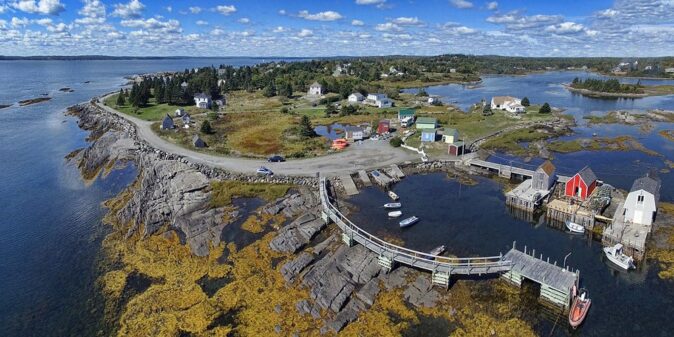
Nova Scotia is the second-smallest of Canada’s ten provinces. It’s a relatively compact and densely populated province (by Canadian standards). Distances are less excessive, which makes Nova Scotia easier to explore.
The Best Time to Visit Nova Scotia
If you’re wondering “When should I go?”, here’s a quick breakdown:
- Late spring (May–June): The crowds are smaller, the flowers are blooming (especially in the Annapolis Valley), and you’ll get mild weather. It’s ideal if you don’t mind slightly cooler water for a dip.
- Summer (July–August): This is peak season. You’ll get the warmest weather, all the tours running, and full beach vibes. It’s great for enjoying seaside towns and festivals, but it also means higher prices and busier roads.
- Early fall (September–early October): This is one of my favourite windows. The leaves change colour, the light is gorgeous, crowds thin a bit, and you still have decent weather.
- Winter (late October–April): Unless you’re into winter sports, this is off-season for many coastal towns. Some attractions close, and some roads may be slippery. Good deals, but fewer things open.
Local tip: If you plan to swim or surf, aim for late summer because the water is at its warmest then. For photography, fall delivers amazing skies and colour. For budget-chaos avoidance, book in early summer or late spring.
Getting Around Nova Scotia & Planning Your Drive
Nova Scotia is ideal for a self-drive trip. Here are some logistics you’ll thank yourself for planning in advance:
- Start in Halifax (YHZ): It’s the most common entry point for international travellers and gives quick access to both the South Shore and Cape Breton. I generally use Booking.com to rent a car.
- Drive times: Many of the scenic drives are a few hours between stops. You’re never forced into 8-hour days unless you try to sprint the whole province.
- The Cabot Trail & loops: If you’re heading to Cape Breton, build in at least 2–3 nights, especially if you want time to hike or explore sidetracks; it’s tempting to zoom past most of the feel. Alltrails is my go-to hiking app which gives a great overview of hikes in Nova Scotia.
- Tides matter: Some experiences (like walking the ocean floor at low tide or watching the tidal bore) depend on tide times. Check tide schedules, especially in the Bay of Fundy and Minas Basin.
- Fuel & Wifi: Outside major towns, services are sparser. Make sure you fill up before you head off the main highway, and don’t assume strong cell reception everywhere.
The Beaches, Surf & Tide Highlights
- Every beach isn’t created equal in Nova Scotia: If you’re looking for surf, check out Lawrencetown or the Atlantic-facing coast.
- The warmest water tends to be in sheltered spots (Northumberland Strait) in late summer.
- For a unique experience: consider tidal bore rafting at the Shubenacadie River or explore mud flats at low tide in the Minas Basin. This makes for a memorable contrast to your typical “sit-by-the-sea” day.
Final Tips for Visiting Nova Scotia
- Book key stays early if you’re going in summer. Coastal towns and Cape Breton accommodation fill up fast. I generally use Booking.com to book my stays.
- Pack layers: Even in summer, evenings by the Atlantic can get brisk.
- Consider a two-week trip if you want to do both the peninsula + Cape Breton. Only have one week? Choose one region and enjoy it slowly.
- Use a map & itinerary but leave room for spontaneity. Pull off for a scenic turn, take a paddle, stop at a roadside lobster shack you didn’t plan for.
Enjoy visiting Nova Scotia, I’m sure you’ll love it!
Also Read:
- 15 Things to Know Before Traveling to Canada
- An Itinerary for 2 Days in Quebec City
- The Best Places to Visit in Banff National Park
- The Best Outdoor Activities in Toronto
Like this post about what not to miss in Nova Scotia? Pin it!

Featured image: Peggy’s Cove, one of the places not to miss when you visit Nova Scotia. This blog contains affiliate links. I may receive a commission for purchases made through these links, at no additional cost to you.