

Are you thinking about moving to Indonesia? Whether for a short-term stay or a permanent move, the vibrant and diverse culture of this Southeast Asian nation can be very appealing.
From exploring lush jungles and magnificent mountains to soaking up the sunshine on the beautiful beaches of Bali, there are countless reasons why living in Indonesia is popular.
But before you take the plunge and move to this diverse country, there are a few things that you should consider, such as the cost of living, visa requirements, and accommodation tips for expats.
I’ve lived in Indonesia for several years now and in this guide I’ll provide all the information you need to help make your move to Indonesia smooth and stress-free!
Things to Know About Living in Indonesia
1. Popular Places in Indonesia

A lot of foreigners flock to popular spots like Bali and Lombok, where they can find stunning landscapes, an array of activities, and great nightlife.
But while these two islands are worth visiting, and even moving to, Indonesia is so much more than just them!
From the capital city of Jakarta to picturesque villages in West Sumatra, there are plenty of other places to explore in this archipelago.
If you’re looking for something off the beaten path, there are numerous remote locations around Indonesia where you can truly immerse yourself in the culture and enjoy some peace and quiet.
Places like Sumba or East Kalimantan may not be as well-known as Bali, but they offer unique experiences that you won’t find anywhere else!
If you do decide to make Bali your new home, you could choose between Canggu and Seminyak, which are popular places for expats to live, or go south to the surf area Uluwatu. Ubud is also a good option if you prefer rice fields to beaches.
Also Read: Interview With an Expat About Living in Bali and A Digital Nomad’s Guide to Bali
2. Language

The official language of Indonesia is Bahasa Indonesia, but it’s quite common for locals to speak several other languages like Javanese and Balinese.
If you plan on living in Indonesia long-term, it would be beneficial to learn some basic phrases so that you can communicate more effectively with your neighbors.
Luckily, Indonesian is an easy language to learn since the grammar has very few rules.
The Balinese language is an important part of Bali’s culture and is spoken widely throughout the island. It is a combination of native dialects, Sanskrit, and Old Javanese, creating a unique and vibrant language that is distinct from other regional languages.
Balinese is very different from Indonesian so expect to have some communication issues when you’re visiting Bali, even if you speak Indonesian.
3. Visas

Getting a long-term visa to live in Indonesia can be tricky, but it’s possible.
Tourists can stay in the country for up to 60 days but then have to leave to do a visa run. A great alternative is the 6-month business or social visa, which is pricey but allows you to stay for longer periods of time and even renew for another 6 months so you can stay in Indonesia for a full year.
However, you will be unable to leave the country during this time, or the visa resets, and you will need to reapply. If you factor in the initial application cost and renewal price this comes out to around US $100 per month.
There is also the option of applying for an investor visa, which you can obtain if you open a local company. This costs around US $1000 for two years, making it the cheapest option to stay in Indonesia. Plus, you’ll have added benefits of being able to come and go to Indonesia without impacting your visa, and even being able to work, although restrictions apply.
For more information about visa options in Indonesia, this is the official visa website.
But if you want to apply for a social, business, or work visa you should use a visa agent, which makes the process a lot easier. There are a lot of visa agents to choose from and I highly recommend choosing one carefully. Read reviews and ask others about their recent experiences.
4. Indonesian Culture

Indonesia is a fascinating country with an incredibly rich culture.
From its vibrant traditions and delicious cuisine to its stunning temples, it has something to offer everyone.
Always make sure to respect the local customs when visiting Indonesia. This also applies to the dress code; modest clothing is appreciated in most places.
Indonesians take hospitality seriously, so be sure to greet people warmly and introduce yourself wherever you visit.
Indonesian cuisine is famous for its spices and flavors, which is evident in many dishes, including everything from sambal to rendang. Be sure to try some of the many traditional foods available, but be aware that some of it can be quite spicy.
Finally, Indonesia is home to numerous temples and other sacred sites that should be treated with respect during your visit. Always be mindful of rules when visiting these places; do not speak loudly and make sure to cover your knees and shoulders.
Also, keep in mind that Bali is very culturally different from the rest of Indonesia. This is mostly due to Bali’s Hindu background, while over 90% of the country is Muslim.
Bali can sometimes feel like a completely different country and people who spend most of their time here, might be surprised how diverse Indonesia’s culture can actually be.
Also Read: 10 of the Best Things to Do in Indonesia
5. Accommodation

In most parts of Indonesia, you can rent a room in a guest house for as little as US$ 150 per month.
However, if you want something more luxurious like a villa, then Bali is the place to go. The selection of housing here is vast, although prices have risen drastically in recent years due to increased demand.
Here you can expect to pay over US$ 1000 for even the most basic villa, but given its natural beauty and vibrant culture it’s worth every penny.
On the other hand, if you want to stay reasonably within your budget then living in the rest of Indonesia is much cheaper than living in Bali. Typically around US$ 500 will get you a very nice room or small villa outside of Bali.
Whether you’re looking to immerse yourself in the culture of Indonesia or enjoy the beauty of Bali, there are plenty of accommodation options available.
The best way to find long-term accommodation is generally to go to where in Indonesia you want to live first and then start asking around. But, you can also book online in advance. Many people use Facebook groups for expats in Indonesia, Airbnb (although that can be pricey), or they search for local property rental websites.
6. Getting Around in Indonesia
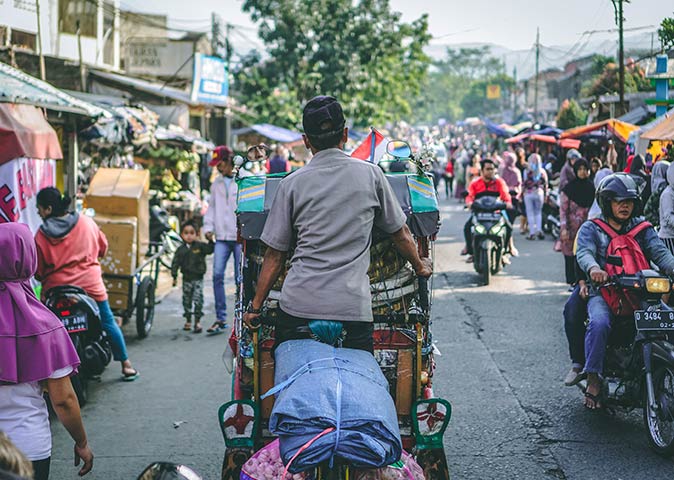
Public transport in Indonesia is limited and often unreliable, so renting a scooter or motorbike may be the best way to travel around, especially if you’re short on time.
However, it is important to remember that driving in Indonesia can be dangerous due to busy roads and a lack of safety regulations.
If you are not experienced with driving a scooter or motorbike, it may be worth considering alternative transportation options such as hiring a driver, taking taxis or using ridesharing services such as Grab, when available.
Of course this is an important thing to consider when you’re deciding where to live in Indonesia. If you don’t want to drive yourself, you may not want to live in a remote area where you have to rely on a taxi for everything.
There are a few train lines that run through the major cities, but the routes are limited. Be sure to research your destination before you move to Indonesia and plan for the best way to get around.
If renting a scooter is necessary, make sure to always wear a helmet and drive carefully. Be aware of the local traffic rules and remember you need an international driver’s license.
An international driver’s license is normally easy and inexpensive to apply for in your home country, or you can apply for one online.
Always observe the speed limits, as police officers conduct regular roadside checks and can hand out hefty fines if you are caught breaking the rules.
Getting around Indonesia doesn’t have to be daunting; with some planning ahead, you can have a safe and enjoyable journey. Be prepared, stay alert, and have fun exploring this beautiful country!
Also Read: Tips fro Driving Abroad for the First Time
7. Finding a Community in Indonesia
If you’re looking for a community of digital nomads or expats in Indonesia, Bali is the best place to start.
The island is home to the largest concentration of foreigners in Indonesia and has an abundance of events and networking opportunities specifically catered towards the digital nomad lifestyle.
Lombok is quickly catching up with Bali as more and more digital nomads are moving there, so if you’re looking for a quieter and less touristy place to live, it may be a good option.
Also Read: What’s It Like to Live in Lombok
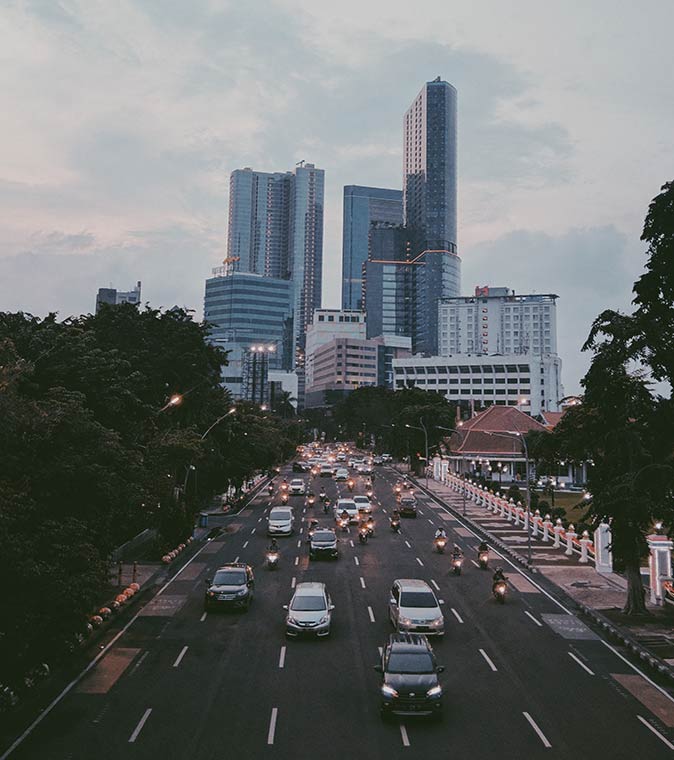
Outside of Bali and Lombok, it can be more difficult to find expats or digital nomads, however, they do exist, especially in some of the major cities including Jakarta and Surabaya.
If you want to meet up with other expats when you move to Indonesia, search for online forums and Facebook groups that you can join.
Overall, Indonesia is a great place to live and work remotely.
With some careful planning and research, you’ll be able to find the perfect balance of safety, affordability, community, and culture.
8. How Safe is Indonesia as a Place to Live?

Indonesia is generally a safe place to live and crime is low in most parts.
However, it’s a large country and if you go to remote parts of Papua or Borneo, the situation for foreigners might be different than in Java or Bali.
Of course, you should always use common sense and keep your valuables close, just like you would in any country.
That being said, if you’re living in Bali, Lombok, or the neighboring islands, it’s perfectly safe to walk home at night or live by yourself. Most crime here consists of petty theft, although even that is rare.
Jakarta faces a lot of issues with extreme poverty, which means it can be a more dangerous city than popular tourist islands. However, it has a large expat community and if you avoid certain neighborhoods, it’s perfectly safe.
Homosexuality is still a complex topic in Indonesia, which is predominantly Muslim and generally intolerant towards members of the LGBTQ community. Bali is somewhat of an exception and you’ll find society here is slightly more open. Unfortunately, once you leave the island, the rest of Indonesia is not ideal for same-sex couples.
Final Thoughts – Is Indonesia a Good Place to Live?

I’ve been living in Indonesia on and off for several years now and it has definitely become my home.
The country is vibrant and beautiful and life here is much more relaxed and laid back than in Europe or the States.
It’s no coincidence that Bali is home to thousands of expats, who are slowly spreading to other parts of Indonesia as well.
It can be a challenge to navigate the Indonesian system with visas, taxes, housing and more, but once you’ve got the hang of it, you’ll fall in love with this beautiful place and all it has to offer.
Also Read:
- Things to Consider Before Moving to Another Country
- Facts About Indonesia – A Mix of Funny, Surprising, and Useful Facts
- 10 Things Not to Miss in Indonesia
- A Digital Nomad’s Guide to Bali
- Dealing With Dengue Fever in Bali
- What It’s Like to Move to and Live in Bali
- What It’s Like to Move to and Live in Jakarta
- What It’s Like to Move to and Live in Lombok
Like this article about life in Indonesia? Pin it!

This blog about living in Indonesia contains an affiliate link. I may receive a commission for purchases made through this link, at no additional cost to you.