

For digital nomads, Bali is a popular destination.
There really is something about Bali. Year on year, it continues to grow in popularity.
Digital nomads from around the world flock to Bali to take advantage of the stunning scenery, chilled lifestyle, low living costs and convenient working facilities.
Of all the places I’ve been to, Bali is a firm favorite.
Bali’s development has happened at record speed in recent years. It has a modern airport, and there are more cafes and affordable accommodations than ever.
The stunning sunsets are a major draw, as are the golden sands and mind-bogglingly beautiful rice fields.
One thing I love about Bali is how unbelievably vibrant and colorful it is. It exudes a richness that other places find hard to match.
Bali for Digital Nomads – An Introduction
In Bali, Tradition Meets Everyday Life
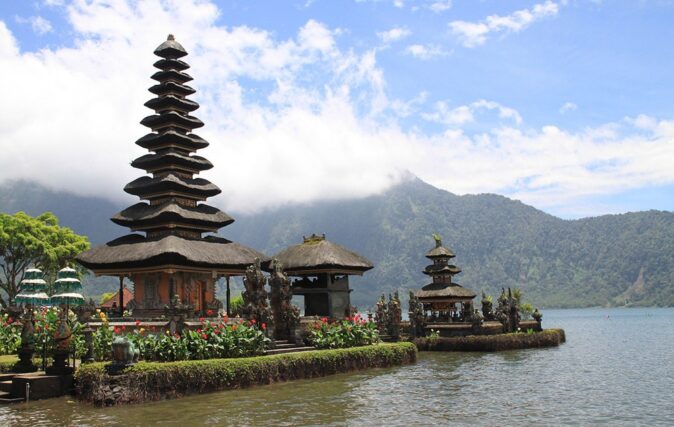
Bali is more than just coworking spaces and smoothie bowls. It’s an island where tradition and modern life constantly overlap.
You’ll notice it right away: morning offerings of flowers and incense placed outside shops and cafes, ceremonies that stop traffic, and temple festivals that locals take just as seriously as business meetings.
Far from being just “background culture,” these rituals are woven into the daily rhythm of life here in Bali.
For digital nomads, this means Bali gives you more than a place to work: it gives you an atmosphere.
You might spend the morning on client calls, then walk past a procession of locals in ceremonial dress on your way to lunch. Or finish up a project in a coworking space, only to head out and catch a traditional dance performance or wander through a temple courtyard at sunset.
Bali’s cultural heartbeat is everywhere: from barong statues – that’s Bali’s famous lion-type creature – guarding village entrances, to ancient temples perched on cliffs or hidden deep in rice fields. It’s this constant reminder that you’re part of something unique.
Bali is both a modern hub for entrepreneurs and creatives, but also a deeply traditional island that hasn’t lost its soul.
Also Read: 15 Interesting Facts About Indonesia and Things to Know About Living in Indonesia
Digital Nomads Can’t Get Enough of Bali

I know plenty of other digital nomads who would testify that this island has a massive amount to offer.
Bali is incredibly rich in culture and as it’s such a hotspot for digital nomads, it makes an excellent choice for those who want to make new friends or business connections.
Also Read: What It’s Like to Move to & Live in Bali
When most digital nomads think of Bali, Ubud is the first location that springs to mind. This might have something to do with the popularity of the film Eat, Pray, Love, however distant a memory that is.
Ubud is awesome, in my experience, but it won’t be everyone’s first choice. Beach lovers like myself might have other ideas.
I’ve found that there are plenty of places in Bali that cater to digital nomads, and they each have something different to offer.
Also Read: 7 Emotional Challenges of Digital Nomad Life & Practical Solutions
Other attractive options for digital nomads include Denpasar, Sanur, Seminyak, and Legian. You may want to consider those as alternatives to Ubud, but two of my personal favorite digital nomad locations in Bali are located on the coast: Canggu and Kuta. Below I’ll go into more detail about digital nomad life there.
Internet in Bali: Is It Good Enough for Digital Nomads?
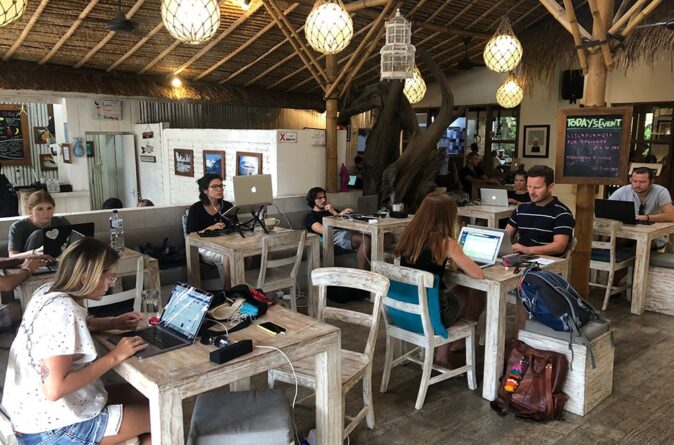
Does Bali have good internet? For me, this was one of the main considerations when I chose Bali.
Internet in Bali has improved drastically over the last few years, making it an easier choice for digital nomads.
Note that once you move too far away from the more touristy areas, the Wi-Fi connection can start to get a little sketchy. Sticking close to the places I mentioned above should remedy this.
You now have a choice of 4G and fiber optics, and Wi-Fi is readily available in plenty of cafes, whatever the region. Hotels also offer internet, and you can expect Wi-Fi connection speeds to range from acceptable to good.
In coworking spaces or fiber-connected villas in Canggu or Ubud, speeds of 100-300 Mbps download are possible; in hotels or smaller accommodations in less touristy zones, more like 10-30 Mbps.
For around US$10, you can get a SIM card and a minimum of 10 GB of data. You can sign up with Telkomsel, XL, or Smartfren, and you can order your SIM card online to be delivered to your hotel or AirBnb on arrival.
Telkomsel is generally considered the most reliable network across Bali, especially for rural coverage. XL, Indosat, etc. are a bit cheaper but coverage and speed vary more.
Personally, I love working in co-working spaces as it helps me to focus. I can make connections and relax, safe in the knowledge that I’ve got the fastest internet in Bali.
They’re often comfortable, with kitchens, conference rooms and phone booths for those all-important overseas calls. Plenty of the co-working spaces in Bali organize digital nomad events too.
I don’t normally pay more than $10 or $20 per day for drop-in, but sometimes I’ll opt for a monthly membership if I’m settling in for a while.
Digital Nomad Hotspots in Bali
One of the things I love about Bali is that no matter what kind of digital nomad lifestyle you’re after (beach parties, yoga retreats, or quiet focus time) you’ll find a place that fits.
Here are the main digital nomad hubs I’d recommend exploring:
1. Canggu
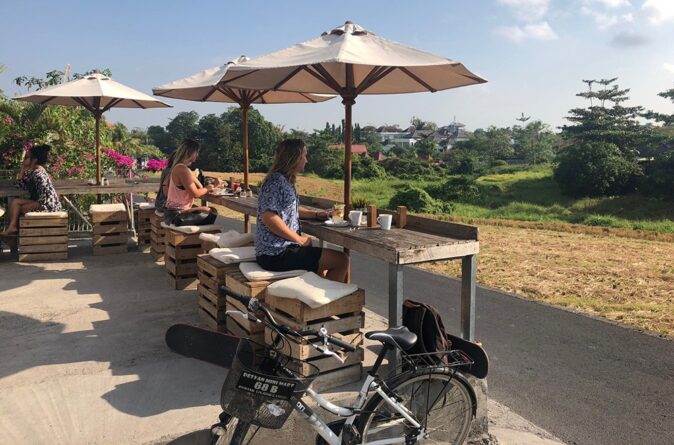
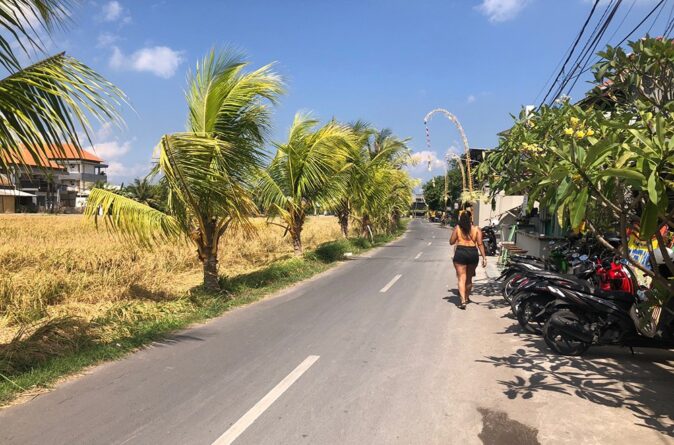
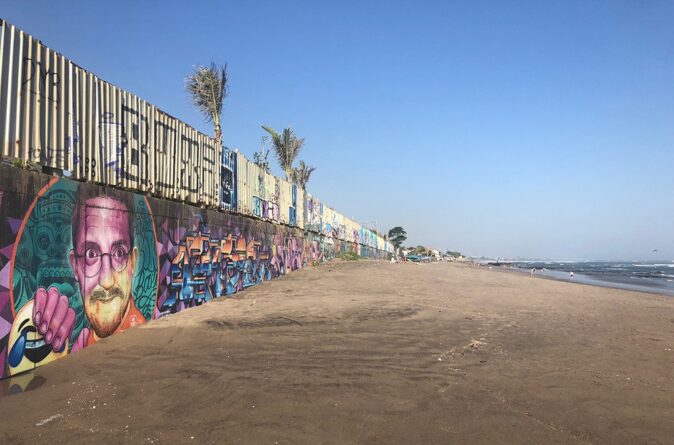
Canggu is probably the digital nomad capital of Bali, and with good reason. Stretching across about 8 km of beachside villages, it’s packed with coworking spaces, trendy cafés, and a community of like-minded nomads.
Personally, I like Kerobokan Kelod, near Berawa. It feels a bit more local and less hectic, and I’ve spent plenty of mornings working at Café TGC Bali with its strong Wi-Fi and great coffee.
There are lots of cafes to work from in Canggu, which is one of the reasons why digital nomads enjoy this part of Bali.
There are also several co-working spaces I can recommend here. The main ones digital nomads in Canggu love are Outpost, Tropical Nomads, and B Work Bali.
Add to that the fact that you can finish your workday with a surf session or sunset cocktail on the beach, and you’ll see why Canggu is so popular.
2. Kuta


Although Kuta is quite touristy, it has a lot to offer digital nomads, in my opinion.
If you’re a digital nomad who loves to surf and/or party, you’ll like this place. It has awesome beaches where you can also indulge in fun water sports.
Also Read: 10 Surfing Tips for Beginners
There are plenty of good restaurants, attractions, nightlife, and general entertainment… and I particularly appreciate the reasonably priced accommodation.
Culture-wise, there are lots of gorgeous, intricately carved temples, statues, and pagodas. If you’re into the local ceremonies and rituals, you can find them here.
When I’m in Kuta, I often gravitate to Go Work Park23 to get my work done. It’s a popular coworking space for digital nomads in Kuta, with modern facilities and friendly staff. The only downside is that they’re only open Monday to Friday, from 9 AM to 6 PM.
3. Ubud
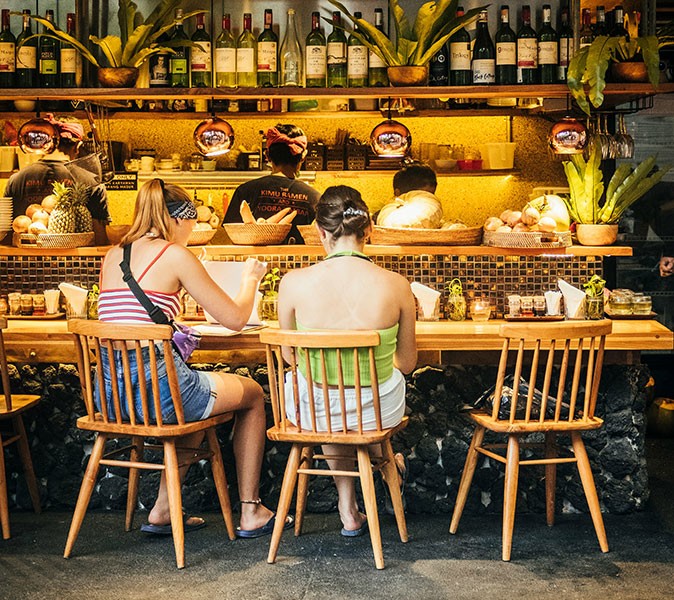
Ubud is the cultural and spiritual heart of Bali, and it attracts a slightly different type of digital nomad.
Think rice fields, yoga studios, vegan cafés, and a slower pace of life.
I’ve found Ubud to be perfect when I want to balance work with wellness. Outpost Ubud is a popular coworking space here with a very community-driven vibe, making it easy to meet other entrepreneurs or creatives.
If you choose to base yourself in Ubud, just be aware that the internet can be a little less consistent in the more remote parts of Ubud, so stick to the main hubs if you need strong Wi-Fi.
4. Seminyak

Seminyak is kind of a middle ground between Kuta and Canggu. It has a more upscale feel with boutique shops, stylish restaurants, and great beach clubs.
I don’t personally spend as much time here as in Canggu, but I’ve had some productive afternoons in cafés like Revolver Seminyak.
Seminyak is also great if you like to mix work with a more polished nightlife scene.
5. Sanur
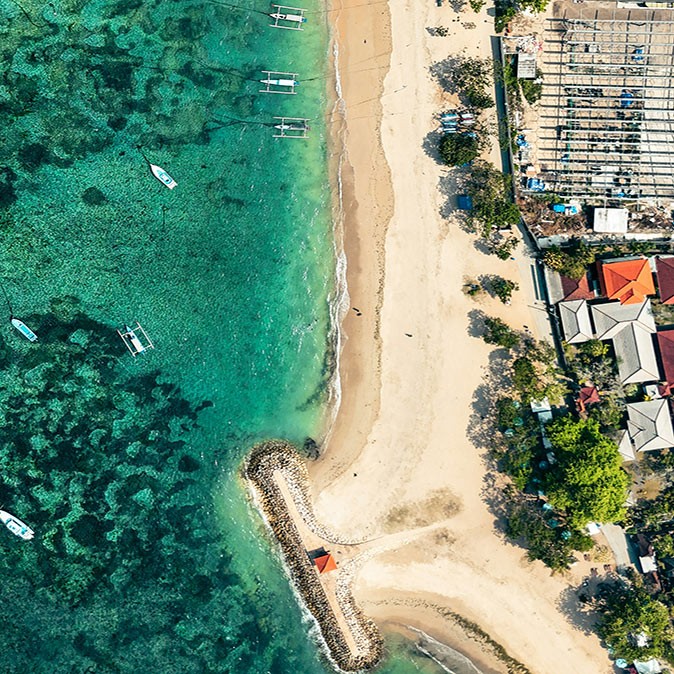
Sanur is quieter and less chaotic than Kuta or Canggu, which makes it a hidden gem for digital nomads who want a calmer base.
The beach here is relaxed, the vibe is more family-oriented, and I’ve found the internet surprisingly good in many cafés and coworking spots.
It’s also a great jumping-off point if you want to explore Nusa Penida or the Gili Islands on the weekends.
6. Uluwatu
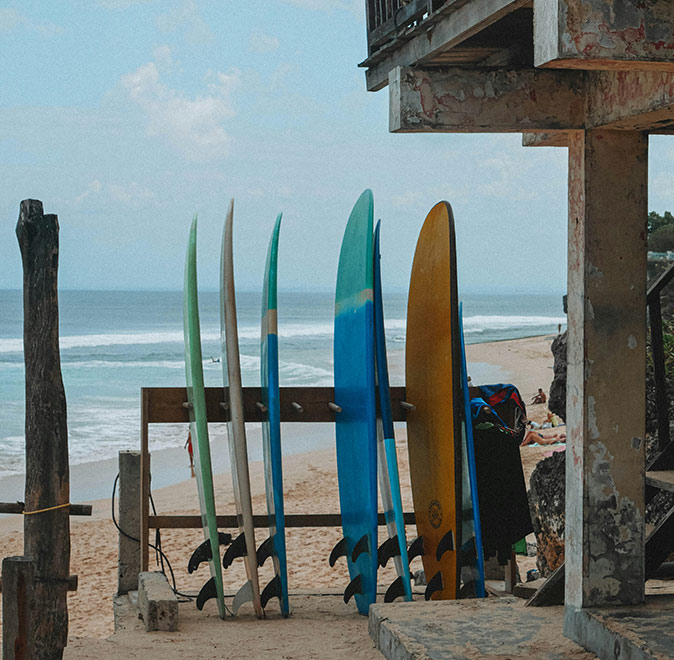
Uluwatu is better known as a surfer’s paradise, but over the last few years, it’s been attracting more digital nomads too.
If you love dramatic cliffs, ocean views, and working from cafés with some of the best sunsets in Bali, this is your place.
Coworking options are a bit more limited than in Canggu or Ubud, but I’ve had good experiences working from smaller cafés, and Uluwatu Hub is a really nice coworking space.
Just know that Uluwatu is a bit more spread out, so having a scooter is essential.
Cost of Living in Bali
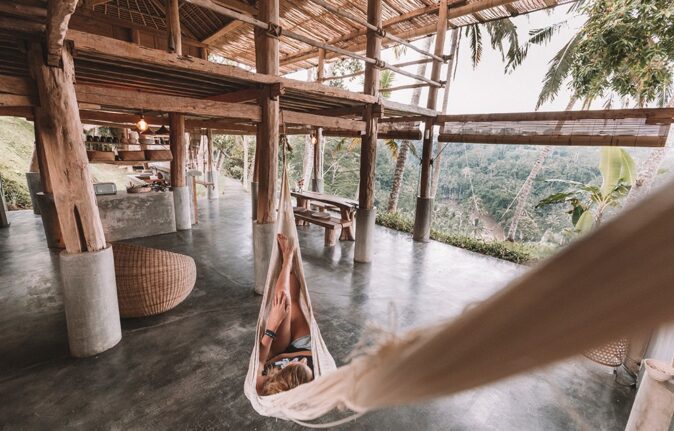
If you’re anything like me, you want to keep your costs down, but you don’t want to settle for substandard accommodation.
There is no shortage of gorgeous villas with infinity pools, looking out onto lush green rice paddies. And they won’t break the bank, either.
You shouldn’t have to spend more than US$ 1500 per month if you want a villa with everything included, but with some research, you can even get one for US$ 1000. And since many villas have more than one bedroom it’s quite common for digital nomads to share these villas.
In terms of value for money, I find Bali to be one of the best places around, and the cost of living in Bali is generally low for the quality you get.
Tip: finding a place in Bali to rent per month is easiest when you are already in Bali. But if you are looking for a villa or comfortable apartment to rent for a few days or weeks, check out VRBO.com. Or check Coliving.com for different types of coliving spaces that can be booked online.
When not staying in a villa, I rarely spend more than $40 per day, and that includes everything: accommodation, food and getting around. It’s certainly possible to live on less, too. I’ve stayed in hotels with pools for $25 per night, including air-con.
If you’re looking to settle in Bali longer-term, you could join a Facebook group like this one (for digital nomads in Canggu) where people advertise and happily advise.
Or check out one of the general Facebook groups for digital nomads in Bali. These groups are great places to both ask questions about digital nomad life in Bali and to connect with other digital nomads in Bali.
How to Get Around in Bali
By Taxi
Lots of travelers will use local taxis, but don’t expect drivers to always be honest!
They may tell you that they have a broken meter, or they may drive the longest route to charge you more. Agree on a price before starting the trip.
The blue taxis called ‘Bali Taxi’ have a reputation for being more honest than most.
Grab, the Asian version of Uber, works well in Bali. I generally prefer to use Grab over normal taxis.
Car or Scooter Rental
This is not for people who are nervous drivers; Bali’s chaotic roads are tough to navigate unless you’re used to them.
Traffic rules are made to be broken in Bali, it seems, so most journeys will be unpredictable at best.
With rental cars, you’ll need to feel comfortable driving from the right-hand side of the car. They drive on the left here, and all rental cars will have the driver’s seat on the right side.
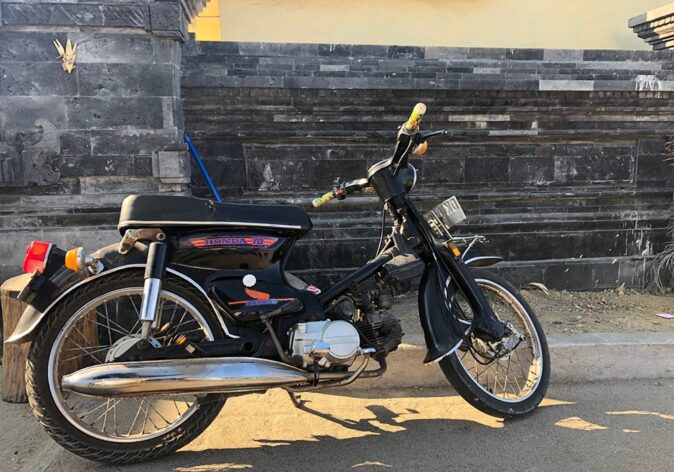
If you want to rent a scooter, as many digital nomads do, you’ll pay between US$4 and US$10 per day, depending on the engine size, not including gas. And you’ll get better deals if you rent per month.
If you’re uncomfortable with motorized vehicles, opt to rent a bicycle instead.
Bus, Shuttle Bus, or Ferry
The Kura-Kura Bus Shuttle service operates from the Duty-Free DFS bus terminal at Jalan Bypass Ngurah Rai.
They go to popular places such as Ubud, Seminyak, and Kuta. They’re pretty cheap to use and easy to spot with their turtle motif.
Kura-Kura buses can be pre-booked through their website if you want to purchase a daily ticket, but you can also hop on at any stop and buy a ticket by tapping your card on the card machine near the door. Check their website for more information.
There is also Perama Shuttle which offers both bus and ferry services all over the island. They can be booked by phone, through their website, or personally by going to one of their offices.
If you’re looking to travel Bali on a budget, grab a Bemo minibus, the local buses that operate on set routes across the island. Riding a Bemo is simple. When you see one coming down the road, raise your hand. It’ll stop for you and you can get on. Ask the driver if he’s heading towards where you need to go.
Bali Is a Great Location for Digital Nomads!
In short, Bali has an abundance of areas that work well for digital nomads looking for somewhere exotic where they can work comfortably and make great connections.
Enjoy your time on this beautiful island!
But, if you’re looking for a slightly quieter and less developed alternative, neighboring Lombok might be for you. This interview shares what it’s like to live in Lombok.
And if you are looking for other popular digital nomad destinations check out
- Playa Del Carmen for Digital Nomads
- Medellin for Digital Nomads
- Spain for Digital Nomads
- Portugal for Digital Nomads
- Zanzibar for Digital Nomads
Also Read:
- Interview With an Expat About What Life in Bali is Like
- The Best Things to Do in Indonesia – Tips From an Insider
- Interesting, Useful and Funny Facts About Indonesia
- Emotional Challenges of the Digital Nomad Lifestyle
- Being Productive While Working Remotely as a Digital Nomad
- 10 Perfect Gift Ideas for Digital Nomads
- 20 of the Best Jobs & Freelance Gigs for Digital Nomads
Like this guide to Bali for digital nomads? Pin it!
This blog about digital nomad life in Bali contains affiliate links. I may receive a commission for purchases made through these links, at no additional cost to you.
Amazing post! I really loved it and the info is more than useful. However, I have made a booking search for hotels there. And the prices that I got (for next year) are of …. 44.000 USD for 10 days lol. Any advice?
Keep up the good work!!!
Wow that’s crazy! Did you try Booking.com and Hotels.com? Or alternatively VRBO.com and Airbnb? And did you check if you are not accidentally booking during a major holiday that might drive up prices?
If you plan to stay longer and want to connect with other digital nomads in Bali I’d recommend just booking something short term online and then talk to other digital nomads while you are there (in coworking spaces, popular cafes to work from, in Facebook groups, etc) and then they will help you get information about house shares or current good places to stay for digital nomads.
The turtle bus sounds like a good option to travel around in Bali… I never used it when I was on holiday in Bali because I didn’t know how to use it.. thanks for the info!