
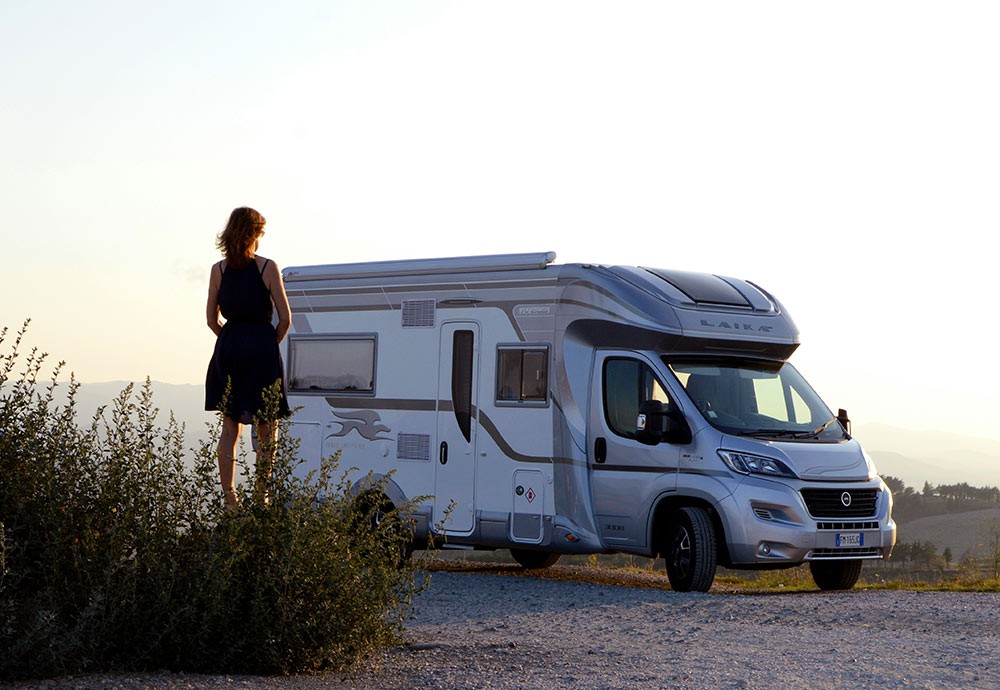
Are you thinking about planning an RV trip?
An RV road trip is more than taking a house with you on vacation. It’s a unique experience with all kinds of benefits, no matter where you’re headed.
For starters, an RV gives you the freedom to make yourself at home wherever you are, even when you’re in a new world when you step outside. You can set up your living space however it suits you, with the snacks you like, your favorite pillows, and the music you prefer to drive to – and fall asleep to.
This can be a game changer if you have kids – or a spouse – who aren’t crazy about sleeping in strange places. The outside may change, but the inside can remain the same.
Traveling in an RV can also be a money-saver. An RV trip not only gives you the option of enjoying a change of venue right outside your doorstep. It can be less expensive than hotels, allow you to cook your own meals, and let you stock up on drinks and nibbles, so you’re not spending on pricey road trip snacks at convenience stores.
As well, these vehicles come with so many of the comforts of home. Besides sleeping areas, many RVs have full bathrooms, couches, entertainment centers, and kitchens, letting you make the most of even rainy days.
In this guide I want to help you navigate some essential components to making your first RV adventure a smooth one. No matter where you plan to go, and whether you want to go on a short RV vacation or spend months traveling around in an RV, these essential tips will get you started.
Planning an RV Trip
1. Choose Your Route

Decide what you want to see and map out the best route. Yes, spontaneity can make road-tripping in an RV even more exciting. But you may need to make your campground reservation along your route in advance.
Places like National and State Parks, especially, are popular in summer. If you can, you may even want to consider traveling during shoulder seasons to make it easier to secure your spots.
Also Read: Visiting Redwood National Park – The Ultimate Guide
But even if you’re not traveling during a school break or in the peak of summer, planning a basic route is a good idea. It’s easier to research low-clearance overpasses, propane fill-up stops, steep grades, and tricky switchbacks ahead of time.
Be sure to use RV-specific GPS or Google Map settings to plan safe routes and gas stops.
You might also want to consider using an app designed for planning an RV trip like RV Life or Roadtrippers. They can help out by providing RV-safe GPS routing and campground reviews. They also highlight interesting stops along your route like attractions, restaurants, and scenic points, tailored for RV travelers.
For your first RV trip, I’d recommend sticking to main roads to avoid surprises, especially if you’re not used to driving a motorhome. Save the off-the-beaten-path trails and shortcuts for your next trip.
Once you have a general route plotted out, make notes of all the things along the way you don’t want to miss. Put your list in a new document on your phone, squirrel it away in your head, or put it right into your GPS. Whatever works best for you.
Planning everything out this way will help you manage your time. You don’t want to get halfway through your time away and realize you won’t be able to make all the stops you wanted to. Once you have your list, pass it along to each member of your group to narrow it down to the favorites you all want to take the time to explore.
Another benefit to mapping out your route in advance is that it minimizes the need for planning while you’re on the road. You can just relax, point your rig toward your next destination and go! No thinking required.
Next, it’s time to explore campground options along your route. Find the best location for your RV by looking for reviews from fellow travelers. Look for campgrounds with full hookups, laundry areas, recreational activities, or whatever amenities are important to you.
You might even want to trace your route and research points of interest for RV parking details. If you have stops without any info online, make use of satellite map views to check the feasibility of parking there.
Finding Facebook groups that focus on the places you’ll be visiting can be helpful, too. Members of these groups are often people who are local to the area or have traveled there before. They can be great sources of information about what to see, what’s not worth the hype, road construction to avoid, and a lot more.
Also Read: The Best RV Parks in Florida, USA
2. Choose the Right RV

When you’re planning your RV trip, choosing the right RV is an important element. You may be renting from an agency near your home and driving to your destination. Or you might be flying to your destination and renting your RV there. Either way, it’s important to do some research.
There are a lot of options to consider: size and amenities are two important ones. You’ll want to choose the ideal option for your family or group.
Remember that bigger is not always better. The extra space is great, but you need to be comfortable driving it, too. Try to balance comfort and maneuverability to avoid having more rig than you can easily navigate. If it’s too big, you’ll be driving stressed and that’s not safe or enjoyable.
If you plan to rent an RV in the US, RVs of all sizes are for rent with RVshare. If you’re in Colorado for example, and want to drive in Rocky Mountain National Park, search for RV rentals in Denver. They’ll help you find the perfect RV for your specific needs.
And once you’ve picked up your camper, make sure you know how everything works before you drive away. Learn how to level the camper and use its hookups. And be sure to take it for a spin around a parking lot or other unpopulated areas to get a feel for driving it.
Of course the folks at your RV rental agency can answer any questions you might have, so don’t be afraid to ask!
3. Budget for Your RV Trip

Traveling in an RV lets you explore different destinations without paying exorbitant hotel bills. And, instead of hopping from one hotel or Airbnb to another, you take your accommodation with you.
Still, traveling in an RV comes with its own costs. If you have a budget you’d like to stick to, adding them up before you leave will help.
As well as the RV rental cost, other expenses may include:
- Campground fees
- Gas
- Propane, if needed
- Food
- Possible campsite activities, such as hikes or tours
- Park passes, depending on the country you go RVing in
- Activity entry fees – amusement parks, for example
You should also have a bit of an emergency fund put aside for your adventure. This safety net will help cover unaccounted expenses, so they don’t put a dent in your vacation. At the very least, be sure to have some room on a credit card in case you need it.
Here Are a Few Tips to Help You Stay on Budget:
- Book your RV and campsites early
- Travel off-season
- Shop away from popular tourist areas
- Plan gas stops using apps to find the best prices
- Use items from home to use in the RV, if you can, instead of buying new
- Prepare your own food in your RV kitchen
- Pick up local specialties from farmers’ markets to cook in the RV
- Try boondocking. This is parking your RV outside of a designated campground. It’s free but requires research on safe places to park. In the US many Walmart stores, for example, allow motorhomes to park for the night. But be sure to buy a little something at the store in the morning, and be aware that there won’t be any amenities like electrical or water hook-ups.
- There are several memberships that you can purchase that will allow you to park your RV free or at a discount at attractions throughout the US. These include Thousand Trails, Passport America, and Harvest Hosts.
4. Pack the Essentials

Check with your RV rental agency to find out what will be included in your camper, and then create a checklist to help you pack for your trip.
Not all RV rentals include the same items, but you can expect things like kitchenware, tea towels, toilet paper, hand and dish soap, and other similar items to come with your camper.
Your packing list should include your clothes, personal toiletries, and outdoor gear. Don’t forget your everyday essentials like medications, diapers, bug repellant, etc.
And remember to bring books, hobbies, and games to entertain yourselves while on the road. There may be times on your trip when you won’t have any internet connection.
Stock your RV with food and drinks before you start your drive. If you’ll be picking up the unit near your home, you can take some personal comforts like favorite pillows and blankets. Also include emergency items like paper maps, first aid kit, and flashlights, if your rental doesn’t stock them.
You may even be able to bring your family pet! Just be sure to check out the agency’s pet policy.
Of course do remember that RVs don’t have the kind of storage space you’re used to at home. Bring only the things you’re pretty sure you’ll actually use on your trip. You can always stop along the way and pick up anything you don’t have.
Also Read: What to Pack for a Trip to Europe and Things to Bring on a Hike
5. Set up the Campsite
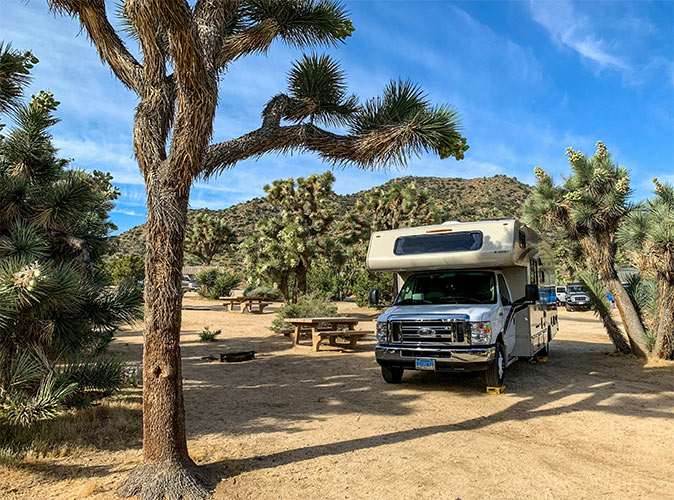
When you arrive, explore your campground’s amenities and facilities. Learn about the essential areas and services. These could range from dedicated laundry spaces to recreational spots like pools and playgrounds. Wander around and get the lay of the land.
It will also be helpful to know the site’s rules and regulations like speed limits, quiet hours, and waste disposal procedures.
Once you get to your campsite, you’ll want to park your RV on a level surface. If you’re not quite level, follow the advice you got when you picked up your RV regarding the use of leveling blocks or ramps. These will raise one side of the unit if the spot is uneven.
Wait until you’re level to connect to the utilities like water, electricity, and sewage hookups. Then use wheel chocks to further secure your camper’s position, even when parked on level ground.
If you happen to be renting your RV near where you’ll be setting it up, some RV rental agencies will even deliver the RV right to your campground’s location.
Once everything’s level and connected, set yourself up so that you’ll be comfortable. Take advantage of any privacy you can find (like parking your camper so the door is facing away from your neighbor), set up camping chairs outside your door, unroll your awning. Do what feels good, and makes your site feel like home.
6. Other RV Tips to Consider

Remember to manage your travel expectations. If you’ll be driving a long distance, plan for an average route speed of 50 mph (80 km per hour).
Also, try to follow the 3/300 rule: Drive no more than 300 miles (480km) in a day and arrive by 3pm, or at least a couple hours before dark. This way you can avoid becoming overtired at the wheel, and you’ll have time to set up camp and relax.
You’ll have a better time if you just drive slowly and cautiously, especially if you’re new to traveling in an RV, or if your route goes through any mountains. Remember that RVs were not built for speed, particularly uphill. They were tailored for cruising and sightseeing. Traveling at this rate helps protect the unit from any damage caused by poor road conditions. Your group will be more comfortable, too.
And try to stay flexible. Take unexpected changes in your plans in stride and have backup plans for bad weather. Enjoy the journey and take time to explore and relax.
Research RVing in the specific area or country you plan to go to. Especially if you’re going to a foreign country, finding out how RVing works there before you start your trip will save you a lot of time and stress during your vacation.
In most of Europe, for example, Campy.app is a popular website to find good motorhome stops and campgrounds. Other parts of the world have other popular websites and apps. Do some research before you go to make sure you know the best apps and websites to use.
Make sure you have the phone number of your RV rental agency, just in case something happens, and get suitable travel insurance before you start your trip.
Finally, be courteous if you plan to boondock or camp in public spaces. Keep the noise and lights low, and clean up any mess before you leave.
Plan the Perfect RV Getaway Today
Traveling in an RV can be a great experience. But before you hit the open road – plan your RV trip!
A little preparation will go a long way toward making sure you have a relaxed, safe, and enjoyable adventure.
Also Read:
- RVing in Maine: Must-See Destinations & The Best RV Campgrounds
- RVing in Iceland: Things to Know to Plan a Perfect Trip
- An Alaska Itinerary – Perfect for an RV trip
- 7 of the Best Camping Spots in California
- Camping in Valencia, Spain – A popular country for an RV vacation
- A Road Trip Around New Zealand’s North Island – Great for traveling in an RV
- Scotland’s North Coast 500 Road Trip – Perfect for camping & RVing
This post contains affiliate links. I may receive a commission for purchases made through these links, at no additional cost to you.