

How to snorkel? That’s actually a very common question!
Snorkeling is one of the most loved watersports around the world. This is probably because snorkeling requires little equipment and anyone can pretty much do it with a few basic instructions – which I will cover in this article.
First time snorkelers might have their fears, which is completely natural (I still remember being nervous the first time I went snorkeling). But, once you get the hang of it, and with a few easy snorkeling tips, snorkeling isn’t difficult at all. And it shows you a beautiful world hidden underwater.
Snorkeling requires a few main pieces of equipment: a mask, a snorkel, and fins.
If you are venturing into dark or colder waters you can also take an underwater flashlight and a wetsuit. And if you are snorkeling in tropical climates you might want to wear a rashguard and board shorts to protect yourself from the sun.
But I’ll give further equipment recommendations at the end of this article. Let’s start with the basics: what is snorkeling and how to snorkel?
People sometimes confuse snorkeling with scuba diving or free-diving, but whilst snorkeling you stay on the water’s surface to avoid water entering your breathing tube. This allows you to watch the underwater world for long periods without worrying about holding your breath.
How to Snorkel: Quick Answer
Snorkeling is surprisingly easy for most people to learn.
Put on a properly fitting mask, place the snorkel mouthpiece comfortably in your mouth, float face-down on the surface and breathe normally through the snorkel. Use your fins to move slowly through the water without relying heavily on your arms.
For your first time, choose calm, shallow water with little or no current and stay somewhere you can easily return to shore or your boat if you become uncomfortable.
How to Snorkel: Practical Snorkeling Tips for Beginners
If it’s going to be your first time snorkeling or if it’s been a long time, these snorkeling tips will help you feel confident and enjoy the experience.
I’ll try to answer all the frequently asked questions around the topic of how to snorkel to cover everything you need to know.
1. Check Your Equipment

Before you enter the water you need to check all of your equipment to make sure it’s functional and the right size. This can be done while purchasing your snorkeling gear or whilst you’re at the watersport center (if you’ve booked a snorkeling tour).
The first thing to check is your breathing tube or snorkel. Make sure it fits in your mouth and that you can create a good seal between the rubber/silicon and your mouth. This way no water enters your mouth while your head is underwater.
Next, check your snorkeling mask. Make sure you can easily adjust the strap tightness. To check if the mask is the correct size, hold the mask to your face and breathe in through your nose. If the mask is the right size it should remain on your face with no additional support i.e. your hands or strap.
Lastly, you should check your fins. I would initially get the same size fins as you would wear as trainers. Try them on to make sure they are a tight fit. To do this I usually sit on a chair and raise my legs, kick my legs, and make sure there is no slack or movement between the rubber and the skin. If there is, then try the next size down.
If you are less confident in the open water and require a life jacket to snorkel, then make sure this is in good condition and fits your body comfortably.
2. Check Your Snorkeling Location

If you are new to snorkeling and are looking for an easy place to learn, then pick somewhere that has calm water with little to no current. Strong currents can easily take you off course.
Also, check the snorkeling distance – can you easily swim back to shore or your boat if something goes wrong?
3. Relax, You’re Snorkeling, Not Swimming

Something to keep in mind is the fact that snorkeling is largely based on floating.
You’ll use your hands a lot less than if you were just swimming. In fact, you don’t need to use your hands at all and some snorkelers prefer to lock their hands in a single place, usually on the chest or behind the back.
You should calmly float on the surface of the water and use your fins to propel you along. Using the correct technique helps you conserve more energy and keeps you in the water longer.
Breathe in and breathe out through your snorkel. Stay calm and enjoy everything there is to see underwater.
And remember that you can simply lift your head from the water if you feel uncomfortable.
4. How to Avoid Swallowing Water
One of the main reasons people choose to go snorkeling is the ability to breathe whilst looking underwater.
So the one thing you don’t want is water entering your mouth. To make sure this doesn’t happen, check if your breathing tube is correctly clipped onto your snorkeling mask so it points vertically out of the water while your head is facing down. This way the top part of the tube stays out of the water at all times.
Another tip to avoid the inlet of water is to make sure you keep a tight seal between the breathing tube mouthpiece and your lips.
5. How to ‘Clear’ Your Snorkel
Knowing how to clear your snorkel is important. It’s likely that while snorkeling some water will either make its way in through the mouthpiece or perhaps enter through the top of the breathing tube. Don’t worry, it happens to everyone!
Clearing your snorkel involves you pushing the water back up the breathing tube and out the top, or out of the purge valve if your snorkel has one.
Just breathe out, strongly, to push the water out.
But, if you have swallowed some water or don’t have any breath left to clear your snorkel, then simply lift your face out of the water, and whilst treading water remove the mouthpiece and tilt the mouthpiece to pour out the water, or take a deep breath and try blowing out the water again.
6. How to Defog Your Mask for Snorkeling

One of the most annoying things that can happen while snorkeling is your mask fogging up.
Knowing how to defog your mask is, therefore, an important skill in snorkeling. I always use baby shampoo – I rub the baby shampoo onto the inside of my snorkeling lens and rinse it with clear water. This creates a layer between the glass of the mask and the air (your breath), which stops the mask from fogging up.
Alternatively, you can purchase defogging sprays that work equally well to defog your mask.
Every time you get back into the water you will have to defog your mask again.
Note: If you forgot to bring baby shampoo or defogging spray you can also use your own spit. I find it doesn’t work as well, but it does work.
7. How to Snorkel With Glasses
Wearing actual glasses under your snorkeling mask isn’t possible, which is why most snorkelers opt to wear contact lenses.
Alternatively, you can purchase a prescription snorkel mask.
8. How to Snorkel Underwater

If you’ve watched people snorkeling before you might have seen snorkelers diving down and swimming underwater for a moment.
I personally like doing this because it brings me closer to the reef, the fish, a wreck, or whatever I am looking at.
But, it’s a skill best taught in person. So if you ever go snorkeling with a guide or an experienced snorkeler and you want to learn how to best dive down and snorkel underwater, I’d recommend asking them for a demonstration.
If this is your first time snorkeling however, you might feel more comfortable just staying at the surface and enjoying all there is to see.
9. Do You Need a Life Jacket to Snorkel?

No, if you are a good swimmer you don’t need to wear a life jacket when snorkeling.
Of course, it does help you float so you might find it more relaxing.
Others, like myself, find a life jacket uncomfortable, and it makes it practically impossible to dive down and snorkel underwater.
Some tour companies make using a life vest mandatory. If you’re on a snorkeling trip with one of those companies then, of course, follow their rules.
If you can’t swim I wouldn’t recommend snorkeling, not even with a life jacket.
10. Snorkeling Safety Tips
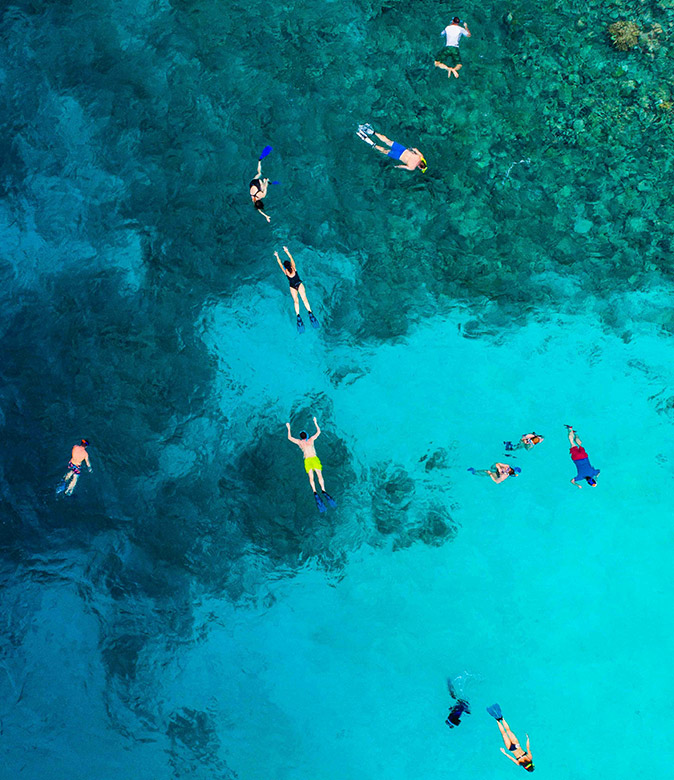
Snorkeling is usually a relaxed activity, but you are still swimming in open water, so it’s important not to treat it as completely risk-free. Conditions can change quickly, and even strong swimmers can get into trouble if they become tired or are caught in a current.
Here are some basic snorkeling safety tips to keep in mind:
Check the Conditions Before Getting in
Look at the weather, waves, tides and currents, and pay attention to any local warnings. If the water looks rough or the current is stronger than you are comfortable with, it’s better to skip the snorkel or choose a more sheltered location.
Don’t Snorkel Alone
Whenever possible, go with a buddy and stay within sight of each other. If you’re snorkeling as part of a tour, follow the guide’s instructions about where to go and how far you can swim from the boat or shore.
Be Honest About Your Swimming Ability
You don’t need to be an Olympic swimmer to enjoy snorkeling, but you should be comfortable in the water and know your own limits. If you’re not a confident swimmer, ask the tour operator about suitable locations and whether a properly fitted flotation device is recommended or required.
Don’t Fight a Current to the Point of Exhaustion
If you find yourself being carried away from your starting point, stay calm and signal for help if necessary. Trying to swim directly against a strong current can quickly use up your energy. Follow local safety advice about how to get out of the current and return to a safe area.
Keep an Eye Out for Boats
In areas where boats, jet skis or other watercraft are present, stay within designated swimming or snorkeling areas if possible, and follow local rules.
If you’re snorkeling from a boat, stay aware of other vessels in the area. They may not see you snorkeling so it’s important you pay attention to them and make sure they don’t get too close to you.
Take Care of the Sun
You can get surprisingly sunburned while snorkeling because you may not notice how much sun you’re getting while looking underwater. Believe me, I speak from experience! 🙁
A rash guard or snorkeling shirt can provide useful protection, along with appropriate sun protection for exposed skin. But I’ll share more about that later.
Know When to Get Out
If you’re feeling tired, cold, seasick, dizzy or uncomfortable, end your snorkel rather than trying to push through it. It’s much easier to enjoy another swim later than to get yourself into trouble because you stayed in the water too long.
I hope these snorkeling tips have helped you understand how to snorkel and have made you excited about your snorkeling trip!
But, continue reading to find out how to snorkel without harming the environment and what the best snorkeling gear is.
How to Snorkel Responsibly

1. Respect the Coral
Many people don’t know that coral is actually a living organism.
Please don’t touch any coral, always ensure you aren’t kicking any coral with your fins while treading water, and never stand on it!
2. Never Touch Any Fish, Turtles or Other Marine Life
One of the most important rules when snorkeling is simple: look, but don’t touch.
Touching marine life can disturb or injure animals, even if you have good intentions. Turtles, for example, may change their natural behavior when people get too close.
There’s also a reason to keep your hands to yourself for your own safety. Some marine animals can sting, bite or otherwise cause injury if you touch or corner them. You don’t always know how an animal will react, especially if you’re unfamiliar with the species.
The best approach is to give marine life plenty of space and let it behave naturally. Never chase, grab, feed or block an animal’s path. If a turtle swims away from you, for example, don’t follow it just to get a closer look.
3. Use Reef Safe Sunscreen
This is a topic that is finally getting more attention. Coral reefs across the world are dying due to pollution, climate change and the chemicals found in sunscreen.
Please use reef-safe sunscreen
4. Don’t Take Anything Home With You
This applies to everything you see while snorkeling and on the beach.
E.g. shells, coral, starfish. Some countries enforce strict laws if people are caught doing so.
Remember, you’re there to enjoy the beauty of the underwater world; leave it for someone else to see as well!
Also Read: Why You Shouldn’t Buy Seashells or Take Them From the Beach
Snorkeling Gear for Beginners – My Recommendations

1. Best Snorkel Sets
If you don’t have any snorkeling gear yet, the easiest option is to buy a complete snorkel set.
I would recommend this Cressi snorkeling set as perfect snorkeling gear for beginners. Cressi is one of the best brands out there so you’ll be sure to have great quality snorkeling gear.
If you’re looking for a cheap, but still good, snorkeling set I’d recommend this Wacool set. It doesn’t include fins, but if you’re snorkeling off the beach in calm water you don’t really need fins. And if you are snorkeling with a tour company they will have fins for you.
Wacool offers a snorkeling set for kids as well.
Note: tour companies also provide masks and snorkels, but I HIGHLY recommend always bringing your own. First of all your own set will often be of better quality than the ones tour companies have, but more importantly, you’ll know they are clean. Believe me, I’ve worked with companies who run snorkeling tours… they don’t always rinse those snorkels as well as you would like!
2. Best Masks for Snorkeling
If you’d rather buy a mask separately I highly recommend this Cressi mask.
Again, Cressi is one of the best brands out there and I would say this is the best mask for snorkeling and also one of the best masks for diving.
You can combine it with this snorkel if you don’t have one yet. And, especially if you have long hair I’d recommend getting a mask strap cover. It’s cheap and one of my best purchases because it just makes it SO much easier to put on the mask.
If the idea of having to breathe through a snorkel makes you feel uncomfortable then consider buying a full face mask.
With a full face mask you can breathe through your mouth and your nose and especially if it’s your first time snorkeling that might make you feel a lot more comfortable.
I’d recommend this full face mask for kids. And especially for kids I think these masks are a great option for a first time snorkeling. I’ve often seen kids getting very nervous about having to breathe through their mouth with a normal snorkel, and that fear is eliminated by using a full face mask.
3. Best Fins for Snorkeling
I love these Cressi fins for snorkeling because they are nice and small and therefore easier to pack.
Shorter fins will give you slightly less power and make you swim slightly slower than longer fins, but you are snorkeling, not joining a race, right?
If you do want longer fins – if you are snorkeling in strong currents longer fins do really make a difference – then I’d recommend these Cressi ones.
4. Sun Protection While Snorkeling
As I mentioned before, please use reef safe sunscreen. Apply it at least 20 minutes before you get into the water so that it has ample time to be absorbed.
Bare Republic and Badger offer good quality reef safe sunscreen.
Apart from that, I always recommend wearing a rash guard
I learned this the hard way after some severe sunburn! And yes, that was while wearing sunscreen.
There’s a wide range of rash guards for men, women, and children. Which one you choose is mainly down to personal style.
I’d recommend going for a short-sleeved and light-colored rash guard if you are snorkeling in very warm climates. If it’s a bit colder where you’re going snorkeling then I’d recommend a long-sleeved and black or dark rash guard – the sun will help you warm up quicker if the rash guard is a darker color.
That’s it. Those are all the snorkeling tips you need to have a great first time snorkeling!
Also Read:
- 15 of the Best Beaches in the World You Should Visit Once in Your Life
- Why You Shouldn’t Take Shells From the Beach or Buy Them as Souvenirs
- What is Ecotourism & How to Become a More Sustainable Traveler
- The Best Snorkeling Spots in Palawan, the Philippines
Like this article about how to snorkel? Pin it!

Disclaimer: As an Amazon Associate I earn from qualifying purchases.
My husband and I have always wanted to do a snorkel tour. Thanks for sharing your tips about the best masks for snorkeling. I’ll make sure that we can find them.
It’s good to know that proper fins are important for snorkeling. My kids love snorkeling so we want to go on our next trip. I’ll make sure we all have nice fins!
It was really helpful when you mentioned that it is important to use sunscreen that is reef safe when you are snorkeling. My wife and I are wanting to go snorkeling next spring and my wife gets really bad sunburns if she is exposed to the light for too long. I will have to make sure that I find some sunblock that is reef safe so that she doesn’t get any bad burns on her back.