

As someone who has lived in Buenos Aires for decades, I’ve seen countless newcomers fall in love with the city’s rhythm while also facing the unexpected quirks that rarely show up in guidebooks or Instagram reels.
Buenos Aires is vibrant and endlessly fascinating, but living here is very different from visiting.
Whether you’re considering an extended stay, eyeing the digital nomad visa, or planning to make Argentina your permanent home, there are a few things you should know before you settle in.
This article offers a realistic look at daily life, shaped by my experience as someone who lives here rather than tourist impressions.
Things to Know About Life in Buenos Aires
1. Understanding Local Culture
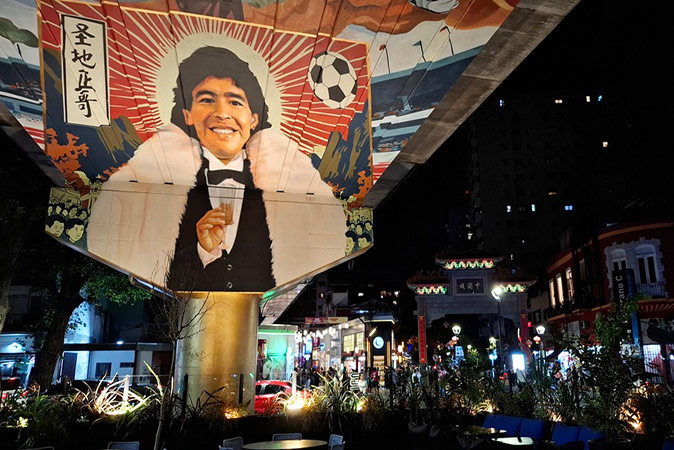
Buenos Aires is warm, expressive, and deeply social, and as an Argentinian, this feels completely natural to me.
Often, when I meet someone for the first time, regardless of gender, I greet them with a hug or a kiss on the cheek, even if we’ve just been introduced. For visitors, this level of closeness might initially surprise or even shock them, but it’s simply part of how we connect.
Our conversations are usually lively, full of Italian-style gestures, and often passionate (especially about football and politics). We tend to be direct, sometimes even unfiltered, but this frankness almost always stems from friendliness, not rudeness.
We’re not exactly the most punctual people. When we meet up with friends, usually nobody arrives on time, and some even arrive more than half an hour late.
Our dining habits also reflect this relaxed rhythm. Dinner rarely starts before 9 PM, and cafés stay busy well into the night.
Also Read: Things to Consider Before Moving Abroad
2. The Cost of Living in Buenos Aires
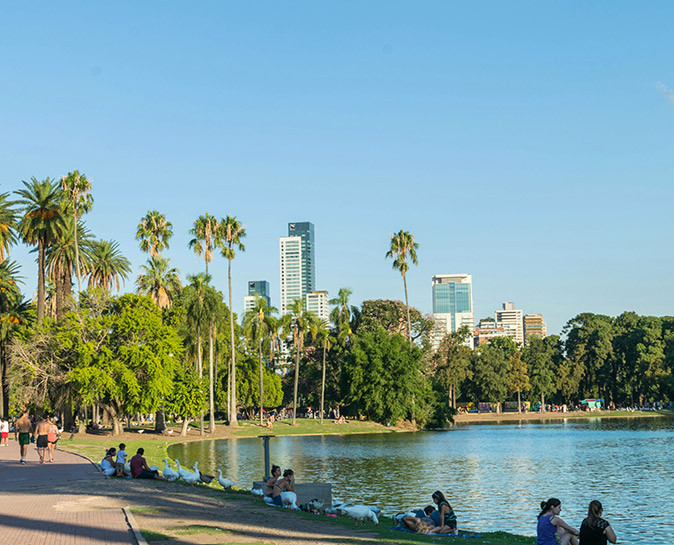
Until recently, Argentina was almost a cheat code for digital nomads and long-term travelers. I watched people arrive expecting Europe-level quality at a fraction of the cost, and for a while, that was mostly true. A favorable exchange rate and constant economic swings made daily life feel unusually affordable for anyone earning in foreign currency.
However, that narrative has begun to shift. Inflation is still high, but it’s no longer chaotic, hovering around 30% annually. The downside is that prices have adjusted, and Buenos Aires no longer feels like a “budget” city.
We always complain about how expensive imported goods are, like electronics, sportswear, and designer clothing; they often cost more than in Europe or the United States. That’s why I recommend that if you plan to live here for an extended period, don’t come expecting to buy cell phones or computers in Argentina, as they will cost you significantly more.
Eating out has also become something locals think twice about. We used to go out a lot for drinks and meals. And although we still do, many of us are opting to get together at people’s homes or in parks to cut costs.
For example, a simple dinner for two can easily cost between $25 and $40, which puts it on par with many mid-range European cities. Even services that used to seem like a bargain (haircuts, private medical care, gyms) have steadily become more expensive.
Housing is where expectations need the most adjustment. A one-bedroom apartment in a safe, well-connected neighborhood (not luxury, not trendy) usually falls in the $400–600 USD range per month. You can find cheaper options, but quality, noise, and building conditions vary a lot, something many newcomers underestimate at first.
Of course, if you are coming from North America or Western Europe you’ll probably still find all of this quite inexpensive, but it’s not the bargain it once was.
But it’s not all bad news. Public transport, while more expensive for us, is still incredibly cheap and efficient compared to most European capitals, and buses can take you all over the city for very little money.
Services like electricity, gas, and water remain affordable by international standards, which helps keep monthly expenses under control if you stay longer.
In conclusion, Buenos Aires is no longer the cheap destination it used to be, but if you arrive with realistic expectations, earn money in a stronger currency, and slightly adapt your lifestyle, with more cooking and choosing neighborhoods wisely, it’s still a city where you can live very well without overspending.
3. How to Pay for Things in Buenos Aires
In recent years, digital wallets have become the most common way to pay for almost anything in Argentina (luckily). Apps like Mercado Pago are widely used by shops, cafés, restaurants, taxis, and even street vendors. The shops often prefer these platforms because payments are instant and convenient. And, for you as the customer, it saves paying the 5-15% fee many shops add to credit card payments.
But cash is still very much a part of everyday life. Small kiosks, older cafes, markets, and neighborhood services may only accept cash, so it’s always a good idea to carry some pesos. Plus, you can often take advantage of discounts offered for cash payments.
Credit and debit cards are accepted in most mid-range and higher-end restaurants, supermarkets, hotels, and chain stores. However, it’s not unusual for smaller businesses to add a surcharge or have card terminals temporarily “offline”, so having a backup payment method is essential.
4. Choosing a Neighborhood to Live in
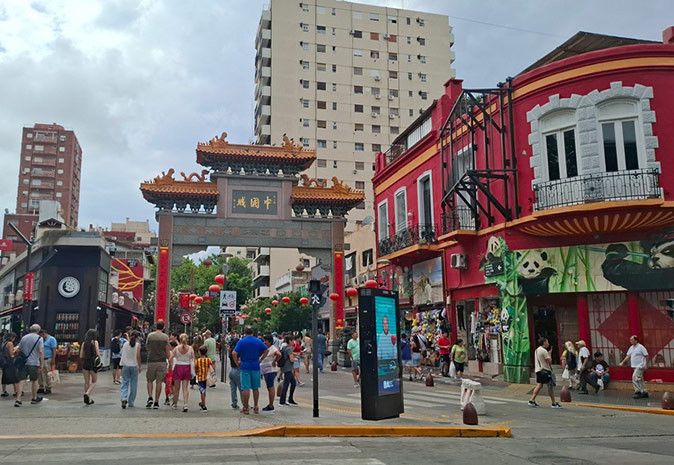
Buenos Aires is a city of neighborhoods. From my perspective, the “right” area depends entirely on whether you’re arriving as a traveler or with the intention of settling here for longer.
If I were coming as a tourist, or even for a short digital nomad stay, I would choose Palermo or Recoleta without hesitation. That’s where most of the bars, clubs, restaurants, and social life are concentrated, and where many of the city’s main attractions are within easy reach. These neighborhoods make it easy to meet people, stay active, and feel plugged into the city from day one.
But if my goal was to actually live in Buenos Aires, my priorities would change. I’d look beyond the usual expat hotspots and focus on more residential, affordable areas like Villa Urquiza, Villa Crespo, Caballito or Villa Pueyrredón. These neighborhoods feel calmer, more local, and far less tourist-driven, while still offering good transportation links and a much better price-to-quality ratio for rent. Day-to-day life there feels more sustainable in the long run.
Some areas, such as San Telmo or parts of the downtown core, can be fascinating to explore but don’t work as well for long-term stays due to noise, crowds, or safety concerns at night.
5. Getting Around the City
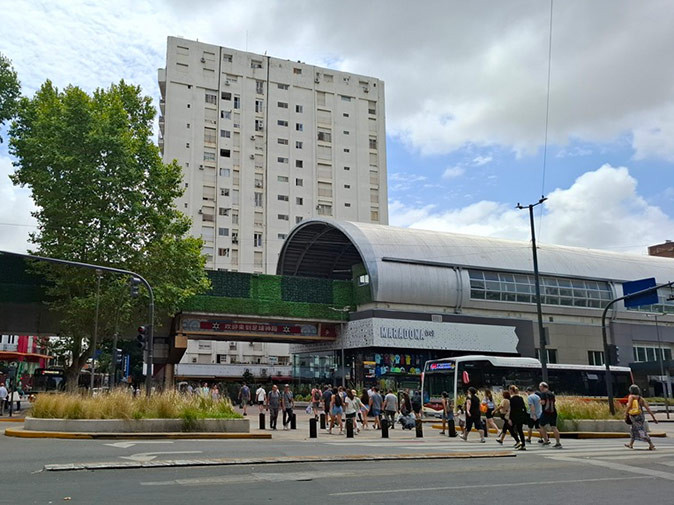
Getting around Buenos Aires is not complicated. For me, public transportation is still my default option, especially for everyday movement.
The subway, known locally as the Subte, is fast and incredibly cheap, although its coverage is limited and doesn’t reach every neighborhood.
Buses run 24 hours a day and reach virtually every corner of Buenos Aires, and once you get used to the routes, they quickly become part of your daily routine. They can be confusing at first, but after a short adjustment period, they’re unbeatable in terms of price and flexibility. Download the Cuando SUBO app, which is the best app to check bus routes and times.
To travel on public transport, you can pay with a card called “SUBE”, which can be purchased and recharged at many kiosks or stations. But nowadays you can also pay using a credit or debit card.
Public transport can be quite limited at night, which is where the next option comes in.
For convenience, taxis and rideshare apps like Uber, DiDi, and Cabify are everywhere. Even relatively long trips usually cost just a few dollars, which makes them especially appealing for late nights, busy days, or when you simply don’t want to deal with transfers.
Traffic is another story. If there’s one thing that’s a common annoyance in Buenos Aires, it’s abrupt service disruptions due to accidents, strikes, or road closures caused by all sorts of social protests, especially downtown. But, we get used to it, we may swear, but we keep going.
6. Food in Buenos Aires

Buenos Aires blends European influences, especially Italian and Spanish, with long-standing local traditions, creating a food scene that feels familiar yet uniquely Argentine.
One of the most iconic experiences is visiting a parrilla, the local version of a steakhouse. Here you’ll find the famous Argentine cuts of meat: bife de chorizo, vacío, and entraña, slowly cooked over charcoal.
There are parrillas to suit different budgets, although they tend to be on the more expensive side.
For me, the best thing is to get together at a friend’s house, and while one person cooks the asado, the rest enjoy drinking fernet, listening to music, and chatting.
On the more everyday side, Buenos Aires is filled with bodegones: old-school neighborhood restaurants serving generous, comforting portions of dishes like milanesas, ñoquis, tortilla española, and simple beef stews. They’re inexpensive, nostalgic, and loved by locals for their no-frills atmosphere.
The Italian influence is especially strong in Argentina, and nowhere is it more evident than in the city’s passion for pizza. I love cheesy pizza, and you’ll find plenty of it in Buenos Aires.
There are hundreds of pizzerias to try, but my favorite, and the one I take whenever someone from out of town visits, is Guerrin, located very close to the city center. You must try the fugazzeta stuffed with ham, it’s amazing!
Whether for breakfast or an afternoon break, we like something sweet. You’ll find every bakery overflowing with pastries and sweets of all shapes and sizes. Paired with a coffee with milk, they’re a simple pleasure we enjoy often.
7. The Nightlife in Buenos Aires

Buenos Aires is famous for having one of the most vibrant nightlife scenes in the world, something you’ll notice as soon as the sun goes down.
Many people start their evenings late, getting together for dinner no earlier than 9 or 10 p.m., and bars fill up around midnight. If you’re going out partying, don’t expect many people until 2 or 3 a.m., as many places stay open until dawn.
The city offers something for every taste. Trendy neighborhoods like Palermo are packed with cocktail bars, craft breweries, and late-night restaurants, perfect for bar-hopping or relaxed social nights.
If you’re looking for something more local and understated, areas like Almagro, Chacarita, or San Telmo have a growing number of small bars, live music venues, and cultural spaces that attract a more mixed crowd.
For dancing, Buenos Aires has it all, from electronic clubs and hip-hop nights to the traditional milongas, where locals dance tango until the early hours.
8. Dating in Buenos Aires

Dating in Buenos Aires can be intense and delightful. We tend to be curious and affectionate quickly, and it’s very common to have deep, personal conversations right from the start, even when you’ve just met.
Generally speaking, when we begin a relationship, it tends to be slow in terms of labels, but very fast emotionally. Connection, presence, and shared time are prioritized, which can be exciting or confusing depending on what you’re used to.
Dating apps like Tinder, Bumble or even Instagram, are extremely popular and make meeting people incredibly easy. In fact, I met my current girlfriend through an app, which says a lot about how commonplace it’s become.
9. Safety in Buenos Aires
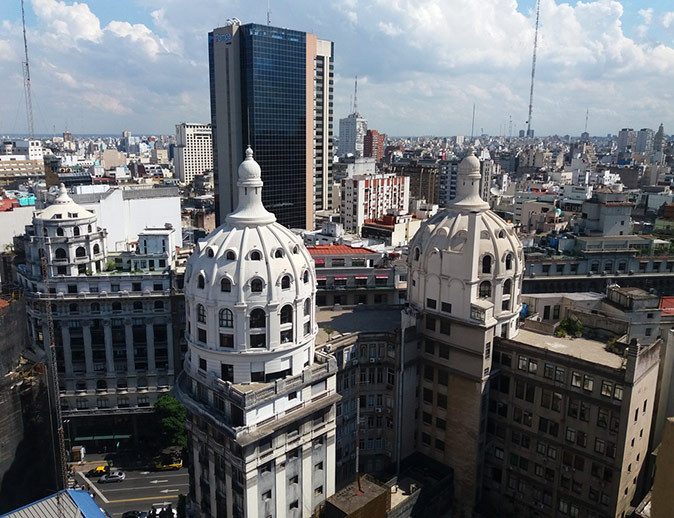
Buenos Aires is safer than many large cities in Latin America, but it’s still a place where staying alert really matters.
Most of the issues people run into are related to petty crime, phones being snatched, pickpocketing in crowded areas, or bags left unattended in cafés.
Violent crime is rare in the neighborhoods where most visitors, digital nomads, and expats tend to stay.
Personally, I try to avoid walking alone late at night whenever possible, just to be on the safe side.
Thieves on motorcycles with guns (Motochorros) are a real thing here, and they usually target people who look distracted or isolated. Because of that, I’m extra careful with my phone in public and prefer to use rideshare apps when moving around after dark.
But daily life generally feels comfortable and normal. If you stay aware of your surroundings and adjust a few habits, the city is easy to enjoy without constantly worrying about safety.
10. Scams to Be Aware Of
As in any big city, there are always opportunists looking to take advantage of newcomers.
Common problems include shady money-changing schemes or distraction techniques where someone tries to approach you under the guise of “helping” or pointing something out.
Taxi scams are less common these days; with GPS, they can no longer unnecessarily lengthen the journey. For me, the best option is to use apps like Uber, which avoid those problems or issues with rigged meters.
11. Traveling Around Argentina from Buenos Aires

Buenos Aires is the country’s main transportation hub, making it incredibly easy to reach almost any destination in Argentina.
If you plan to explore beyond the capital, the most convenient option is to fly with a low-cost carrier like JetSmart or Flybondi, although it’s worth noting that cancellations and delays are very frequent, particularly with Flybondi.
Those low-cost airlines operate frequent routes from Buenos Aires to the country’s most iconic regions, often at very affordable prices compared to traditional airlines.
Also Read: How to Find the Cheapest Flights
From the city, you can easily reach Patagonia and visit El Calafate, the gateway from where you can get to Perito Moreno Glacier, or head west to Argentina’s world-famous wine region at the foot of the Andes, where there’s no shortage of unforgettable things to do in Mendoza.
12. Digital Nomad Life in Buenos Aires

Buenos Aires works incredibly well for digital nomad life. The internet is generally reliable, cafés are everywhere, and there’s no shortage of coworking spaces if you need structure or a more professional setup.
On top of that, the social side of the city makes it very easy to feel connected rather than isolated.
There’s a constant flow of language exchanges, cultural events, and informal meetups, along with a large and growing community of remote workers. It’s easy to meet people, collaborate, or simply fall into a routine that mixes work with a very active social life.
The main downside is financial volatility, which is always present in Argentina. From my perspective, though, if you earn in a stable foreign currency and plan your budget with some flexibility, Buenos Aires is an extremely comfortable and enjoyable place to base yourself as a digital nomad.
Final Thoughts on Living in Buenos Aires
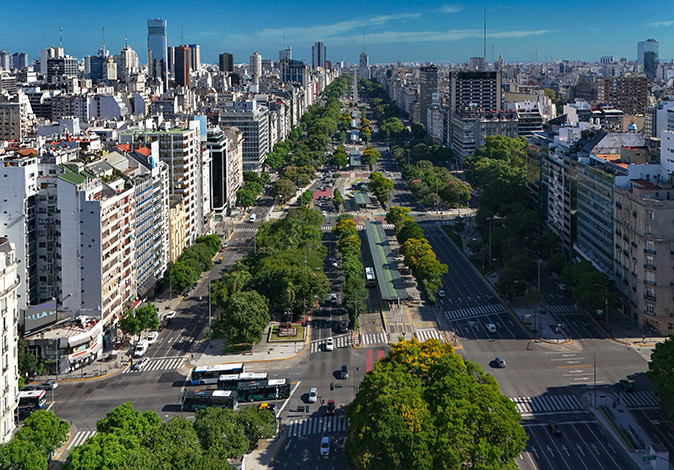
Having lived in Buenos Aires almost my entire life, I can say that I genuinely like it as a city to live in.
For me, it’s one of the best cities in Latin America, largely because of its unique mix of Latin energy and strong European roots.
That combination shapes everything, from the architecture and food to the way people socialize, and it’s also why I see so many foreigners fall in love with the city after spending some time here.
Buenos Aires can be intense. The streets are busy, the economy is unpredictable, and there’s a constant sense of movement. But it also offers a warmth and vibrancy that are hard to find elsewhere.
Long dinners with friends, an endless cultural agenda, green parks, and a social life that rarely slows down give the city a rhythm of its own.
Whether you stay for a few months or decide to settle in longer, the city has a way of pulling you in. Once you adapt to its quirks, Buenos Aires will start to feel like home.
Also Read: