
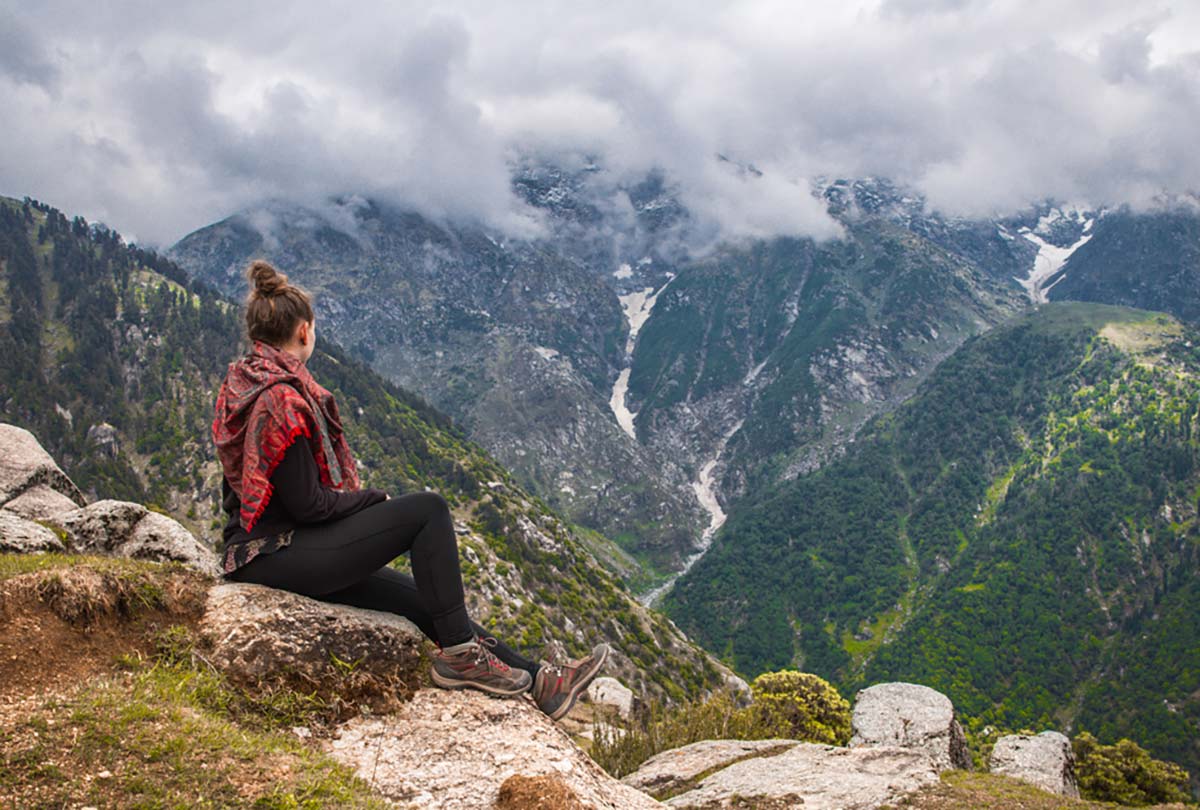
Solo hiking is an incredible experience that may seem a little intimidating at first.
There are so many benefits of hiking alone. For example, it expands your comfort zone, teaches you new skills, and makes you more independent.
Over the years, I have been on many solo hikes in countries like Belgium, Romania, India, Pakistan, Myanmar, Guatemala, and many more. It’s something I absolutely love.
You might ask yourself if it’s safe to hike alone (maybe even more so as a woman), and the truth is that it depends.
There is always a risk when you go hiking, and there are some additional risks when hiking alone. However, this doesn’t mean that you shouldn’t hike by yourself. There are many safety precautions you can take to make a solo hike safe. And those, along with the benefits of solo hiking and tips for hiking alone is what I want to share in this guide.
Hiking Alone: A Complete Guide
Is It Weird to Hike Alone?
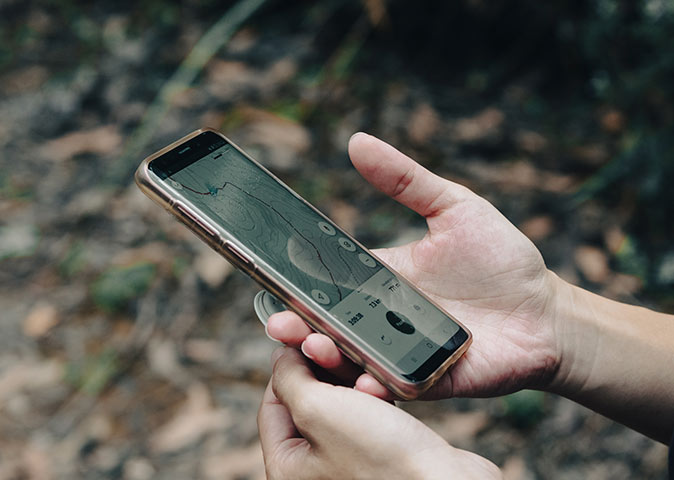
No, hiking alone is not weird at all, and many people, both men and women, do it – and enjoy it too. Once you start paying attention to it on the trail, you will notice all the solo hikers out there.
I really like hiking alone, enjoying the peace and quiet of a place. However, solo hiking is not for everyone, and whether you will enjoy it or not largely depends on your personality.
Hiking alone has many benefits, though, which brings me to my second point.
The Benefits of Hiking Alone
Hiking solo has many benefits, both for your physical as well as for your mental health.
You will find the 7 biggest benefits of hiking alone below. These 7 focus on the mental aspect of solo hiking, as the physical aspect speaks for itself.
1. You Can Hike at Your Own Pace
When you’re hiking with a friend or in a group, you have to adapt to the pace of the slowest hiker.
However, when you’re going on a solo hike, you can move as fast as you want, take breaks whenever you want, and have lunch whenever you’re hungry.
There’s no compromising. You’re completely in charge of your time and you can balance your energy the way you like it.
2. You Don’t Need to Find a Hiking Partner
I think we’ve all been there. You want to go for a hike but you can’t find anyone who’s free to join. This is something you won’t need to worry about anymore when you’re open to hiking alone. Then, you can go for a hike whenever you feel like it and you don’t need to wait for anyone else to join you.
Like many other solo hikers, this is the reason why I started hiking alone. It’s not the reason why I kept going on solo hikes, though, as I realized hiking alone is something I really enjoy.
3. You Learn New Skills
When you’re hiking with other people, it’s easy to rely on them to navigate, cook, or keep you safe on the trail. On a solo hike, you will need to rely on yourself.
You will become more independent and resourceful and you will learn how to solve problems.
Hiking solo will teach you some great new skills and will make you realize just how capable you are, which is a great way to boost your confidence!
4. You Can Clear Your Mind
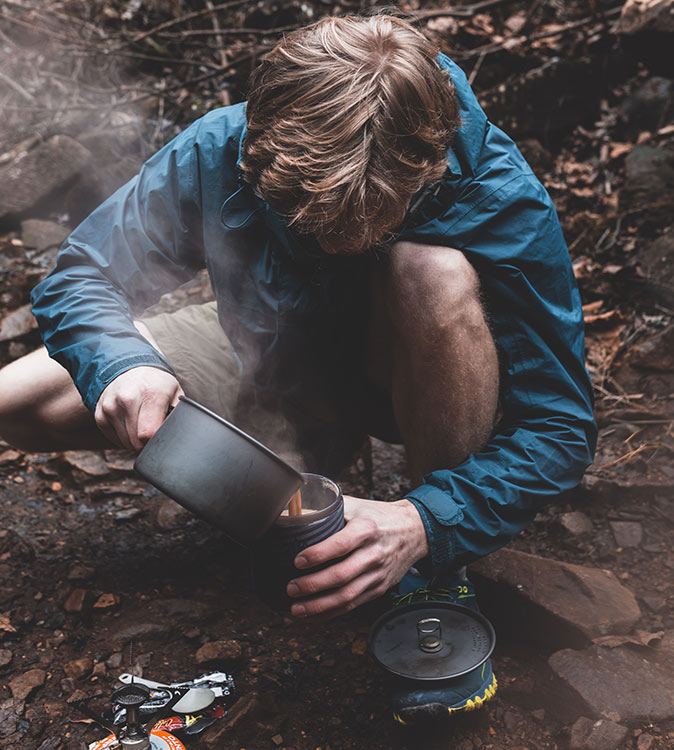
This is one of my favorite benefits of solo hiking. It can help you clear your mind, process your feelings, and put things into perspective.
While I often find myself busy with work and all the things that I need to do, going on a hike by myself can help me empty my thoughts. I think being surrounded by nature and simply listening to its sounds is a great way to relax.
5. You Step Out of Your Comfort Zone
Hiking solo will expand your comfort zone. Then suddenly, things like going for a stroll on the beach by yourself or maybe traveling solo won’t seem so daunting anymore. It will make you a more independent and confident person, which will make you feel good about yourself.
Stepping out of your comfort zone is a great way to grow and experience different perspectives. What once seemed scary or uncomfortable will become familiar, and before you know it, you will step out of your already expanded comfort zone again.
6. Self-Exploration
When you’re hiking alone, you’re the only person you can rely on and this teaches you a lot about yourself. You learn more about your capabilities, your limits, and what it’s like to push yourself without anyone encouraging you.
Other things you’ll learn are how you react when problems occur and how capable you are to solve them. If you haven’t traveled solo yet, hiking by yourself might entice you to do that too.
As there’s no one around to distract you, hiking alone is also the perfect time for some introspection. You may be facing some problems and gain new insights, or you may be able to reflect on what’s going on in your life.
7. Enjoy Nature More
I’ve heard many fellow solo hikers say this and I couldn’t agree more.
When you’re hiking alone, there’s no distraction and you’re fully focussed on your surroundings. It’s a great way to connect with nature, enjoy the sound of chirping birds, and recharge your energy.
I once hiked up a mountain in Myanmar to see the sunset, and I was the only one there. It was truly magical – one of the most beautiful sunsets I’ve ever seen, actually – and the only thing you could hear were the sounds of nature.
Is Hiking Alone Safe?
An important question to ask is if hiking alone is safe, and the truth is that this depends on various factors.
Whether you’re hiking alone or with someone else, there are always risks involved. You might get lost or encounter a grizzly, for example.
When you’re alone, however, there is some added danger. You could fall and injure yourself with no one around to help, for example.
But, that doesn’t mean hiking alone can’t be safe. There are many things you can do to prepare yourself and go hiking alone safely.
I’ll share more detailed safety tips later in this post.
Hiking Alone as a Woman

Being alone as a woman can make you feel vulnerable, and many women have been taught from a young age that being alone is not safe. In addition to this, most women have experienced getting unwanted attention when they decide to head out in the streets by themselves.
But, although it might be a little intimidating at first, more and more women hike solo and find it liberating.
Hiking Alone in the Dark
You may have to start hiking in the dark to catch the sunrise or hike back in the dark after sunset. This is something I’ve done by myself on many occasions.
I believe hiking alone in the dark can be safe. However, it does depend on the trail and it’s important to always use your common sense.
For example, I encountered many other hikers while hiking in the dark on the trail to Little Adam’s Peak in Sri Lanka, which made it feel pretty safe. On the other hand, I didn’t do the San Pedro Volcano Hike when I was in Guatemala as I was told there were banditos on the trail. If you’re not sure whether the hike you’re planning is safe, you can always ask your hotel or guesthouse for advice.
Hiking in the dark does make the terrain riskier. So, make sure to be extra careful if you decide to do so, and always bring a headlamp.
Solo Hiking Safety Tips
Knowing how to stay safe and deal with different situations while hiking alone is essential before hitting the trail. It’s also important to take some precautions.
These are 9 safety tips that will get you ready for your hike.
1. Be Prepared
Preparation is key when it comes to hiking alone safely. Here are some important things to consider before hitting the trail by yourself:
Choose a safe trail. Although it’s nice to challenge yourself, some trails are safer for solo hikers than others. Some important factors to consider are the difficulty of the trail, how well-indicated the hike is, if it’s a popular trail, and your personal level of experience.
Also Read: Hiking Snowdon, UK (a popular trail suitbale for solo hiking), and Hiking the Dutch Mountain Trail (a safe and relatively easy multi-day hike)
If you’re a newbie (solo) hiker, I recommend picking a more popular trail that’s well-indicated.
Check the weather. To prepare for your hike, it’s crucial to know what kind of weather is expected.
Make sure you know how hot or cold it will be, if you will be hiking in the rain or snow, and at what time the sun sets.
Bring enough water and food. It’s important to bring enough food and water to keep your energy up. Knowing the difficulty of the trail as well as the weather conditions will give you a better understanding of how much food and water you’ll need.
2. Stay on the Trail
Staying on the trail is not only important to preserve nature but also to minimize the risk of getting injured or lost.
Trails are there to protect you from potentially harmful objects like rocks and thorny plants. They also make it easier for you to find the way, and they protect nature.
When you hike off-trail, the ground gets squished, which can cause other hikers to follow in your footsteps and cause more damage. This is how trails get wider and multiple trails end up covering the backcountry.
3. Tell a Friend Where You’re Going
Let a friend or a family member know where you’re heading before hitting the trail. Tell them around what time you’re expecting to be back and what route you will follow (and make sure to stick to that route).
This way, they can contact the authorities and send help in case you don’t return in time. Don’t forget to let them know once you’re back, though!
4. Keep Track of Time
It’s a good idea to keep track of time and research what time the sun sets if you want to be back before dark. Consider leaving early so that you’ll have plenty of time to take pictures, rest, have lunch, and finish your hike on time.
Being in a rush isn’t nice, and hiking in a hurry can be more dangerous as well.
5. Bring a Map
Always bring a map when you’re going hiking.
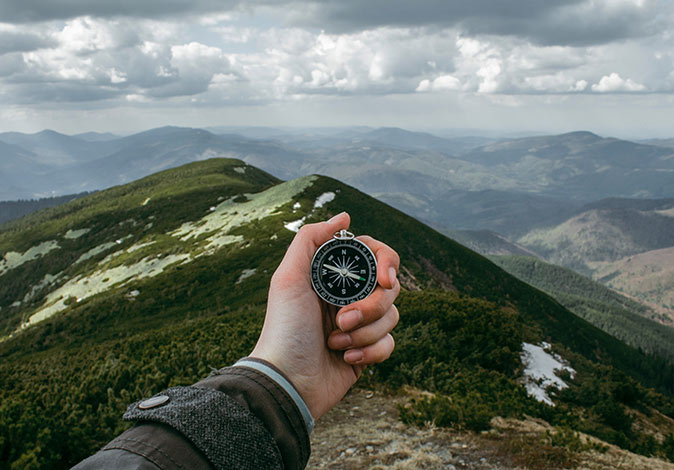
If you want to be really safe, I’d recommend bringing both a digital and a physical map and compass. Make sure that you know how to read the latter too. This way, you’ll still be able to navigate in case your battery dies or something else happens to your phone.
I usually use Maps.me and love it. This app allows you to download maps for offline use and most hiking trails are well-indicated. Another good hiking app to use is AllTrails.
Tip: Take a power bank with you if you’re relying solely on a map on your phone. Running out of battery sucks even more when it also means you can’t navigate anymore.
6. Be Aware of Potential Danger

Depending on the region where you’re hiking, there might be certain threats you need to be aware of. Make sure to research this in advance. Some examples are:
Animals. Research what type of wildlife you could encounter on your hike and how to respond in case you do. If you’re hiking in bear territory, for example, it’s good to know how to react if you encounter one and to bring bear spray.
Altitude sickness. If you’re hiking at high altitudes (over 2,500 m / 8,000 ft above sea level), it’s important to be aware of the symptoms of altitude sickness and know how it can be prevented.
I experienced altitude sickness in Peru, and have been doing my best to prevent it ever since.
Getting injured. You never know what will happen and I hope this never happens to you, but you may fall and break your leg. Before hitting the trail, you’ll need to know what to do in case this happens.
People. It can be amazing to meet people on the trail, and most fellow hikers are friendly. But, be aware that there might be people out there who don’t have good intentions. Always trust your gut if something doesn’t feel right.
Natural disasters. Whether it’s a rock slide, an avalanche, a volcano eruption, or a storm, it’s good to know the warning signs of natural disasters that may happen in the area of your hike. Don’t hesitate to turn back if necessary!
7. Be Extra Careful
When you’re hiking alone, it’s important to be extra careful.
Watch your step, don’t wear headphones, be alert, and always be aware of your surroundings. This is not the right time to take risks, especially when you’re hiking in tougher terrains.
8. Know Your Limits
It’s important to be realistic and know your limits when you’re hiking alone.
If you’re planning on going on a 2-week trek, for example, make sure to prepare yourself and to exercise in advance. When it comes to technical trails that involve rock climbing or river crossings, it may be a good idea to save these for when you can go hiking with a friend.
If you’re not properly prepared for the hike you had in mind, it’s safer to go for an easier hike instead. You can always achieve your goals another time.
9. Trust Your Instincts
Your instincts are always right! If something doesn’t feel right, and you think it’s better to head back, for example, then don’t hesitate and do it.
Staying safe is important and taking unnecessary risks is not something you want to do, especially when you’re hiking by yourself.
Solo Hiking Essentials
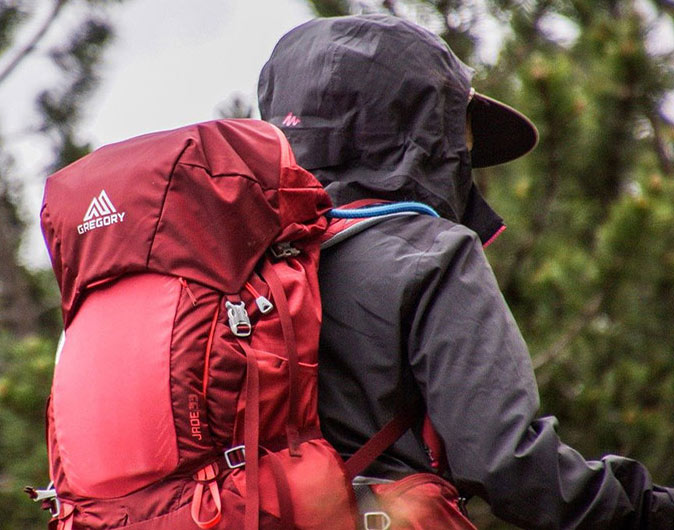
There are some items you can bring to stay extra safe, whether you’re hiking alone or not. You’ll find the most important ones below, or read this more detailed article about hiking essentials.
Headlamp: A headlamp is one of these solo hiking essentials that will allow you to hike further in the dark. And you never know what may happen, so bring one even if you’re only planning on hiking in daylight.
First-aid kit: I hope you’ll never have to use it but a first-aid kit is one of the hiking essentials you should always bring with you. There are special first-aid kits for hiking and camping that are compact and easy to carry.
Emergency blanket: Emergency blankets are designed to keep you warm and dry in case something bad happens. They’re reusable, so you only have to purchase them once.
Emergency whistle: A good emergency whistle is designed so that it can be heard as far as a mile away. Using one is an effective way of calling for help.
Powerbank: You will be so happy you brought a power bank with you if your phone battery dies, especially if you’re using a map on your phone.
Multitool knife: This handy tool includes a knife, scissors, and other useful accessories that come in handy a lot. From freeing your leg when you get entangled in something to cutting bandages or, hopefully, just for making a sandwich or opening something you can’t open with your bare hands.
GPS tracker: A GPS tracker tracks your location and can send signals to request help in case something goes wrong. Garmin is one of the most well-known and reliable brands of GPS trackers. And I know, this can feel like quite an investment, but if you plan to go hiking somewhere with limited cell signal and there’s a risk of getting lost, safety comes first and makes the investment well worth it!
Hiking Alone as a Woman: My Personal Experience
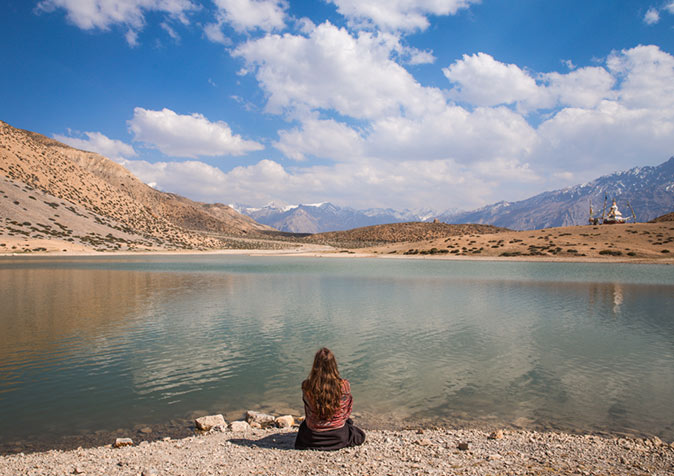
Just like traveling alone, hiking solo is one of the activities I absolutely love. It’s something that has helped me clear my mind and relax for as long as I can remember.
Although it might not be for everyone, in my opinion when you’re hiking alone, you enjoy nature and its beautiful views more than when you’re hiking with others. There’s no distraction and it’s quieter, so you’re fully focused on your surroundings.
On top of that, hiking (and traveling) alone has definitely made me a more confident person, knowing that I can rely on myself and trust myself.
In over 10 years of going on solo hikes regularly, I’ve only felt unsafe once, and it was my own fault. After hiking up a mountain for sunset in Myanmar, I couldn’t find where I had parked my scooter anymore in the dark…
I did have a headlamp but it was so dark that you could only see the space right in front of you. Luckily, after roaming around for a while (and slightly starting to panic), some friendly locals I had met earlier found me and brought me back to my scooter.
So it all ended well and I’ve definitely learned from the experience, but it is a good reminder that it’s important to be prepared.
Final Thoughts About Solo Hiking
I hope this article has given you some practical tips to prepare for a solo hike.
But more than anything I hope it has inspired you and showed you that hiking alone really can be a great and very rewarding experience.
Yes, I focused a lot on safety tips and pointed out that there are risks. But please, don’t let that put you off. Take your time to prepare, choose a hike you feel confident you can do, and I’m sure you’ll love the experience of hiking alone!
Also Read:
- What to Bring on a Hike – The Essentials Not to Forget
- How to Plan a Solo Trip & Tips For Traveling Alone
- Hiking on the Costa Blanca, Spain
- The Lost City Trek in Colombia – An Incredible Hike!
- Hiking in Death Valley National Park, USA
- Hiking in Redwood National Park, USA
- Visiting Banff National Park – A Great Hiking Destination in Canada
- Climbing Snowdon, the Highest Mountain in Wales
- Hiking in the Netherlands: the Dutch Mountain Trail
As an Amazon Associate I earn from qualifying purchases. This blog about solo hiking contains affiliate links. I may receive a commission for purchases made through these links, at no additional cost to you.
Have you ever encountered any dangerous wildlife while hiking alone, and how did you handle the situation to ensure your safety?
Not often, but I’ve encountered snakes, spiders, and I’ve hiked in bear territory. I’ve also done volunteer work where we were surrounded by a range of wildlife including elephants, hippos, and buffalo.
A few general tips I follow to stay safe:
Stay Aware: Always be mindful of your surroundings, especially in areas with known wildlife. Pay attention to sounds, tracks, or signs that animals might be nearby.
Make Noise: Speaking or lightly clapping every now and then alerts animals to your presence, helping avoid startling them. Animals like bears, for example, are less likely to approach if they hear you coming.
Keep Your Distance: If you see an animal, observe it from a safe distance. Don’t approach, even if it seems harmless. Many animals will leave you alone if they don’t feel threatened.
Avoid Sudden Movements: Moving calmly and slowly, especially if you’re close to wildlife, helps prevent triggering a defensive response.
Carry Essentials: Make sure you have bear spray in areas where it’s recommended. In snake-prone areas, using trekking poles can help you check the ground around you safely.
Know What Wildlife is Around: Before going on your hike, check which animals you might encounter and understand how to respond if you come across them.
Hi, my name is Wahab. I am a blogger, camper and hiker. Solo hiking can sound dangerous, but you explained it well and gave good tips. It is very impressive. You are helping a lot of hikers, especially women. Thank you