

Starting a business in Spain isn’t easy.
And that’s why, ever since I first moved to Spain 15+ years ago, I’ve seen many foreign entrepreneurs come and go…
In any country setting up your own business is a challenge. But setting up a business in a foreign country adds a few extra difficulties.
Not speaking the local language fluently, understanding local customs, and navigating Spain’s notorious bureaucracy can make a start-up fail quickly.
Having started a company in Spain myself I know how hard it can be and how much perseverance and patience it takes to get a business off the ground in Spain.
But, if you can overcome these hurdles and establish your business, you’ll end up with a great lifestyle in a beautiful country with a good quality of life.
Insights from Expat Entrepreneurs: Stories of Starting a Business in Spain
1. Calpe Mountain: From London to a B&B in the Spanish Mountains
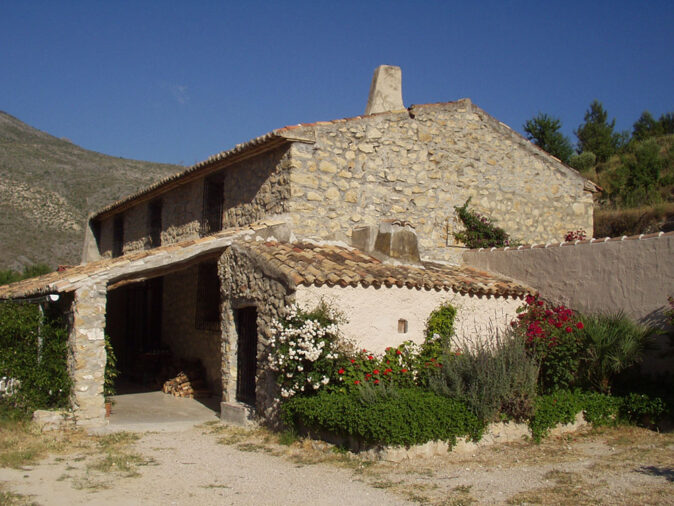
I could have chosen many success stories and probably greater successes, but the business and life Craig and Wendy have created for themselves to me proves that the dream of packing up everything and starting a new life abroad is very possible no matter what stage of your life you are in.
Craig and Wendy moved to Spain 11 years ago with their two kids. They found a place to live, enrolled their kids in a local school, and found local jobs.
“Our love for the UK and a traditional family life with a house, two cars, two children and a dog still left us questioning what was missing.
We found ourselves annually pacing the beach on holidays abroad discussing what new challenges lay ahead. Despite a busy professional life as London Metropolitan Police officers as well as being “hands-on” parents for all hours off-duty, we still felt there was more to life and new adventures to experience.
A move abroad, literally to expand our horizons and the welcome promise of more sunshine, seemed to be the answer.
So we then had the task of deciding where to go. Spain came to the top of the list because of its location, climate, school choice, language, scenery and coast line.
Our love of country life meant that a simple house in a straight forward street was never going to satisfy our sense of adventure.
So, to make things even more challenging, we decided on a traditional, stone-built, mountain farmhouse that was badly in need of rescuing. Its lack of easy access and no utility services did not present defects in our eyes. All we could see was the total beauty of its unique surroundings.”
They completely renovated the farmhouse, added a swimming pool, and eventually started their Bed & Breakfast.
I’m sure it hasn’t always been easy and of course every business comes with its ups and downs, but they did do it: they decided to leave, they decided to follow their dream and they made it work.
That does not mean a person then stops dreaming though… Craig and Wendy got restless again.
They started looking for a new business to set up. That’s how The Coffee Box opened: a small coffee bar just meters from Calpe’s beautiful beach.
Their story proves to me that there really is no excuse: do you want to start a new life abroad? Don’t let fear hold you back. Go for it and keep in mind that you can always move back!
2. La Bodega Del Garroferal: A Vineyard in Spain’s Jalon Valley
Unfortunately, there are also plenty of examples of expat start-ups failing in Spain.
Not too long ago I spoke to Peter and Helen, a South African couple who started the vineyard La Bodega del Garroferal in the Jalon Valley on the Costa Blanca.
“Helen and I established the Bodega in 2002 when we relocated to Spain from South Africa.
We had both been employed in the wine industry in South Africa for many years and it was our dream to start our own small winery.
We chose this particular corner of Spain as we believe it offered a yet undiscovered potential for the production of top quality wines. This region has been growing grapes to make wine since Roman times!”
And their Spanish business was successful for a while. They were quickly becoming a well-known vineyard until things went wrong.
“Officials have informed us that we are no longer allowed to continue making & selling wine in our present location.
They said we have to move to industrial premises in an industrial area!
As you can imagine, it is not very easy to move a working wine cellar – let alone all our vineyards! Also, part of the charm for people visiting us was to be in the countryside and see the vineyards.
Obviously we have tried to fight this but everything we do is met with the same negative response.”
Their lawyer did whatever he could but eventually they had to give up. Unfair? Of course. But unfortunately stories of Spanish bureaucracy and corruption are still heard often.
Peter and Helen decided to leave.
But, they didn’t give up on their dream of having a successful vineyard. They are busy relocating to Bensheim in Germany and I wish them the best of luck there!
Is Spain a Good Place to Start a Business?
Well, let’s start with the positive: I know many foreigners who have successfully started businesses in Spain.
But Spain, infamous for its bureaucracy, is by no means the easiest country to start a business in.
In fact, the World Bank ranked Spain 97th out of 190 countries when it comes to how easy it is to start a business. This is well below most other European countries.
But does that mean it’s not worth trying? I don’t think it does.
There are still many opportunities in Spain and good lawyers and accountants can help you with the paperwork.
And the great Spanish lifestyle that you get with it might just make you decide to start your business in Spain.
Advantages and Challenges of Starting a Business in Spain
There are definitely some pros and cons to starting your business in Spain.
And again, in my opinion, and not just mine, Spain isn’t the easiest country to start a business in. But, if you’re set on starting your business here, let me share some of the main advantages and challenges I see:
Advantages

Strong Economy & Good Opportunities: Spain’s large economy, the 15th biggest in the world, offers plenty of opportunities in sectors like tourism, real estate, renewable energy, and food and beverage.
In innovation, Spain often seems a little behind the dominant Western countries meaning that business ideas that would face strong competition in other countries might still offer great opportunities in Spain.
Strategic Location: Situated at the crossroads of Europe, Africa, and Latin America, Spain is well located for businesses looking to reach international markets. The country’s infrastructure is well-developed, making trade and transportation easier.
Startup Support: Spain’s startup ecosystem is growing rapidly, particularly in cities like Madrid, Barcelona, and Valencia.
The new Startup Law offers tax incentives and benefits for foreign entrepreneurs. It aims to support the creation and growth of startups, and to attract international talent to Spain.
Quality of Life: One of the main reasons I live in Spain is because of the great quality of life. And that, as a (sometimes stressed) business owner is worth a lot!
Skilled Workforce: Particularly in industries like IT, tourism, and customer service, Spain offers a skilled and generally multilingual workforce. Labor costs are also significantly lower compared to countries like Germany, the UK, and the US.
Challenges
Bureaucracy: Starting a business in Spain can be a slow process due to extensive paperwork and bureaucracy. Getting permits and registering your business often takes more time than expected.
Taxes: Spain’s complex tax system and relatively high corporate taxes can be a hurdle. It’s important to understand the system and I’d recommend hiring a lawyer or accountant you trust, to avoid surprises.
Language Barrier: Although many people in business hubs speak English, I do recommend learning Spanish. It will make navigating legal and administrative processes easier, even if you use professionals for this, and it will help you build local relationships.
Competition in Major Cities: Madrid and Barcelona are hubs of opportunity but they are also highly competitive. You might have more success in smaller cities where competition is lower and there’s demand for more niche products or services.
My Main Tips If You Are Thinking About Starting a Business in Spain:
1. Do Your Research! Before making any big moves, find out everything you can about starting your particular type of business in Spain. Understand the regulations and legal requirements for your industry.
2. Learn From Others. I would start by talking to other entrepreneurs. You can do this in person when visiting Spain or online through Facebook groups and forums.
3. Hire Professionals. While in the Netherlands, my home country, I could set up and run my business alone, in Spain I would always use an accountant or gestor (someone who specializes in dealing with public administration and cutting through the red tape), and a lawyer in some cases.
4. Be Patient. Expect everything to take longer than you first estimated. Yes, it’s true, anything from opening a bank account to obtaining the right document can take days, if not weeks. Just be aware of this, expect delays, and be patient, very patient!
And, no matter the obstacles, your journey of running a Spanish business will undoubtedly be an adventure!
Also Read:
- Interesting, Weird & Fun Facts About Spain
- Things I Wish I Knew Before Moving to Spain From the USA
- Interview About What It’s Like to Live in Valencia
- Interview About What It’s Like to Live in Madrid
- Interview About Living in Alicante
- Interview About Living in Granada
And I have written several other articles about Spain
Hi Jim,
It’s not necessarily a scam, there are just a few things you should know. Those low prices are only for the “traspaso”. So a sum of money you pay for the goodwill and whatever the previous tenants leave behind.
You will be paying rent every month for the property. And while 700 a month might sound low to you, don’t forget that most of these towns are deserted in winter. Making enough just to cover your costs is difficult for most bars and restaurants during the winter months. This means you will, hopefully, be working non-stop during the summer months to try to make enough to survive the next quiet winter… This wears many people out and is why many bars and restaurants change owners frequently…
It’s a great dream and if you are one of the few bars and restaurants that does make it work it’s a great life, but it’s not as easy as these low prices might make you think!
Hi all,
I had a question, and I hope someone could answer. I am looking at cafe’s in Costa Blanca, and other southern expat areas in Spain, and I am wondering why they are so crazy inexpensive? I saw one a block from the beach at 28K! All the others have very low prices as well, and on reputable sites. I am thinking, what’s the catch? Are the leases terrible on conditions? May say fully equipped, $700 a month lease, everything looks good. And they come with these little stories, “couple is retiring”, or “couple has new baby and wants to spend more time with family”, like they are just shooting out these perfect scenario reasons.
Does anyone know of some type of cafe sale scam? Thank you, cheers.