

I’ve spent a lot of time sailing in Spain.
The Spanish coast is beautiful and diverse. There are many great towns and cities to visit by boat, cute secluded anchorages, lively marinas with great facilities, and small tucked-away marinas in towns well off the beaten path.
But, although I know Spain well (I live in Valencia and owned a boat for several years), I wouldn’t say I’m an expert on sailing in Spain, and especially not on chartering a boat in Spain.
Therefore, I have interviewed Elena, the Spanish sales lead of Click and Boat. Click and Boat is an online platform offering a wide range of charter boats. And not just in Spain but all over the world! If you want to charter a boat in Spain, whether it’s for a day charter or a longer sailing trip, their website is a good place to start.
But let’s continue with what I want to share here. By interviewing Elena I hope to give you a better idea of what chartering a boat in Spain will be like, and the things you should know before you set sail in Spain.
I asked her all the questions I could think of, so hopefully it helps answer some of the questions you might have about renting a boat and sailing in Spain!
Chartering a Boat in Spain – Tips & Things to Know
1. Why Is Spain Such a Popular Sailing Destination?

”Spain really offers the full package for anyone who loves being out on the water.
You’ve got stunning coastal scenery, beautiful islands, and a surprising variety of wildlife, both in the water and on land.
But it’s not just about nature — Spain is rich in culture and traditions, and each coastal region has its own unique vibe and culinary specialties.
From fresh seafood in Galicia to tapas in Andalusia, the food alone is reason enough to sail from port to port!
Plus, depending on the area, chartering a boat here can be quite affordable compared to other parts of Europe.
Also Read: Sailing in Greece – Tips & Things to Know
And of course, the people — Spanish locals are warm, open, and welcoming, which really adds to the experience when you’re exploring different marinas and coastal towns.”
2. What Are the Best Areas in Spain for Chartering a Boat?
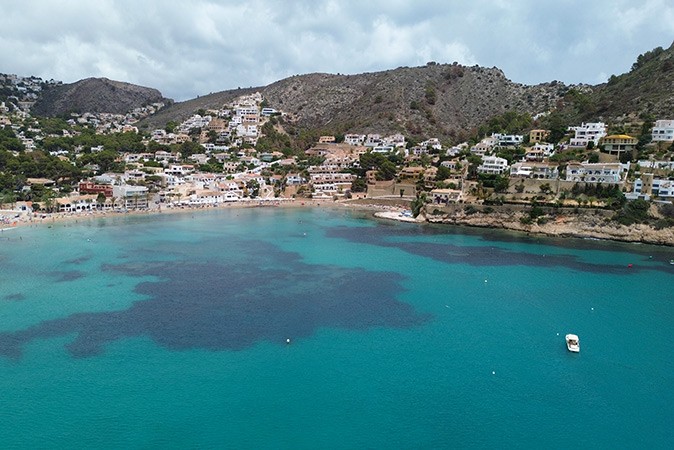
”Spain has several amazing sailing regions, each with its own unique charm. So it really depends on the kind of experience you’re after.
The Balearic Islands are definitely one of the most popular areas. Whether you’re exploring Ibiza and Formentera, Mallorca, or Menorca, you’ll find crystal-clear waters, countless calas (small coves), beachside restaurants, and scenic spots you can only reach by boat.
The Balearic Islands are a fantastic sailing destination for everyone, from families looking for a peaceful holiday to groups of friends in search of fun and nightlife.
Then there’s the Costa Brava in Catalonia, which offers a more laid-back and picturesque sailing experience. The coastline is dotted with charming historic towns, rocky cliffs, and hidden coves — ideal for a slower-paced, scenic cruise.
For easy sailing from cala to cala, the Costa Blanca is a great option. It’s a beautiful part of Spain and ideal for shorter trips.
For those looking to extend their itinerary, a passage to Ibiza is easily doable from the Costa Blanca. Dénia is the closest mainland port to set sail for Ibiza.
Editor’s note: I love the Costa Blanca. My favorite coastal towns, which I’d recommend visiting, are Altea, Javea and Denia. And I love the anchorage at El Portet, next to Moraira’s Marina.
And we can’t forget about the Canary Islands. With their year-round mild climate and lack of extreme weather changes, they’re perfect for sailing at any time of year.
The islands themselves are volcanic and incredibly beautiful, offering a mix of unique beaches, bays, and landscapes you won’t find elsewhere in Spain.”
3. What Is the Best Time of Year to Go Sailing in Spain?

”The ideal sailing season in Spain runs from May to October, when you can expect warm temperatures, steady winds, and calm seas across most coastal regions.
This is when you’ll find the most charter options, open marinas, and sailing events—but it’s also when crowds and prices peak, especially in July and August.
If you’re looking to avoid the high-season rush and save on charter costs, then go for May, June, September, or early October. The weather is still great in these shoulder months, but ports and anchorages will be less busy, and prices tend to drop a bit.
Regional Tips:
- The Balearic Islands: Thanks to the islands’ mild Mediterranean climate, sailing is possible year-round. June to September is high season, with warm seas (up to 26°C) and perfect beach weather. But for quieter coves and better charter deals, May, early June, or late September are ideal. Be mindful of the Tramontana wind in Menorca, which is known to bring strong gusts from the north.
- The East Coast of Spain: The best sailing months are May to October. Spring and autumn bring pleasant conditions and thinner crowds. The Levante wind from the east and Poniente from the west are common here, each affecting temperature and humidity differently. Summer brings the hottest and driest weather, great for beach stops and swimming.
- Southern Spain (Andalusia): Spring and autumn are particularly enjoyable for sailing, with mild temperatures (15°C–25°C) and manageable winds. Summers are hotter (up to 30°C or more), attracting more tourists. The Levante and Poniente winds shape conditions here too—Levante can be strong and dry, while Poniente is cooler and more humid, often making for more comfortable sailing days.
- The Canary Islands: Unlike mainland Spain, the best time to sail here is from October to April, aligning with their dry, mild winter season and reliable trade winds. These islands offer excellent winter sailing, though December and January can see more rain and slightly rougher conditions.”
4. If I Love Anchoring in Beautiful, Uncrowded Anchorages, Where Would You Recommend Going?
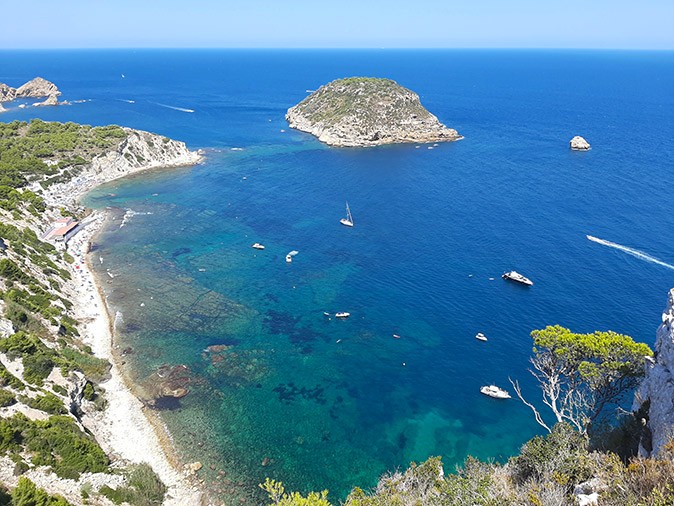
”Spain offers plenty of scenic anchorages, but if you’re searching for peaceful spots away from the crowds, here are some of my recommendations:
Anchorages on the Balearic Islands
- Cala Macarella & Cala Macarelleta (Menorca): Famous for their crystal-clear waters and dramatic cliffs, these twin coves are ideal for a serene anchorage. In high season they can get busy during the day, so it’s best to arrive early for a quieter experience.
- Isla de Formentera: Often called the “Caribbean of the Med,” Formentera’s white-sand beaches and turquoise waters make it a dreamy spot to anchor, especially off Playa de Ses Illetes. There are several anchorages around the island, but be careful with the seagrass (you can get a fine for anchoring in seagrass) and check where you are and aren’t allowed to anchor.
- Cala d’Hort (Ibiza): A tranquil bay with stunning views of Es Vedrà, this anchorage combines natural beauty with a touch of mysticism. It’s a favorite for sunset watchers.
- Punta del Toro & Illa del Toro (Mallorca): A small islet off Mallorca’s southwest coast, Illa del Toro is part of a marine reserve, offering excellent snorkeling in calm, clear waters. Anchoring at Punta del Toro leaves you quite exposed, so I’d only recommend it in good weather.
Anchorages on the Canary Islands
- Playa Francesa (La Graciosa): One of Spain’s least developed islands, La Graciosa is perfect if you’re looking for a peaceful escape. The anchorage offers good protection from the tradewinds, and the beach is beautiful.
- El Golfo (Lanzarote): A more rugged anchorage on the island’s west coast, El Golfo rewards sailors with volcanic landscapes and fewer visitors, ideal for nature lovers.
Anchorage on Spain’s East Coast
- Cala Garbet (Costa Brava): Tucked between rugged cliffs and pine-covered hills, Cala Garbet is a peaceful anchorage with stunning views of the coastline. Its clear waters are perfect for swimming and snorkeling. In summer there’s a chiringito (beach bar), perfect for a drink ashore. The bay is less crowded than some of its neighbors, and it’s a great spot for a quiet overnight stop.
5. If I Prefer to Stay In High-Quality Marinas, What Would You Say Are Some of the Best Marinas in Spain?
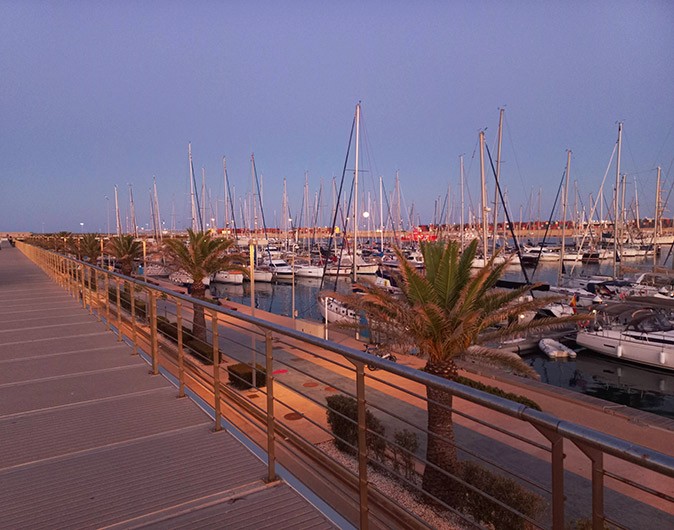
”If you love the comfort of high-end facilities, excellent service, and a touch of luxury when docking, Spain won’t disappoint.
I’ve spent a lot of time sailing along the Spanish coast and through its islands, and these are some of my favorite marinas for a top-quality experience, whether you’re after a buzzing nightlife scene or a peaceful place to relax.
- Marina Vela (Barcelona): Modern, well-kept, and just a short walk from Barcelona’s city center—this marina is perfect if you want to combine city life with sailing. I really appreciate the service here, and the views of the skyline are pretty special.
- Puerto Banús (Marbella): This marina is known as the luxury marina in Southern Spain. Think superyachts, designer shops, and cocktail bars. I love its location as well, perfect for a glamorous night out or a stroll along Marbella’s waterfront.
- Marina Port de Mallorca (Palma de Mallorca): A personal favorite in the Balearics. The facilities are excellent, and it’s conveniently close to Palma’s charming old town. It strikes a great balance between comfort and location.
- Marina Ibiza: If you’re after a trendy, upscale vibe, Marina Ibiza delivers. The marina is stylish, lively, and ideal for people-watching over a sundowner. The sunsets here never disappoint!
- San Antonio, Ibiza: A more relaxed and budget-friendly alternative to Marina Ibiza. Still a solid marina with good services, and the sunsets over the bay are some of the best you’ll see.
- Mahon (Menorca): Mahon has one of the largest natural harbors in the world, and it’s a beautiful, peaceful place to dock. The atmosphere is elegant without being over the top, which I really love.
- Puerto Deportivo de Valencia (Valencia): Great location, reliable services, and a good blend of local charm and modern amenities. Plus, you’re right by the beach and close to the city—a win-win.”
6. If I Want to Stay In Different Marinas During My Charter, Should I Prebook Them?

”This really depends on the area and the time of year.
During high season—especially in popular spots like Ibiza or Mallorca—marinas can get booked up fast. If you already know you want to stay in a specific marina, it’s best to arrange this in advance.
That said, it’s not always as straightforward as just calling ahead yourself. Since you’ll need the boat’s details to make a reservation, the easiest option is usually to speak with the boat owner or charter company. Either they can make the reservation for you, or they’ll give you the boat’s details so you can do it yourself.
In many cases, it’s still possible to book last-minute.
Personally, I like to stay flexible, but in peak summer months, a little planning can save you a lot of stress.”
Editor’s note: I’ve mainly sailed on catamarans (under 40ft) in Spain and noticed that it’s often difficult to get a space in a marina last minute. If you’re chartering a monohull, things are a lot easier.
7. What Are the Most Popular Boats to Charter in Spain?
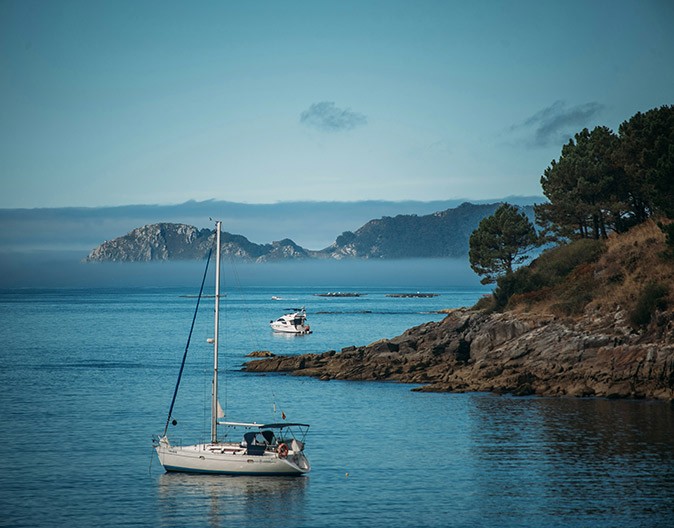
”In Spain, you’ll find a wide variety of boats available for charter, depending on your experience and what kind of trip you’re after.
If you’re just looking for a fun day on the water, daily charters without a skipper (both motorboats and smaller sailboats) are really popular—great for a quick getaway with friends or family.
For longer trips, sailing boats and catamarans are top choices. You can rent them bareboat if you have the right license and sailing experience, or go for a skippered option if you’d rather relax and let someone else take the helm.
If you like something a bit more luxurious, skippered motor yachts are also popular—ideal if you’re looking to cover more distance in less time and do it in style.”
8. What Do I Need to Know About Licensing Requirements in Spain?

If you’re planning to skipper a boat in Spain, it’s important to know that the licensing requirements depend on a few factors, like the type and size of the vessel, where you’ll be sailing, and your own sailing experience.
Spain has several national licenses, with the most common being the Titulín, PER (Patrón de Embarcaciones de Recreo), Patrón de Yate, and Capitán de Yate. Each comes with different privileges and limitations.
Many foreign boating licenses are recognized in Spain, as long as they match the type of vessel you plan to charter. Always check with the boat owner or charter company in advance to make sure your license is valid for the specific boat and sailing area.
And if you’re not licensed, no worries—just go for a skippered charter.”
9. What Are the Safety and Regulatory Considerations When Sailing in Spain?

”There are a few important safety and legal rules to keep in mind:
Safety gear: All boats are required to carry essential safety equipment like life jackets, flares, fire extinguishers, and more. What exactly you need depends on your vessel and where you’re sailing.
The boat owner or charter company should make sure everything is onboard and up to date, but it’s always good to double-check.
Weather & warnings: Always stay informed about current weather conditions.
Spain’s weather can change quickly, especially in the Balearics or along the Atlantic coast. Sites like AEMET offer marine forecasts and alerts. And, no matter where I sail, I always recommend the Windy app.
Anchoring rules: Anchoring on Posidonia (seagrass) is strictly prohibited in many coastal areas, especially around the Balearic Islands. It’s a protected species, and dropping anchor on it can earn you a hefty fine.
Look out for mooring buoys or anchoring zones, and ask local marinas for guidance if you’re unsure.
Other local regulations: Different regions have different rules regarding things like fishing zones, protected marine areas, or even noise levels.
You’ll often find useful info at local marinas, but you can also ask the boat owner or charter company before you set sail.
Speed limits & alcohol laws: Like driving, boating in Spain comes with speed restrictions and strict alcohol limits. And marine patrols do enforce it!
And of course, if you’re skippering a boat, make sure your boating license is in order.”
10. Any Apps or Tools You Recommend Using While Sailing in Spain?
”Yes, there are a few super useful apps that make sailing around Spain easier, safer, and more enjoyable:
Navionics: A must-have for detailed marine charts, route planning, and navigation. It’s what most sailors rely on.
Windy: Great for checking real-time wind, waves, and weather conditions. The interface is intuitive and you can really dig into forecasts for coastal areas.
Navily: Definitely worth checking. It’s a community-based app where you can find anchorages and marinas, read reviews, and even book berths in some locations.
SeaPilot: Another good option for navigation and weather, with AIS integration to track vessels around you.”
11. If I Charter a Boat but the Weather Turns Out to Be Too Bad to Leave the Dock, What Happens?
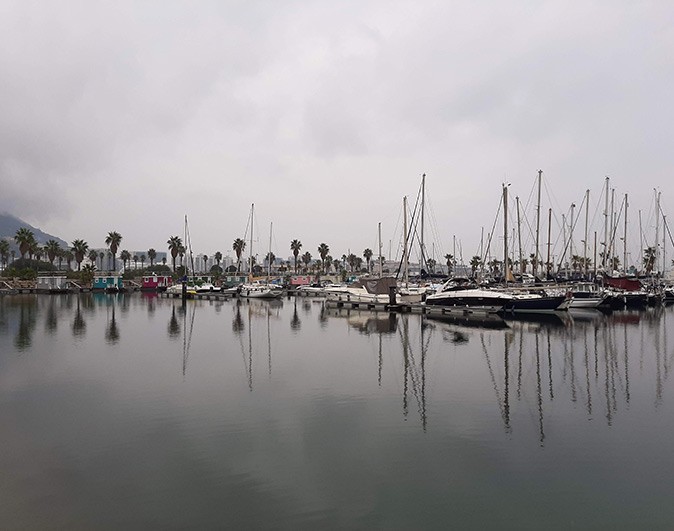
”If conditions aren’t safe to sail, you can usually stay put in a nearby marina.
When booking through Click&Boat, you also have the option to add weather insurance. If you choose it, you’ll get a full refund if the weather prevents you from going out. Without it, you’ll typically get around 80% back, since the platform keeps a portion as its fee.
It’s not ideal, of course, but at least you won’t lose everything if the weather doesn’t cooperate.”
12. What If Something Gets Damaged on the Boat?
“Every charter comes with third-party liability insurance, so you’re covered for major issues.
The most you’d ever lose is your security deposit. If you book through platforms like Click&Boat, their policy ensures that—no matter what happens—it’s the boat owner’s insurance that covers the damage beyond your deposit.
With many charters, you can also choose to pay for a damage waiver. That means if something gets damaged, you’re covered and won’t lose any money.
So while it’s important to be careful, you don’t need to stress too much—just make sure you understand the terms before setting sail.”
13. Can I Pick Up a Boat in One Location and Return It in a Different Location?

”Yes, that’s possible!
While most charters do start and end in the same port, some boat owners are flexible and allow one-way trips.
Just keep in mind that this usually comes with an extra fee, often to cover the cost of getting the boat back to its original location.”
14. Do You Have Any Final Tips for Chartering a Boat in Spain?
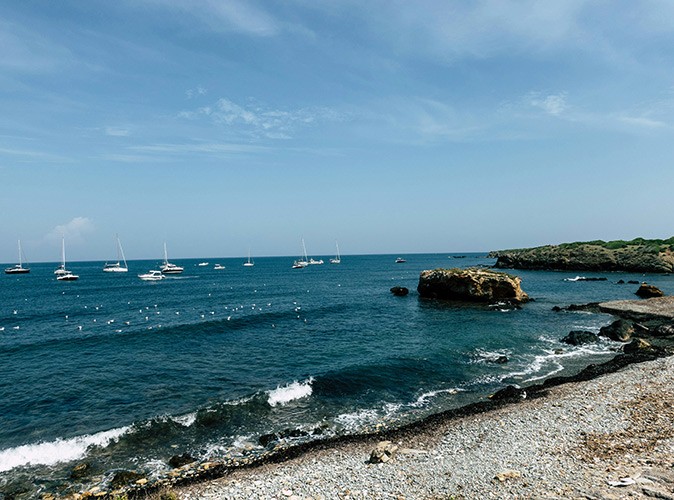
”Make sure the boat you’re renting matches your expectations—double-check the year, condition, and equipment to avoid surprises.
Respect local regulations, follow the advice we’ve covered, and you’re all set for an unforgettable sailing experience along one of the most iconic coastlines in the Mediterranean!”
Chartering a Boat in Spain – Conclusions
Whether you’re dreaming of dropping anchor in a secluded cove in the Balearics or sipping cocktails in a luxury marina, chartering a boat in Spain offers something for every type of traveler.
With a wide variety of boats and charter options available—from bareboat to skippered, from day trips to week-long adventures—it’s a fantastic way to explore the Spanish coastline.
Just make sure to choose a boat that fits your needs, and plan ahead if you’re sailing during high season.
Spain’s diverse coastline, stunning islands, and well-equipped marinas make it a great part of Europe to charter a boat.
Also Read:
- Things to Know Before Going to Spain
- Famous Spanish Food You Should Try
- Sailing Across the Atlantic: From the Canary Islands to the Caribbean
- Sailing in Greece: Things to Know Before You Go
- Sailing in the Caribbean – The Best Islands & Other Tips
- How to Sail Around the World? 7 Ways to Make it Happen
- Sailing in the Azores – Tips & Things to Know
This blog post contains affiliate links. I may receive a commission for purchases made through these links, at no additional cost to you.