
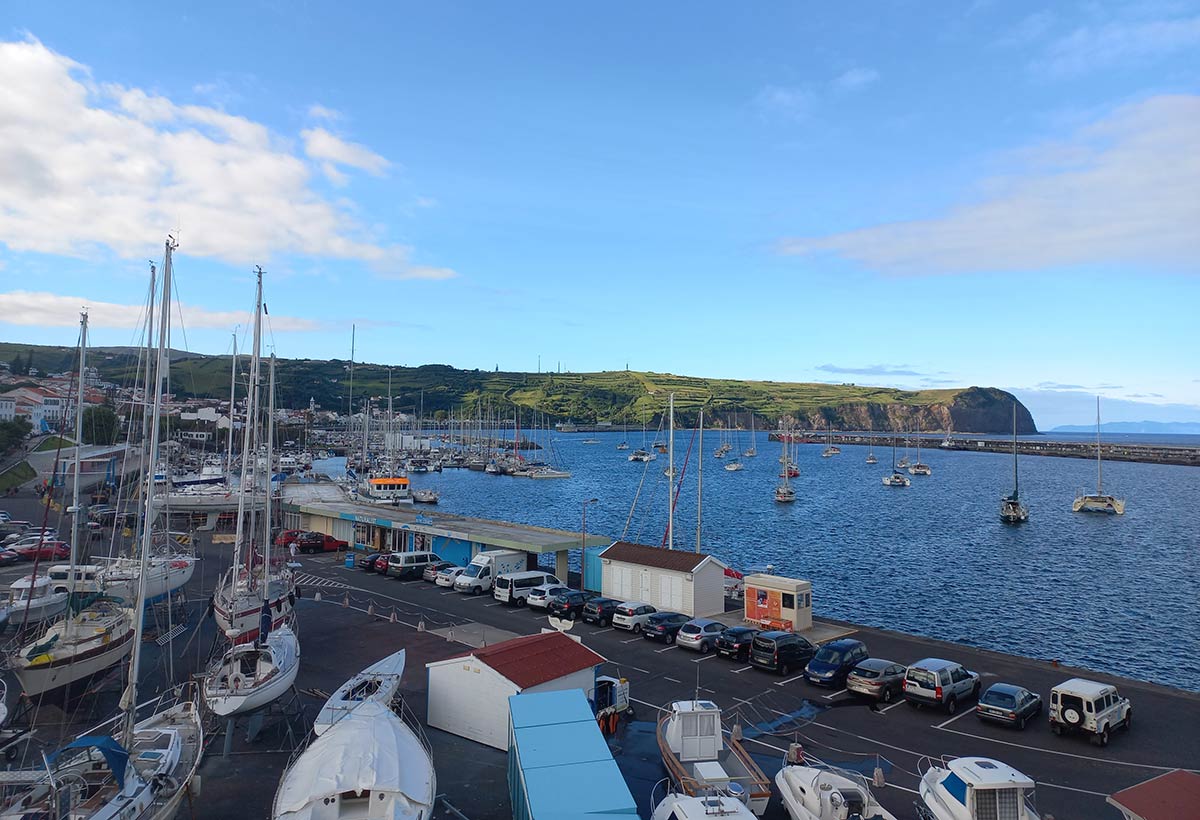
The first thing to know about sailing in the Azores, is that the Azores are a great sailing destination!
I didn’t expect that to be honest.
As for many other sailors, the Azores were only a stop on our sail from the Caribbean to Europe.
We were planning to stay maybe 2 weeks to rest and fix whatever would break while crossing the Atlantic, and then move on to where we really wanted to go: the Mediterranean.
But, we ended up sailing in the Azores much longer than that and loved every minute of it.
Its stunning volcanic islands, vibrantly green hills, hot springs, waterfalls, whale watching, friendly people, and delicious local cheese and wine only sum up part of what these islands have to offer.
And that’s why in this article I want to share with you both what makes the Azores a great sailing destination, and practical tips for sailing here.
Things to Know About Sailing in the Azores
1. The Islands
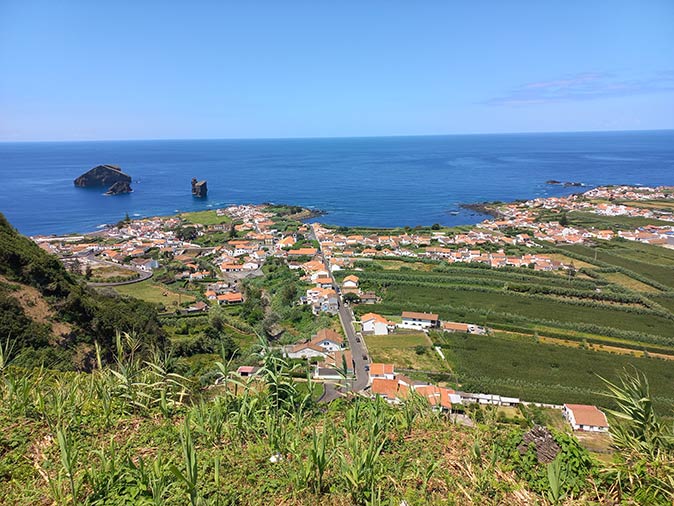
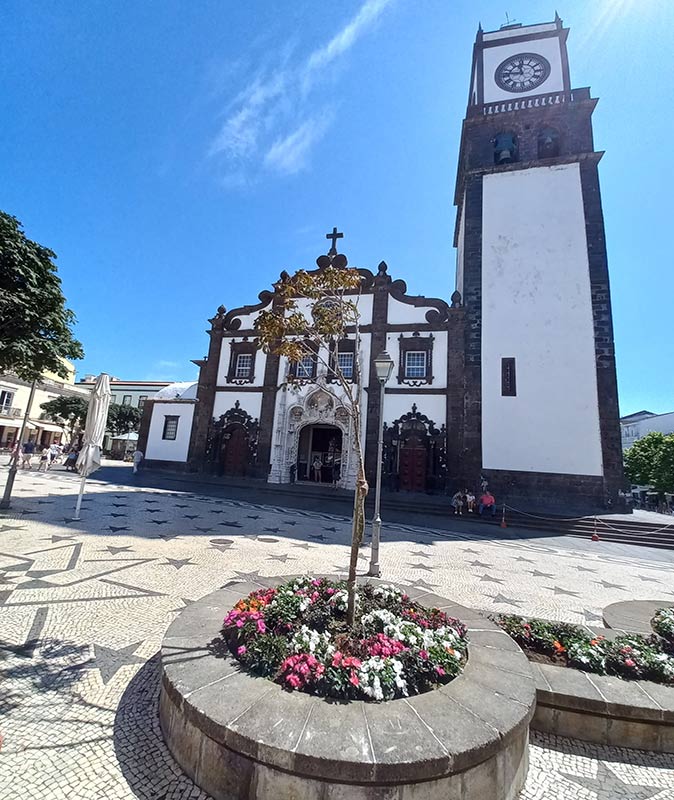
There are 9 islands in the Azores, all with their unique charm.
Horta, the main town in Faial, is the go-to destination for sailors coming from the Caribbean or the US.
Ponta Delgada, the capital of the Azores, on the island of Sao Miguel, is the go-to destination for sailors coming from Europe.
The other Azorean islands receive fewer sailors and are beautiful, more unspoiled options to visit.
These unique islands are known as one of the best sailing destinations in Portugal, and I couldn’t agree more!
2. Clearing In & Out
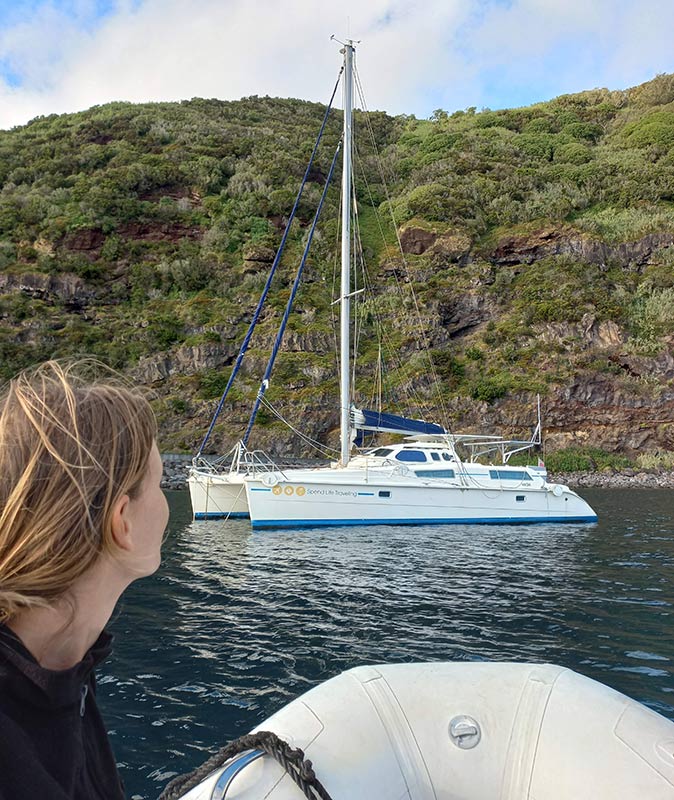
When sailing in the Azores you have to clear in and out at every island.
That may sound annoying, but thankfully the process is quick and the people are generally very friendly.
After you’ve cleared in on the first island you’re in their database which speeds up clearing in and out in subsequent islands even more.
You don’t need a sailing permit in the Azores and there are no costs associated with clearing in or out.
3. Marinas
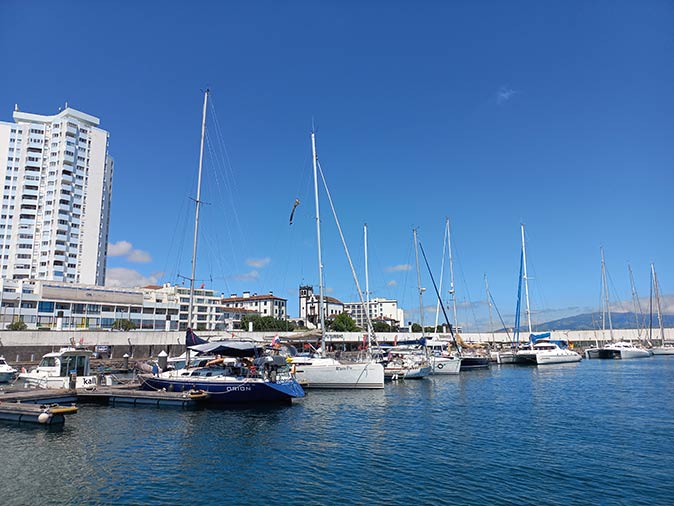
There is a marina on every island except Corvo. And there is one central website where you can find information about each marina: Portosdosacores.pt
Marinas are inexpensive, compared to most of Europe, the Caribbean and the US.
The marinas differ a lot in size. Ponta Delgada is the largest marina and will generally have space available.
The marina in Flores is so small that it’s recommended not to rely on them ever having space.
You can’t normally make reservations in advance which makes it a little tricky, as anchoring isn’t always a great option.
In my opinion, it’s worth contacting the marina you want to go to shortly before arriving, just to check if they have space.
If you’re sailing in the Azores in high season on a catamaran it can be difficult to get a spot in most marinas. Monohulls are generally fine, but you might have to tie up to a wall or raft up.
4. Anchoring

There aren’t a lot of good anchorages in the Azores.
Plus, the unpredictable weather in the Azores means you cannot leave a boat at anchor unattended for long and you might have to move when the weather changes.
The anchorage in Horta is a bit of an exception here. It’s actually very well protected.
Also, anchoring isn’t free everywhere in the Azores.
We paid 50% of the marina rate to anchor in Horta and in Velas (on the island of Sao Jorge).
5. Tides, Currents & Sailing Conditions
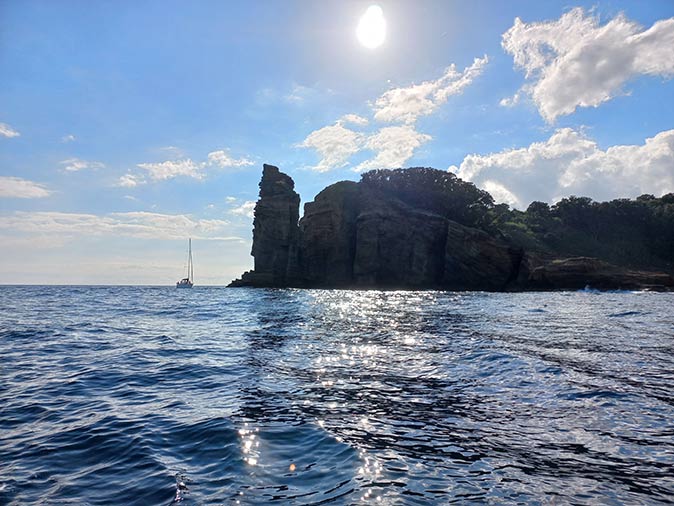
If you’re coming from the Caribbean, where there are no tides, then keep in mind that in the Azores there are.
But if you sailed to the Azores from Portugal you’ve most likely experienced higher tides there than you will here.
You’ll notice some current while sailing in the Azores, but it’s generally well below 1 knot.
Due to the position and geography of the Azores ground swells are also common in the Azores.
Sailing along the islands’ cliffs and mountains brings unstable and unpredictable winds, together with fogs, showers, and changing currents.
Flores and Corvo, the westernmost islands, are the most challenging to sail. They are the most exposed to passing storms, often enduring the worst winds and swell.
6. The Weather

If you are looking for sunny, cloudless weather to spend your days on beautiful sandy beaches, the Azores might not be for you.
The main thing you need to know about the weather in the Azores is that it’s unpredictable.
A day might start windy and rainy, then turn hot and sunny, to cool down again in the evening.
You can encounter several days of gray skies while sailing here. And fog and drizzly rain are common.
But, if, like us, you’ve sailed here from the Caribbean, this might be a welcome change.
I loved the cooler temperatures. The weather in summer is generally very pleasant with warm days and cooler nights.
Although the islands are located at similar latitudes as the Mediterranean, the temperatures here are much milder. Temperatures in summer rarely go above 30ºC / 86ºF and in winter it rarely drops below 7ºC / 45ºF.
7. The People
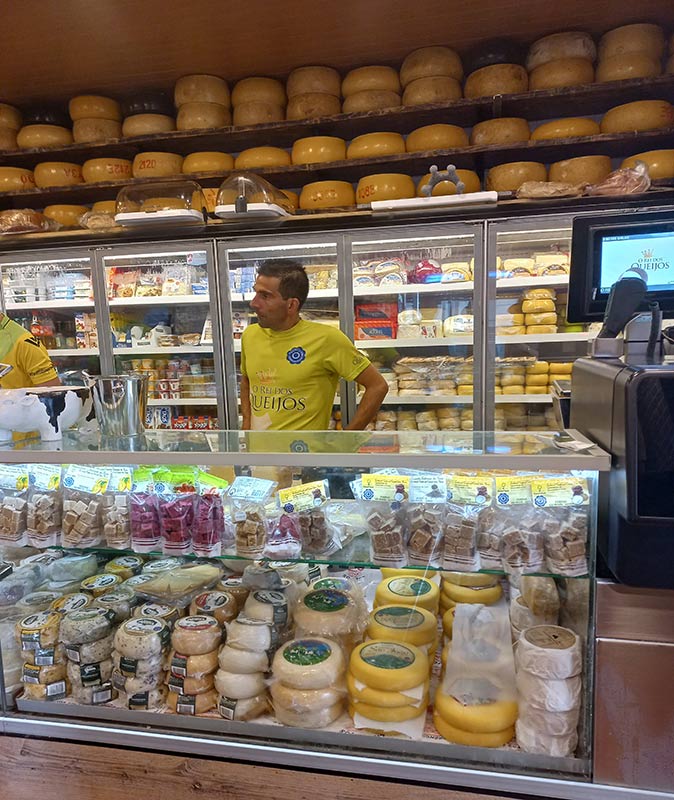
The locals are friendly and generally speak English well.
This makes it easy to get to know locals and has definitely made our time sailing in the Azores a lot more enjoyable!
Marina staff tends to be very helpful and a great starting point to get information about what to see and do on each island.
Learning a few words of Portuguese is of course helpful and very much appreciated by the locals.
The Azores are a very safe destination to visit, with very low crime rates. You can safely walk around on any island day and night.
8. Chandleries & Ordering Online
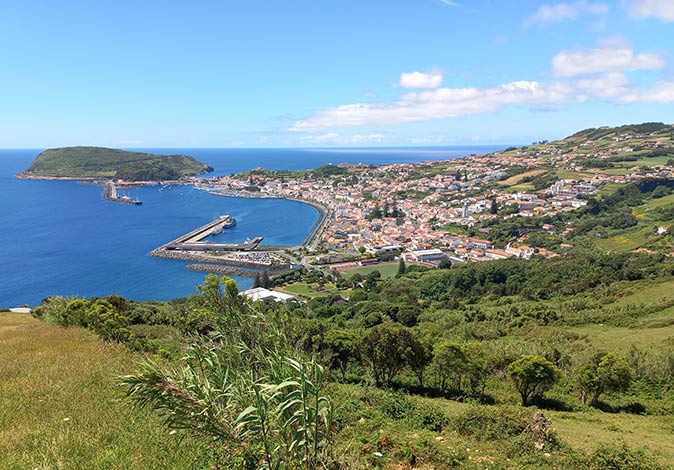
There are small chandleries on several islands, with the best ones in Ponta Delgada on Sao Miguel island.
But, you’re still on small islands so there is a good chance you won’t be able to find everything you need.
Thankfully, ordering things on Amazon.es and having them delivered to the Azores works well. There is no Portuguese version of Amazon, which is why they use the Spanish one.
We’ve ordered several boat parts on Amazon while we were in Ponta Delgada and had no issues. There are no extra delivery costs for shipping to the Azores versus shipping to mainland Portugal.
Unfortunately, some items won’t ship to the Azores, which you’ll see as soon as you try to place your order with an address in the Azores.
9. The Costs of Sailing in the Azores
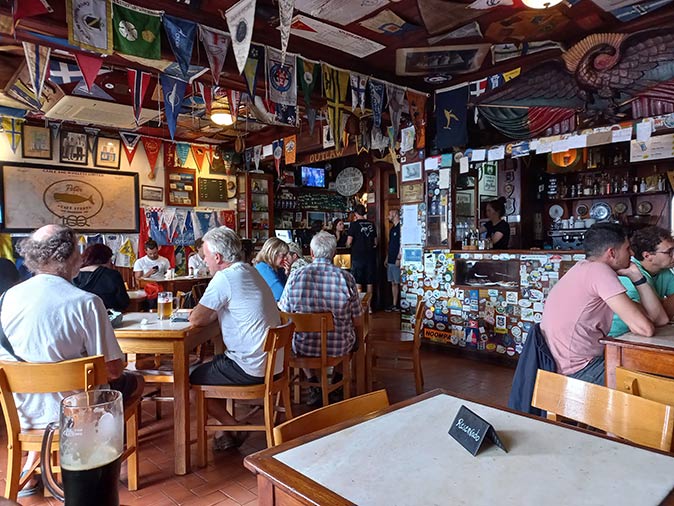
The Azores are surprisingly inexpensive.
Being relatively remote islands, I expected sailing in the Azores to be expensive. At least significantly more expensive than mainland Portugal.
But if anything, the Azores are cheaper than many parts of Portugal.
Anything from groceries to eating out, marinas, and many boat services you’ll find are less expensive than in large parts of Europe and definitely than in most of the Caribbean.
10. The Best Time to Sail in the Azores

Summer is the best time to sail in the Azores.
Or, more precisely, between the end of April and early October, when the waters are calmer and the chance of sea fog is lower.
The Azores is a very popular sailing destination in summer, but doesn’t see many international sailors the rest of the year.
If you want to sail back to Europe from the Azores, it’s best to leave before the end of September, before the weather deteriorates.
11. Cruising Guide for the Azores
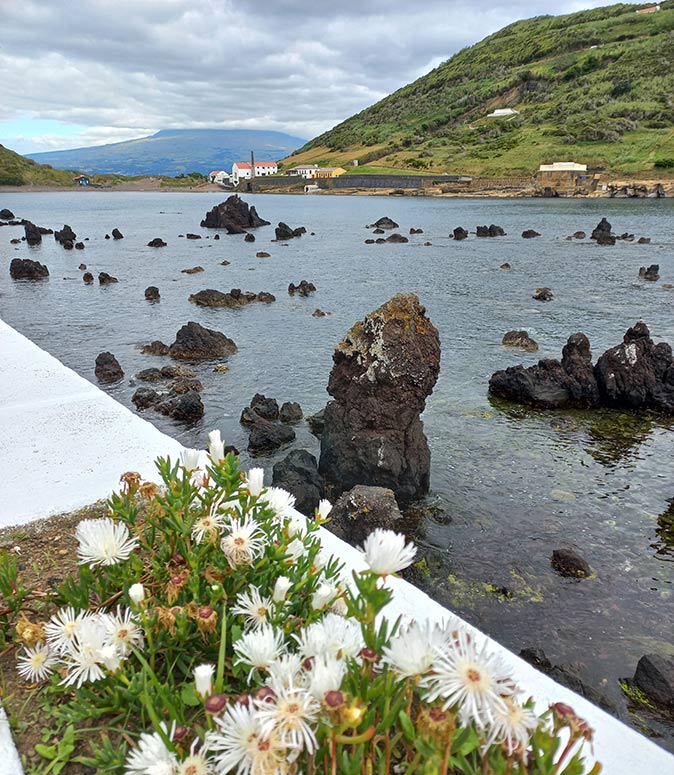
We use Navionics for navigation, and in the Azores that’s generally quite accurate.
But, for additional information, I like to get a cruising guide for every destination I sail to.
For the Azores, Imray Atlantic Islands by Anne Hammick is the best cruising Guide.
Some of the Best Things to Do in the Azores
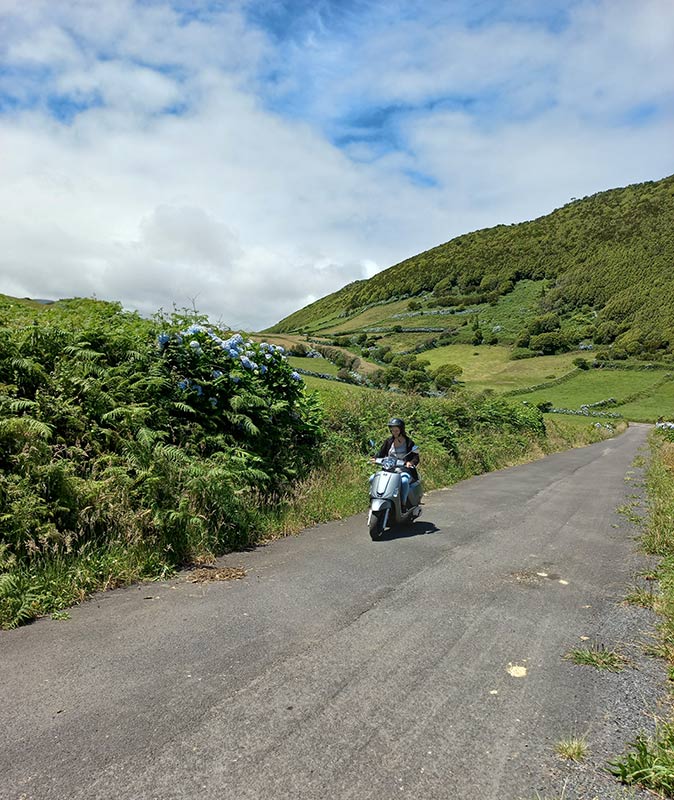
Apart from sailing from island to island, taking in the sights, and enjoying local food in small restaurants with friendly locals, these are some great things to do in the Azores:
- Climb Pico, the highest mountain in Portugal.
- Go on a whale-watching tour from Horta or from Ponta Delgada. Seeing whales up close while sailing around the Azores is less common, which is why these tours are well worth it, even though you’re on a boat yourself!
- Go on a full-day tour of Sao Miguel.
- If you like to get the adrenaline going, go canyoning in Sao Miguel.
- Go on a half-day island tour with cheese tasting in Terceira.
Chartering a Boat to Sail in the Azores
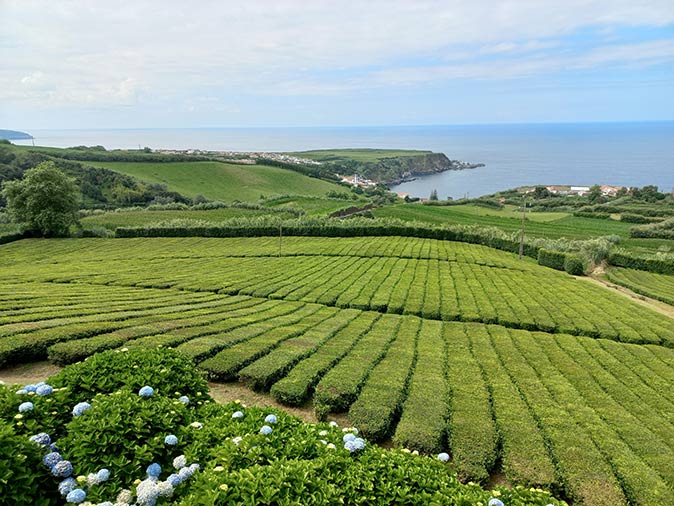
Unlike popular sailing destinations such as Greece in the Mediterranean or the BVI in the Caribbean, you don’t find that many chartered boats in the Azores.
But, that doesn’t mean there aren’t some great options and I think the Azores is a great place to charter a boat. You can explore several islands, even if you’d only charter a boat for a few days.
Sailo has a good selection of privately owned sailboats for rent. It’s a great option both for captained and bareboat charters, and generally cheaper than local charter companies.
Sailing in the Azores – Conclusion
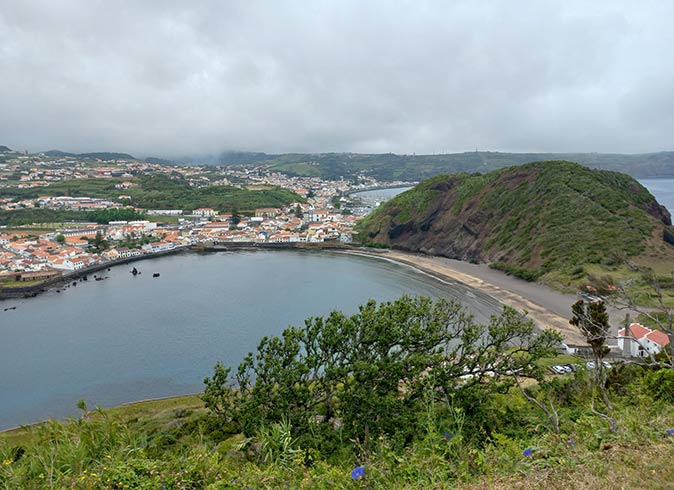
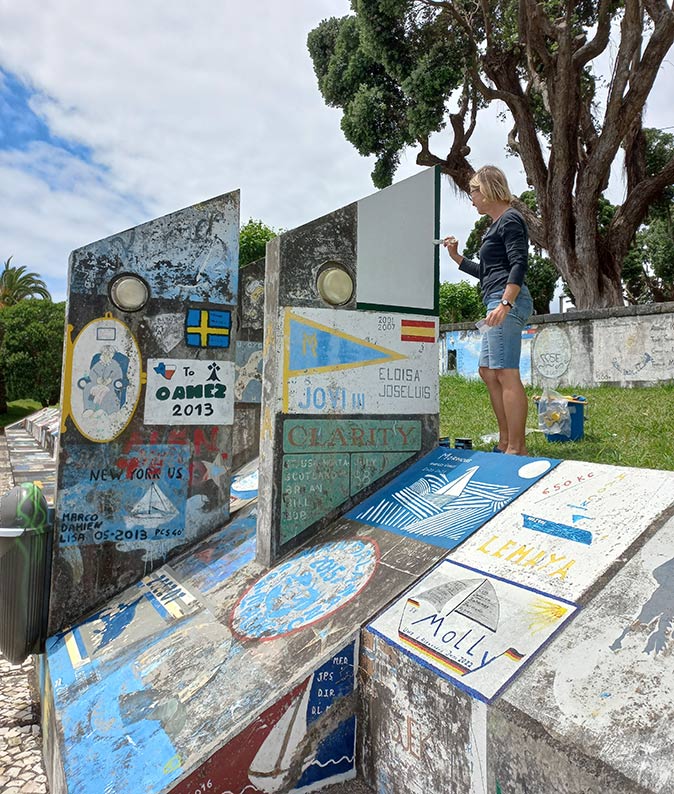
As most sailors I’ve met agree, sailing in the Azores is great!
The islands are beautiful and the people are extremely friendly. Plus, the islands are located relatively close together, making sailing between islands not too time-consuming.
If you love a laid-back atmosphere, great hiking, whale watching, and delicious local cheese and wine, you’ll love the Azores!
Also Read: Volunteering in the Azores With Whales & Dolphins
Plus, assuming you’ll be sailing in the Azores around the summer months, the more moderate weather here offers a nice change from the Caribbean and Southern European heat.
Also Read:
- Sailing Across the Atlantic – My Experiences
- 7 Ways You Can Make Your Dream of Sailing Around the World Happen
- A Practical Cruising Guide for Grenada (Caribbean)
- Things to Know About Sailing in Saint Lucia (Caribbean)
- The Best Places to Visit by Boat in Miami
- Sailing in Curaçao – Things to Know
- Sailing in Greece – Things to Know
- Chartering a Yacht in Spain – What You Need to Know
Like this article about sailing in the Azores? Pin it!

This blog about sailing the Azores contains affiliate links. I may receive a commission for purchases made through these links, at no additional cost to you.