

Moving to Australia opens the door to endless possibilities and unforgettable experiences, trust me I know first hand, my life changed forever when I moved to Australia in 2012.
From the bustling cities to the serene red outback, the country offers a perfect balance of modern living and natural beauty. But before you pack your bags, there are several important things to know before moving to Australia.
It’s not all endless beaches and laid-back beach vibes like you see on Home and Away.
Australia has its unique challenges, and being prepared will make your transition smoother. Below, I’ll break down 10 essential things to keep in mind.
10 Essential Things To Know Before Moving To Australia
1. Australia Is Huge!

It’s hard to grasp just how vast Australia is until you experience it firsthand.
The country is the sixth-largest in the world, yet also one of the least densely populated countries in the world. This means that travel times between cities can be daunting.
For example, driving from Sydney to Perth will take you around 40 hours. Yes, you read that correctly!
When I first moved to Australia I couldn’t believe how far everything was. Even when I fly between major cities like Melbourne and Brisbane it can take a few hours even though they always look so close on the map.
Many people moving to Australia are drawn to the cities and bright lights, such as Sydney, Melbourne, and Brisbane. These cities are bustling with activity, job opportunities, and cultural experiences.
However, it’s crucial to remember that there’s a lot more to Australia beyond its cities. Vast areas of the country are remote, and if you plan on visiting these parts, expect long travel times.
So, one of the most important things to know before moving to Australia is understanding just how large and spread out the country is, especially if you want to travel between states or cities.
2. Australia Is Expensive
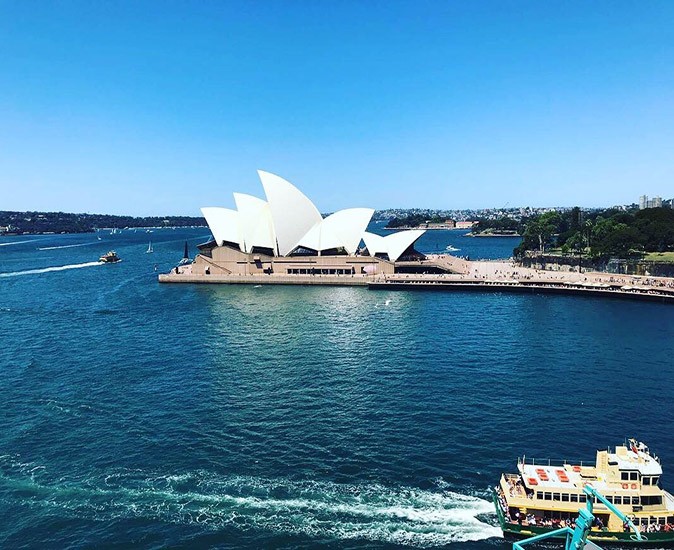
Australia has a high standard of living, but with that comes a high cost of living.
Sydney and Melbourne, in particular, are known for being two of the most expensive cities in the world.
Rent prices can be sky-high, especially if you want to live close to the city center. On average rent for a 1 bedroom close to Sydney CBD could set you back more than $500 AUD per week. The 2 bedroom apartment that I rent is 30 mins from the CBD by bus, relatively modern, and is about $850 AUD per week.
Groceries, dining out, and transportation can also add up quickly. However, I do find that eating out in Australia is cheaper than eating out in the UK after spending 5 months living back there in 2023.
And of course, it does depend on where you’re coming from. If you’re moving to Australia from the USA, especially from an expensive part like New York or California, you might not find life in Australia that expensive.
It’s important to set a realistic budget before moving and understand the costs of living here. Numbeo is a good website to get a general idea of the cost of living in different parts of Australia.
However, it’s worth noting that wages are also relatively high in Australia, which helps to offset these costs for most professional workers. If you come with an unskilled job, expect to struggle with the cost of living.
3. Aussie ‘Lingo’

Australians have a unique and often humorous way of speaking. While English is the adopted national language, the local slang can sometimes make it feel like a different dialect.
Australians love to shorten words and add their own flair to phrases, so don’t be surprised when you hear words like “arvo” (afternoon), “bikkie” (biscuit), or “tinnie” (can of beer) or some other words that you don’t recognize.
Expect to get a nickname as well, I always get ‘Daz’ or ‘Dazza’ for Darren. This is super important if you are not from an English speaking country as it can be very confusing at the best of times.
It might take a little time to get used to these colloquialisms, but one of the fun things to know about Aussies is that they are laid-back and don’t expect you to pick up the lingo right away.
Just enjoy the quirky way of speaking, and you’ll soon start to feel at home.
4. Interstate & Domestic Travel Isn’t Cheap

Given Australia’s vast size, you’d think that travel within the country would be affordable to encourage domestic tourism. Unfortunately, that’s not always the case.
Domestic flights can be surprisingly expensive, especially during peak times like school holidays. Even traveling by train or bus can be costly compared to other countries. I have noticed a big increase since Covid 19.
However, you can grab some deals if booked during sales. So keep an eye out for deals on Jetstar flights.
Also Read: How to Find the Cheapest Flights
If you’re planning to explore Australia while living here, make sure to budget accordingly. Flights between major cities can range from a few hundred to several hundred dollars depending on the time of year. I have spent $100 AUD on return flights from Sydney to Melbourne and then at peak times have spent $350 AUD.
If you’re moving to Australia expecting frequent interstate trips, traveling around the country is not as affordable as you might expect. I would recommend getting into frequent flyer programs such as Qantas and Virgin Australia’s ‘Velocity’ to gain valuable points to redeem for cheaper domestic flights.
5. It’s Not All Sun & Beaches
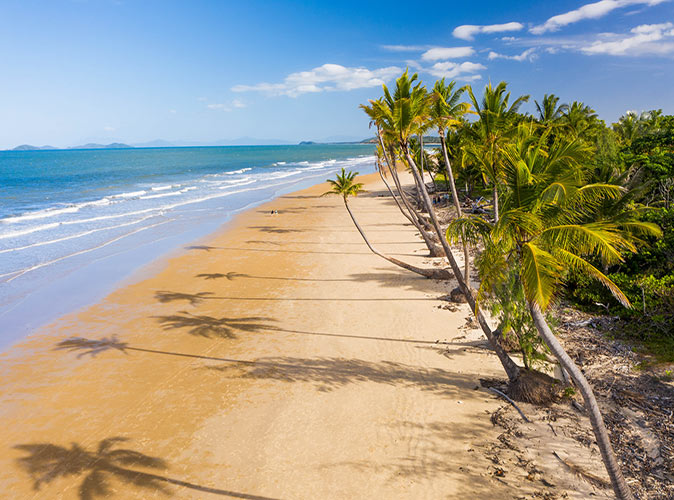
While Australia is famous for its sunny weather and beautiful beaches, the climate can vary significantly depending on where you are.
Sydney, for example, experiences warm summers but can have chilly and wet winters. Melbourne is notorious for its unpredictable weather, where you can experience “four seasons in a day.”
Meanwhile, Tasmania can be cold much of the year, and the northern parts of Australia have a tropical climate with hot, humid summers and monsoon seasons.
If you’re moving to Australia for the weather, be sure to do your research about the specific region you’re heading to. The sunshine might not be as consistent as you’d expect, and different areas have vastly different climates.
I live in Sydney and I enjoy that it does not get as humid as it does in Queensland. However the weather in Sydney can be crazy unpredictable during June and July.
Understanding the weather conditions is essential when preparing to move to Australia.
Also Read: Things to Consider Before Moving to a Different Country
6. You’ll Need Some Form Of Health Insurance
Australia has a well-regarded public healthcare system, known as Medicare. However, it doesn’t cover everything, and not everyone is eligible for it.
If you’re moving to Australia on a working holiday visa, student visa, or as a temporary resident, you may be required to have private health insurance so please check Services Australia to see what you are covered for.
Even if you’re eligible for Medicare, many people choose to supplement it with private health insurance to cover additional services such as dental, optical, and physiotherapy which can lead to more expenses.
Understanding your healthcare options and requirements is a vital part of the moving process.
Make sure you’re clear on what coverage you’ll need to avoid potential health-related costs down the line.
Note: if you don’t have a visa for Australia yet, this link takes you to Australia’s immigration and citizenship website with information about different visa options.
7. There’s A Lot Of Great Food & Drink

Australia has an incredible food scene with a wide range of cuisines influenced by its multicultural population. Whether you’re craving Thai food, Italian pizza, or fresh seafood, Australia’s cities offer a culinary feast.
There’s also a thriving coffee culture, which means Aussies are serious about their coffee, and you’ll find amazing cafés on almost every corner. One of the things I love about living in Sydney is that there are so many restaurants and cafes to try.
Also Read: What It’s Like to Live in Sydney
Food and drink are a big part of the social culture in Australia. Don’t be surprised if your weekends revolve around barbecues, brunches, or visiting farmers’ markets.
8. The Internet

One of the less glamorous aspects of living in Australia is its internet infrastructure, which can lag behind other developed countries.
While the National Broadband Network (NBN) has improved things in recent years, the internet can still be slow and expensive, particularly in rural or regional areas. If you’re moving to a remote part of Australia, be prepared for less reliable connectivity.
For those who rely heavily on fast internet for work or entertainment, this can be one of the more frustrating things about moving here.
Be sure to check the internet service options in the area you’re moving to before settling in and always check speeds for your location on the NBN website.
9. Tax & Superannuation
Australia’s tax system can be a bit confusing for newcomers, so it’s important to familiarise yourself with how it works.
The tax year runs from July 1 to June 30, and you’ll need to file an annual tax return if you’re working in the country. Australia has a progressive tax system, so the more you earn, the higher your tax rate will be.
Superannuation, or “super,” is another aspect to consider. This is Australia’s mandatory retirement savings system, where a portion of your salary is set aside in a super fund. Understanding how to manage your superannuation is one of the keys if you plan on working here long-term.
I would advise that you choose your super fund using the information on the Australia Tax Office website as there are a lot of scams regarding super and investments in Australia.
10. Three Main Time Zones

Australia spans three time zones: Australian Eastern Standard Time (AEST), Australian Central Standard Time (ACST), and Australian Western Standard Time (AWST).
Depending on where you’re moving from, you may find the time differences between family and friends back home difficult to navigate. Daylight savings also comes into play in some states, so it’s worth noting the variations.
Understanding the time zones will help you stay connected with loved ones and avoid confusion, especially if you’re working with international clients or teams, or are a digital nomad.
Getting Ready to Move to Australia
I hope my article has helped you feel more prepared for the exciting move to Australia.
Try to get familiar with the cost of living and local customs. This will help you have a smoother adjustment to life down under.
Being prepared and open to new experiences will make settling in a breeze, and I’m sure you’ll end up loving life in Australia as much as I do.
Ready to make the big move? Start your journey with my relocation checklist which you can find on my website!
Also Read: