
An African safari is one of those trips that really do live up to the (considerable!) hype.
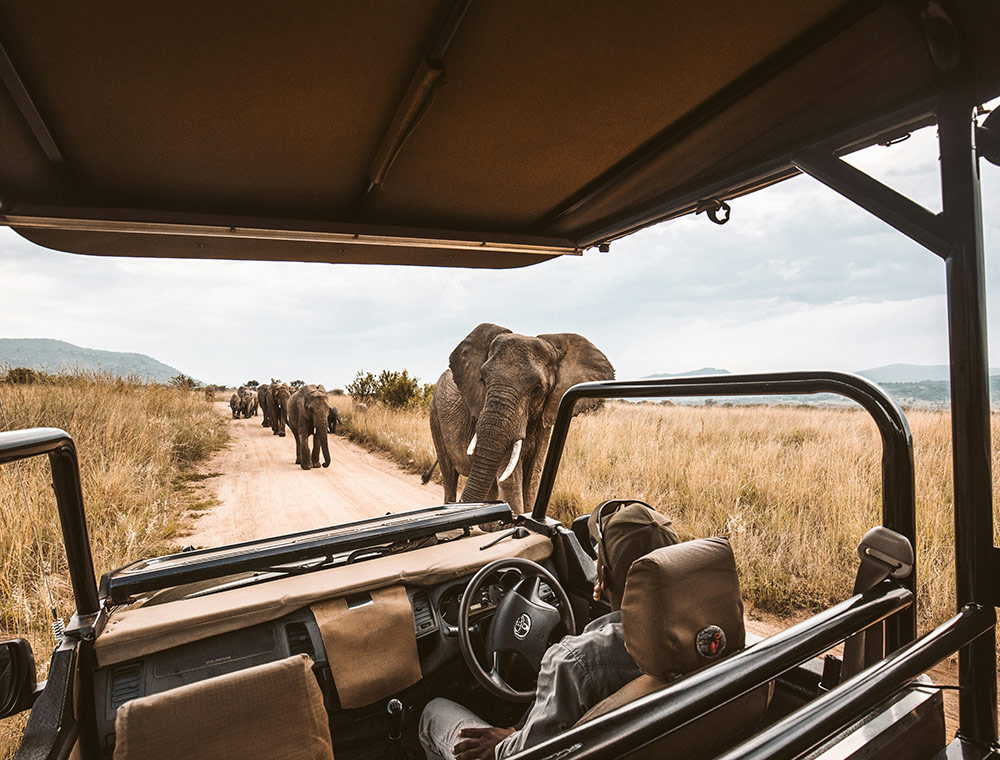
I have many standout memories from my safaris. From watching two male cheetahs feasting ravenously on a wildebeest on my first full day in the Serengeti to sitting awestruck in our vehicle in Tarangire as a whole herd of elephants crossed the road in front of us.
For me, it’s moments like these that make safaris so magical. The thrill of anticipation thrums through you even before that first game drive and never really stops.
While wildlife is unpredictable, planning still plays a crucial role in getting the most out of your trip. Sometimes, you could miss out on something amazing because you opted for the wrong park, the wrong season or the wrong operator.
I’ve been on countless safaris in many African countries. Based on my experiences, I have put together this guide to highlight common first-timer mistakes to avoid and offer some useful tips to make sure your safari really is the trip of a lifetime!
Choosing the Right Country for Your First Safari

So you want to go on safari! The first question you’re faced with is where?
Different African countries have different levels of accessibility, landscapes, wildlife, experiences, and price points.
1. Accessibility
The first thing to bear in mind is accessibility.
Kenya and South Africa are the most accessible safari destinations, both housing large international airports with regular flights from hubs including London, Amsterdam, Paris, Dubai and Doha.
Both of those countries also have fantastic safari infrastructure in terms of well-maintained roads, frequent domestic flights connecting national parks and reserves, and lodges to suit all budgets.
At the opposite end of the scale, Zambia and Botswana are perhaps the most remote locations. Although their increasing popularity does mean that there are a lot more flight options available today than there were for me when I first visited many years ago.
Still, Zambia and Botswana provide the most raw and off-the-beaten-track experience and flying between parks is the easiest way to travel around. I distinctly remember taking a cable-operated pontoon in Zambia thirteen years ago, transporting our 4×4 from one side of the river to another!
2. Wildlife
Which animals you’ll like to see will perhaps have the biggest impact on which destination you choose. After all, a safari is all about wildlife!
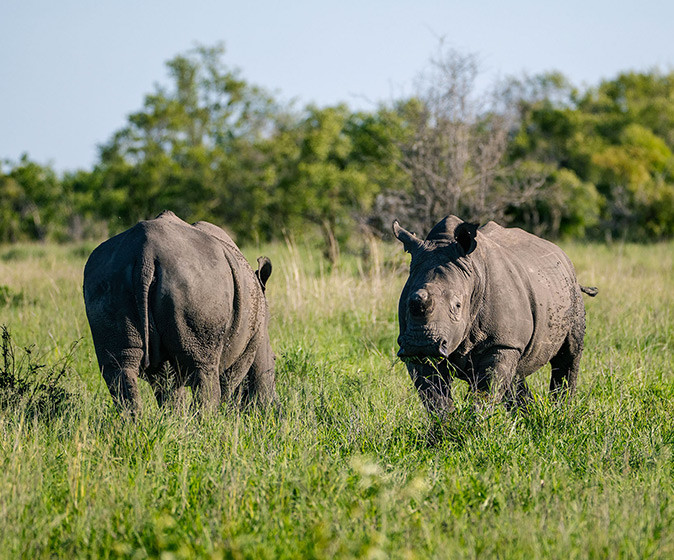
You can see the Big Five (lion, elephant, leopard, buffalo, and rhino) the most easily in Kenya, Tanzania, or South Africa.
Whilst other safari locations do house the Big Five, like Uganda and Rwanda, seeing them all is significantly more challenging. Whilst I’ve given it a good go, I’ve only ever managed to see four of the Big Five in both Uganda and Rwanda.
Another wildlife highlight, the great wildebeest migration can only be seen in either Tanzania or Kenya.
Cheetahs are most abundant in Kenya or Tanzania whilst African wild dogs are best seen in Botswana, South Africa or Zambia.
If you want to see primates, Uganda and Rwanda offer both mountain gorilla and chimpanzee trekking experiences. These can then easily be combined with either Kenya or Tanzania, with direct flights to and from either, if you’d like to see the Big Five as well.
3. Prices
On price, Kenya and Tanzania are the most accessible starting point for guided private safaris. A budget private safari in Kenya or Tanzania starts at around US$350 per person per day.
At the other end of the scale, Botswana is the premium pick and has the highest starting prices in Africa, from about $500 per person per day at the budget end. In return, strict visitor limits mean very few, sometimes zero, other vehicles at sightings, a contrast to busier parks in Kenya and Tanzania.
How Much Does a Safari Cost?
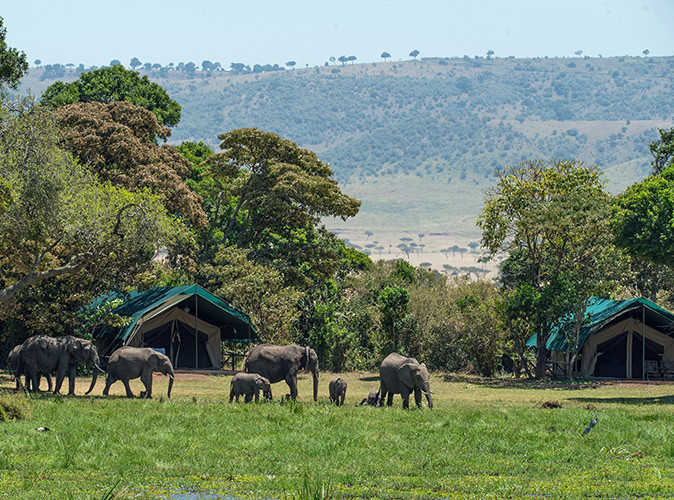
Safari costs can vary from as little as US$180 to a whopping US$7,000+ per person per day depending on the country, your accommodation, whether you go private or group, and even how you book your trip.
The most budget-friendly options are shared camping safaris in East Africa (Tanzania, Kenya or Uganda) or a self-drive safari in South Africa or Namibia. These cost around $180 – $250 per person per day.
East African group safaris offer significant savings over private, particularly if traveling solo, and are also a great way to meet other travellers. That said, they tend to have fixed itineraries and accommodation options, so you don’t have much flexibility, which can prove frustrating if there are particular animals you’d like to see and spend time with but the itinerary or other guest preferences don’t accommodate for it.
A self-driving safari will give you unlimited flexibility, but a word of caution: you should have at least some off-road experience and basic vehicle maintenance skills before considering this option. When my vehicle broke down in the desert on a self-driving safari in Namibia, I was completely stranded until two friendly mechanics stopped to help me!
The other thing about self-driving is that you won’t see even a fraction of the wildlife you’d see on a guided safari unless you’re very experienced in tracking wildlife, which most of us aren’t. I was disappointed not to see a single elephant on my self-drive safari in Namibia and only managed to see a lion as I decided to start following the guided vehicles!
For me, a private guided safari is the way to go. It’s a little costlier, with prices from $350 per person per day, which includes accommodation, meals, park fees, vehicle rental, an experienced driver guide and fuel. I find that this option offers the perfect blend of affordability and a relaxing experience. Your guide will make sure you enjoy fantastic wildlife sightings, and since you don’t have to drive your vehicle, you can just sit back and take it all in.
For those with a larger budget, private luxury safaris range from $400 to several thousand dollars per person per day depending on the location and luxury level.
How to Book Your Safari
The way you book your safari can significantly affect the total cost of your trip.
The three main options are:
- International tour operator
- Local tour operator
- Self-booking
For me, booking through a local tour operator is by far the best way to go because in my experience, it offers the best balance of affordability and low-stress planning.
I actually booked my very first safari with an international travel agent, but later found out from speaking to people in the same group as me that I could have had the same experience for half the price simply by booking directly with a local tour operator!
The reason for this price difference is that international operators usually just act as the go-between and end up reserving the same lodges, parks, etc. with a local tour operator but apply a generous mark-up for the convenience of making all the arrangements for you.
I have also gone the DIY route, making all my own arrangements for a self-drive safari in hopes of keeping costs as low as possible. But any savings I might have made were quickly outweighed by the hassle of having to organize everything and the added stress of having no one to support me when things went wrong.
For example, when my airport transfer failed to show up. I was then flapping about in the scorching heat outside the terminal, fumbling to connect my laptop to my personal hotspot to try to contact the transfer company as I foolishly didn’t download the correct app on my phone beforehand. The palaver ended up taking around an hour to sort – not the best start!
The first time I booked a safari with a local tour operator, the costs were surprisingly not much higher than for my DIY safari, while the experience itself was infinitely more rewarding and enjoyable.
As well as having invaluable on-the-ground knowledge, local operators don’t tack huge mark-ups onto their safari costs. In addition, they can often access preferable rates and even secure rooms when a place appears booked out online thanks to their close relationships with lodges in the area.
So my advice would be to book locally if possible. If you are concerned about deposit protection, use a credit card to pay your deposit as card payments are generally subject to statutory protections (just double check this with your bank).
Tourradar is a platform that offers a range of safaris from local operators (alongside international operators), and you can see reviews for each tour operator which is very helpful. Another good option is Go2Africa, which is a well-known operator headquartered in South Africa. Although if you’re on a budget, their offering will be less suitable.
Lastly, a good travel insurance policy will also ensure you’re not left out of pocket if something happens to disrupt your trip, and is an absolute must no matter how you book your safari.
Also Read: What to Look For in Travel Insurance
When is the Best Time to Go on Safari?
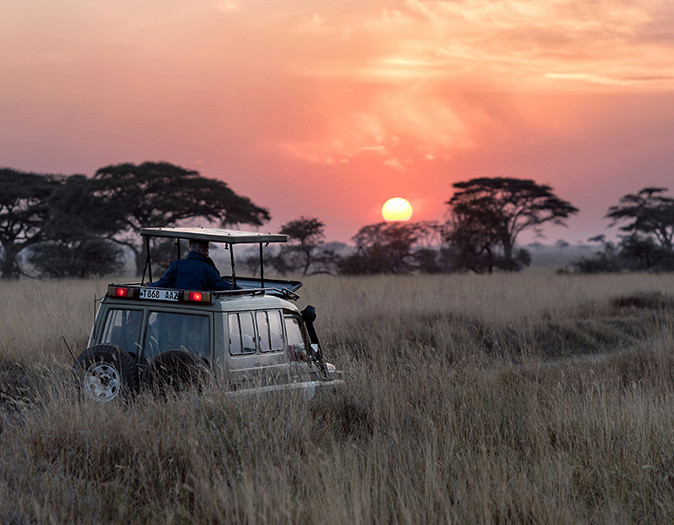
Africa’s huge variety of landscapes, weather and wildlife means there’s no one perfect time for a safari!
Different times of year offer different benefits, from price savings and quieter parks to different wildlife viewing opportunities.
1. Dry Season
For East and Southern Africa, the long dry season (June to mid-October) is generally considered ideal, with warm days, cool nights, and dry conditions drawing wildlife to waterholes.
The breathtaking Mara River crossings in Tanzania and Kenya also make mid-July to mid-October a particularly popular time to visit.
Additionally, dry conditions and sparse vegetation make June-August the best time for gorilla trekking in Uganda, but you’ll need to book permits months in advance at peak prices.
However, peak season means higher costs and bigger crowds. Accommodation is more expensive and top camps book up months ahead, plus Maasai Mara park fees double from July to December.
2. Rainy Season
In contrast is the rainy season. While the peak of the rainy season (March-May in East Africa and January/February in Southern Africa) brings the lowest prices and quietest parks, your experience may be impacted by dense vegetation, substantial rainfall or even flooding.
Having visited at this time of year, I can say that the traversable area is significantly reduced by closed roads and flooded areas, meaning wildlife sightings are impacted. I didn’t see a single leopard during 5 days in the Maasai Mara which is something I’ve never experienced before.
3. Shoulder Season
The best balance between favorable prices, smaller crowds, and good weather is the shoulder season, which in East Africa spans from mid-October to mid-March.
This is my personal favourite time of year to visit.
The short rains start in mid-October and cause herbivores to give birth. Therefore it’s a lovely time of year to see impalas or giraffes taking their first steps on wobbly legs!
In February the great herds of wildebeest start to give birth in Southern Serengeti which is quite a spectacle.
Shoulder seasons in Southern Africa are mid-October to the end of December and March to the end of May. Whilst rain still is likely, it’s significantly less than January or February and doesn’t interfere too much with wildlife viewing. I managed to spot the Big Five multiple times on a visit to South Africa in December.
What to Pack
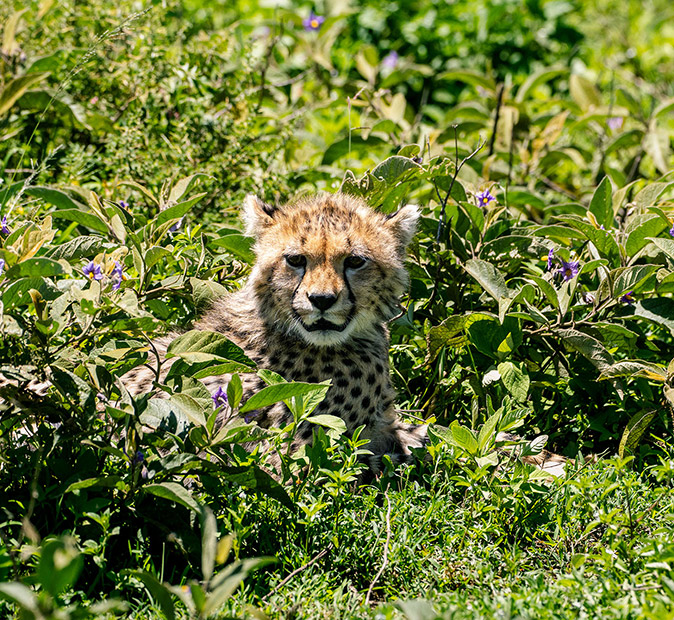
It’s very easy to fall into the trap of assuming that Africa is a hot and dry continent and to pack according to that narrative.
The reality is that temperatures on safari can fluctuate considerably, from surprisingly chilly mornings to significant heat later in the day.
Rain can also come at any time, even in the dry season. I therefore always recommend dressing in layers. I usually wear a tank top under a linen shirt with a warm sweater over it and then a coat on top if it’s very cold, so I can remove items gradually as the day heats up.
The dry season is always the coldest time of year. In Southern Africa particularly, temperatures can get biting! Therefore if you’re visiting this region over the dry season I recommend bringing a down jacket, beanie hat, neck warmer and gloves.
Many safari destinations are home to tsetse flies which give a nasty bite and are attracted to blue and black colours. Therefore it’s advisable to avoid these colours and to dress in long, loose clothing to protect you from their bites.
Editor’s Note:
After getting dengue myself while traveling, mosquito protection is something I take very seriously now.
The risk of both malaria and dengue varies a lot depending on the country, season, and even the type of safari you’re doing, so it’s worth researching your specific destination carefully before your trip. In some safari areas the risk is considered very low, while in others anti-malarial medication is commonly recommended. Either way, I’d strongly suggest bringing a good insect repellent, wearing long sleeves, and checking official travel health advice for your destination before you go.
If you’re going on walking safaris, muted neutral colours are recommended so that you don’t startle the wildlife. Beiges, greys and muted greens are best.
With regard to footwear, I always opt for sturdy, supportive boots on safari and generally wear something casual, like sandals, back at the lodge.
If you’re taking any domestic flights, be wary of strict baggage restrictions. Flights between parks and reserves are usually on small propeller planes which have 15 to 20kg luggage limits, including 5kg hand luggage, and soft-sided bags only.
I unfortunately found this out while boarding a flight on a Tanzania safari with a strict 15kg limit including hand luggage. With two 20kg hold bags and 10kg in hand luggage each, we were well overweight. We booked a child seat to cover the excess weight, but could have saved ourselves major stress by checking beforehand. Learn from my mistakes – check baggage rules for bush flights well ahead and pack accordingly!
Final Thoughts
A safari trip is the adventure of a lifetime, and I just know you’re going to love it!
I hope that the tips I’ve provided here help you avoid common mistakes, choose the perfect destination, and make sure the entire experience runs as smoothly as possible so that your first safari is unforgettable for all the right reasons!
Also Read:
- The Best Safari in Africa: 3 Experiences Not to Miss
- How to Find Cheap Flights to Anywhere in the World
- Things to Do Before Going on Vacation (Besides Packing)
- A Two-Week Itinerary for South Africa
- Volunteering With Elephants in Malawi
- Working Remotely from Zanzibar
This blog contains affiliate links. I may receive a commission for purchases made through these links, at no additional cost to you.