

Portugal’s appeal as a digital nomad destination goes far beyond its postcard-perfect coastlines and espressos (known simply as cafés) that cost less than €1.
This corner of Europe has been transformed into a hub for remote workers and freelancers, offering everything from startup-filled Lisbon to the surf breaks of the Algarve.
But it’s the country’s innovative digital nomad visa – promising a potential path to EU citizenship – that’s really sparking interest in the nomad community.
When Sanne asked me to write about the digital nomad experience in Portugal, I was very excited to share my thoughts.
I’ve spent time traveling the world and working remotely – everywhere from the French countryside to South East Asia – but Portugal is somewhere that has always pulled me back.
I don’t know if it’s the weather, the culture, or the fact that I lived here as a child, but there’s definitely a strong connection there – and now more and more people are discovering that as well.
So, whether you’re seeking a 90-day taste of Portuguese life or plotting a more permanent move, here’s what you need to know about making Portugal your next nomad base.
Why Portugal Is So Popular With Nomads
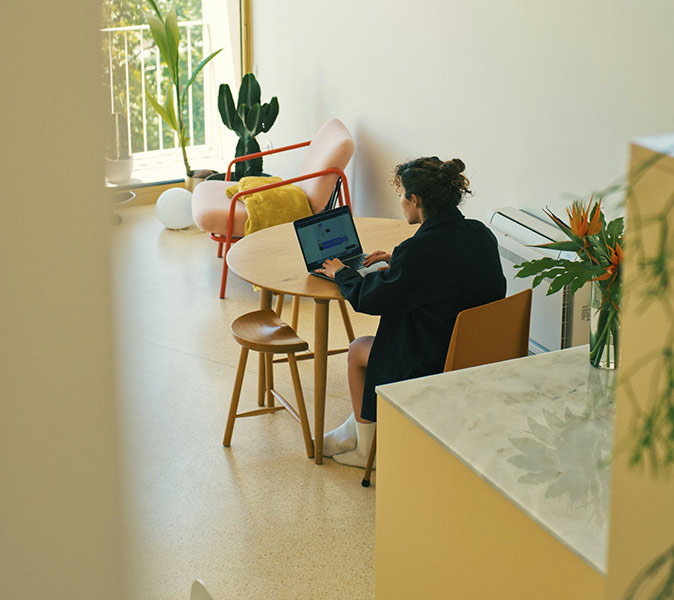
The Portuguese appeal isn’t just hype – let’s break down why nomads are flocking here:
- Sun & Weather: The Algarve basks in 300 days of sunshine annually, while Lisbon enjoys 290. There’s a noticeable weather difference between the two regions, with the Algarve generally being warmer and drier.
- Thriving Nomad Scene: Lisbon’s digital nomad community is massive. You’ll find hundreds of nomads at regular meetups, mastermind sessions, talks, and comedy nights. This strong community is self-reinforcing – nomads choose Portugal partly because there are already so many other nomads here.
- Internet Speed: Major cities like Lisbon and Porto offer blazing 1 gbps connections standard, with options up to 10 gbps. Rural areas might lack fiber so be sure to check where you’re staying, but strong 4G/5G coverage usually fills the gap.
- Cost of Living: While not as cheap as before, Portugal offers value for money. A one-bedroom in Lisbon starts at €1,000-1,300 – pricier than Southeast Asia, but still reasonable when compared to other European capital cities. Daily costs remain attractive: sub-€1 espressos and cross-country train rides under €50.
The bonus? Accessible residency options, but I’ll share more about that later.
Top Destinations for Digital Nomads in Portugal
While Portugal’s reliable internet makes remote work possible almost anywhere in the country (barring some rural areas), a few destinations stand out for digital nomads.
1. Lisbon
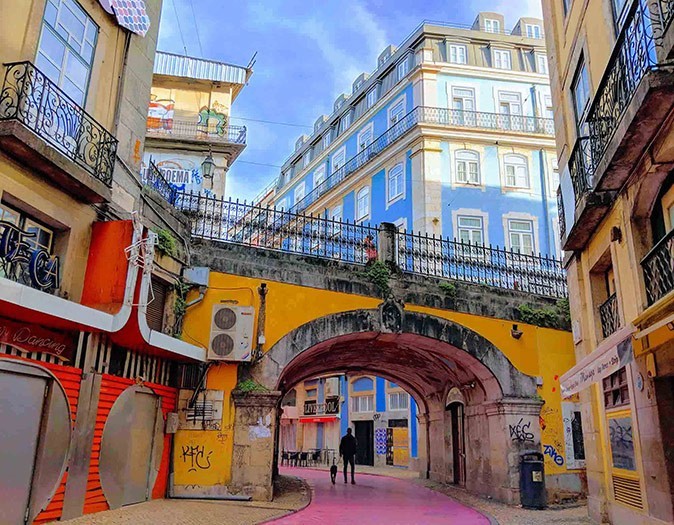
Lisbon is Portugal’s undisputed nomad capital, offering a vibrant mix of coworking spaces, regular meetups, and coliving options.
The city’s strong infrastructure – good public transport, an international airport, and widespread English usage – makes daily life easy for nomads.
Its diverse food scene, including excellent vegan options, adds to the appeal. You can even get a vegan pastel de nata (which tastes just like the real thing, I might add).
However, this popularity comes at a price: expect to pay €1,200+ for a long-term apartment rental (more through Airbnb), and be prepared for some local tension over housing costs.
Budget accommodations often fall below international standards as well, particularly in winter due to the lack of insulation. This can also mean a lack of sound insulation.
Also Read: What’s it Like to Live in Lisbon? – An Inspiring Interview and Where to Live in Lisbon – The Most Popular Areas
2. The Algarve
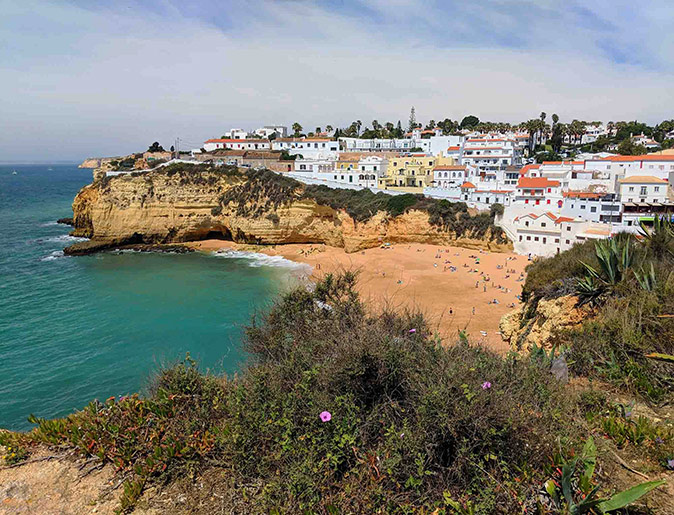
The Algarve offers a different lifestyle with its 300 days of annual sunshine, stunning beaches, and excellent surf spots, especially along the west coast.
The region boasts beautiful hiking trails around Monchique, and Faro Airport provides good European connections.
While English is widely spoken and there’s a strong international community, the digital nomad scene is smaller and mainly centered in Lagos – which, like Lisbon, comes with higher costs.
Nearby Portimão offers better value but, like most Algarve towns, requires a car.
The region’s seasonal nature also means crowded summers and quiet winters, and some areas feel more expat than Portuguese, particularly on the coast.
Also Read: What’s It Like to Live in Lagos, Algarve?
3. Porto
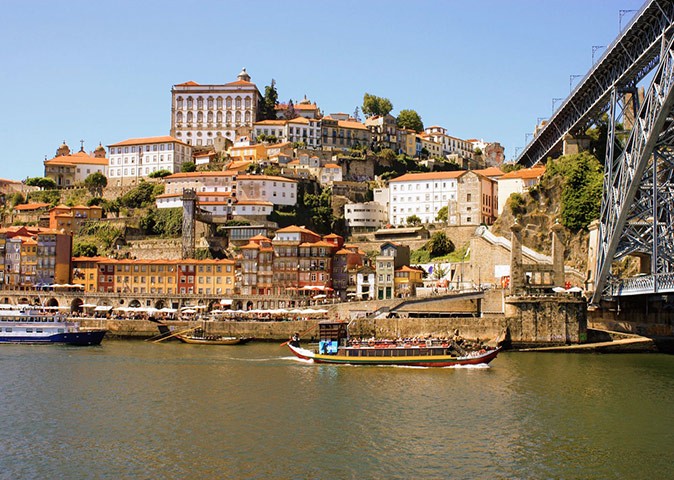
Porto, the country’s second city, provides a more affordable alternative with arguably more charm.
Known for its culinary delights (francesinhas, bifanas, and eclairs to name but a few) and proximity to both Northern Spain and Gerês National Park, Porto maintains good international connections despite its smaller airport.
However, its digital nomad scene never reached Lisbon’s scale, and the cold, damp winters make quality housing crucial.
Like Lisbon, mass tourism means the city’s population can swell during the summer months, raising the cost of accommodation.
Also Read: What It’s Like to Live in Porto
4. Ericeira
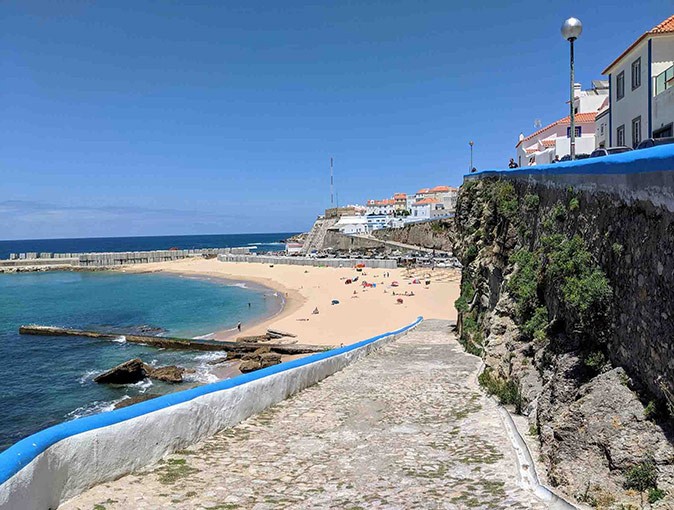
Ericeira offers small-town coastal living with Lisbon convenience – just a bus or Uber ride away.
This surf town boasts coworking spaces, vegan restaurants, and milder winters.
But Lisbon-level prices and a tight-knit community aren’t for everyone, and some find the small-town atmosphere limiting.
5. Costa da Caparica
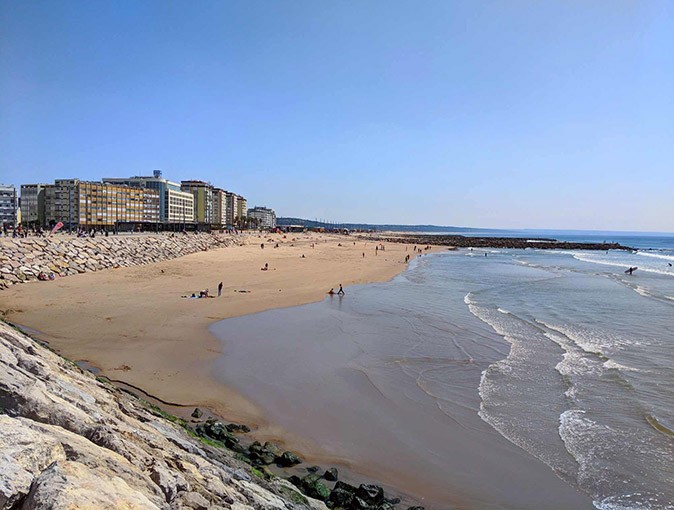
Just across the Tagus from the capital, Costa da Caparica boasts Portugal’s longest stretch of beaches and reliable waves for beginner to intermediate surfers.
A growing nomad community has discovered this spot, drawn by its laid-back vibe and proximity to Lisbon’s small but growing startup scene.
However, the beach appeal comes with drawbacks. Summer brings crowds of Lisbon day-trippers, and public transport gets patchy after dark. Despite its more suburban location, housing costs rival central Lisbon – you’re paying for those ocean views and easy city access.
This means most cost-conscious nomads either commit to Lisbon proper or look further afield.
6. Madeira
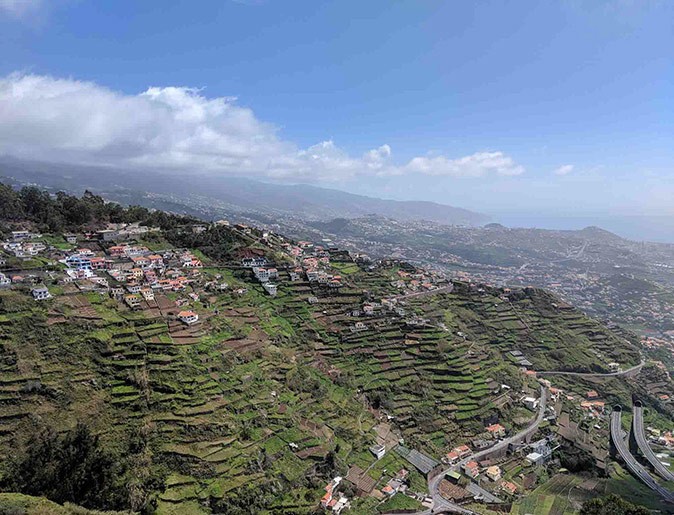
Madeira, particularly Ponta do Sol (home to the world’s first digital nomad village) and Funchal, became a nomad destination during COVID.
The island offers year-round mild weather and excellent hiking trails. Yet its isolation can breed cabin fever, and frequent flight cancellations make travel unpredictable – a significant drawback for digital nomads.
However, Madeira does have slightly more favorable taxes than mainland Portugal, so this could be a good place for nomads and entrepreneurs to consider.
Downsides of Nomad Life in Portugal

While Portugal shines in many ways, it’s not without significant challenges. A lot of websites gloss over these, or don’t mention them at all, but I’ve always tried to highlight the pros and the cons of digital nomad life here.
- Affordability: The country’s affordability advantage has eroded considerably, particularly in popular areas like Lisbon, Porto, and the Algarve. Tourism pressure, especially during summer months, can make daily life challenging in hotspots.
- Ethical Considerations: There’s also an ethical dimension to consider. In a country where the minimum wage is €870 monthly, incoming digital nomads and expats can unintentionally impact local housing markets.
While not solely responsible for rising costs, the influx of remote workers may contribute to housing pressure alongside tourism and traditional expats.
- Transport: Unfortunately, large parts of rural Portugal have poor public transport meaning you need to rely on a car. This isn’t ideal for nomads who don’t drive, are on a budget, or are trying to be environmentally conscious.
- Taxes: Tax considerations have become less favorable for settled nomads since the end of the NHR (Non-Habitual Resident) regime.
While alternatives like the simplified regime exist and there’s discussion of an NHR 2.0, the tax landscape remains uncertain for many nomads.
- Lisbon-Focus: The concentration of digital nomad life in Lisbon creates a geographical imbalance. Despite beautiful alternatives like the Azores and affordable options in Central Portugal, the community remains Lisbon-centric, making it challenging to build connections elsewhere.
- Bureaucracy: For those seeking residency, Portuguese bureaucracy poses significant hurdles. AIMA appointments can take months or even years, and administrative processes can move at a glacial pace.
- Integration: Perhaps most challenging is social integration. Portuguese society tends to be close-knit, and meaningful integration requires years of language learning and cultural immersion.
Most nomads end up in expat circles, which often prove transient and require you to constantly make new friends.
Overall, the biggest challenge to living in Portugal is the bureaucracy.
There’s always a lot of paperwork, and everything takes a lot longer than you might expect.
However, this has led to many companies opening up that can help with tasks like getting you a NIF, helping with your visa, exchanging your driving license, and helping you navigate the healthcare system.
While you can’t avoid the bureaucracy completely, you can delegate quite a few of these tasks to an external company – for a fee, of course.
And that gets me to my final point: what type of nomad life are you aiming for?
What Type of Digital Nomad Are You?

Portugal attracts two distinct types of digital nomads, each with their own approach to embracing Portuguese life.
The “classic” nomads follow traditional patterns – bouncing in and out within visa limits (90 days in 180 for non-EU/EEA/Swiss citizens), renting short-term through platforms like Airbnb and Flatio, and treating Portugal as one stop on their global journey, much like they might view Bali or Medellín.
Then there are the “settlers” – digital nomads who’ve decided to put down roots using Portugal’s dedicated digital nomad visa.
These folks are making a deeper commitment: establishing tax residency, integrating into the healthcare system, and often eyeing that ultimate prize – applying for EU citizenship (which you can do after 5 years of residency).
For many, this path offers the perfect blend of nomadic freedom and European stability, complete with access to the EU’s robust public services and safety nets.
Obviously with hundreds of days of sunshine, Portugal is going to attract a lot of globe-trotting digital nomads. But as great as the sunshine and beaches are in Portugal, the reality is that there are plenty of other beach destinations in the world – and cheaper ones too.
I think the real appeal of Portugal, for digital nomads but also for retirees, families, and people from all walks of life, is the chance to live permanently in a European country and eventually get an EU passport.
Becoming a “Settled” Nomad
Want to become a settled nomad in Portugal? Enter Portugal’s digital nomad visa – often called the D8, although, according to a Portugalist webinar, many consulates are referring to it as the “D9” now instead.
The primary requirement is income: €3,680 monthly from non-Portuguese sources (remote work or freelancing), calculated as a 3-month average. This figure comes from Portugal’s policy of requiring 4x the minimum wage (currently €920).
Watch for increases though – as of 2026 it’s €3,680 but as minimum wage rises so will the income requirement. Annual minimum wage increases are expected until 2028 when minimum wage reaches €1,020.
For a spouse or partner, add 50% to the income requirement. For a dependent child, add 30%. This can rack up pretty quickly if you have a big family.
You’ll also need savings equivalent to 12 months of minimum wage (€920 x 12), with the same family multipliers applying.
On the paperwork side, you will need a Portuguese address (most rent on a 12-month lease, some buy, or you can have a friend or family member host you), a NIF number, and a Portuguese bank account.
Thankfully, there are plenty of companies that can help you get a NIF and bank account remotely, however, you should factor in around €70-€150 for the NIF and around €300-500 for the bank account.
You’ll need health insurance for your AIMA interview in Portugal. Travel insurance is required for your initial interview at the Portuguese consulate or VFS Office. Schengen health insurance is easy to obtain, for example through a comparison website, but you’ll likely need a Portuguese broker to obtain health insurance through a Portuguese insurer.
Also Read: Things to Consider Before Moving to Another Country
Is Spain a Better Choice for ”Settled” Nomads?
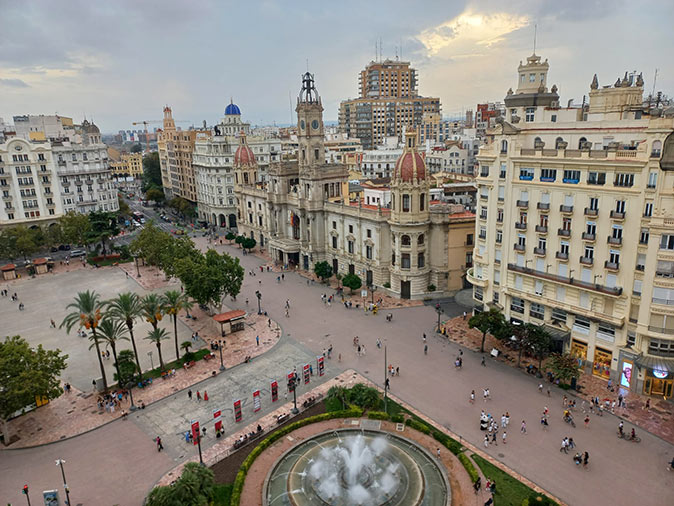
Spain’s digital nomad visa might look tempting with its lower €2,600 monthly requirement, but is it a better deal? There are a few things to consider.
Portugal offers citizenship after 5 years versus Spain’s 10. Factor in the typical 2-year processing time, and that difference becomes significant – you could be waiting 12 years to get a Spanish passport.
Spain also isn’t so keen on dual citizenship, whereas Portugal will let you have more than one passport.
The clock for citizenship via naturalization also starts ticking when you submit your initial digital nomad visa application – not when you move to Portugal – so you could potentially apply for Portuguese citizenship in even less time.
Of course, there are other factors to consider. The cost of living has increased in Portugal and there are parts of Spain that are probably more affordable. Barcelona is a pretty cool city to live in, and who doesn’t love tapas?
At the end of the day, Portugal is probably better on paper but if you’re putting down roots long-term, don’t rule Spain out.
Also Read:
- Why Spain is Great for Digital Nomads
- Valencia for Digital Nomads – A Detailed Guide
- Tarifa, a Growing Digital Nomad Destination in Southern Spain
Closing Thoughts About Portugal as a Digital Nomad Destination
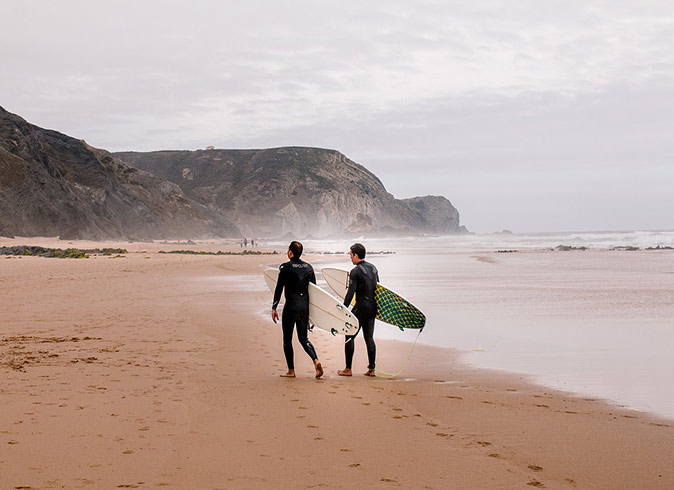
The magic of Portugal isn’t found in the fast internet or budget-friendly espressos, but in its versatility for different types of nomads.
Whether you’re seeking a 90-day adventure of surfing and coworking, or planning your path to EU citizenship, Portugal offers both.
However, I think the major appeal of Portugal for nomads is really the possibility of Portuguese citizenship.
I’m not sure how long digital nomad visas will be around. But for the time being, there’s a unique opportunity for freelancers and remote workers to take advantage and start a new life in Europe.
If you’re looking to move to a country known for its relative safety, reasonable cost of living, and family culture, consider making Portugal your next home.
Also Read:
Portugal has been on my list for remote work for a while, and this article gives a much more realistic picture than just showing the beaches and good weather. I like that you mentioned both the benefits and the challenges, especially around housing and bureaucracy. A very useful guide for anyone seriously considering the move.