

When people think of digital nomads, the first image that often comes to mind is someone with a laptop by a tropical beach. It looks carefree and exciting.
And yes, there’s some truth in that. I’ve been living this lifestyle for over 15 years, and it has given me incredible freedom and experiences I wouldn’t trade for anything.
But what you don’t often see on Instagram or TikTok are the challenges that come with this lifestyle. The moments of loneliness, the stress of figuring out life in a new place, or the sheer exhaustion that can come with never really settling.
If you’re dreaming about becoming a digital nomad (or you’re just starting out), I think it’s important to be prepared for both sides of the story.
Here are some of the biggest challenges I’ve faced over the years, and how I (and many other nomads I’ve met) have learned to handle them.
Challenges of Digital Nomad Life
1. Loneliness and Community
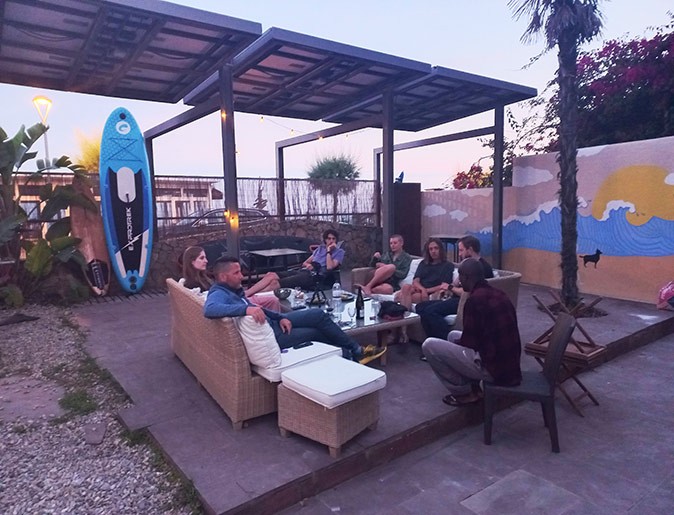
One of the hardest parts of being a digital nomad is leaving people behind all the time. You meet amazing people in a coworking space or at a meetup, but just as you’re starting to build a connection, either they leave or you have your next destination already planned.
I’ve had stretches where there just seemed to be too many goodbyes. And honestly, that can take a toll.
What helped me is being intentional about community. Staying in coliving spaces, occasionally joining a coworking retreat, or using apps like Meetup to find local events really helps to create connections.
Also Read: My review of a coliving retreat in Romania and another one in Greece
Online communities can be useful as well. There are Facebook groups for digital nomads, expat forums, or even Slack/Discord groups where nomads hang out. These online communities can answer your questions about the place you’re moving to, and can help you feel less alone when you land somewhere new.
Something else that makes a huge difference is routine. When everything around you changes all the time, little habits like starting the day with a run, having regular work hours, or even preparing the same breakfast every morning give you a sense of stability. It sounds small, but it really grounds you.
And if loneliness or stress gets overwhelming, don’t be afraid to lean on professional help. Many nomads I know use online therapy platforms like Talkspace, and more retreats are popping up that focus on wellness and mental health for remote workers. It’s a reminder that you don’t have to figure it all out alone.
Slow travel helps too. When you stay somewhere longer (ideally several months), it’s much easier to build real friendships and feel settled a bit more.
Also Read: 7 Emotional Challenges of Digital Nomad Life
2. The Mental Load of Constant Moving
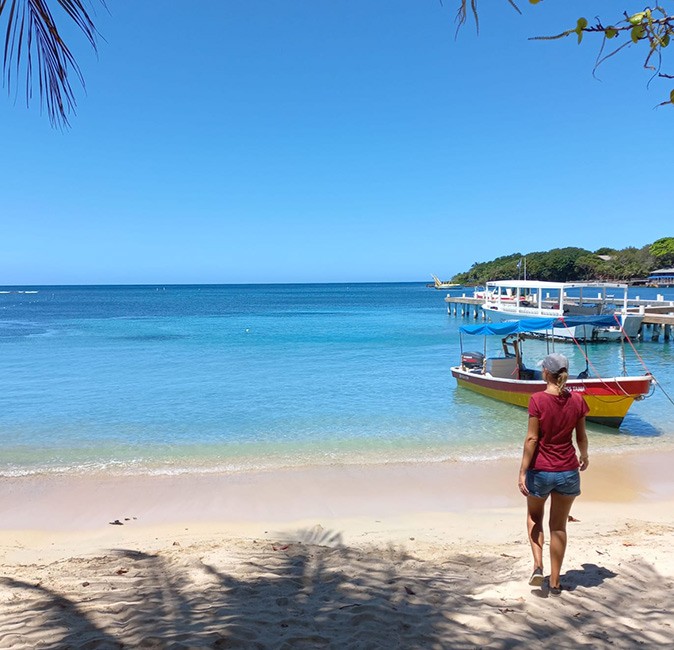
Packing and unpacking, figuring out where the grocery store is, learning bus routes, finding a good café with reliable wifi… it all adds up.
Every move means starting from scratch. At first, that to me felt exciting, and it often still does, actually. But if I move too much, it gets exhausting.
I’ve lived in quite a few remote places, mainly in Latin America and the Caribbean. And I remember on several occasions thinking “I just want to be in Europe, where the supermarkets are actually properly stocked, where mosquitoes aren’t trying to kill me, and where public transport is convenient.”
That was my sign to return to the more familiar for a bit. I’d clearly had enough of the challenges of remote life in developing countries. So I returned to Europe, to the familiar, loved it for a while, but then, without fail, after a few months, the unfamiliar and the tropical climate would appeal to me again. And that’s when I’d find some exotic destination again.
To deal with this, I first had to accept that what I want, or what makes me feel happiest, changes. And that to me is the beauty of digital nomad life: you can decide you want to be in a big city in Europe now, but two months later you move to Bali because that lifestyle now feels more appealing.
I also always recommend to travel slowly. I’ve seen a lot of new digital nomads who move country every few weeks. For some that works, but most get exhausted and lose that initial excitement pretty quickly.
If you like a place, stay for at least one or two months. Enjoy developing daily routines and really getting to know the place.
Another option that’s worked really well for many nomads (including myself) is having a base. Quite a few people I know travel only part of the year and spend the rest of the year at home.
In my case, I now have a long-term rental in Valencia, Spain, which has become my base for the moment. I can travel when I want, but it’s also nice knowing I have a familiar place to come back to. And I’m not saying Valencia will be my base forever, but for now, it keeps me balanced.
Also Read: Spain as a Digital Nomad Destination and Valencia for Digital Nomads
3. Work-Life Balance (and Avoiding Burnout)

As a digital nomad, it’s so easy to fall into one of two traps: working all the time because you feel like you should be productive, or trying to do everything in a new place and burning yourself out.
I’ve definitely been guilty of both. There was a time when I was saying yes to every adventure while also trying to grow my business. After a while, I was exhausted and not really enjoying either.
Now, I set clearer boundaries: I block out work hours just as I would at home, and I leave space for rest days where I don’t pressure myself to explore.
Working from a coworking space helps too, because it creates a better separation between “work mode” and “free time.”
4. Belongings and Logistics
You can’t bring everything with you, and over time, you’ll realize you need far less than you think. When I first started out, I definitely overpacked. Lugging heavy bags around quickly killed the joy of moving, so now I keep things much more minimal.
That said, sometimes you do need to keep belongings you don’t want to carry everywhere. A lot of nomads (myself included) use storage solutions between trips.
Of course, belongings aren’t the only logistical challenge. Internet is another big one. There’s nothing worse than showing up in a new place only to discover the internet is terrible. I always make sure I know exactly where to buy a local SIM card, or I get an eSIM before arriving, with plenty of data.
I try to find reviews of the wifi quality at the place I’m staying, and mark a few coliving spaces or cafes to work from nearby, just in case. If your work depends on being online, this is one area where it pays to be extra prepared.
I often join Facebook groups like “Expats in [destination]” or “Digital Nomads in [destination]” when I’m planning a move. They’re a great place to ask practical questions such as what platforms they recommend to look for housing, which neighborhoods are safest or most fun to live in, etc.
If you want to stay in a coliving space, then Coliving.com is a good platform to check.
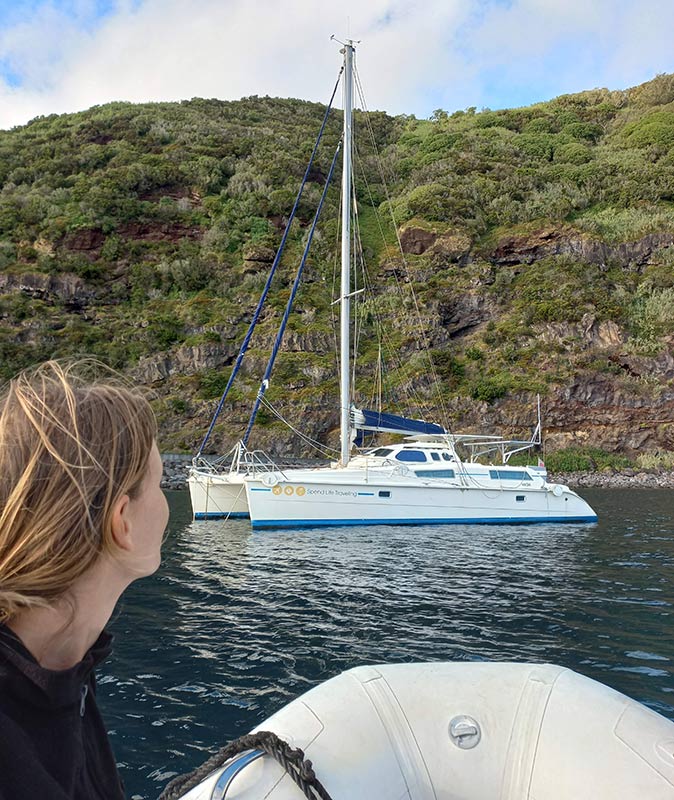
Fun fact: At one point, I got so tired of living out of a suitcase and constantly moving from one rental to the next, that I decided to try something completely different: traveling by sailboat. So I bought a sailboat, made it my home, and sailed it across the Atlantic to the Caribbean. That adventure is a whole story on its own, but boat life, and vanlife too, are definitely interesting ways to travel as a digital nomad.
5. Financial Uncertainty

Money is another challenge for many (new) digital nomads, especially the ones who freelance or run their own business.
Incomes can fluctuate, and costs vary wildly depending on where you are. I’ve had trips where my expenses were double what I expected, and it taught me to always leave room in my budget.
What helps is having an emergency fund, using expense-tracking tools, and choosing destinations where the cost of living matches your current financial situation.
Numbeo.com is quite a good website to check the cost of living in different places. It’s definitely not 100% accurate, but it at least gives you a rough idea.
And lastly, travel friendly bank accounts and credit cards (I use Wise, but Revolut is also a popular option) save you a lot on fees.
6. Visas and Bureaucracy

If you’re moving around constantly, visas are always on your mind.
The Schengen Zone in Europe, for example, only allows 90 days in every 180, which really complicates long-term stays for non-EU citizens.
More and more countries offer digital nomad visas, which are worth looking into. However, a lot of them require you to spend a significant amount of time in that country, which kinda goes against the freedom aspect of being a digital nomad.
For me, visa runs and having to leave a country because my tourist visa is about to expire have become part of the lifestyle.
But it’s definitely one of the more annoying parts of being a digital nomad! I’ve left countries I would have loved to stay in simply because there was no way to extend or renew my visa.
And then there’s taxes. It’s too complicated to get into in great detail here, but just make sure you know where you have to pay taxes. If you stay outside of your home country for too long, or spend too much time in one specific country, this might affect where you should pay taxes.
Lastly, make sure you have health insurance that actually covers you! Standard travel and health insurance often only covers shorter stays abroad (definitely nothing beyond 6 months), so make sure you have suitable insurance if you plan to spend extended periods of time abroad.
SafetyWing and World Nomads are two insurance providers that specifically focus on digital nomads. Which insurance works best for you will depend on your personal situation and travel plans.
Final Thoughts
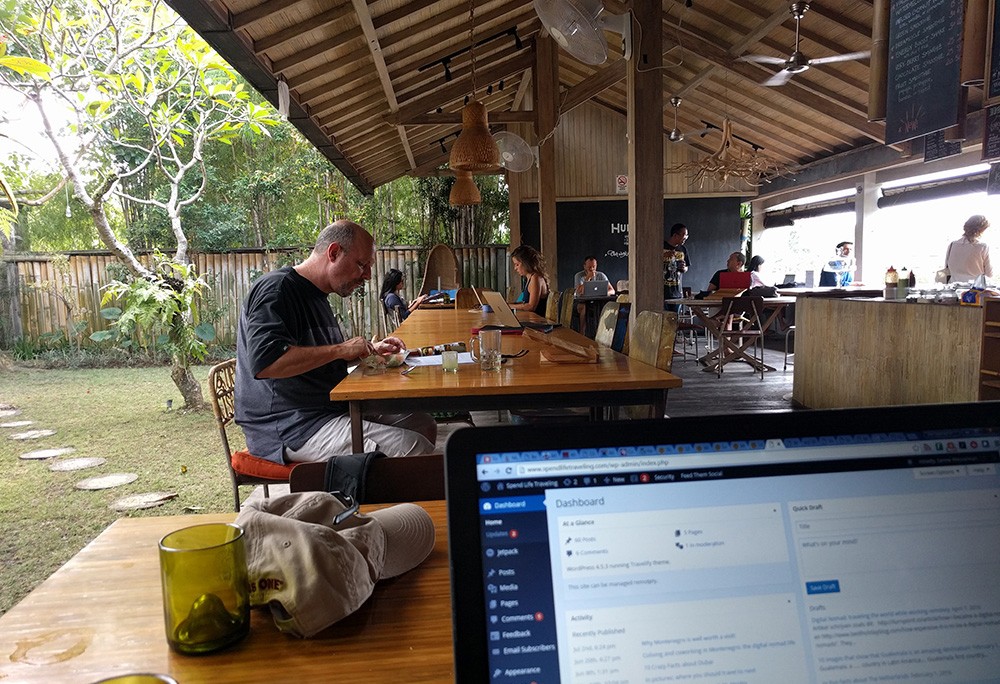
I love the digital nomad lifestyle, but it’s not without its challenges. Loneliness, instability, and uncertainty are all part of the deal.
But with the right mindset and a bit of planning, it can also be sustainable long-term.
For me, after 15+ years of being a digital nomad, the key has been slowing down, building community wherever I go, and having a base to return to when I need it. That balance keeps me from burning out and allows me to really appreciate the freedom this lifestyle gives.
If you’re just starting out, know that the challenges are real, but they shouldn’t stop you. With a bit of preparation (and the willingness to adapt), digital nomad life can be not just feasible, but deeply rewarding.
Also Read:
- What It Really Feels Like to Move Country All the Time
- How to Stay Productive While Working Remotely
- A Digital Nomad’s Guide to Bali, Indonesia
- Playa Del Carmen, Mexico, for Digital Nomads
- A Digital Nomad’s Guide to Medellin, Colombia
- Mostar, Bosnia, for Digital Nomads
- Portugal for Digital Nomads – What You Need to Know
- The Most Popular Jobs and Careers For Digital Nomads
Hi Sanne, thank you for such a comprehensive and honest look at the challenges of this lifestyle. It’s refreshing to see someone address the mental load and logistical hurdles that often get glossed over on social media.
Your point about financial planning and health insurance being crucial really resonated with me. It made me wonder about a specific scenario I’ve been researching: how do digital nomads with chronic health conditions, like diabetes or a thyroid disorder, practically manage their ongoing care and prescription medications while constantly moving between countries?
Based on your 15 years of experience, have you or any nomads you’ve met developed effective strategies for this? Especially in regions where pharmacy regulations or access to specialists might be very different from back home. Any advice would be immensely helpful to many readers who might be in a similar situation. Thanks again for your insights!
Hi Jonna, thank you so much for your kind words, I really appreciate that! And that’s a good question.
While I personally don’t have a chronic health condition, I’ve met a few nomads who do, and it’s definitely something that requires extra planning. What seems to work best for most is finding a balance between flexibility and structure. Many have a “home base” (even if it’s just for a few months a year) where they do full medical check-ups, stock up on prescriptions, and handle anything that’s harder to manage abroad.
For ongoing medication, it really depends on the country. Some places make it surprisingly easy. For example, in parts of Southeast Asia or Latin America, you can often get common medications over the counter or with a quick visit to a local doctor. In other regions, like parts of Europe, it’s more regulated, so people either bring enough supply from home (with a doctor’s letter if needed) or use international telemedicine services that can send prescriptions to local pharmacies.
Another thing that’s become more common is travel-friendly health insurance that includes teleconsultations and coverage for ongoing conditions. SafetyWing, which I mentioned in the article as well, is a good option.
So I’d say it’s definitely doable, but it just takes a bit more planning and research depending on your destination.