

Spain is rapidly becoming a top destination for digital nomads and remote workers. With its sunny climate, rich cultural heritage, and generally lower cost of living, it’s no surprise that coliving and coworking spaces are popping up across the country.
I’ve been a digital nomad myself for more than 15 years and have spent a lot of time in different parts of Spain.
Currently I’m based in Valencia and I’d love to share my opinion of what makes Spain so attractive for remote workers and delve into the pros and cons of coliving spaces in Spain.
Why Spain is Ideal for Digital Nomads
I’ve posted a more detailed article about what makes Spain a good destination for digital nomads, but I want to highlight a few of the main points here:
1. Pleasant Climate

Spain’s climate is as diverse as its landscapes, making it an appealing destination for digital nomads with different preferences.
Along the Mediterranean coast, you’ll find mild winters and warm, sunny summers, perfect for beach lovers.
The north of Spain offers a cooler, greener environment, with lush forests and rolling hills that are great for anyone who loves the outdoors.
Prefer crisp mountain air? Head to the Pyrenees or Sierra Nevada for a refreshing change of pace.
And if you’re after a year-round warm destination, go to the Canary Islands.
2. Affordable Cost of Living
I just signed a new rental contract in Valencia which is nearly 70% higher than what I paid for a similar place 5 years ago. So is Spain really that affordable?
Well, compared to other Western European countries, Spain definitely offers a lower cost of living.
In certain parts of Spain, which includes all major cities and many popular coastal towns, housing prices have gone up significantly. But, there are still many cheap places to live in Spain as well and it’s the costs of other things that make life in Spain still very affordable.
Eating out for example is very inexpensive. Groceries are very affordable, public transport is cheap, and there are tons of free or inexpensive events you can join all over Spain.
Also Read: Things Nobody Tells You About Life in Spain
3. Rich Culture and History

Spain is a country with a deep cultural heritage and the Spanish tend to be very proud of their country and culture.
Whether you’re exploring the architectural wonders of Barcelona, the historic streets of Madrid, or the vibrant flamenco scene in Seville, there’s always something new and exciting to discover.
4. Thriving Expat & Digital Nomad Community
Spain has a large and welcoming expat community, and a growing digital nomad community, especially in cities like Madrid, Barcelona, and Valencia.
This makes it easier for digital nomads to connect with like-minded individuals and build a support network.
Events organized specifically for digital nomads can be found in more and more parts of Spain. Additionally, I regularly see people who work remotely post in Facebook groups to meet up in local cafes or coworking spaces.
In this article I share a list of popular digital nomad destinations in Spain.
5. Good Quality Infrastructure
Well, this depends a bit on where in Spain you are.
In bigger cities, the infrastructure is generally great, which includes high-speed internet, reliable public transportation, and modern healthcare facilities.
In more rural parts of Spain things can be quite different. Public transportation can be very limited, depending on where you go, and internet can be slow, although this has improved a lot in recent years.
The Pros and Cons of Coliving Spaces in Spain
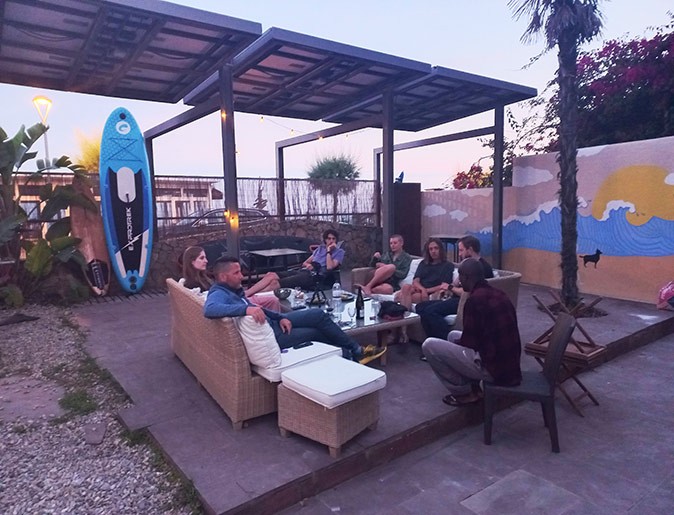
Coliving spaces are essentially just cohousing options focusing on digital nomads and remote workers.
I’ve seen old hotels or hostels being converted into coliving spaces, but it could also be a house or large apartment that has been converted to suit the needs of remote workers.
Two things all good coliving spaces have are good wifi and a communal space to work from. Apart from that, coliving spaces vary hugely.
You’ll find coliving spaces offering shared rooms with bunk beds, but also coliving spaces that offer spacious private rooms with ensuite bathrooms.
Some coliving spaces focus a lot on building a community by offering events, shared dinners, weekend activities, skill-sharing sessions, etc. Other coliving spaces organize less and therefore cater more to digital nomads who are happy to organize their own activities and social life.
So what I’m trying to say here is that you should check what any coliving space you are interested in offers. Do the accommodation and workspace suit you? Does the level of community feeling fit your needs?
Now, let’s talk about some of the main pros and cons of coliving spaces. I’ve stayed at quite a few over the years and yes, sharing a living space with like-minded people can be great, but it comes with certain downsides to consider as well!
Pros:
1. Community and Networking
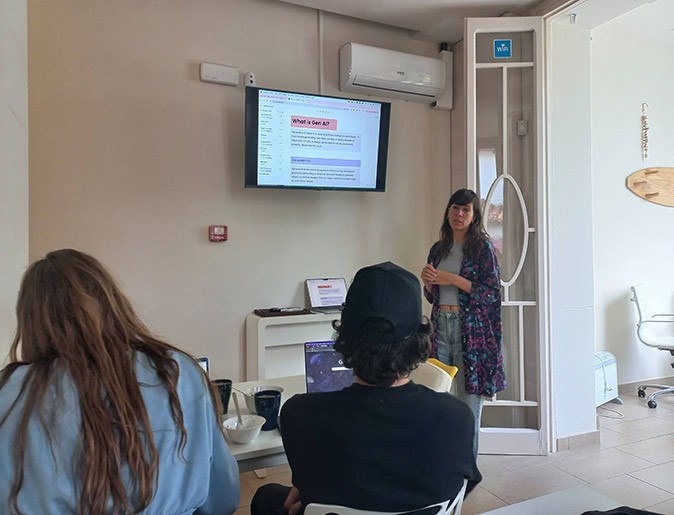
Coliving spaces are designed to foster a sense of community. They provide an excellent opportunity to meet other digital nomads, entrepreneurs, and remote workers.
Networking events, workshops, and social activities are often part of the package, making it easier to build professional and personal connections.
2. Convenience
Coliving spaces offer fully furnished accommodations with utilities, internet, and cleaning services included.
This convenience means that you can focus on your work and enjoy your free time without worrying about the hassles of setting up a home.
3. Flexibility
Most coliving spaces allow you to stay both long term and short term. Often you can book a stay for as little as one week, or book for many months. I recently met a girl here in Valencia who’d been living in the same coliving space for well over a year!
This flexibility suits most digital nomads well: no long-term commitments, yet the option to stay longer if it feels right.
4. Work-Friendly Environments
Most coliving spaces in Spain come with integrated coworking areas, providing a comfortable and productive work environment.
The quality of the coworking areas does vary widely, as do the facilities that are offered, so do check this before you book.
5. Enriching Experiences
Living in a coliving space often means participating in community events, cultural activities, and local excursions. These experiences can really add to your stay and provide a deeper understanding of Spanish culture.
Cons:
1. Lack of Privacy

While coliving spaces offer a strong sense of community, they may not be ideal for those who value privacy.
Even if you book a coliving space with a private room and private bathroom, you’ll almost always share a kitchen, living area, and coworking space.
Shared living areas and frequent social activities can sometimes feel intrusive, especially if you value your alone time.
2. Cost
Coliving spaces can be cost-effective, especially in expensive cities. However, most of the time a room in a coliving space costs more than renting a room locally or sharing a rental property with friends.
Compare the costs and benefits before deciding.
3. Potential for Distractions
The social aspect of coliving spaces can sometimes be a double-edged sword. While it’s great for networking, it can also lead to distractions if you’re not disciplined about setting boundaries for work time.
4. Variable Quality
The quality of coliving spaces can vary a lot.
Take the time to do your research and read reviews to make sure the space meets your standards and needs.
Popular Coliving Spaces in Spain
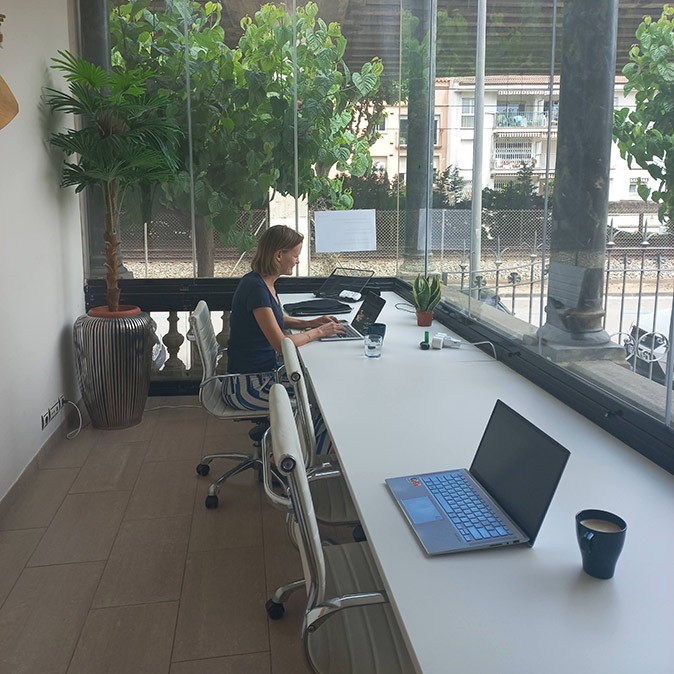
Coliving spaces are popular at the moment and that means new ones seem to be starting all over the country.
Most recently I stayed at a coliving space on the Costa Brava, just north of Barcelona.
It was great to spend some time with other remote workers, and I think that is the real value of coliving spaces: meeting like-minded people, sharing stories about working remotely all over the world, learning from each other, and making potentially life-long friends or new business connections.
These are some of the most popular coliving spaces in Spain:
- Nomadico Tarifa (Tarifa, Andalusia)
Set in Europe’s kitesurfing capital at the southern tip of Spain, this coliving space blends beach-town vibes with a welcoming nomad community. Just a short walk from Tarifa’s beaches and inside the lively old town, it offers reliable workspaces, cozy private rooms, and plenty of opportunities to connect with other digital nomads.
Also Read: What is Tarifa Like as a Digital Nomad Destination? - Nine Coliving (Tenerife, Canary Islands)
Located in La Orotava, this coliving space is set in a traditional Canarian house. It’s known for its tranquil atmosphere, scenic surroundings near Mount Teide, and excellent facilities for remote work. Perfect for digital nomads who value peace and connection. - Urban Campus (Madrid)
This modern coliving space is situated in central Madrid. It provides a dynamic atmosphere, good amenities, and a vibrant community of like-minded professionals. They also have a location in Valencia. - Sende (Senderiz, Galicia)
A rural coliving space in a tiny village on the Galician-Portuguese border, Sende is perfect for those looking to escape city life. Its picturesque setting in the Gerês-Xurés Biosphere Reserve makes it popular among creatives and nature enthusiasts. - Anceu Coliving (Pontevedra, Galicia)
Located in a charming rural village, Anceu encourages a mindful balance between work and relaxation, and a connection with the local community. It’s surrounded by natural beauty. - Palma Coliving (Mallorca, Barcelona & Valencia)
Palma Coliving started in Mallorca but now has coliving spaces in Barcelona and Valencia as well. They offer a luxurious coliving experience with a strong focus on community building and a wide range of regular events, some of which digital nomads who aren’t staying at the coliving space can join as well. - Rooral (Benarrabá, Malaga)
Rooral wants to introduce digital nomads to rural life in Spain. The focus is on fostering connections with locals while working in a charming village called Benarrabá in southern Spain.
But again, new coliving spaces open their doors regularly, so do some further research to decide which coliving space suits you best. Coliving.com offers a good overview of coliving spaces.
Tips for Choosing the Right Coliving Space
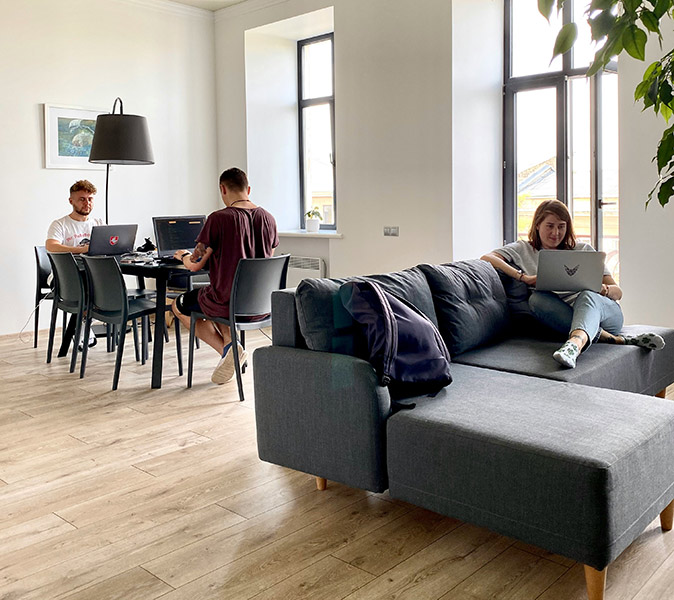
Choosing a coliving space in Spain is about finding the right balance between your personal preferences and practical needs.
These are my recommendations to help you choose the coliving space that best suits you:
1. Write Down Your Needs
Are you looking for a quiet, focused environment to get work done, or do you thrive in a buzzing community full of social events?
Some coliving spaces are more about productivity, others are more about spending time together and exploring the part of Spain you are in.
Are you happy to share a room or do you want a private room? Can you work from a shared coworking area or do you need a private space for meetings and calls?
Is it important to you to live in a coliving space with people of a similar age or with similar interests? There are coliving spaces that focus on specific interests such as surfing, daily yoga classes, foodie experiences, and many more.
Think about what will help you stay productive and happy.
2. Check What’s Included
Fast and reliable internet is a must, but what else does the coliving space offer?
Proper desks, comfortable chairs, and what about the extras such as a gym, yoga classes, shared meals, and which activities will be organized while you are there?
Always ask for details of what the coliving space offers, to avoid surprises.
3. Read Reviews and Ask Questions
Don’t just rely on the polished website photos. Look for reviews from other digital nomads and, if possible, reach out to someone who’s stayed there. It’s the best way to get an honest sense of the vibe, cleanliness, and overall experience.
Also Read: My Review of a Coliving Retreat on the Costa Brava
4. Think About Location
Do you want to be near the beach, in a lively city, or somewhere rural? Location impacts your daily life, so decide what type of location suits you best.
And, look closely at the exact location. I know a coliving space in Valencia that says it’s in the city. It technically is, but it’s in such a remote part with limited public transport that accessing the city center and any local events or activities takes a lot of time.
Another coliving space I know is set right by a beautiful beach in a small Spanish town. What they don’t mention is that they are also right next to a very busy railroad making the rooms facing the railroad extremely noisy.
Also try to find out how close you are to services that are essential to you such as a supermarket, a gym, restaurants, etc. And, in case the coliving space uses an external coworking space (not common, but it does happen) then do check how long it would take you to get to the coworking space.
5. Consider Flexibility
If you’re unsure about a coliving space, book a shorter stay first to test it out. Most coliving spaces in Spain offer flexible terms, which is perfect for those of us who like to keep our options open.
Of course, with coliving spaces becoming more popular, you do risk not being able to extend your stay last minute. So that’s a choice you’ll have to make.
6. Know Your Deal-Breakers
Shared bathrooms? Tiny desks and uncomfortable chairs? A noisy environment? These are common in some coliving spaces, so be honest with yourself about what you can and cannot live with.
Choosing the right space can make or break your remote working experience. Take the time to research, ask questions, and trust your instincts.
Final Thoughts
Spain’s growing number of coliving spaces shows there is an increasing demand.
And while a coliving space is essentially just shared housing with an added workspace, good coliving spaces are much more than that. It’s the community and the sense of belonging they offer that make them attractive to digital nomads and remote workers.
I think coliving spaces can be a great way to experience a new destination. The convenience, the networking opportunities, and the organized events and activities make settling into a new place a lot easier.
I’ve met many great people while staying at coliving spaces and will hopefully meet many more in the future!
More to Read About Spain:
- Working Remotely in Spain: Why Spain is Great for Digital Nomads
- Things to Know Before Going to Spain
- Famous Spanish Food to Try in Spain
- All the Info You Need for a Perfect Stay in Valencia
More to Read About Digital Nomad Life & Coliving:
- My Review of a Coworking Retreat in Sinaia, Romania
- Staying at a Coliving Space in Montenegro
- How to Work Remotely From Anywhere in the World
- Staying Productive While Working Remotely
- 7 Emotional Challenges of Digital Nomad Life & Practical Solutions
- A Digital Nomad’s Guide to Bali, Indonesia
- A Digital Nomad’s Guide to Medellin, Colombia
- Working Remotely From Italy
The article contains affiliate links. I may receive a commission for purchases made through these links, at no additional cost to you.