

Digital nomad retreats have been popping up everywhere lately. But what makes Tursi Digital Nomads stand out is their focus on small towns in Greece and Italy.
Instead of big cities or popular coworking hubs, they bring groups of nomads to lesser-known villages and coastal towns, with the idea of supporting local communities while offering participants an authentic cultural experience.
I recently joined one of their projects in a tiny Greek town called Raftis, in the Peloponnese region, and I’d love to share my experiences to help you decide if the digital nomad projects they offer could be a good fit for you.
What Is Tursi Digital Nomads?
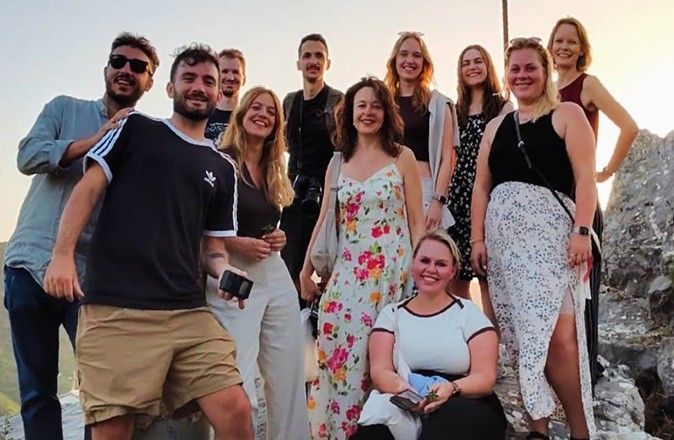
Tursi Digital Nomads is a project started by a Greek-Italian couple who wanted to create unique nomad stays rooted in local culture.
Instead of coworking in a trendy city, you’ll spend a few weeks in a small, often remote community, living alongside other nomads and connecting with locals.
They usually organize 2–4 week retreats that include accommodation, a shared workspace (or at least reliable Wi-Fi in a communal area), and a program of activities that helps you explore the area.
The vibe is less about hustle culture and more about slowing down, enjoying nature, and immersing yourself in local traditions.
How Their Coliving Projects Work
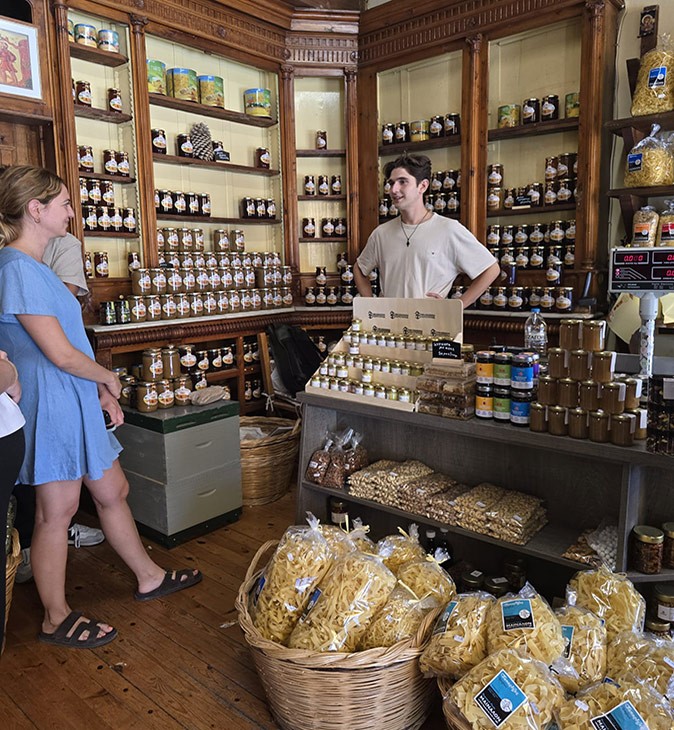
Each of their coliving retreats has its own flavor, depending on the town chosen. Here’s the general setup:
- Stay: Accommodation in shared apartments, private apartments, or small hotels within the town.
- Work: Internet is provided, though speeds may vary depending on the remoteness of the location (something to be mindful of).
- Community: You’ll live and work alongside a small group of digital nomads.
- Activities: Expect group meals, day trips, cultural workshops, and plenty of time to explore together.
- Local Focus: They make an effort to introduce participants to locals, support small businesses, and show local traditions.
It’s less structured than some retreats I’ve joined. Rather than sticking to a strict schedule, the group decides things more organically as they go. Depending on your personality, you’ll either love the relaxed approach or find it a little chaotic.
My Experience Working Remotely From Raftis, Greece
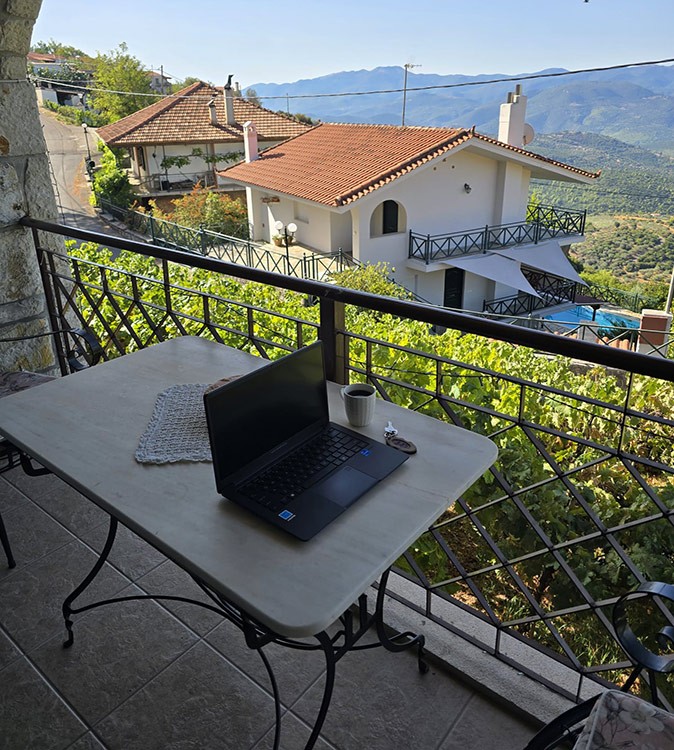
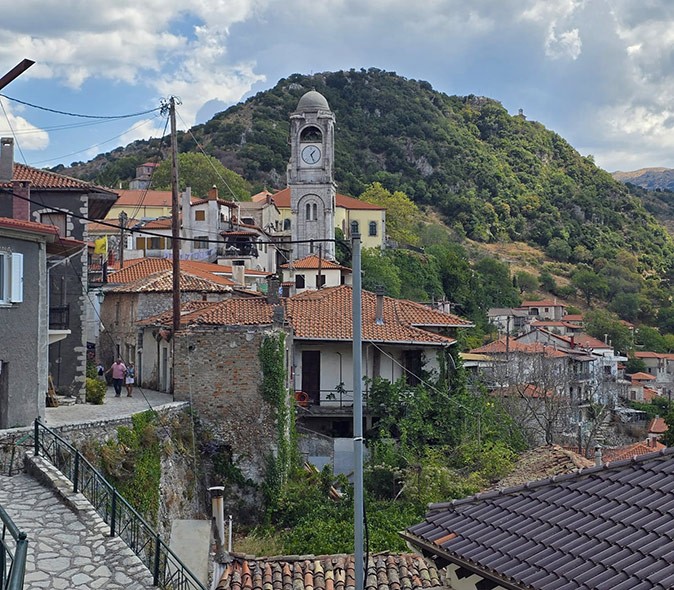
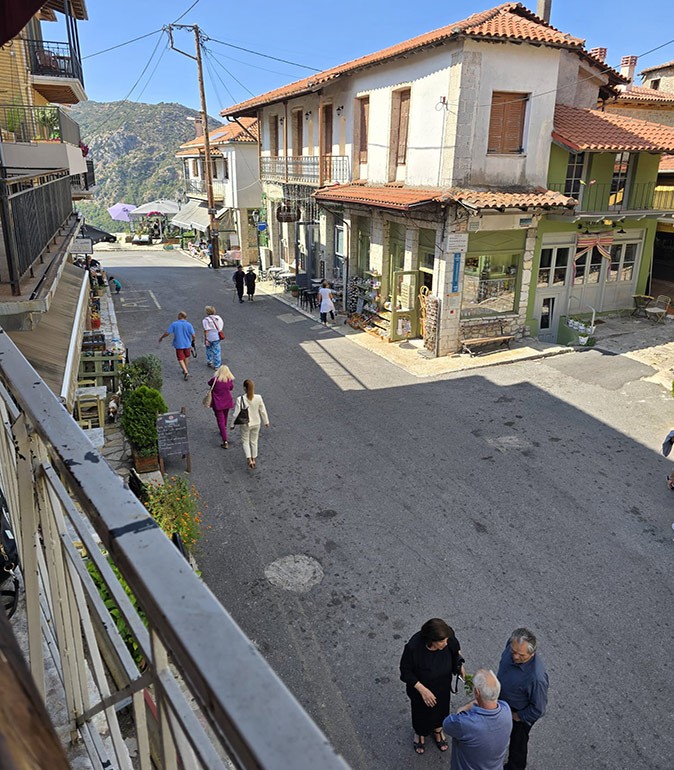
Raftis was… tiny. And when I say tiny, I mean: three restaurants that were occasionally open, the nearest supermarket a four-hour walk away, and no public transport.
So daily life was all about our group, the hotel, and the activities Tursi organized. And yes, I did miss having some cafés or shops nearby, but in the end, that quiet simplicity was also what made the experience unique.
Our group was made up of ten digital nomads from seven different countries, and honestly, the community aspect was the highlight for me. During the day, everyone worked independently (either in their rooms, in the indoor lounge, or outside by the pool), but we’d come together for meals, evening drinks, or activities.
Those connections and conversations, about travel stories, the ups and downs of working remotely, and life in different countries, are what make these retreats so valuable to me.
Also Read: 7 Emotional Challenges of Digital Nomad Life & Practical Solutions
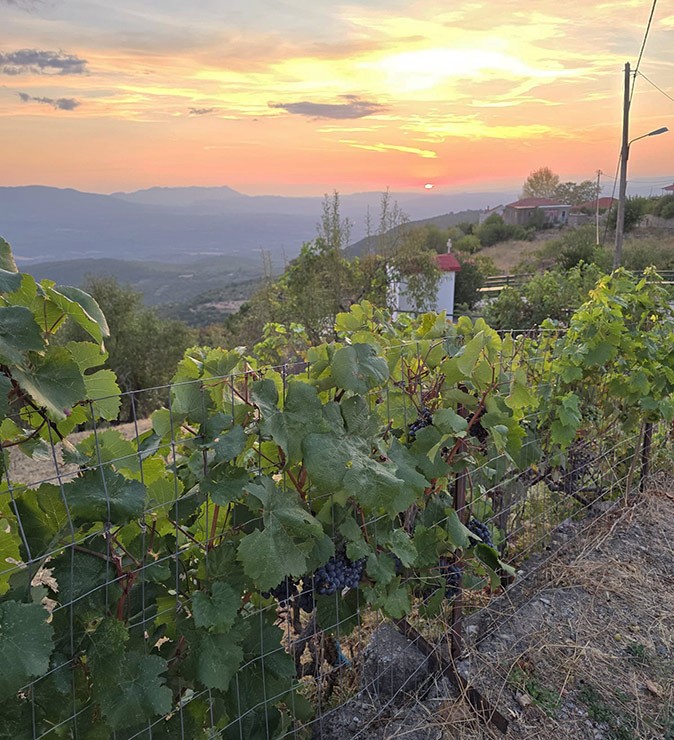
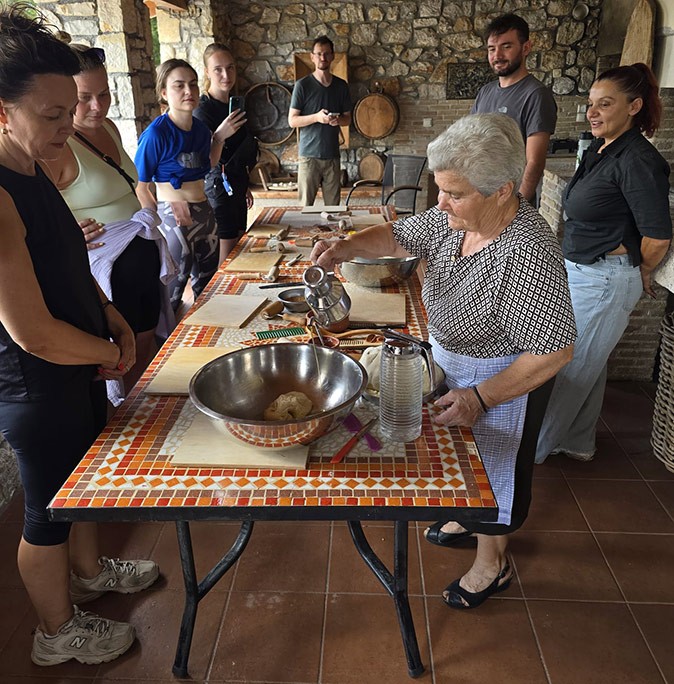
Tursi’s activities added a lot to the experience, too. We cooked together during a local cooking class, went rafting (a personal favorite of mine), tasted wine at a family-run winery, and spent weekends exploring nearby towns.
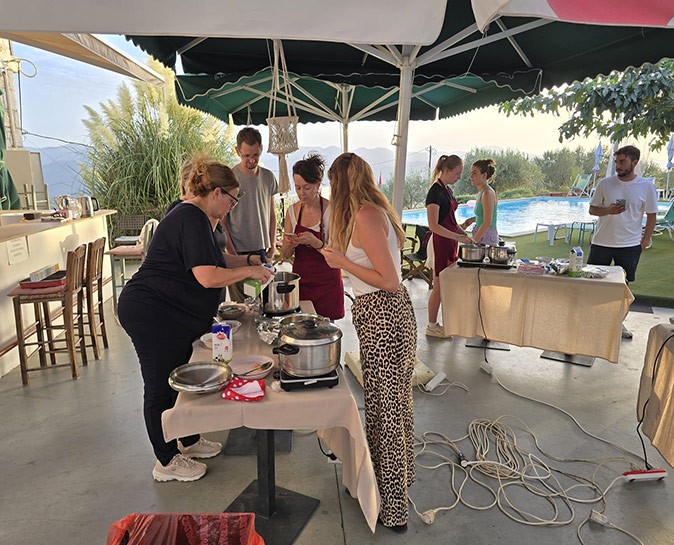
Everything was organized in a very relaxed way (sometimes a bit too relaxed for my Northern European mindset!), but that “go with the flow” style is very much part of the Tursi experience.
Overall, what stood out most was the combination of remote living, community, and authentic local connections. It felt less like a structured retreat and more like a group of friends working together in a beautiful, off-the-beaten-path part of Greece.
If you’re looking for business-focused workshops or coworking infrastructure, this probably isn’t for you. But if you’re craving a slower pace, time in nature, and the chance to connect with both locals and fellow nomads, Tursi delivers that beautifully.
Coliving Locations in Greece & Italy
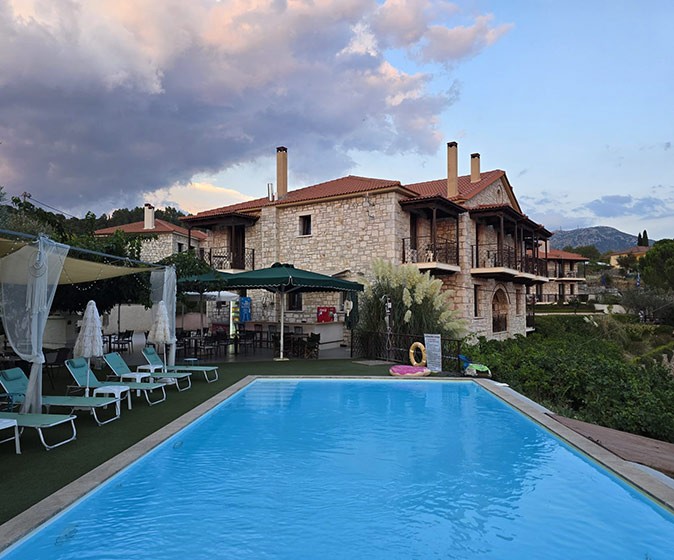
Tursi Digital Nomads runs coliving projects in both Greece and Italy, at different times of the year. Past retreats have been in coastal villages and mountain towns, taking advantage of lower rates and a more local vibe by planning around high seasons.
Each place has its own charm, but the common theme is off-the-beaten-path living.
That means you probably won’t find yourself in Athens or Florence with Tursi. Instead, think Greek towns most foreigners have never heard of, and rural Italian villages.
You can find an overview of their upcoming and past coliving retreats on their website.
Who This Type of Coliving Is For
Tursi Digital Nomads is a good fit if you:
- Want to escape big cities and coworking hubs.
- Like the idea of living more slowly, close to nature.
- Enjoy cultural immersion and meeting locals.
- Don’t mind going with the flow.
It might not be for you if:
- You need fast, reliable Wi-Fi at all times.
- You prefer having lots of restaurants, nightlife, or shops nearby.
- You like structured, business-focused retreats with regular workshops or skill-sharing.
Practical Things to Know
Stays with Tursi Digital Nomads usually last between 2 and 4 weeks, though sometimes they run longer projects. It’s enough time to settle into the community without feeling rushed.
Accommodation: You’ll always have your own private room, often with a private bathroom, unless you choose to share with a partner or friend. Tursi typically works with shared apartments, but in my case, we stayed in a boutique-style hotel, which honestly made it feel like our own little retreat.
Costs: Current prices start at around €800 for 3 weeks. That generally covers your accommodation, access to communal workspaces, and some group activities. Meals are usually not included, though Tursi does organize things like a cooking class, shared dinners, or a farewell BBQ, where you’ll just split the cost of the food.
Compared to other coliving retreats, Tursi falls in the middle range. For example, Playworking in Kotor, Montenegro, charges between €800–€1350 per month (depending on the season), so pricing is somewhat similar, but it’s a very different setup without the same organized activities or structured experience.
I’ve also reviewed The Better Neighbors, which is a cheaper option while still offering a great sense of community and organized activities.
If you’re curious how Tursi compares more broadly, you can check platforms like Coliving.com, which lists a wide variety of coliving spaces across Europe. Most of the colivings they feature in Italy and Greece are above €900 per month (some quite a bit higher), and those are often more DIY-style, without the same retreat-style setup and curated activities Tursi offers.
So while Tursi isn’t the cheapest option, the value comes from the balance they strike: comfortable private accommodation, local immersion, and a ready-made digital nomad community.
Internet: Wi-Fi has been decent but not flawless. Keep in mind that some Tursi locations are in small towns. In Raftis, for example, it was good enough for regular work, with the occasional hiccup.
Transport: Many of the towns Tursi chooses are off the usual tourist trail, which means limited public transport. You’ll often rely on the group to organize trips together, or you might want to rent a car for more independence.
Pros & Cons of Tursi Digital Nomads
Pros:
- Authentic cultural experiences.
- Great chance to meet locals.
- Beautiful, lesser-known locations.
- Community-focused atmosphere.
- Meet remote workers and digital nomads from all over the world.
Cons:
- It can feel very remote (few shops, limited transport).
- Wi-Fi may not always meet digital nomad standards.
- The laid-back style can feel unorganized if you prefer structure.
Final Thoughts
Joining Tursi Digital Nomads is less about maximizing business productivity and more about changing your environment, connecting with locals, and embracing a slower pace of life.
If you’re craving authenticity, community, and a break from the typical big-city nomad lifestyle, it’s definitely worth considering.
Life in smaller towns can be a bit simpler than what you might be used to, but honestly, that’s part of what makes it refreshing. It shifts the focus back onto people, experiences, and a deeper sense of place.
Personally, their project in Matera really appeals to me, not only because Matera looks absolutely stunning, but also because it’s a town with more facilities while still offering that Tursi-style community experience.
If you’re looking for something different, meaningful, and community-driven in Greece or Italy, Tursi is definitely worth checking out.
You can find more info on their upcoming projects here: Tursi Digital Nomads.
Also Read:
- Hidden Gems in Greece You Should Visit
- How to Stay Productive While Working Remotely
- Review of a Coliving Trip to Sweden with Feel.Travel
- Working Remotely From Italy – My Review & Tips
- Coliving in Spain: the Pros, Cons & More
- Portugal for Digital Nomads: Everything You Need to Know
- The Best Jobs for Digital Nomads (And How to Get Them)
- A Digital Nomad’s Guide to Bali, Indonesia
- Playa del Carmen for Digital Nomads: A Practical Guide
- Medellin, Colombia, for Digital Nomads
- Mostar, Bosnia and Herzegovina: A New Digital Nomad Hub?
Disclaimer: My remote working trip to Greece was sponsored by Tursi Digital Nomads. However, as always, all opinions are my own and I would not endorse anything I did not enjoy! This blog contains affiliate links. I may receive a commission for purchases made through these links, at no additional cost to you.