
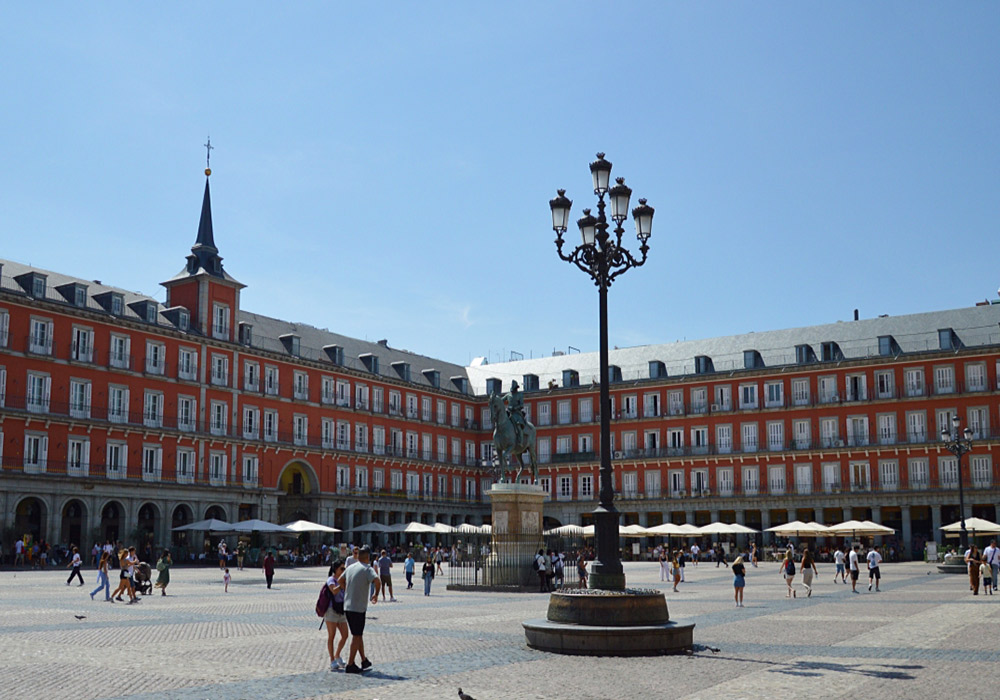
Madrid is a perfect choice for living abroad if you are looking for cosmopolitan big city vibes mixed with traditional Spanish culture. And for that reason, the Spanish capital city is a popular place to live for internationals.
So, if you are thinking about moving to Madrid, you are not alone!
In Madrid, you can find world-class museums and theaters, beautiful parks, broad avenues, alongside narrow cobblestoned streets, tucked with local tapas bars and small shops.
The duality of Madrid is one of the things I love the most about the city. I had visited Madrid several times before moving here from Barcelona.
Oh, sorry, I never introduced myself!
My name is Rebecca Hoffmann. I’m originally from Denmark, but I have lived abroad for more than 10 years. I started in Granada (Spain), then moved to Malmö (Sweden), followed by seven years in Buenos Aires (Argentina), and most recently I lived in Barcelona, before moving to Madrid – yes, clearly I have a thing for Spain!
Now my Argentine husband and I (and our dog, Baloo) live in a small town, just outside Madrid.
We chose to live outside Madrid, where we could get a bigger townhouse with enough space for our two home offices, and a little garden for our dog.
Our town is directly connected to the city center of Madrid with public transportation, making it easy to explore Madrid on weekends and after hours.
In this article, I want to share some useful information about moving to Madrid, and why I, after 10 years abroad, chose the Madrid area as my home base.
Moving to Madrid – Things You Should Know
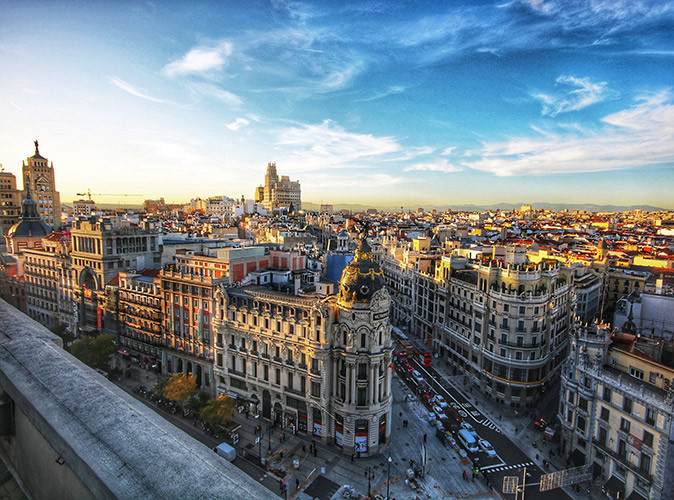
There are many things to consider when moving to Madrid, especially if it is your first move abroad.
I’m going to share my personal views on things you should know about moving to Madrid.
1. Why Move to Madrid?
There are plenty of good reasons why you should consider moving to Madrid, but let me try to narrow it down:
Madrid is the capital city and the largest city in Spain, with endless opportunities. From museums and art installations to theaters and restaurants with cuisine from around the world, Madrid has it all!
Madrid is also a great place to learn or improve your Spanish!
While some regions of Spain have their own languages, such as the Basque language in the Basque Country and Catalan in Catalonia, the primary language in Madrid is Spanish. This makes learning and improving your Spanish a lot easier in Madrid.
Madrid is a big city that feels like many smaller cities patchworked together in one. Each area has its own distinct vibe, which means you’ll almost certainly find a neighborhood that fits your lifestyle, interests, and day-to-day rhythm.
Also Read: What Daily Life in Madrid is Like – Interview With an Expat
2. Spanish Language
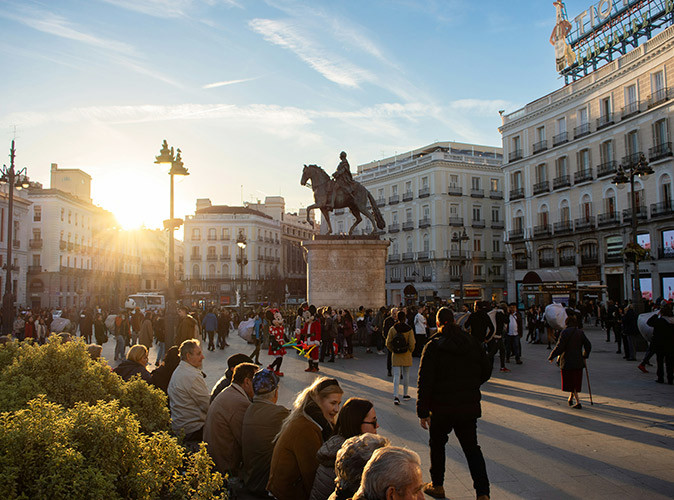
You can absolutely survive in Madrid without fluent Spanish, especially in international companies, co-working spaces, and central neighborhoods where English is common. That being said, your experience will be very different depending on your level of Spanish.
Day-to-day life (opening a bank account, signing a rental contract, dealing with utilities, visiting a doctor, or handling paperwork at public offices) is almost always conducted in Spanish. Government websites, appointment systems, and official forms are typically not available in English.
Especially for the residency process (more about that later), it can be very challenging to deal with Spanish bureaucracy if you don’t have a more or less decent level of Spanish.
However, if you don’t feel comfortable enough to deal with this situation on your own, there are plenty of immigration lawyers and legal advisors, called gestores, who can help you out with the residency process.
3. The Weather in Madrid
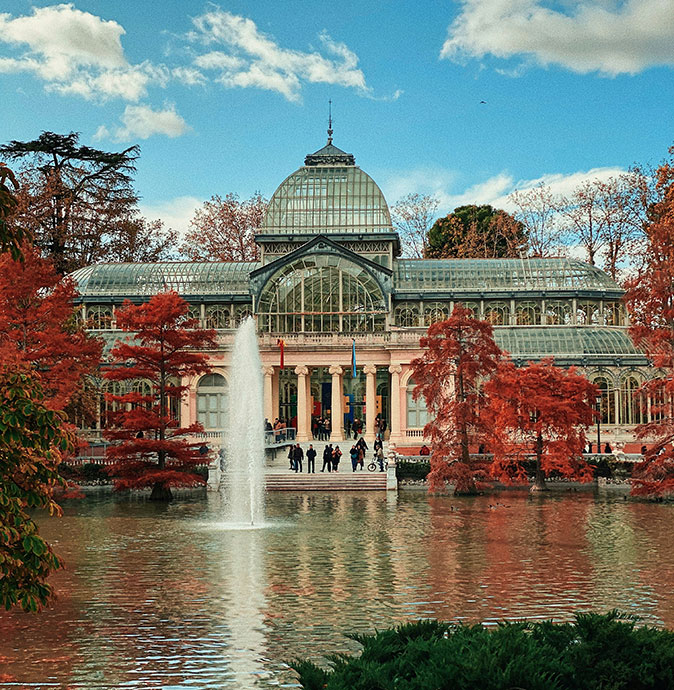
The weather in Madrid is a dry inland climate with really hot summers and chilly winters.
The winters in Madrid are a lot colder than the winters in Barcelona or in Southern Spain, with average lows around 2–4°C (36–39°F) in January and temperatures regularly dropping below freezing.
Summers in Madrid easily get up to around 40°C (104°F), so having a swimming pool in your apartment block or a nearby public pool is an absolute win.
As I lived in Barcelona and Buenos Aires before, where the summers are hot and humid, moving to Madrid and its dry, hot summers was actually a pleasant change!
Personally, I deal much better with the dry heat in the summer than the sticky, humid heat of the coast. And for me, the humidity was one of the big downsides of living in Barcelona.
But, of course, it depends on what you prefer!
The downside of summer in Madrid is clearly that any beach is far away. Most locals flee to the beaches in Valencia, Catalonia, and Northern Spain for the summer.
4. The Cost of Living in Madrid
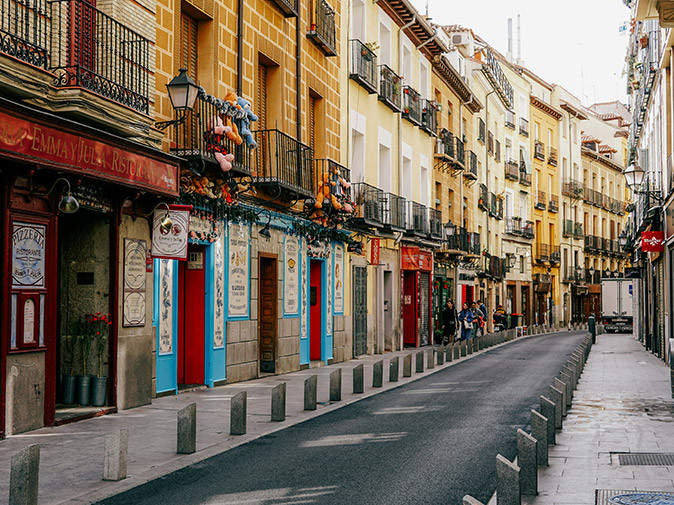
Madrid isn’t exactly cheap compared to smaller Spanish cities. For most people, it’s the high rental prices that really drive up the cost of living here.
Personally, I found that the day-to-day costs like food, drinks, and transport aren’t too bad compared to other bigger cities in Spain. But it is true that the rental prices in Madrid tend to go up all the time.
Since I came from living in Barcelona, where both rent and eating out are expensive, moving to Madrid actually felt cheaper.
According to Numbeo’s Cost of Living index, my “feeling” that Madrid is cheaper than Barcelona isn’t completely off. Numbeo states that the cost of living in Madrid is 1% lower than in Barcelona, including rent.
But, the cost of living in Madrid depends on your lifestyle and how you decide to use your money. With a relatively moderate lifestyle, the monthly cost of living in Madrid for a single person typically falls somewhere in the range of €1,500 – €2,500 (or more).
If you want to live in Madrid on €1,500 you’ll most likely be sharing an apartment, whether that’s with a partner or with roommates. For those who are single, sharing an apartment with roommates is quite common, at a later age as well.
By a moderate lifestyle, I mean having a decent place to live (without it being a complete luxury), eating out a few times a month, and having a regular social life of meeting up with friends for drinks or coffee a couple of times a month.
If you live on a foreign income through a remote job, you can most likely allow yourself a bit more spending than if you live on an average Spanish salary.
Spanish salaries are infamously low by European standards, though Madrid generally offers somewhat higher wages than the rest of the country.
5. Apartment Hunting in Madrid
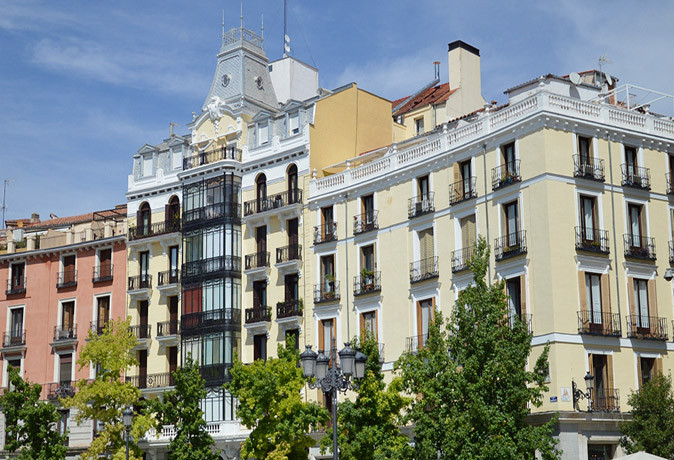
Finding a place to live in Madrid can be quite a challenging task since demand for housing is high, especially if you want something central, affordable, and move-in ready.
Madrid draws people from all over Spain and beyond; students, expats, digital nomads, and everyone in between
In popular neighborhoods of Madrid like Malasaña, Chamberí, Chueca, Salamanca, or La Latina, apartment listings go really fast, and prices can be pretty steep.
However, if you’re a little flexible about where to live, there are actually some great places to live close to Madrid that are more affordable.
The most popular websites for finding a place to stay in Madrid are Idealista and Fotocasa. Sometimes you can also be lucky with Facebook groups for long- or short-term rentals, but be aware of scammers and never pay the deposit without seeing the place first.
At the beginning of the school year in September, finding a place to live in Madrid can be especially tough, as a wave of international students arrives in the city all at once, all searching for somewhere to stay.
Finding an apartment is a key step in registering yourself as living in Madrid (the so-called empadronamiento process, I will come back to that later). So, I strongly recommend you prioritize this when first moving to Madrid.
6. The Best Neighborhoods to Live in Madrid (or Around Madrid)
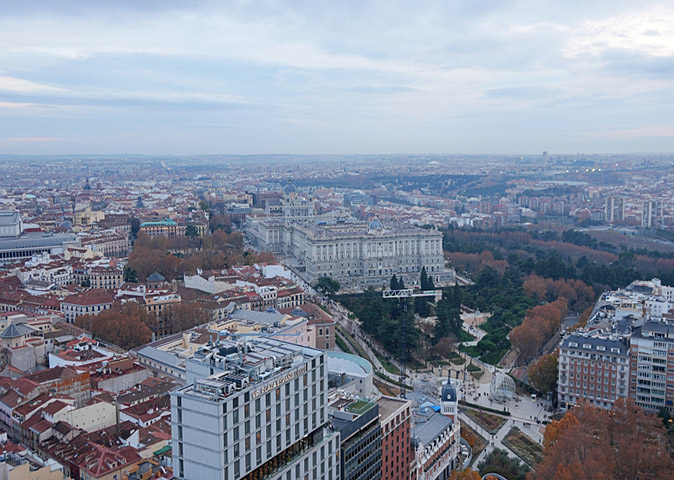
The city of Madrid consists of 21 different districts that are further divided into 131 barrios (or neighborhoods).
So, you can imagine that there are plenty of areas to choose from when you’re looking for a place to live in Madrid.
Each neighborhood in Madrid has its own feel or vibe. Finding the neighborhood that suits you best depends a lot on what you are looking for. Do you want quiet streets and green spaces or nightlife with busy bars?
Here are some of the most popular neighborhoods for long-term expats:
- Chamberí: A central neighborhood in Madrid with tree-lined streets, classic architecture, and everything within walking distance. Chamberi is best for people who want to be close to everything and aren’t too concerned about the price tag.
- Malasaña: Madrid’s hip and creative hub, which still has everything close by. Malasaña is popular among creatives, students, and young professionals.
- Chueca: One of the most welcoming and inclusive barrios in Madrid, known for its excellent nightlife with plenty of restaurants and bars. Chueca is best for you if you enjoy a busy neighborhood with plenty of things to do, around the clock.
- Retiro: The neighborhood surrounding the popular El Retiro Park has a calmer and more relaxed feeling than other neighborhoods in the city. Retiro is popular among families and expats wanting a slower pace while still being well-connected.
- Salamanca: Madrid’s high-end neighborhood, which is best if you prioritize style and fashion over budget. Salamanca is one of the nicest (and priciest) neighborhoods in Madrid.
Apart from Madrid’s many different neighborhoods, Madrid is also surrounded by a lot of suburbs connected to the center of Madrid by train or metro.
If you are looking for more space, quieter streets, and a more suburban vibe, consider checking out suburbs such as Pozuelo de Alarcón, Las Rozas, Majadahonda, or Boadilla del Monte.
I recommend renting an Airbnb or hotel for your first couple of weeks, giving yourself time to explore the different neighborhoods and find the one that suits you best.
7. Permits and Visas for Moving to Madrid
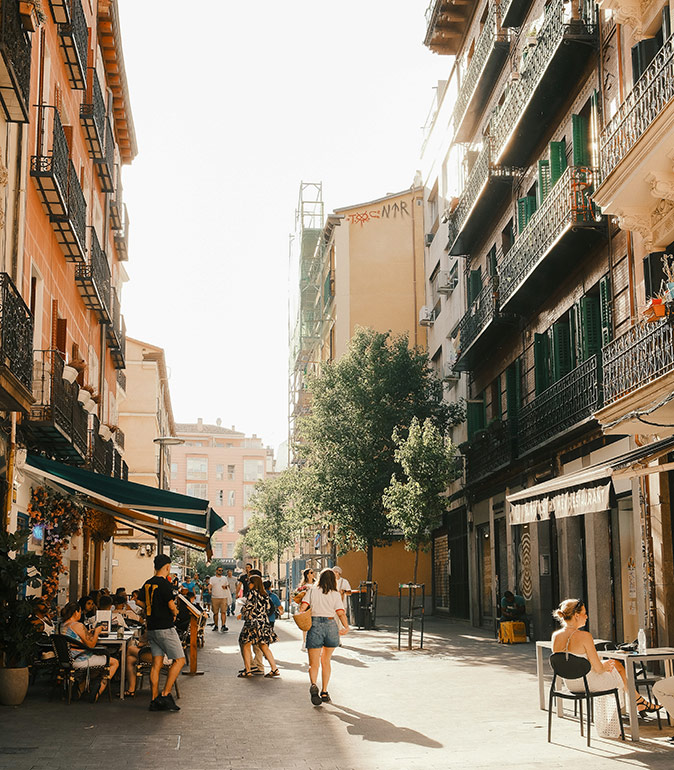
When planning your move to Madrid, you need to ensure you have your paperwork in order.
The paperwork you need for living in Madrid is the same as for anywhere else in Spain:
- For EU-citizens you apply for your residency and get assigned an NIE number.
- For non-EU citizens you need to apply for your residency and a TIE card.
If you’re an EU-citizen, the process of getting Spanish residency and a NIE number is relatively easy. NIE stands for Número de Identificación de Extranjero, or translated to English, “Foreigner Identity Number”. The NIE is your personal identification number that you will use for everything from opening a bank account to getting a job in Spain.
If you’re a non-EU citizen, the process for getting a residency is a bit longer, and will require a bit more paperwork. Once you have been granted your residency, you’ll get a TIE card.
The TIE stands for Tarjeta de Identidad de Extranjero, or translated “Foreigner Identity Card”. The TIE card is a physical card that certifies that you, as a foreign national, have been granted legal residency in Spain. On the TIE card, you’ll have your assigned NIE number.
It is only the non-EU-citizens that get a physical resident card. As EU-citizens, we get a small green piece of paper, we are told not to lose!
Personally, I keep a copy of my NIE in my wallet and the actual piece of green paper at home in a safe, together with my passport.
Before you start the process of applying for either residency or your NIE or TIE card, you need to register yourself as living in Madrid.
This process is called empadronamiento. It means that you register yourself as a resident of the town or city where you will be living. Before you can start the process of the empadronamiento, you need a place to stay.
Since I came from another province in Spain, when I moved to Madrid, I only had to register my empadronamiento in my new municipality in the Madrid Community.
However, if Madrid is your first stop for living in Spain, you’ll need to get residency and the NIE or TIE card.
Editor’s Tip: I also live in Spain (in Valencia) and if all of the immigration paperwork feels overwhelming, I can highly recommend Movingtospain.com to help you with this.
8. Bureaucracy & Daily Admin in Madrid
Bureaucracy in Madrid, and in Spain in general, can seriously test your patience.
Processes tend to be slow, paperwork-heavy, and often require in-person appointments that can take weeks to secure.
If you’re moving here or planning to stay long-term, going in with realistic expectations will save you a lot of frustration.
Personally, I didn’t struggle too much with Spanish bureaucracy this time around. But I also came from seven years of dealing with bureaucracy in Argentina, which is equally as bad (or worse) than in Spain.
However, I know from other international friends that dealing with Spanish bureaucracy felt very much like an uphill battle when they first moved here.
The good news is that once you’re set up, life gets a lot easier!
While Spain is slowly moving towards offering digital solutions (I, for example, did all my paperwork for registering at the Spanish Social Security online!), there are still certain appointments you need to do in person.
The key point of having appointments in person when you move to Madrid is that you don’t just “show up” to sort things out. You have to book a cita previa, or a pre-booked appointment.
The citas previas are especially challenging for appointments with the immigration offices and for NIE appointments. You have to make these appointments online, but appointment slots can disappear fast (sometimes you refresh the page and magically slots disappear) and less often new ones appear!
For the cita previa for the NIE appointments, I recommend checking early in the morning and being flexible with locations if possible. Sometimes another office across the city has availability sooner.
The other thing to keep in mind is that even when you come with an appointment, you might have to wait a long time before your number gets called. So, bring a book and a lot of patience!
Lastly, Spain loves paperwork. And copies of paperwork. And copies of copies of paperwork. Even if something says “digital,” I still recommend bringing printed copies.
If you feel overwhelmed about a process in Madrid, you are likely not the only one. So, use expats groups on Facebook or Reddit to ask others about their experiences and tips.
Alternatively, you can also pay a legal advisor or a Spanish admin professional (called a gestor) to help you with your paperwork.
9. Public Transport & Getting Around Madrid
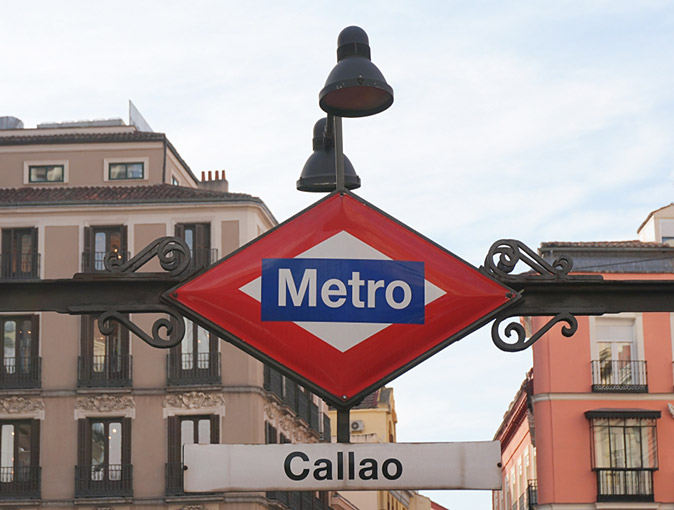
Madrid is a well-connected city with an excellent bus and metro network. Honestly, you don’t even need a car to get around the city.
Madrid is an extremely walkable city, and most central areas of the city are best visited on foot. Some streets in the center are closed to traffic, and others are so narrow that walking becomes quicker than maneuvering a car.
For longer distances in the city, Madrid’s metro system is your reliable ally. The metro in Madrid is fast, clean, and connects pretty much every corner of the city, including some suburbs.
The only downside of the metro in Madrid is that in rush hour, the trains can get very crowded. But honestly, that’s part of most big-city lives.
The buses in Madrid are great for shorter commutes or if you are going to an area where there is no metro line nearby. My experience with the buses in Madrid is that they run as scheduled and are very easy to use.
If you need to get somewhere in a rush, taxis, Uber, and Cabify are available in Madrid. Compared to Barcelona, Uber and Cabify are a lot more affordable in Madrid.
For commuting to nearby towns or suburbs, you have the Renfe Cercanías trains or the lightweight trains, Metro Ligero, that easily connect these areas to the center of Madrid.
The Renfe Cercanías trains have a bit of a reputation for not being the most reliable when it comes to keeping their schedule. In contrast, the Metro Ligero is, in my experience, a very reliable and fast alternative to driving a car when you live in the suburbs.
10. Social Life & Making Friends
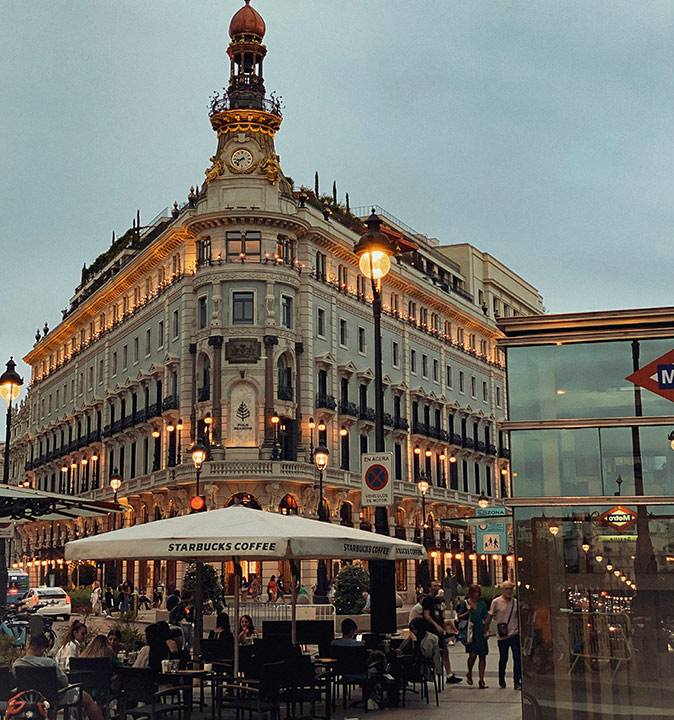
Building a social life and making friends in Madrid is one of the biggest concerns when moving to the city.
Madrid is a very sociable city with a culture of social life happening outside the home. Most locals will meet up with friends to have a drink at a bar, a late dinner, or go for a walk in a park.
While much of Spanish social life takes place in public, joining in isn’t always as easy as it looks. Many Spaniards belong to tight-knit friend groups formed in school or at work, and it can take some time to truly break into these established circles.
However, Madrid also has a large international community with people from all over the world who have chosen Madrid as their home base.
Great ways to find new friends (primarily other internationals) are through MeetUp groups, Facebook expat groups, and InterNations.org.
These groups offer activities, events, and meet-ups where you can meet people interested in the same things as you or living the same experience of being new in Madrid.
My strongest recommendation is to get out there and join a couple of events and activities to start building your network in Madrid.
If you are learning Spanish, language exchanges (also called intercambios) are a great way to meet others in a similar situation and connect over learning Spanish.
In general, Madrid is a very social and welcoming city. Once you have established a routine with your favorite café, gym classes, and walking routes with the dog, you will start to see the same faces and make unexpected new connections as well.
In my experience, the sweet spot is mixing both. International friends can make the transition easier, but speaking Spanish opens up the possibility to more easily connect and build long-term friendships with locals.
11. The Madrileño Food Culture
The Spanish food culture of having dinner late is also very much a part of everyday life in Madrid.
Many restaurants don’t open their kitchen before 8 pm, but continue serving until around midnight – even on weekdays!
Since I have lived in Spanish and Latin American countries for the past 10 years, the madrileño food culture of late dinners didn’t surprise me too much. At home, we already eat late because my husband is Argentine, and in Argentina, they have similar eating habits to those in Spain.
However, I know from some of my international friends that the late dinners in Madrid can be a real challenge at first.
12. Healthcare in Madrid
One of the biggest struggles for me when moving to Madrid was to wrap my head around the healthcare system.
In Spain, there is a public and private healthcare system that works in parallel. Normally, there are shorter waiting lists for doctors’ appointments when you go through your private healthcare.
However, you need to go through the public healthcare system for discounts on medications, which can really make a difference, especially if you’re on a Spanish salary.
What I wasn’t prepared for when moving to Madrid from Barcelona was that the relationship between the public and the private healthcare would be different!
In Barcelona, I was used to bringing my prescriptions from my private healthcare to the public healthcare, and the doctor would review them and give me a new prescription with a discount.
In Madrid, the public healthcare system seems a lot stricter than in Barcelona.
For example, in Barcelona, I would go to the allergist in the private healthcare system to do my tests and show these to the doctors in the public system to get my prescriptions.
Here in Madrid, when I went to the allergist in the public system with all my tests from the private healthcare, she didn’t care much about the tests. She sent me to do many of the same tests that I had already done through my private healthcare before giving me my prescription.
So, I learned my lesson and now go straight to the public healthcare if I need a prescription for anything!
13. Safety in Madrid
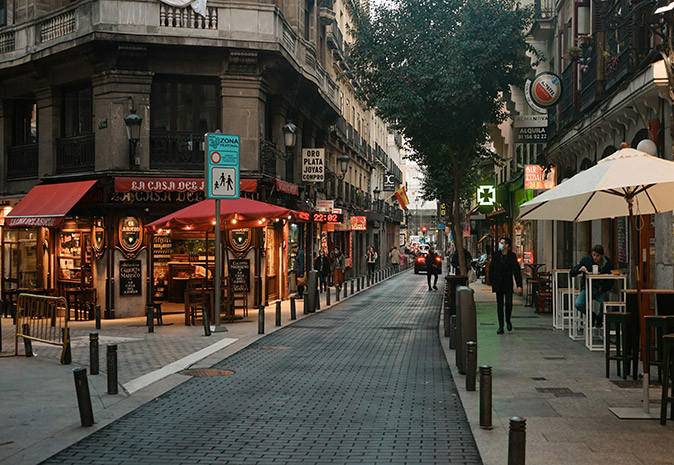
One of the things I love the most about Madrid is how safe the city feels!
In 2025, the crime rate in the Community of Madrid was even reported to be at its lowest point in the past decade.
Walking around the city, I have never felt unsafe, even when I have been out at night for dinner with friends.
However, do keep an eye on your belongings and watch out for pickpockets in the more touristy and crowded areas around Sol and Plaza Mayor.
Certain areas of Madrid, such as Lavapies, have a bit of a reputation for not being the best places to wander around late at night. And so far, I have not wanted to try my luck.
14. Traveling Around Spain From Madrid
One of the biggest perks of living in Madrid is its central location right in the heart of Spain.
Madrid’s central location makes visiting different parts of Spain extremely easy! From Madrid, you can plan easy day trips to places like Toledo, Segovia, or Alcalá de Henares. These cities are well-connected to Madrid by train, and they are perfect if you want a quick getaway without much planning.
For weekend getaways from Madrid, you can be in Andalusia, the Basque Country, or Catalonia, in around 3 to 5 hours by high-speed train.
Spain’s high-speed train network, the Renfe AVE, is a great way to visit many different parts of Spain, and I’m a big fan!
I highly recommend exploring different parts of Spain to truly appreciate the country’s cultural diversity.
Also Read: Things to Do in Madrid & Easy Day Trips From Madrid
15. Free Time & Things to Do in Madrid
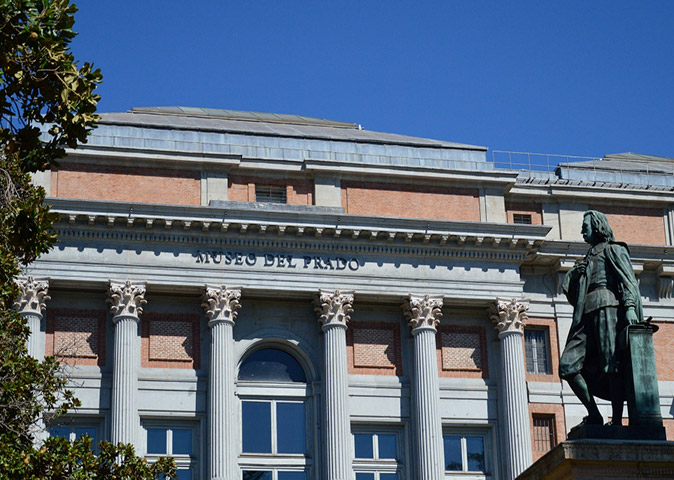
One of the things I enjoy the most about life in Madrid is all the different activities and things to do in the city!
Madrid has a real capital-city energy, with world-class museums, a lively theatre scene, concerts, exhibitions, and cultural events happening pretty much all the time.
What surprised me when we moved to Madrid was how good the city is at making culture accessible and affordable.
Many of the most popular attractions offer free entrance on certain days or during specific hours. You can, for example, visit the Reina Sofia Museum for free in the afternoons on Mondays and Wednesdays through Saturdays.
Being able to enjoy museums and landmarks for free is definitely something you will appreciate if you’re on a local Spanish salary.
Final Thoughts – Is Madrid a Good Place to Live?
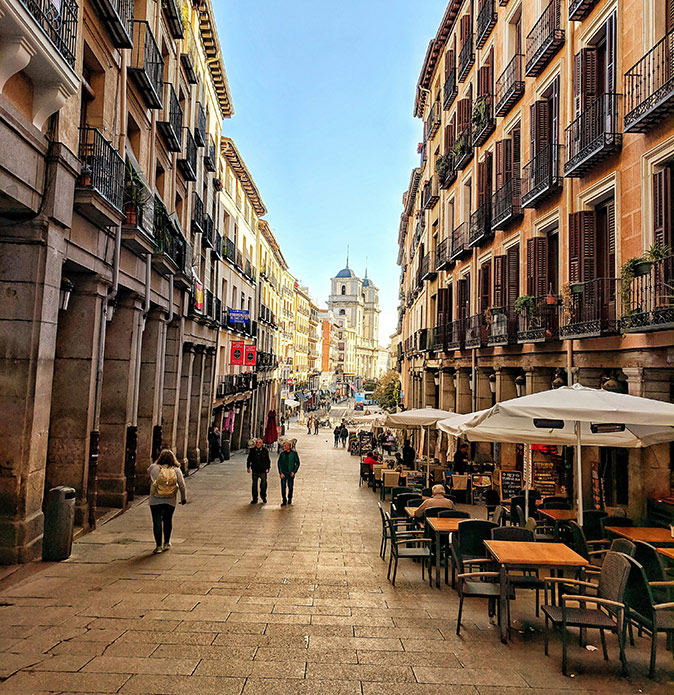
I find Madrid a really good place to live! It’s a great option if you are looking to move to a major Spanish city without the constant pressure from tourists that you find in places like Barcelona.
The city feels very safe, with a good quality of life. There are plenty of attractions to explore, and many different neighborhoods with their own style and vibe depending on what you value in your day-to-day life.
The downside of living in Madrid is that it can be quite challenging to find a place to live. And there is no beach nearby for the hot summers!
Also Read: