

You’ve seen the dreamy photos: tiled plazas glowing in the evening light, cafés spilling onto sunny terraces, and plates of tapas that seem to go on forever.
And yes, living in Spain can be wonderful. I should know. I first moved here when I was 18, worked everything from restaurant jobs to real estate, and now run my business remotely from Valencia (with stints living on the Costa Blanca and Mallorca in between).
Over the years, I’ve learned that Spain isn’t just sunsets and sangria. It’s also quirks, challenges, and surprises that no relocation checklist warns you about.
I’ve heard every version of “I wish I had known this before moving to Spain” — and said it myself more than once.
So whether you’re dreaming about sipping wine under palm trees, retiring to the Mediterranean, or working remotely from a Spanish café, here are the real things no one tells you about living in Spain.
Things Nobody Tells You About Living in Spain
1. “Mañana” Can Mean… Who Knows When
You’ve probably heard about Spain’s relaxed pace of life — but until you live here, you don’t fully understand just how relaxed it can be.
“Mañana” doesn’t literally mean tomorrow. It might mean next week. Or sometime.
Need a plumber? Want to get your internet connected? Brace yourself for delays. It’s not personal, it’s cultural. The upside is you’ll eventually stop stressing and start enjoying long lunches instead of checking the clock.
The laid-back lifestyle is part of Spain’s charm, but it can be frustrating when you need something done quickly. Patience is essential if you want to enjoy life in Spain.
Also Read: Things to Consider Before You Move Abroad
2. Bureaucracy Will Test Your Patience
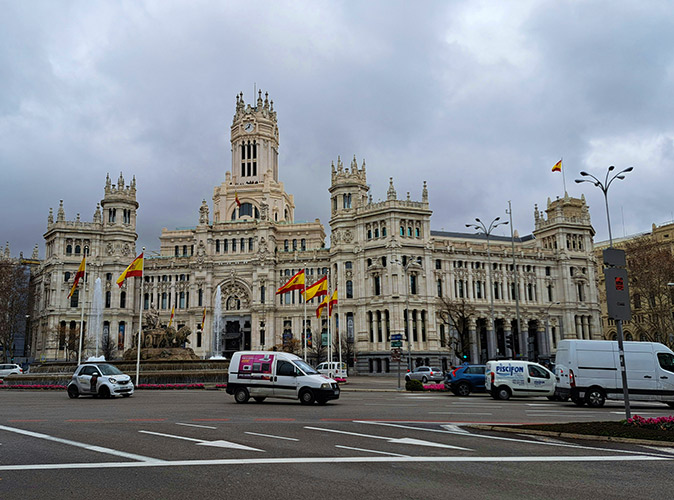
Spain’s love affair with paperwork is… intense.
Moving here means wrestling with endless forms, photocopies, cita previa appointments, and the mysterious art of getting the right stamp in the right office.
Booking a government appointment online can feel like trying to win concert tickets for the most popular band in the world. Pages crash, slots vanish, and sometimes it seems the next available date is in 2032.
Every expat has their own survival story.
Pro tip: always bring more documents than you think you’ll need. And copies. And copies of your copies.
And, use a gestor to deal with official matters such as getting your NIE-number and filing taxes. I recommend starting with MovingtoSpain.com for tax advice and relocation services.
3. WhatsApp Rules Everything
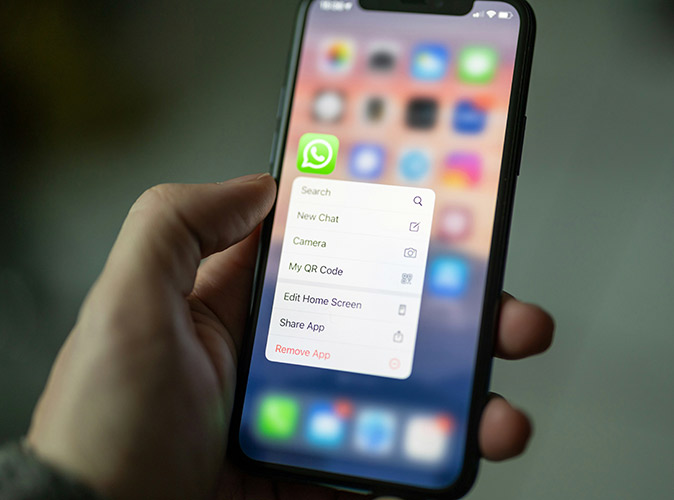
In Spain, even your dentist will message you on WhatsApp. Forget email for casual communication — here, it’s all voice notes, group chats, and “Buenos días” stickers.
It can feel chaotic at first, but it’s actually convenient once you get used to it. Just… maybe mute that neighborhood group if you want any peace.
Pro Tip: Don’t rely on email too much. Especially when you’re looking for a property to rent or buy, don’t expect to get any replies to your emails. Use Whatsapp or call the owner or estate agent.
4. August Is Practically a National Pause Button
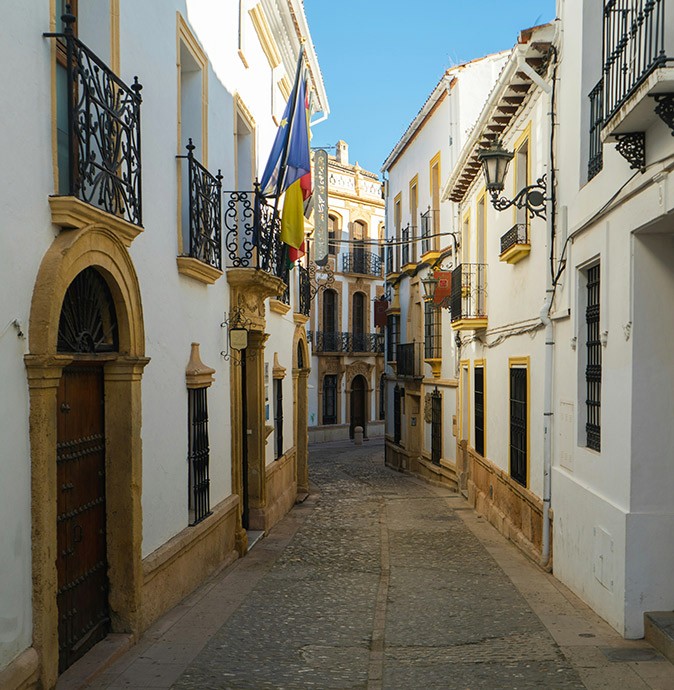
In August, entire cities shut down. Shops close, offices go dark, and the locals head to the beach or their mountain villages.
If you’re in a tourist hotspot, you’ll still find things open, and the beaches and cafés are packed with tourists.
In cities, such as in Valencia where I live, it’s a time to slow down, enjoy quieter streets — just don’t try to deal with any official paperwork until September.
5. Meal Times Are Late — Really Late
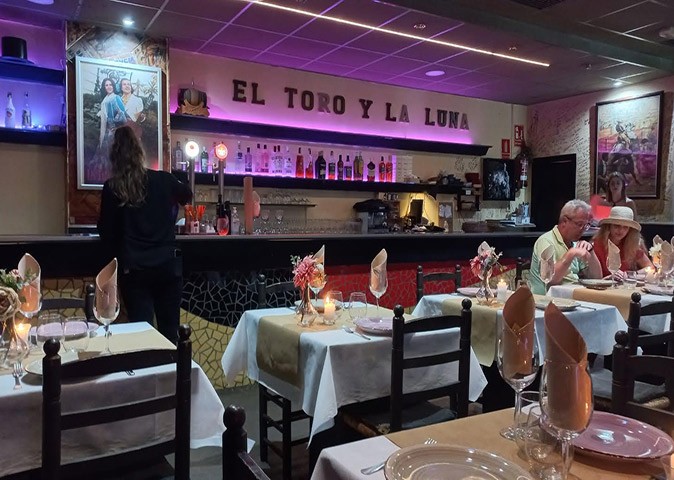
Dinner at 6pm? That’s for tourists. In Spain, people generally eat lunch around 2pm and dinner after 9pm — even later in summer.
It takes some adjustment, but the social, lingering meals are one of the best parts of living here.
If you’re used to eating dinner at 6pm, prepare for a shock. Kitchens often don’t open until 8 or even 9pm. In the afternoon, roughly between 4pm and 8pm, many restaurants close entirely — so plan your meals or risk hunger.
I have to admit, after all these years, that still sometimes bugs me. There are just days when I want to have some food at 4pm, or at 7pm, and especially in smaller, less touristy towns, you’ll really struggle to find a place to eat at those hours.
6. The Pace of Life Feels Different
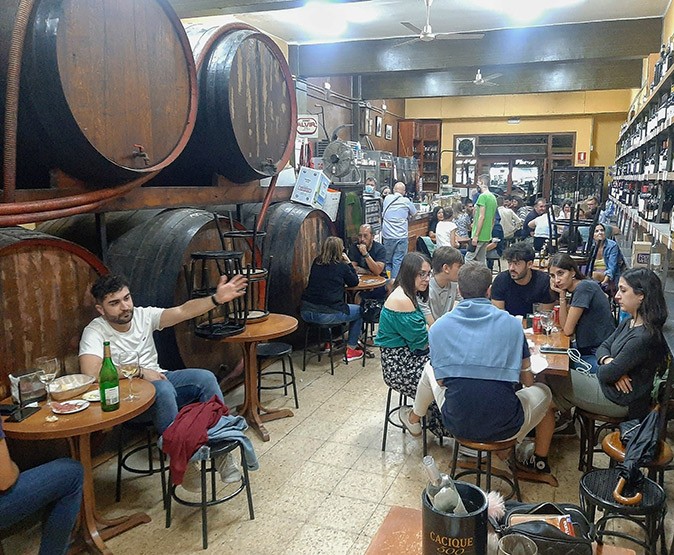
Life in Spain is not about rushing from one task to the next. People take time to talk, to share a coffee, to enjoy their lunch without eating over a keyboard.
At first, this can feel frustrating if you’re used to a fast-paced lifestyle. But over time, you might just find yourself slowing down, too — and wondering why you ever lived any other way.
7. Jobs & Money: The Not-So-Sunny Side of Spain
Spain’s job market can be… let’s say challenging.
Unemployment is higher than in many other European countries, and average salaries are often much lower than you’d expect. Many locals earn around €1,200–1,500 a month, which makes “moving to Spain and finding a good job” trickier than most people imagine.
Yes, the cost of living here is lower than in Northern Europe or the US. Restaurants, public transport, and even healthcare are pleasantly affordable. But, rent in cities like Barcelona, Madrid, and Valencia keeps going up, and is by now very out of sync with local wages.
And then there’s the work culture. In my first office job in Spain, I remember being so motivated to get work done, to learn, and to grow… while my Spanish colleagues seemed to be happy to leave everything for “mañana“.
Let’s just say “career progression” here often moves at about the same pace as the afternoon siesta.
The reality? Spain is amazing to live in, but it’s best enjoyed if you’re not fully dependent on the local job market. Bring your remote job, some savings, or at least a big dose of flexibility.
8. You’ll Need More Spanish Than You Think

In big cities and tourist areas, you can get by in English, but day-to-day life — especially paperwork, renting a flat, or chatting with neighbors — will be much easier if you speak at least basic Spanish.
Even learning a few polite phrases goes a long way. Locals really do appreciate the effort.
And, depending on where you live, you might find the local language isn’t Castilian Spanish. In Valencia, there’s Valencian; in Catalonia, Catalan; in Galicia, Galician.
While Spanish will get you by, learning a few words of the regional language goes a long way.
A good example is my friend, who lives on the Costa Blanca and is fluent in Spanish. She recently told me that only now that she’s learning Valencian, after more than 10 years of living in Spain, she has started to feel integrated and accepted into local Spanish life.
9. Vale: Spain’s Most Versatile Word
If you only learn one Spanish word, make it vale (pronounced like “bah-leh,” with the “v” sounding like a soft “b”).
It’s the “okay” that works for everything.
“See you at 8?” — Vale.
“Here’s your receipt.” — Vale.
“The paperwork will be ready mañana.” — Vale.
I swear, I’ve had entire conversations with a taxi driver using nothing but “vale” and a few hand gestures. Once you start using it, you’ll never stop.
This little word is everywhere. It can mean yes, okay, fine, sure, whatever, or even “stop talking.” Once you start using it naturally, you’ll feel like you truly belong here.
10. Fireworks Can Happen Any Time, for Any Reason

In some regions, particularly Valencia, fireworks and firecrackers aren’t just for big holidays.
Random Tuesday afternoon? There might be a mascletà outside your window. They’re loud, unpredictable, and very much part of life here.
11. Public Holidays Can Surprise You
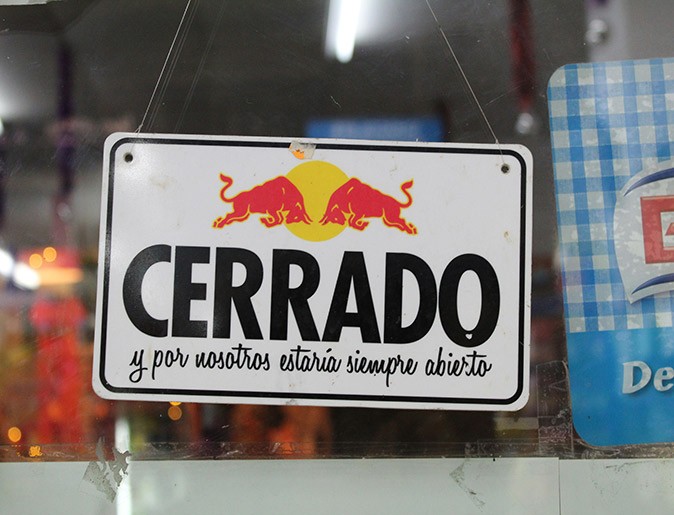
Spain has national holidays, regional holidays, and local holidays — and they don’t always fall on the same dates every year.
Just when you think it’s a normal Wednesday, you’ll find the supermarket closed.
My survival strategy: I have a local friend who knows I’m often not aware of yet another random holiday… So she now texts me to let me know of any upcoming holiday and how that will affect the opening hours of local businesses. I love her for that! 🙂
12. Customer Service Is… Different
Don’t expect overly cheery service in shops or restaurants.
It’s not rudeness — just a different style.
Once you adjust your expectations, you’ll see the warmth comes in other ways. And, it means you won’t feel pressure to leave a restaurant or café as soon as you’ve finished your meal or drinks.
13. Tipping Is Minimal
Coming from countries where tipping 10 or 20% is the norm, Spain will feel like a relief. In restaurants, rounding up the bill or leaving one or two euros is perfectly fine. In cafés, it’s often just the change from your coffee.
Here, tipping is a thank-you, not part of someone’s wage.
That being said, Spanish wages are low, so leaving a little extra for great service is always appreciated.
14. The Soundtrack to Your Life Will Change
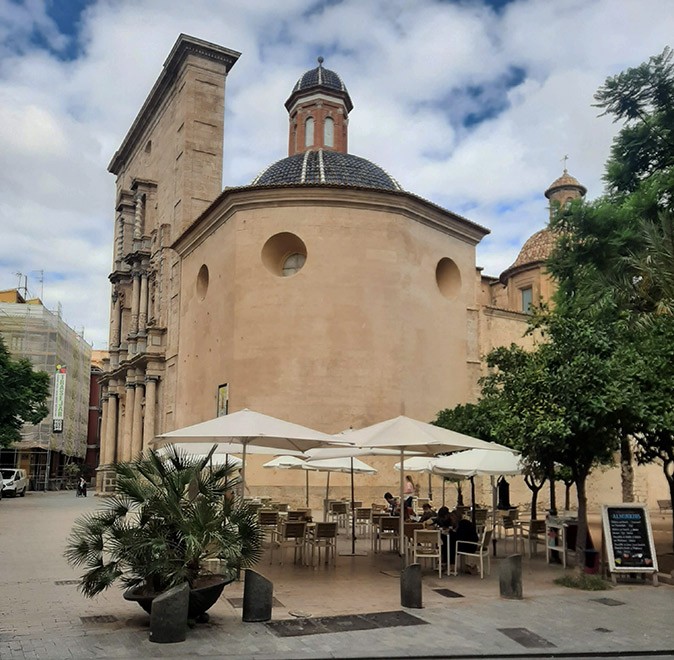
Between church bells, street musicians, and your neighbor’s TV blaring football commentary, silence is rare if you choose to live in a Spanish city or town.
It’s part of the atmosphere. But it takes getting used to.
Soundproofing seems to be nonexistent in most Spanish apartments, so expect to be able to hear your neighbors speak, flush the toilet, and do other things you may not want to hear…
If you value your peace and quiet, you might be better off looking for a remote finca or villa, of which there are plenty as well.
15. The Weather Can Surprise You
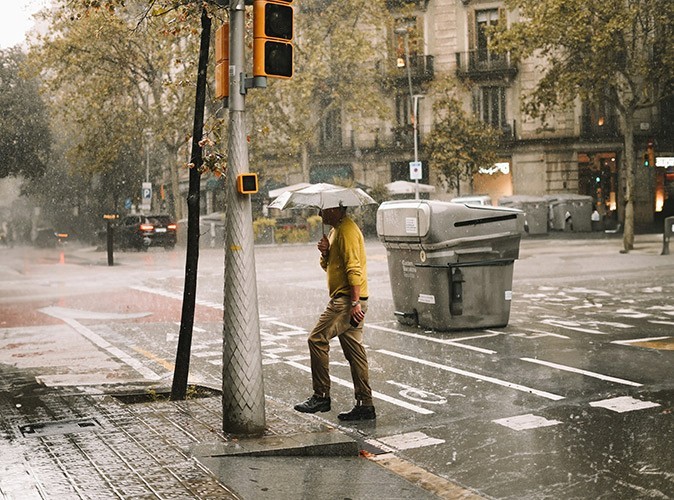
Spain isn’t all year-round sunshine. Winters can be damp and chilly, especially in homes without central heating.
And in summer, large parts of the country get scorching hot — you’ll understand why locals disappear for siesta.
If you’re picturing endless sunshine and flip-flops, remember: much of Spain gets chilly in winter, and houses aren’t always well-insulated.
In places like Valencia and Barcelona, it’s often colder inside your house in winter than outside. Invest in a good blanket and maybe a portable heater for those damp January nights.
Also Read: What It’s Like to Live in Barcelona
16. You’ll Start Talking About the Price of Oranges

At some point, you’ll find yourself marveling over how cheap fresh produce is here — especially when it’s in season.
Then you’ll start comparing orange prices at different markets like it’s an Olympic sport. Congratulations, you’re officially settling in!
Tips for Thriving in Spain
- In August, assume half the country is on holiday. Embrace it — plan your own getaway or just slow your pace.
- Book restaurants later in the evening so you don’t end up eating alone, and learn to love the late-night vibe.
- Don’t panic if your first few cita previa attempts fail — persistence (and sometimes a friendly gestor) will get you there.
- Accept that WhatsApp is basically the national communication system. Even your plumber might send you voice notes.
- Use a gestor to deal with paperwork and a relocation specialist like MovingtoSpain.com to get you started.
- Adapt to Spain’s rhythm instead of trying to make Spain adapt to yours. Life gets much easier when you do.
- If you plan to apply for a non-lucrative Visa to live in Spain, my friend Duane, who moved to Spain a few years ago with this visa, created a practical eBook describing exactly how to obtain the visa.
Final Thoughts

Living in Spain isn’t all sangria and sunshine, though there’s plenty of both.
It’s a mix of charming quirks, occasional frustrations, and a slower, more social way of life that’s easy to fall in love with.
After years here, I still have moments where I think, “Only in Spain…” — sometimes while sipping coffee on a sunny terrace, sometimes while holding ticket number 178 at the town hall.
If you’re considering making the move, come with an open mind, a good dose of patience, and a willingness to adapt — and you might just find, like I did, that Spain feels like home.
Living in Spain is an adventure. Sometimes it’s messy, often unpredictable, and always full of personality. And then somewhere between your first awkward “vale” and your first unsolicited chupito from the bartender, it just starts to feel like home.
Also Read:
- The Best Places to Live in Spain
- Interesting, Weird & Fun Facts About Spain
- Moving to Spain as an American: What I Wish I Knew
- Working Remotely in Spain: Why Spain is Great for Digital Nomads
- Things to Know Before Going to Spain
Do you want advice about living in a specific city or town in Spain? I have interviewed expats living in many parts of Spain. Click here for an overview of all the articles I have written about Spain, including many interviews with expats about living in different parts of Spain.
The article contains affiliate links. I may receive a commission for purchases made through these links, at no additional cost to you.