
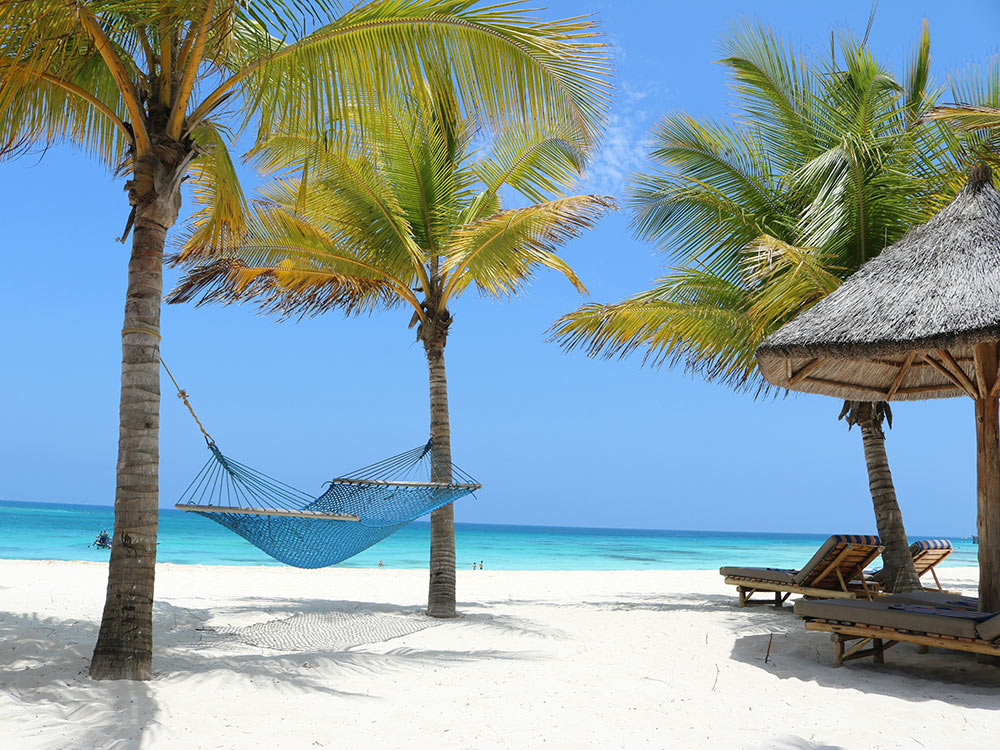
I grew up in Germany but my roots are in Ghana, West Africa, and earlier this year I had already spent time in South Africa and Namibia. So when I thought about where to go next as a digital nomad, the pull east felt natural. I wanted a warm destination. I wanted Africa. I wanted somewhere I hadn’t been before.
There was also a quiet personal connection: during my studies I worked on a project with a school in Tanzania, and the country had been on my list ever since. The Serengeti, the safaris, the whole region had been calling for years.
Three months later, I am writing this from Paje, on the southeast coast of Zanzibar, after a morning swim in the pool outside my apartment.
Here is everything I wish someone had told me before I booked my flight to Zanzibar.
Why I Chose to Work Remotely From Zanzibar
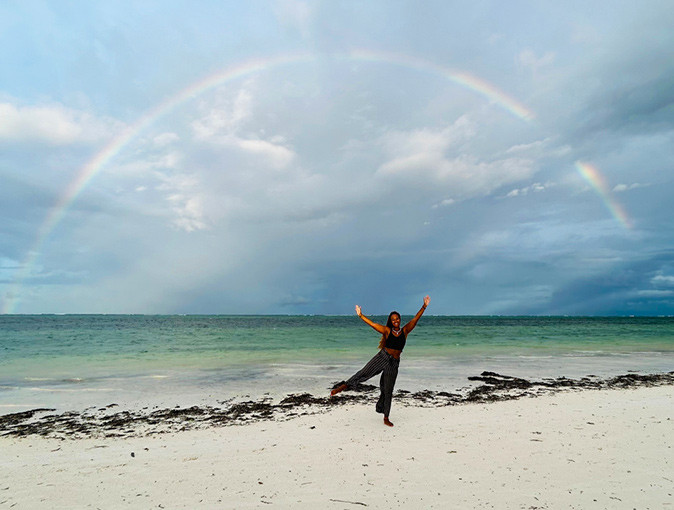
Zanzibar is not on most nomad maps yet, and that is exactly why it works.
Let’s compare it to another island destination for digital nomads, Bali. Bali is beautiful, but it is also crowded, expensive in some pockets, and the digital nomad scene has reached a point where it almost feels like a different country running on top of the actual one.
Zanzibar is the opposite.
The nomad community here is small but real. You meet someone once and run into them again at the same beach café three days later. There is no overwhelming events calendar, no thousand-person community to compete with. You actually become part of something.
It is also significantly more affordable than most European or Asian hotspots for digital nomads. My monthly living expenses have been around 900 USD, including a nice apartment, food, transport, and weekend trips.
For European nomads, there is another perk almost nobody mentions: the time zone. Zanzibar is at most two hours ahead of most European countries. If you have regular client calls, team meetings, or strict project deadlines, being in a similar time zone really makes a difference.
First Impressions of Zanzibar
My first 24 hours were not exactly perfect. I got sick from the air conditioning on the plane and in the room, and spent the first day fighting off a cold.
I had booked into Dar Mar Hostel in Paje, a coworking hostel that turned out to be one of the best decisions I made on the entire trip.
Within hours of arriving I was talking to other travelers, chatting with the Maasai vendors on the beach, and figuring out which café had the best wifi.
If you are coming alone and not sure where to land first, a coworking hostel like that is one of the easiest soft entries into the island.
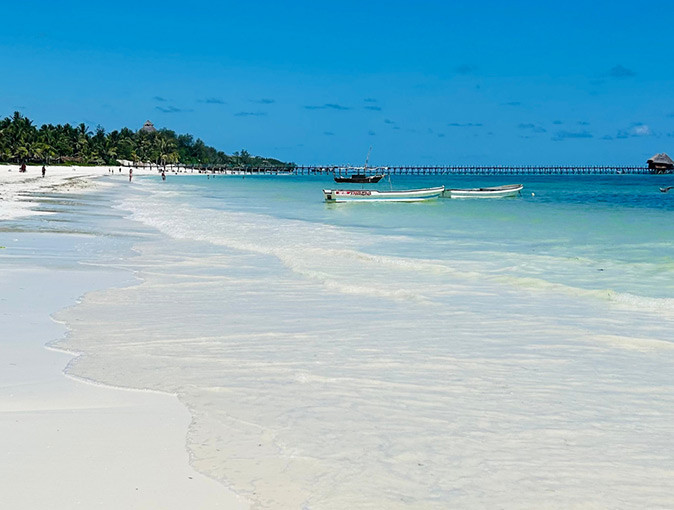
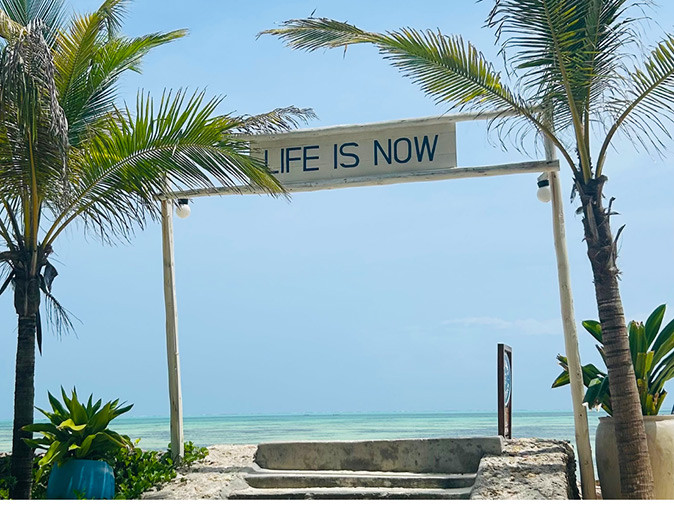
Walking out onto the beach for the first time was the moment Zanzibar started to feel real. Long, wide, almost empty stretches of white sand. Turquoise water. People moving slower than I was used to from European nomad spots.
The Reality of Working Remotely Here
‘How’s the internet?’ is the question every nomad asks, so let me be direct. With the right setup, Zanzibar works very well for remote work.
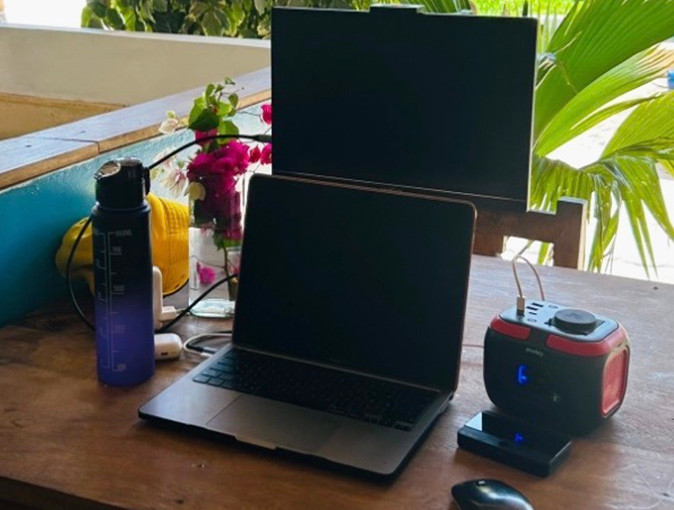
I packed a small travel router from Amazon in my checked luggage and put a local Yas SIM card in it. Speeds have consistently been between 20 and 50 Mbps, even in Paje, which is far from Stone Town. That is more than enough for client calls, video conferencing, and uploads.
Power cuts happen, but they are manageable. Coming from time in South Africa and Ghana, I was already familiar with the rhythm. I bought a laptop power bank, and it has saved me during several outages with no real disruption. Beyond that, coworking spaces like Shanga in Paje have generators, so on cut days you just relocate. It becomes part of the routine.
What surprised me positively: I never once missed a client call because of internet. With a router and a SIM card, you have effectively built your own connectivity layer that doesn’t depend on the local building’s electricity.
Where to Base Yourself in Zanzibar
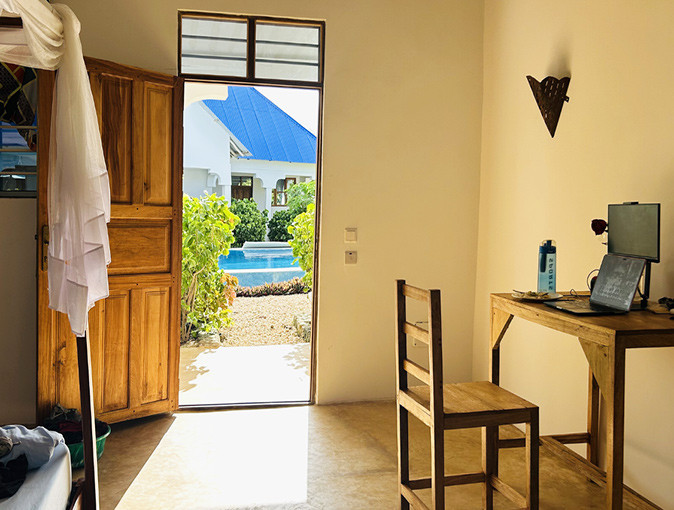
Different parts of Zanzibar have very different moods. For digital nomads, three areas are worth considering.
Paje and Jambiani on the southeast coast are where I ended up settling. This is the laid-back, beach-driven side of the island. Long stretches of sand, kitesurfing schools, yoga, small cafés with good wifi, and the most active nomad pocket on the island. If you want focused work mixed with slow living, this is it.
Stone Town is the cultural and historical heart. Narrow alleys, rooftop cafés, and a more urban feel. I would recommend it for your first few days to acclimate, especially if you arrive in the evening. Wifi is good here, food is incredible, and you can dive into the history of the island.
Nungwi and Kendwa in the northwest have some of the most beautiful beaches and a touch more nightlife. There is some coworking starting to grow up here as well. It’s a good location for a mix of work days and going out evenings.
And my best tip: If you’re staying longer (a month or more), don’t just book through Airbnb. Reach out directly to hosts and negotiate. I found my apartment, which has a pool right outside the door and is a ten-minute walk to the beach, for 460 USD a month with utilities included, simply by talking directly to the owner.
How to Get Around Zanzibar
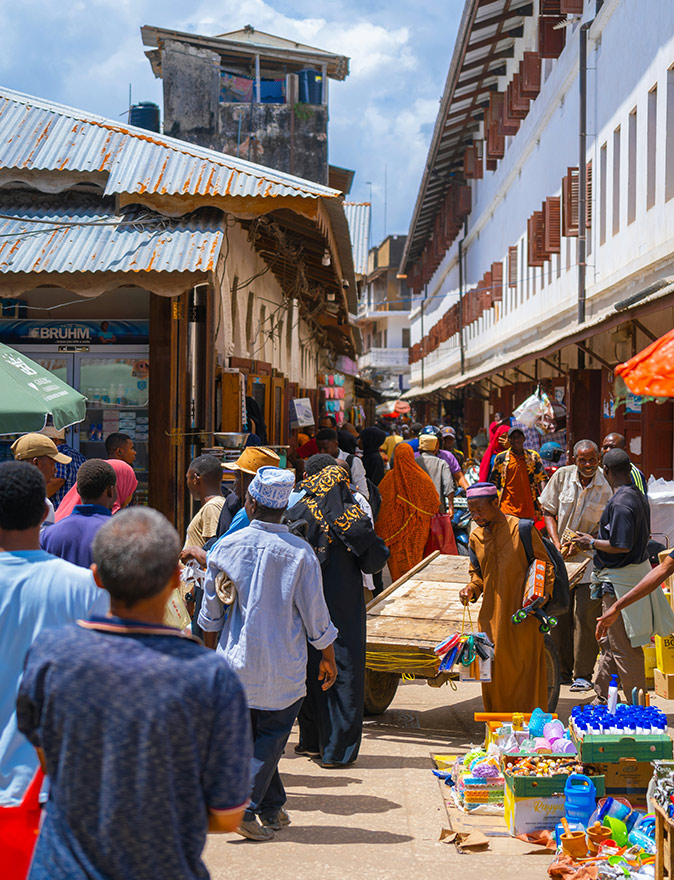
Getting around Zanzibar is cheap, flexible, and a little adventurous in a good way. I have tried all the options and choose based on distance, mood, and time pressure.
1. A Private Driver
For longer trips to the north, to Stone Town, or to the airport, I use a private driver. It is the least stressful option and still very affordable compared to Europe.
The important thing to know is how to find a private driver.
I either ask in my digital nomad WhatsApp group or in a Zanzibar Facebook group. You can ask your accommodation too, but you’ll pay roughly three times more.
For example, my first snorkeling trip cost me 40 USD after negotiating with a driver directly. Someone staying at a hotel paid 120 USD for the same trip just because they booked through reception. Skip the markup whenever you can.
2. Shared and Private Tuk Tuks
For shorter rides, tuk tuks are the default.
Shared tuk tuks run constantly between villages for 1,000 TZS (less than 0.40 USD). You stand by the main road, stick your hand out, and you hop on. The price is fixed so you don’t have to haggle.
Private tuk tuks cost 5 to 10 USD for longer rides, or 3,000 to 10,000 TZS (1-4 USD) for short ones. Always negotiate a price before getting onto the tuk tuk.
3. Boda Bodas
Boda bodas are motorbike taxis.
They are quick, cheap, and solo travel friendly.
Always negotiate a price before hopping on, and I tend to avoid them at night or in the rain for safety.
4. Dala Dalas
Dala dalas are the local minibuses. They are the cheapest way to get around at 500 TZS (less than 20 cents) per ride.
Flag them down the same way you flag down the shared tuk tuks.
Dala Dalas tend to be packed and unpredictable, but they’re worth trying at least once for the full local experience.
Quick Transport Tips to Remember:
Dala dalas and shared tuk tuks have fixed prices. Private tuk tuks, boda bodas and private drivers always need a quick negotiation before you start the drive. Smile, suggest a lower price than they just offered you, and just see what happens.
My Favorite Spots to Work in Zanzibar
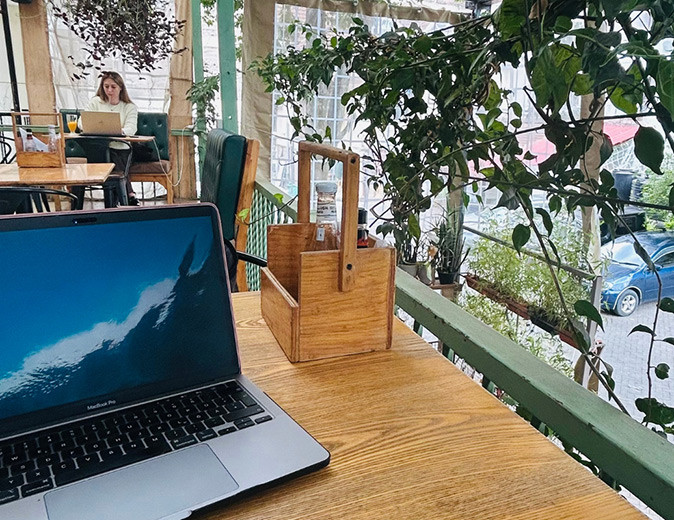
The thing I underestimated before coming was how much your café choices shape your daily mood here.
Mr. Kahawa in Paje is the longtime nomad favorite. It’s a beachfront cafe and restaurant with excellent coffee. It’s a perfect location if you want to switch between working sessions and quick swims.
Shanga Coworking in Paje is where I go when I need a real focus day. They have reliable wifi, generator backup, a friendly international crowd, and a beautiful view. You can work there for the price of an order, which is fair.
Barra Beach Resort has good wifi and a relaxed atmosphere where you can sit for hours without feeling pushed.
A small hack worth knowing: many hotels on the island let non-guests use their pools and sunbeds, often for free or with a small minimum spend (around 8 USD at New Jambo, often free at Ndame). Bring your laptop, order a drink, swim, and work by the pool. It is a great way to switch up the environment.
The Stuff Nobody Tells You
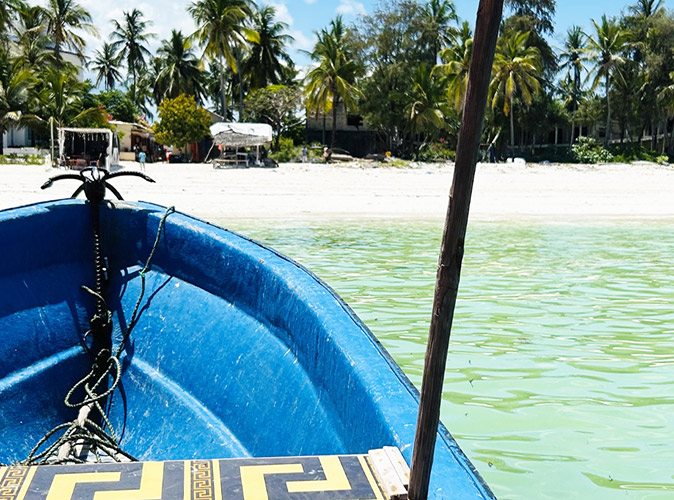
Bargaining is the part of Zanzibar life that most surprised me, and I want to mention it here because it is also the thing I wish someone had told me before I arrived.
In Zanzibar, almost everything outside of restaurants is negotiable. Tuk tuks, markets, apartments, day trips, etc.
If you come from a culture where this isn’t normal (most of Europe and North America), it feels awkward at first. It did for me. The first few times I tried to negotiate I felt rude, like I was being too forward.
What I learned over time is that locals are completely used to it. Nobody is offended. It’s part of the rhythm. Once you understand that the asking price is usually not the real price, you stop feeling weird about it and start treating it almost like a small social game. Smile, suggest a lower number, see what happens. In nine out of ten cases, you walk away with a better deal and a small connection with the person you negotiated with.
The other thing worth knowing is the local insurance requirement. Zanzibar requires a local ZIC insurance (around 44 USD for 90 days) in addition to your international travel insurance. You buy it online on the Zanzibar Insurance Corporation website and show the QR code on arrival. Get it close to your travel date, because the coverage starts from the date of purchase, not your arrival date.
Beyond Work: Why You Will Want to Stay

What I did not expect was how much the non-work side of Zanzibar would change me.
My weekends have been great here. Sunset dhow trips. Mnemba Atoll snorkeling, which is genuinely one of the best snorkeling spots I have been to anywhere. Jozani Forest with the red colobus monkeys, endemic to the island. Day trips to Stone Town for the night market, which is a sensory event in itself: skewers, fresh seafood, sugarcane juice, the famous Zanzibar pizza you can fill with anything from vegetables to Nutella.
The slower pace of life here is the other thing. Coming from European cities and busier nomad hubs, the deliberate slowness of Zanzibar took some adjusting. Now I find it is one of my favorite things about the island. It teaches you to stop optimizing every minute.
Also Read: Things to Know Before Going on a Safari in Africa
Honest Advice for Anyone Considering Zanzibar
A few things I would tell my pre-Zanzibar self:
Bring a portable wifi hotspot. Hotel wifi is fine for browsing, but unreliable for client calls. A travel router plus a local Yas SIM card is the most stable setup I have used in any country.
Stay at least a month if you can. Two weeks isn’t enough. The island reveals itself slowly. The first week you are still finding your spots, the second you are settling in, then the real Zanzibar starts in week three.
Haggle, but with a smile. It’s not aggression, it’s the local sport. You will save twenty to thirty percent on most things and locals will respect you more, not less, for engaging.
Find your people online before you arrive. There is an active Facebook group, Zanzibar Digital Nomad Community, and a WhatsApp group, Digital Nomads Zanzibar, where people share apartments, meetups, wifi tips, and other recommendations. Join before you fly.
Don’t try to do everything in week one. The island rewards patience. Pick a base, settle in, let the spots come to you.
Who Zanzibar is Perfect For
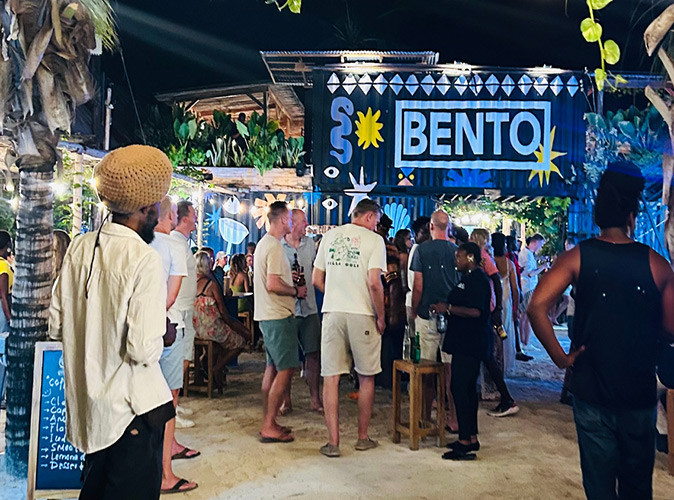
Zanzibar is ideal for nomads who want sun, slower living, and a mix of focus and adventure.
It works especially well for founders, writers, designers, SEO specialists, anyone whose work is laptop-based and time zone flexible.
You will love Zanzibar if you enjoy bargaining, smaller communities where people actually recognize you, and the idea that your day might include both deep work and a long beach walk.
It is not for people who need perfect infrastructure or rigid daily routines. Heavy bandwidth work like live streams or video production can be a struggle.
Hardcore party people expecting Bali-style nightlife will be underwhelmed. Anyone who needs Western style supermarkets and malls at all times will be frustrated more than inspired.
Final Thoughts: If You Decide to Come to Zanzibar

Three months in, Zanzibar has shifted something in me. The slower pace, the warmth of the people, the way the island makes you actually look up from your laptop, all of it has been a different kind of nomad experience than I have had anywhere else.
If you want the easy version, where the community and structure are already built for you, I am running Goldenweeks Retreats, a two-week accountability retreat in Paje this November. Otherwise, just come solo and find your own version.
Either way, Zanzibar will probably not be what you expected. And I think that is exactly why it is worth going here.
Also Read:
- The Hidden Challenges of Being a Digital Nomad
- How to Stay Productive While Working Remotely
- A Digital Nomad’s Guide to Bali, Indonesia
- Playa Del Carmen, Mexico, for Digital Nomads
- A Digital Nomad’s Guide to Medellin, Colombia
- Working Remotely From Sri Lanka
- Portugal for Digital Nomads – What You Need to Know
- Working Remotely in Spain
This article contains affiliate links. I may receive a commission for purchases made through these links, at no additional cost to you. As an Amazon Associate I earn from qualifying purchases.