

What is the best time to go to Spain?
Spain is a year-round destination for travelers. And because the country has such a rich mix of cultures and geographies, there is something noteworthy going on in Spain every single month.
That said, weather still dictates the rhythms of life in Spain.
The summer heat forces people to close up shop and flee for cooler destinations in August. The winter months are comparatively mild for people (like me) from a country that’s cool and wet most of the year, but even then I find that the February chill in Spain can be formidable.
What’s more, seasonal cycles of planting and harvesting inform many of the cultural celebrations that take place in Spain.
So, when is the best time of year to visit Spain? It depends on what you’re looking for.
Here are the best times to go to Spain, broken down by the types of trips people most commonly take.
The Best Time to Visit Spain
1. The Best Time to Go to Spain for Beach Weather
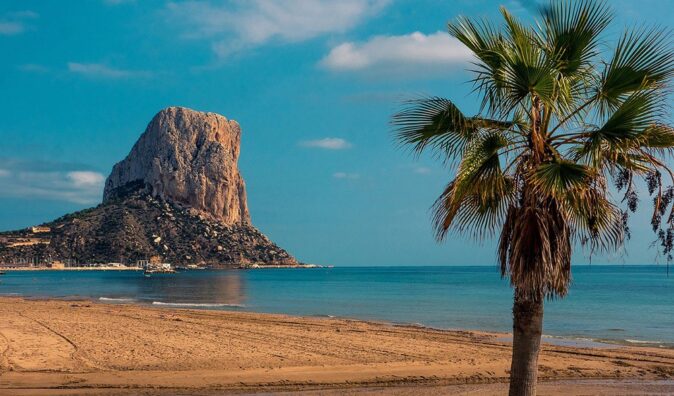
Aim for late May through July, then September and early October if you want the best time to go to Spain for perfect beach weather.
This is another way of saying, “Don’t come to Spain in August.” It’s too hot, and the locals themselves tend to get out of town for the month. In many cities you’ll find a good number of stores closed for the month. Coastal towns, in contrast, get very crowded and prices go up.
In my experience, Spain hits its beach-weather stride by the middle of May. Some years, the sustained warmth arrives a little earlier, but sometimes the first two weeks of May can be cloudy and blustery.
By June, the days are their longest and the sun is warm, but not yet blistering. In July it starts to get hot, and September can still be scorching in the south.
By late September and early October, the days will have gotten shorter, but you’ll still find decent beach weather in most of the country.
Note that this doesn’t apply to the northwest of Spain, where summers are cooler and wetter. There are nice beach days in Galicia and Asturias, but they’re fewer than, say, beach days in Andalusia.
And if you want good beach weather in winter, then go to the Canary Islands.
Also Read: Things to Know Before Visiting Spain
2. The Best Time to Visit Spain for City Exploration

Spring and fall offer the best mix of weather and smaller crowds. I would aim for April or October as the best time to visit Spain for most city trips.
You could visit in January or February and enjoy the cheapest accommodation rates and the shortest waiting lines at the museums, but Spain can be a little miserable in the middle of winter, especially Madrid.
Most buildings aren’t made to retain heat, so you might find yourself in drafty restaurants, cafes, shops, and hotel rooms.
3. The Best Time for Gastronomy and Gourmet Adventures
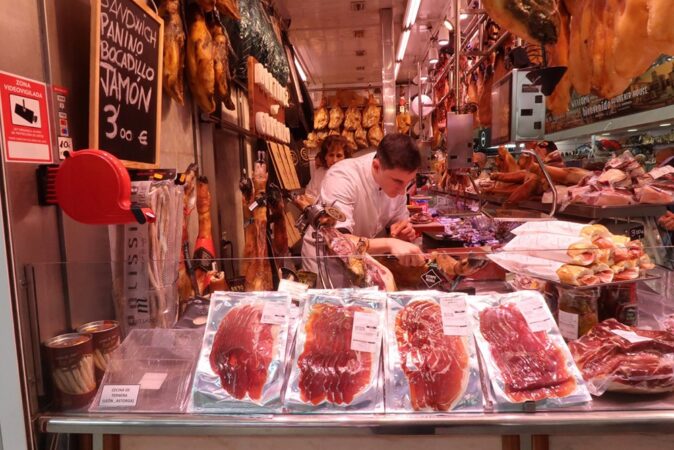
There’s not really a bad time for eating and drinking in Spain, but here are some seasonal highlights to consider:
Winter:
Heavy comfort foods like fabada asturiana (a hearty bean stew) will sit a lot more comfortably in your stomach. In the north, the cider houses open in January. Artichokes are in season too, and those are great in a traditional paella.
Spring:
Lots of local produce will start to come into season. You’ll find some excellent tomatoes in the markets by early April, as well as pimientos de padrón.
Summer:
You can catch fish year-round in Spain, but seafood always tastes best when you eat it outside in shorts and sunglasses. Also, sangria!
Autumn:
Late September until November are great months to visit for wine lovers. The La Rioja and Jerez Grape Harvest Festivals in September are the big ones, but there are plenty of other festivals in wine-producing regions to celebrate the harvest. The markets will have nice pumpkins and spinach too.
Also Read: Famous Spanish Food to Try in Spain & 5 Crazy Spanish Festivals to Check Out
4. The Best Time to Take in Spanish Culture

Two things Spain has in abundance are gastronomy (see above) and culture. Lots of culture.
And because regional identity is so important in many parts of Spain, locals invest significant time, money, and energy into celebrating their cultures.
So, as above, it makes sense to break your options down by the season:
Winter:
Christmas is a big deal in Spain. While the Dec. 24–25 portion of the holiday is mainly reserved for family time, Three Kings Day on Jan. 6 involves much more public celebrations. Each city and town will have parades in which the three kings ride through, showering onlookers with candy.
Between late February and early March in Andalusia, the Festival de Jerez offers days and days of all things flamenco.
Spring:
The big highlights here are Fallas in Valencia and La Semana Santa to celebrate Easter.
Fallas brings more than a million people to Valencia, where locals celebrate their age-old traditions of drinking, dancing, making noise, and setting things on fire. See my Fallas survival guide for more.
La Semana Santa follows shortly thereafter, and each part of Spain does the Holy Week a little differently.
In Andalusia, people can get pretty passionate about the Virgin Mary statues being carried through the streets. In Castilla y León, procession participants can be pretty vivid in their reenactments of Christ’s suffering.
Summer:
Two of Spain’s biggest cultural events happen in the summer.
In Pamplona, the San Fermín festival in July starts with the running of the bulls.
In the town of Buñol, the streets clear for a day in August for La Tomatina, in which participants hurl tomatoes at one another.
Note: If you are thinking about going to San Fermín for the running of the bulls, do read about it first. It’s quite a cruel event.
Autumn:
Besides the grape-harvesting festivals listed above, the highlight for fall is La Mercè in Barcelona. In addition to neighborhood parties and good wine, La Mercè is famous for its fireworks and parades.
Also, keep an eye out for castellers, when acrobatic locals climb each other’s shoulders to form shockingly tall human towers.
5. The Best Time for Families Seeking Sun and Relaxation
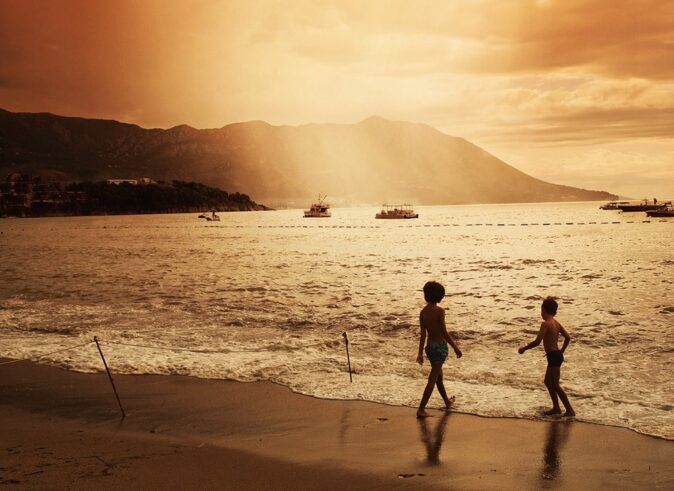
Family vacations are naturally at the mercy of school year calendars. But if you’re looking for a great beach vacation with the family, my suggestion is to get to Spain as early as possible once the school year ends.
June is the best time. The weather isn’t yet insanely hot, but it’s still definitely warm enough to get out onto the beach just after breakfast.
If you have to delay travel until July, that’s still fine. You’ll pay peak-season prices and have more crowds to contend with, but you won’t have to deal with August’s heat.
If you can only travel in August, head north. The Basque Country, Cantabria, Asturias and Galicia all have nice beaches (although the Atlantic tides are much rougher than the gentle Mediterranean), and the heat is manageable.
Check out this article about family vacations in Spain to learn more about the beaches of Costa Verde in northwestern Spain.
Also read this article about camping in Valencia if you are thinking about planning a camping trip to Spain.
6. The Best Time for Adventure Sports
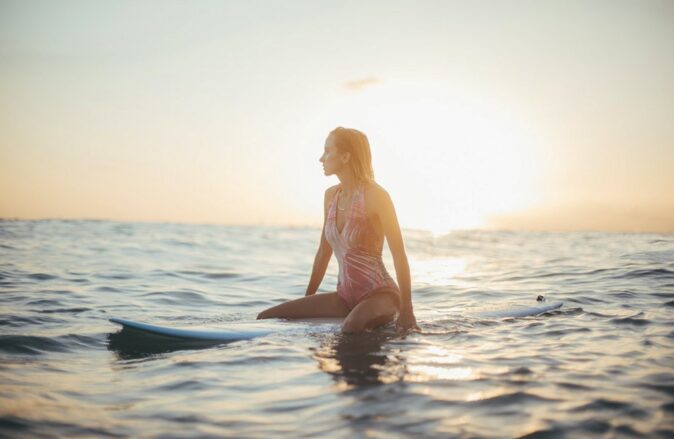
Spain’s various terrains and climates make the country an ideal destination for anyone who likes adventure sports.
Catalunya and Valencia have world-class climbing spots, and the Bay of Biscay is one of Europe’s top surfing destinations.
Winter Sports:
If you’re headed to the Pyrenees for skiing or snowboarding, your best bets are February and March, although the ski season normally starts in late December and runs until April.
In the Sierra Nevada, the ski season runs from November to late April or May (or sometimes even early June).
Hiking and Climbing:
The best months for intense hikes and climbs are April or October. You won’t need multiple base layers to keep warm when the sun sets, but you also won’t fry against the rocky mountainsides.
Surfing:
For experienced surfers, autumn and winter generally bring the best conditions, particularly along Spain’s Atlantic and northern coasts, when larger swells roll in. Bring a wetsuit; the water stays chilly even when the air feels mild.
If you’re a beginner, summer can actually be a better time to learn, with generally smaller, gentler waves.
Mundaka in the Basque Country is one of Spain’s most famous surf spots and is just a half-hour drive from Bilbao. You can spend the morning in the water and the afternoon filling up on pintxos and cider.
Also Read: Beginner Surfing Tips – 10 Common Mistakes to Avoid
7. The Best Time for Bargain Shoppers

If shopping is part of your trip, January and late June through July are traditionally good times to find rebajas (sales), although individual shops now set their own sale periods.
The winter sales usually start just after Christmas and can be a good opportunity to pick up clothing, shoes and other seasonal items at a discount. Summer sales typically begin around late June or early July, when shops start clearing out spring and summer collections.
So if you’ve forgotten a swimsuit, hat or pair of sandals for your Spanish holiday, you might just find them on sale. And if you’re looking for clothes rather than souvenirs, these seasonal sales can be a good way to shop for Spanish and European brands without paying full price.
Best Time to Visit Spain: My Pick
For me, late April and early October are the perfect times to visit Spain. The crowds are thinner than in the summer, and the weather is abundantly pleasant.
You have the option of spending all day on a peaceful hike or all day in a world-class art museum.
For most first-time trips around mainland Spain, April–May and late September–October offer the best balance of pleasant weather, manageable crowds and sightseeing conditions.
But Spain’s climate varies enormously: summer is often best for northern Spain, while the Canary Islands are one of Spain’s best choices in winter.
But, whatever time of year you’re planning to visit Spain, I have some guides that can help:
- Interesting Facts About Spain
- Romantic Things to Do in Spain
- Things to Do in Madrid
- Things to Do in Valencia
- Visiting Valencia – The Complete Travel Guide
- Why You Should Go Hot Air Ballooning in Barcelona
- Is Mallorca Worth Visiting?
- The Best Family Vacations in Spain
- Why I Recommend Staying at Paradores in Spain
Like this article about the best time to visit Spain? Pin it!

Informative post! I was looking for some interesting travel guides. That is when I stumbled upon your post. As our plan was to stay for 3 to 4 days in Spain, we can take some nice tips about the best time to visit Spain from your informative guide to make our entire Spain getaway even more exciting.
Your informative blog has certainly helped me to finalize my trip to Spain. The weather & location specific advice that you shared in your article will help a lot of travellers who are planning to visit Spain for the first time.
These are some really great suggestions, Sanne. And Spain is so very regional that you could combine the regions with the various seasons and come up with almost endless variations of cuisine, culture, food and history to explore for each unique region! Viva España!
This is so great! We are going to Spain in April/May. Thank you!