
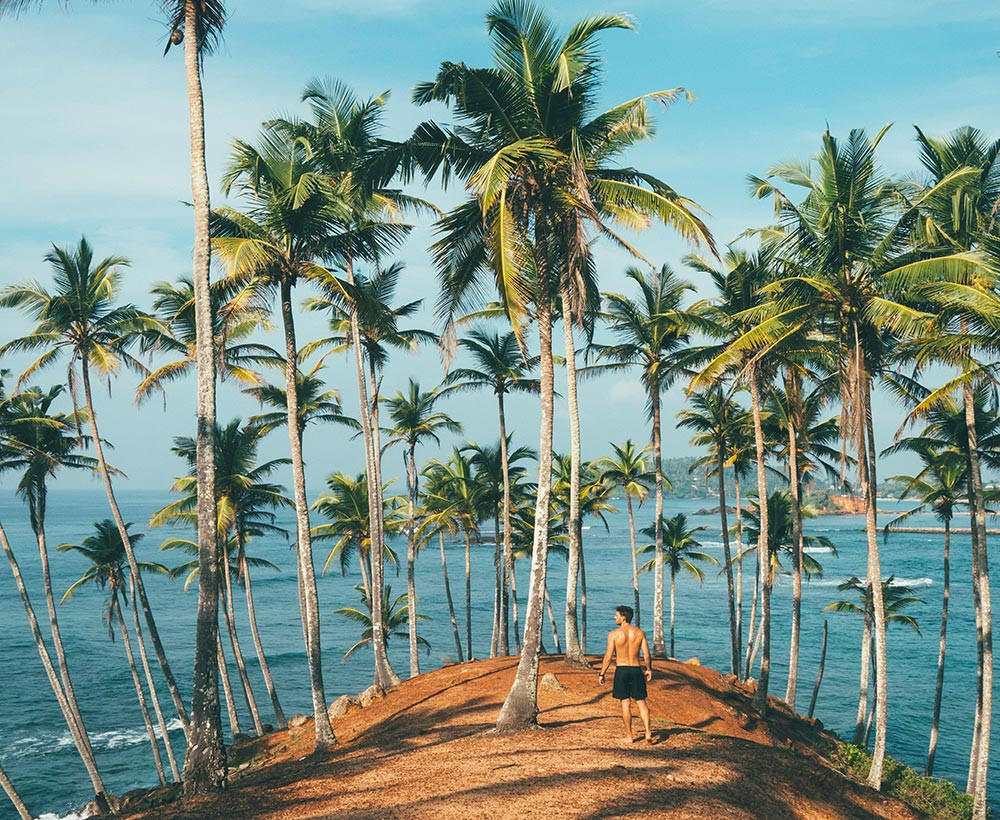
If you’re a digital nomad or a remote worker dreaming of palm-fringed beaches, a surfer’s paradise with laid-back island vibes and breathtaking sunsets, Sri Lanka’s south coast might be exactly what you’re looking for.
While Bali & Thailand have long been popular as digital nomad destinations, the island nation of Sri Lanka has become a hidden gem among the nomad communities.
A Digital Nomad Guide to Sri Lanka’s South Coast
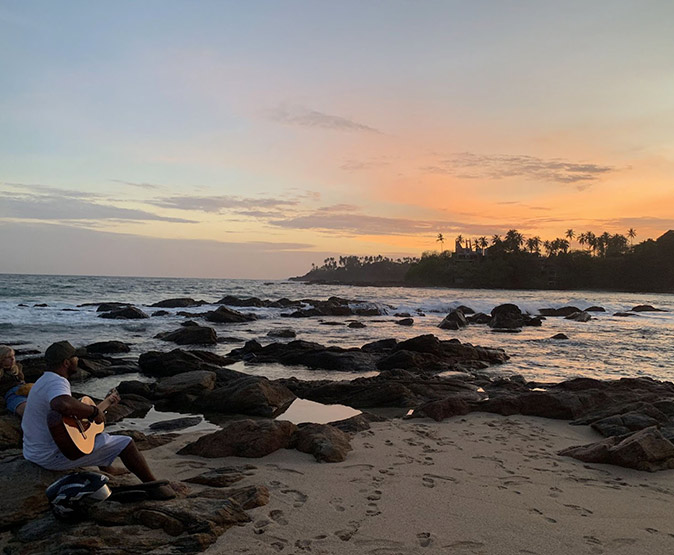
There is so much to like about Sri Lanka’s south coast as a nomad or remote worker:
- Sunny weather throughout the year.
- Beautiful golden sandy beaches.
- Beginner-friendly waves & epic surf breaks.
- Mountains and hills with lush tea gardens.
- Friendly locals and a growing community of nomads.
- Delicious vegan-friendly cuisine.
- Cozy bohemian style cafes & coworking spaces.
- Affordable rents & cost of living.
- Breathtaking nature & wildlife.
Something that truly stands out here in Sri Lanka is how the community, nature and culture weave together into a soulful & refreshingly authentic human experience. It’s a special feeling that is hard to explain.
As a local who grew up here, moved to Europe 15 years ago, explored the world as a digital nomad and then moved back home again, I’m writing this piece with a unique perspective.
So here’s my practical guide for digital nomads wanting to explore the lush south coast of Sri Lanka.
I’ll share with you where to stay, what to expect, and everything else you need to know before coming here with your laptop.
TL;DR: My Quick Tips for Digital Nomads in Southern Sri Lanka
If you don’t want to read the whole guide, here’s what really matters:
- Base yourself in Hiriketiya if you want surf, jungle, community, and a slower, more meaningful rhythm of life.
- Don’t rely on cafés alone for work. A proper coworking setup with strong wifi and backup power makes a huge difference.
- If you want an easy landing, stay in a coliving. I personally recommend Slow Life Coliving by Nomadico, which has strong internet, air-con coworking, private rooms, and a genuinely warm community. It’s one of the easiest ways to feel settled and productive quickly.
- Have realistic expectations. Internet is good in the right places, power cuts happen occasionally, and flexibility goes a long way.
Sri Lanka rewards those who slow down. If you’re craving balance, connection, nature, and delicious food, Sri Lanka is a truly special place to live and work.
Why the South Coast is Becoming a Digital Nomad Hotspot
Over the past few years, Sri Lanka’s south coast has become increasingly popular, especially among sun-seekers, surfers, and beach lovers.
Places like Hiriketiya, Weligama, Ahangama, & Arugam Bay have quietly grown into havens for nomads who want more than just good wifi.
There’s something magical about this part of Sri Lanka. It’s not just the turquoise waves or the coconut trees leaning toward the sea. It’s the raw, laid-back island rhythm that is meant to slow you down.
A Typical Day as a Digital Nomad on Sri Lanka’s South Coast
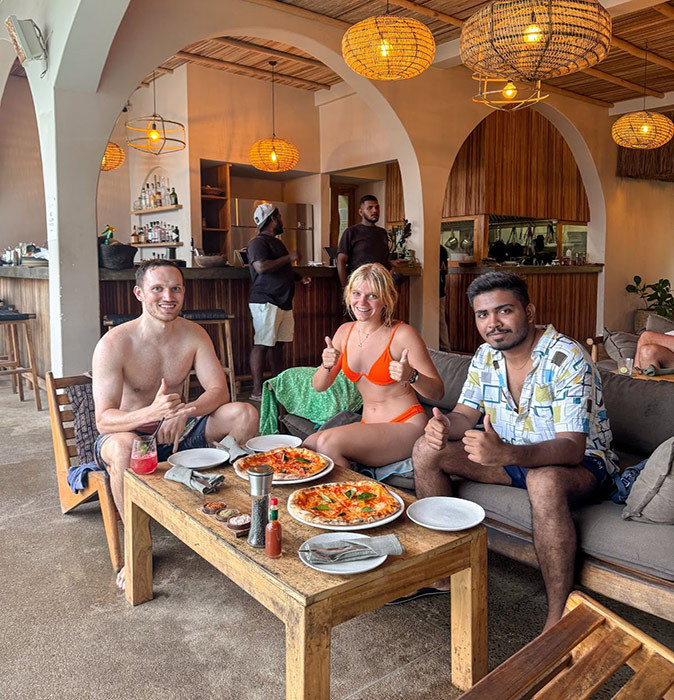
Can you imagine that your workday could look like this:
- Slow mornings that start with a sunrise surf session or a yoga class.
- Walking to a beachside cafe for a great coffee and a smoothie bowl.
- A deep work session at a cozy coworking space while networking with other nomads.
- An evening spent by the beach hanging out with your new friends.
- Jungle walks, secret beaches, and alleyway adventures.
- Sharing stories over dinner with a community at your coliving.
And after a productive week, your weekends can be even more exciting:
- Take a scooter ride to a nearby secluded beach.
- Snorkel with turtles and other spectacular marine life.
- Get an ayurvedic healing therapy & a massage.
- Go for a night out at an open-air, boho-chic jungle party.
- Go on an ethical safari and witness the beauty of Sri Lankan wildlife.
- Rent a kayak on a lagoon at sunset.
- Go camping on a beach with a bonfire and BBQ.
- Head to nearby towns to enjoy the cafe culture and local boutiques.
- Drive to a mountain town with awe-inspiring tea estates & hills.
And once you get used to this slower-paced life, you won’t want to go back.
Compared to Bali or Chiang Mai, Sri Lanka feels a little more raw, a little more real, and that’s exactly the charm.
Life here moves at a slower pace. You’ll find yourself tuning in, letting go, and getting into a flow that balances work and play.
Internet, Power & Staying Connected
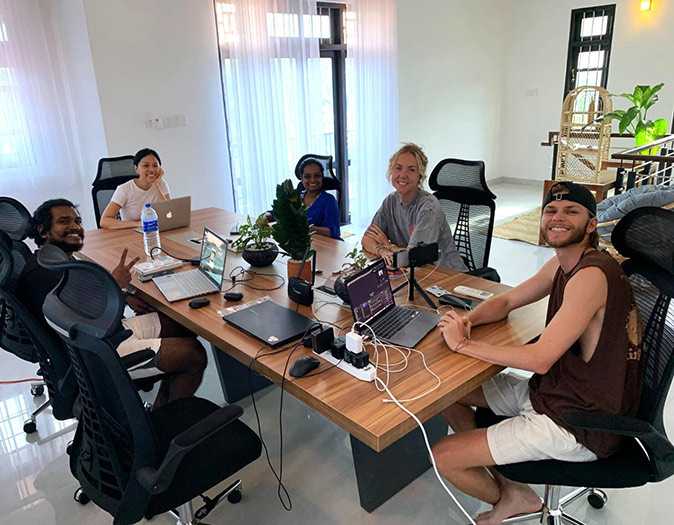
Yes, many digital nomads & remote workers work from here, but I want to be honest about the practicalities:
- Wifi & Fiber: Many colivings & coworking spaces now offer fiber optic high-speed internet strong enough for video calls and uploads. Cafés, however, are still catching up. Your best bet would be a cafe that is also promoting itself as a coworking space, as they will have better internet.
- Mobile Data: Dialog tends to have the best coverage along the coast. And they have a nice app to easily recharge/upgrade packages. Smart nomads keep a local SIM as a backup hotspot. You can buy one at the airport or in local shops called “Communications”. It’s much cheaper than a foreign e-SIM and often has better coverage.
- Power Cuts: Still a reality, unfortunately. Multiple-hour-long power cuts can happen once or twice a month. They are planned and announced by the electricity board usually days earlier. More spontaneous cuts are usually due to weather issues, but they don’t tend to last long. Some cafes and coworking spaces have a backup generator. And I’d recommend carrying a power bank, just in case.
Think of it this way: Sri Lanka makes you a bit more adaptable. And that’s part of the adventure.
The Best Areas to Base Yourself
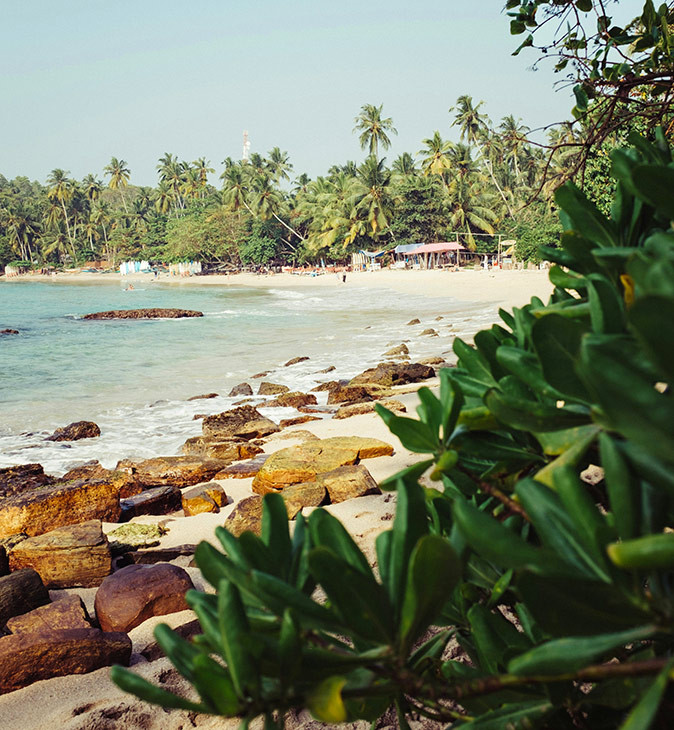
Each coastal town on the south coast has its own charm & personality. Here’s the short version of the towns I think are best for remote workers:
Hiriketiya
Vibe: Small surf village with jungle vibes. Calm & cozy.
Best For: Slow nomads, creators & entrepreneurs.
Things to Be Aware Of: It’s a smaller place that books up fast.
Weligama
Vibe: Big, busy surf town, touristy.
Best For: Beginner surfers, convenience seekers.
Things to Be Aware Of: Can be noisy & crowded.
Ahangama
Vibe: Surf & art, cute beachside cafes.
Best For: Chill nomads, mid-termers.
Things to Be Aware Of: Patchy wifi in cafes & small guesthouses.
Arugam Bay
Vibe: Rustic southeast coast, surf in off-season.
Best For: Wave chasers, off-grid feeling.
Things to Be Aware Of: Seasonal (June-October) and remote.
Hiriketiya is the soulful little bay with jungle, surf, cafés, and a growing community. Weligama is busier, with more coworking spaces and restaurants. Ahangama sits nicely in between: less chaos, plenty of charm. And Arugam Bay is perfect for a more off-grid feel and a surf-soaked chapter.
And the best part is you don’t have to stick to one location. It has become quite the trend lately for nomads to keep moving along the coast.
Also Read: The Best Places to Visit in Sri Lanka (And Places to Avoid)
Some prefer to stay in Ahangama or Weligama during the season (November to May), when it’s best for surfing and less rain is expected. From June to October, they move to Arugam Bay. Some who prefer an all-season destination, choose Hiriketiya to stay longer and visit the bigger towns on their days off.
Where to Stay & Work in Southern Sri Lanka
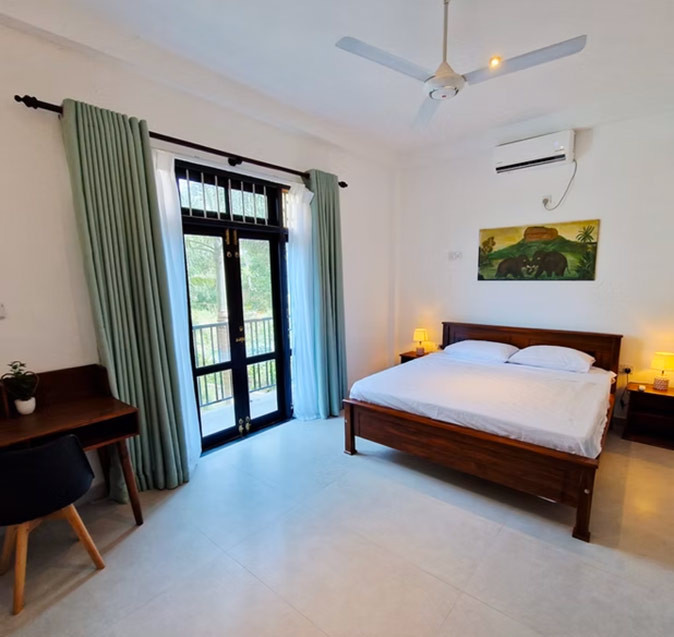
There’s no shortage of stays, but if you’re here for work and community, choose wisely.
Hiriketiya
Coliving & Coworking
- Slow Life Coliving by Nomadico: a soulful, community-driven coliving with ergonomic A/C coworking space, private rooms, and strong wifi.
- Chill Croc Coliving: a coliving hostel with a communal vibe, decent wifi & outdoor areas.
Coworking Cafes
- Dots Bay House: a social beach hub with café, yoga shala, events, and decent wifi for light work.
- BUNCH: a trendy café with smoothie bowls, strong coffee & garden seating.
- Charley’s Bunker Yard: a quirky, small coffee shack with good wifi.
Weligama
Coliving & Coworking
- Vagabond Collective: a boutique-style coliving with art-filled interiors, a nice community vibe, and fast wifi.
- Sapiens Home: a minimalist-modern coliving with peaceful design, kitchen access, and cowork-friendly setup.
- Sugar Hostel Coliving: a social hostel with 24/7 rooftop coworking lounge, fiber internet, and surf access.
- Outpost Weligama: a beachfront coworking & coliving with standing desks, café, and a pool.
- Spindrift Hostel & Coworking: a surf-leaning coliving with outdoor chill zones, comfortable desks, and more of a traveler/backpacker energy.
Coworking Cafes
- Nomad Cafe: a beautiful indoor-outdoor café with air-con, plants, stable wifi, and power outlets.
- Plan B: the fastest Wi-Fi in town (up to 500 Mbps), A/C workrooms, proper chairs & a digital nomad-friendly vibe.
Ahangama
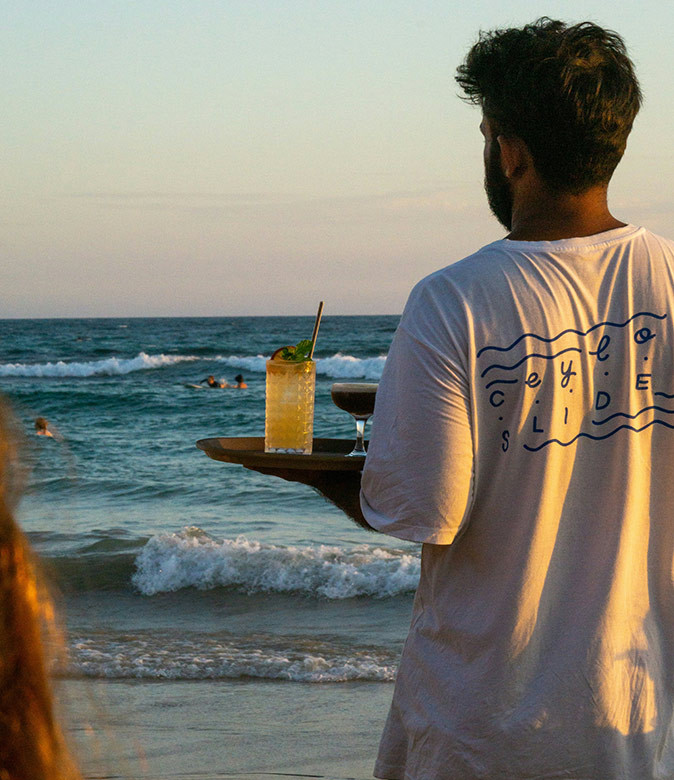
Coliving & Coworking
- NETS Cowork & Colive: 24/7 coworking access, A/C, rooftop café, private booths, and a small pool.
- Colive Ahangama: a stylish coliving villa with pool, high-speed wifi, and shaded coworking patio.
- Nomads Colive Koggala: a nature-immersed coliving space near the lake, with hammocks and decent workspaces.
Coworking Cafes
- Focus Hub: a professional coworking café with ergonomic chairs, call booths, and strong wifi.
- Cafe Ceylon: a lush garden café in a colonial villa with pool access, fiber wifi, and a mellow vibe.
Honourable Mentions
- Capybara Restaurant & Coworking: a garden restaurant with a dedicated coworking space and fast wifi, located close to Mirissa Beach.
- Second Home Coworking: a dedicated workspace with A/C, standing desks, fiber internet, and free coffee for members. Located in Mirissa.
The Cost of Living in Sri Lanka
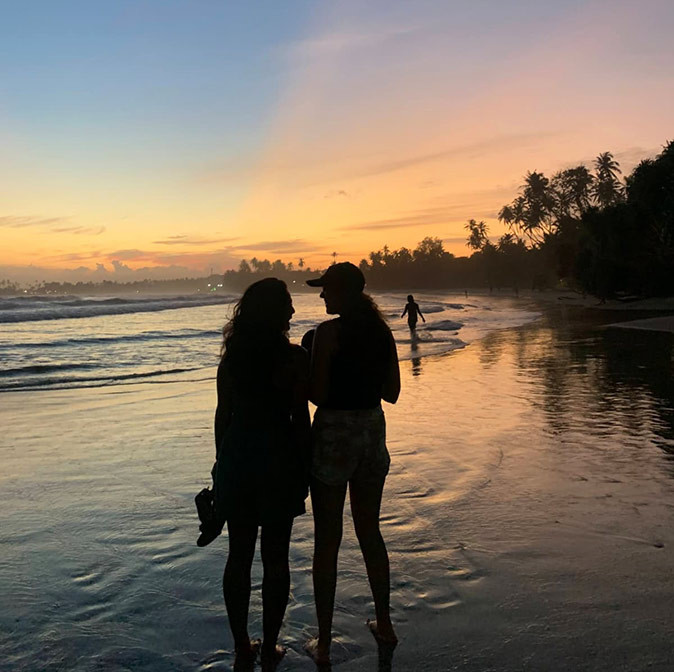
One of the joys of Sri Lanka is that you can live well even on quite a small budget.
Here’s a ballpark monthly budget for a solo digital nomad:
- Housing / Coliving: US$400–800 per month
- Food & Groceries: US$200–400
- Coworking / Workspace: $30–100
- Transport (scooter, tuk-tuks): $40–100
- Extras (surf, yoga, trips): $50–150
Total: US$800–1,400, depending on how fancy you go.
Transportation Options & Costs
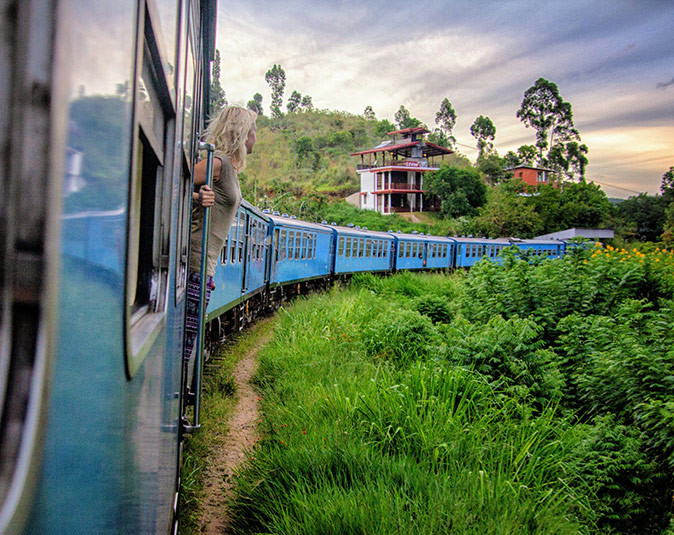
Getting around Sri Lanka is part of the adventure! Here are your transport options and their approximate costs:
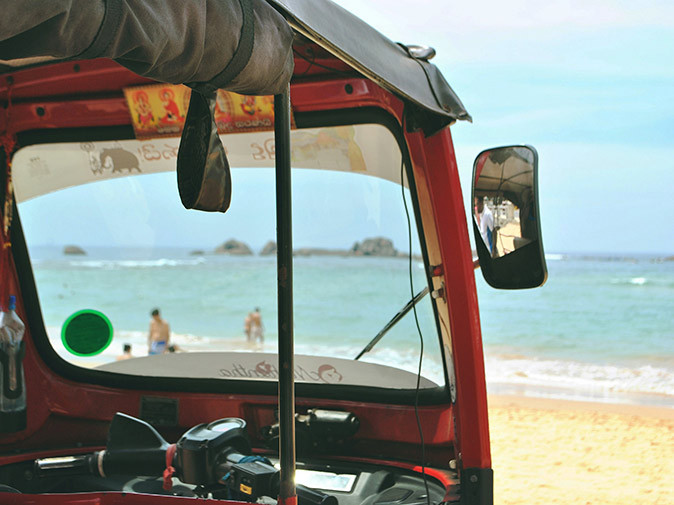
- Tuk-tuks: Ideal for short hops within cities. Negotiate the price beforehand, and expect to pay around $1- $3 for a short ride.
- Buses: The most affordable way to travel between cities. Fares are incredibly cheap, a few dollars for a several-hour journey. However, they can be crowded and time-consuming. Bus travel times can vary.
- Trains: Trains are scenic and relatively inexpensive for intercity travel, especially the train journeys through the hill country. Sri Lankan train travel is an experience in itself.
Also Read: Driving in Sri Lanka – What You Need to Know About Renting a Car
Food and Meals in Sri Lanka
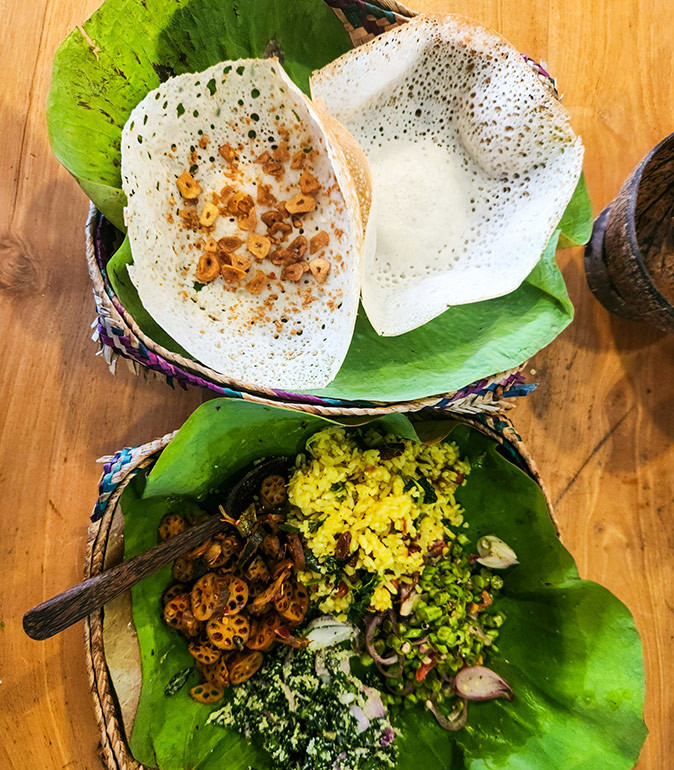
Sri Lankan cuisine is a delicious and affordable highlight!
- Local Eateries (Roti shops, Rice & Curry stalls): You can eat incredibly well for $2–$5 per meal at local spots. Rice and curry, kottu roti, and string hoppers are must-tries.
- Mid-range Restaurants: Expect to pay $5 – $15 per person for a meal at a tourist-friendly restaurant.
- Groceries: Cooking at home can be a good way to save some money. Groceries are generally affordable, especially local produce. Expect to spend around $100 – $200 per month on groceries if you cook regularly. Grocery prices in Sri Lanka are generally lower than in Western countries.
Things To Do in Sri Lanka When You’re Not Working
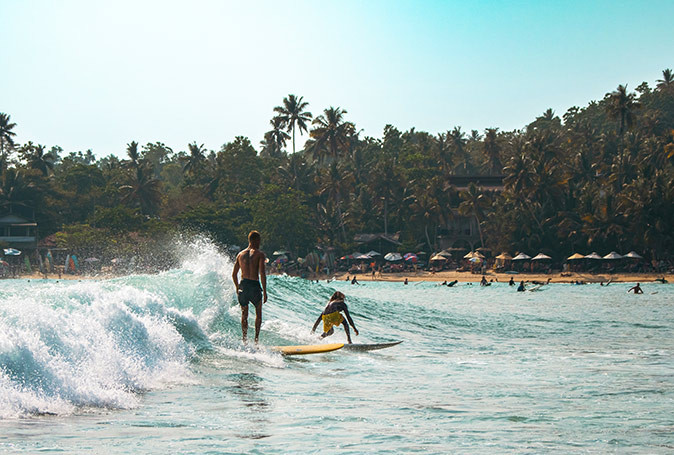
- Surf world-class breaks (from beginner waves in Weligama to point breaks near Ahangama).
- Yoga & wellness retreats in jungle shalas.
- Culture & Nature: Definitely visit Galle Fort, go on a safari, and plan a day trip to the tea country.
- Enjoy the international community: Shared dinners, open coworking days, beach bar meetups. You’ll find it easy to meet like-minded people in Southern Sri Lanka, especially if you stay at a coliving space.
- Simple joys: admire the sunset from Coconut Tree Hill, sip king coconuts, and spot turtles or monkeys.
Final Thoughts About Working Remotely from Southern Sri Lanka
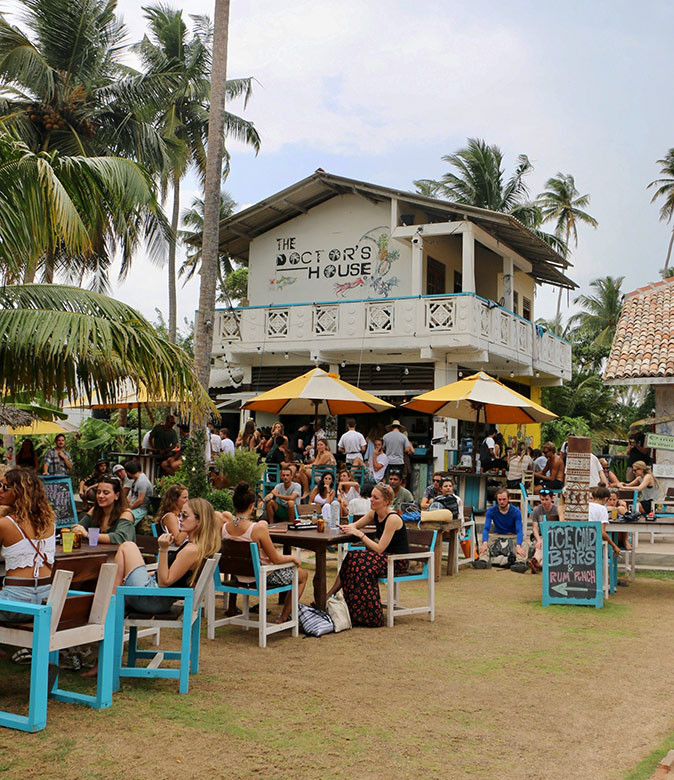
Sri Lanka’s south coast isn’t polished like Bali or Chiang Mai, and that’s the beauty of it. Life here has texture and a beautiful rawness to it.
The wifi may not always be perfect, the tuk-tuk rides are a little bumpy, and the horns are noisy. But it’s a place that will slow you down, help you reflect, reconnect with yourself and nature, and help you build genuine relationships that will last a lifetime.
The life you discover here will carve a new person out of you, and you will never be the same again. You are warned!
I hope to see you in Sri Lanka!
Also Read:
- The Best Places to Visit in Sri Lanka and Places Not to Visit
- What It’s Like to Move to and Live in Colombo
- Renting a Car in Sri Lanka – What You Need to Know
- Where to Stay in Bentota
- An Overview of Articles for Digital Nomads & Remote Workers
This blog contains affiliate links. I may receive a commission for purchases made through these links, at no additional cost to you.