
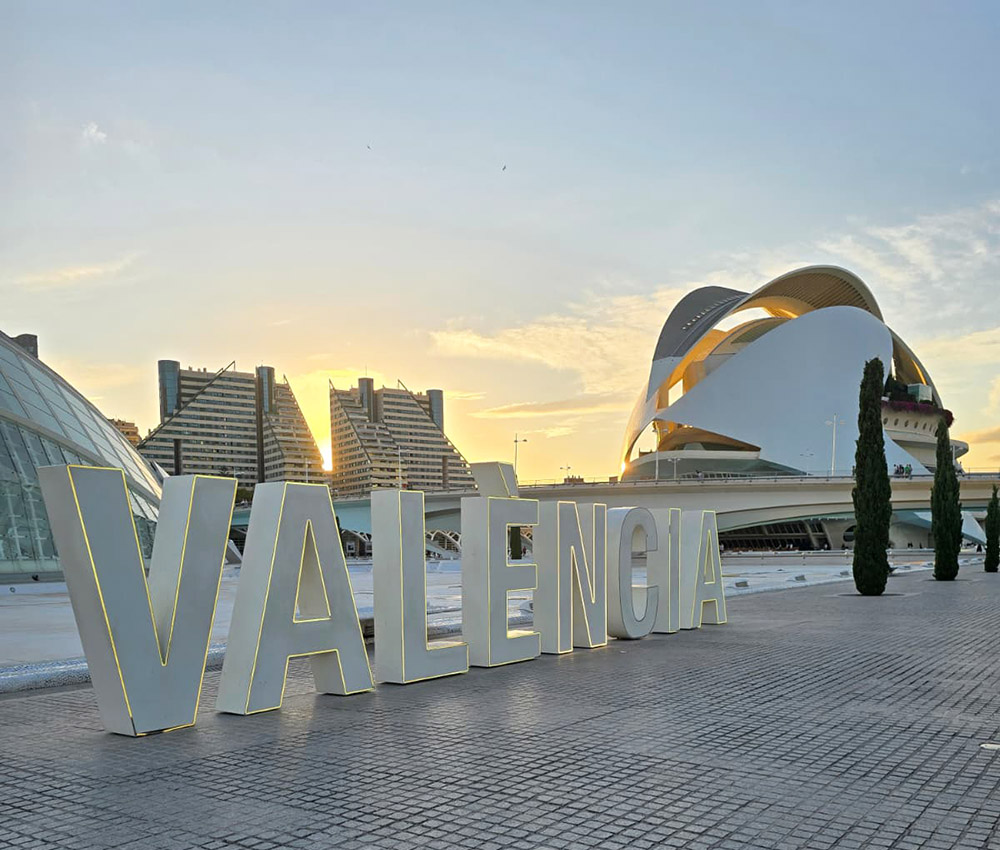
Yes, I think Valencia is one of the best cities in Europe for digital nomads and remote workers who care more about quality of life than big-city excitement. You get a walkable city, good weather for much of the year, the beach, nice green spaces, good internet, a large international community and a fairly relaxed way of life.
But I wouldn’t say Valencia is perfect. It isn’t.
Housing has become considerably more expensive since I first arrived, summers can be brutally hot and humid, some apartments are incredibly noisy, and the city is definitely more crowded and international than it was a few years ago.
I first came to Valencia in 2017, when I rented a room for three months so I could work remotely and enjoy Spain for a few months. I didn’t know then that I’d keep coming back. I’ve lived in Valencia on and off ever since, in different neighborhoods and at different stages of my life.
I’ve lived in Ruzafa, later in El Carmen, and I now live with my boyfriend in El Grau, where we finally signed a long-term rental contract even though we’re not in Valencia all the time.
So I’ve seen quite a lot of change.
When I first came to Valencia, there was a small community of people working remotely. Today, you’ll see laptops everywhere. There are more coworking spaces, more international restaurants, more social groups and a much bigger expat and digital nomad community.
But there are also higher rents, more tourism, and some of the little things that used to make Valencia particularly easy for remote workers have disappeared.
So if you’re considering spending a few months here, or even making Valencia your longer-term base, here’s what I think you should know.
Valencia for Digital Nomads at a Glance
| Category | My take |
|---|---|
| Cost of living | 🟡 Moderate: still reasonable for Western Europe, but Valencia isn’t cheap anymore |
| Walkability | 🟢 Excellent: especially in the central neighborhoods |
| Remote work | 🟢 Excellent: good internet, cafés and plenty of coworking options |
| Digital nomad community | 🟢 Excellent: there is a large international community |
| Weather | 🟢 Great for much of the year; 🔴 very hot and humid in summer |
| Beach access | 🟢 Good: a bit of a commute if you choose to live in the center |
| Safety | 🟢 Very good: I regularly walk home alone at night |
| Public transport | 🟢 Good during the day, limited at night |
| Cycling | 🟢 Excellent: the city is flat and has an extensive cycling network |
| Car needed? | 🟢 Not for everyday life; useful for exploring outside Valencia |
| Spanish needed? | 🟡 Not essential for a short stay, but very useful if you’re staying long term |
| Best for | People who want a good quality of life, beach, city life and a slower pace |
| Biggest downsides | Rising housing costs, summer heat, noise and increasing crowds |
Who is Valencia a Good Fit For?
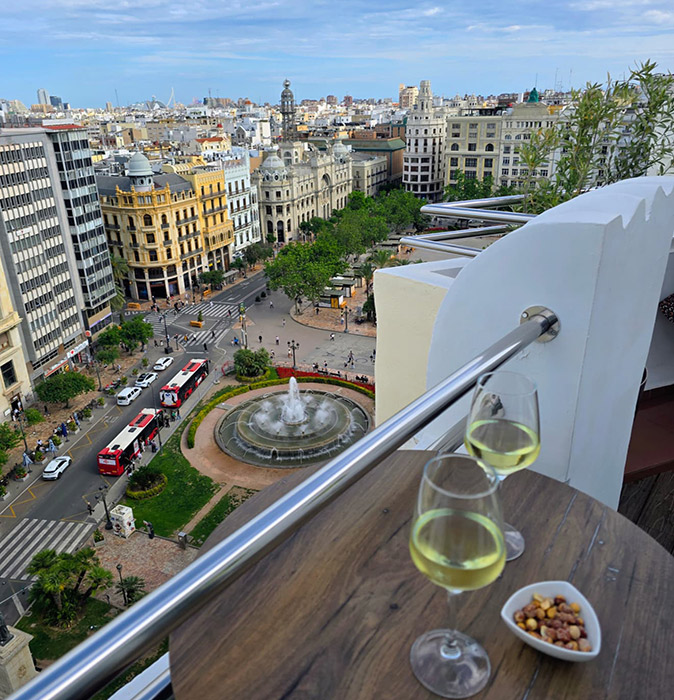
I think Valencia works particularly well if you like a fairly relaxed lifestyle.
If you enjoy walking to get coffee, having lunch with friends, spending time outside, going to the beach, working from a neighborhood café, and meeting people for casual drinks or dinner rather than going out clubbing every night or having the best museums, concerts, etc. right on your doorstep, you’ll probably like it here.
It’s also a good city for people who don’t want to spend their lives in a car. When I lived in Ruzafa and later El Carmen, I walked pretty much everywhere. I only really used the metro to get to the airport or the beach.
Now that I live in El Grau, I use the metro more often, but I still walk whenever I can.
On the other hand, I don’t think Valencia is the right choice for everyone.
If you want the energy of a huge capital city, a massive startup ecosystem or mountains immediately outside your door, you’ll find Valencia less ideal. And if your main reason for choosing Valencia is that you’ve heard it’s incredibly cheap, you may be disappointed.
What Does it Cost to Live in Valencia?
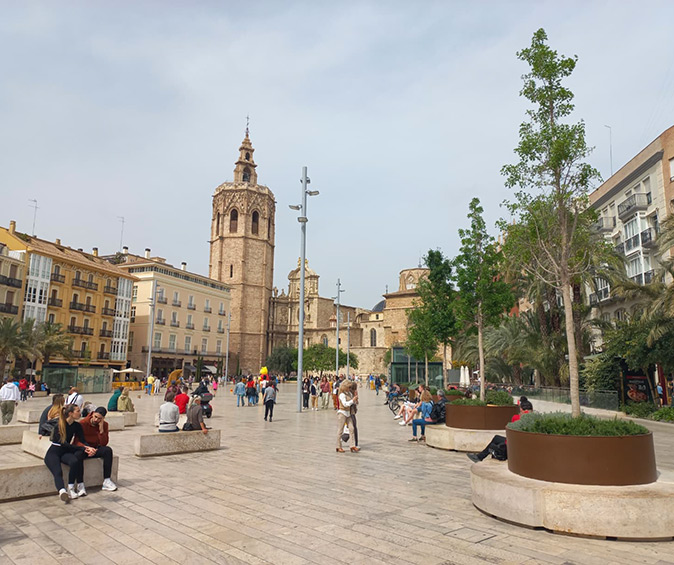
This is probably the biggest change I’ve seen since I first arrived.
I remember saying in 2017 and 2018 how great it was that in Valencia you could basically live on any budget. It was completely acceptable to sit in a cafe for hours while just ordering one cup of coffee or a glass of wine for 2 Euros (if that was all you could spend), and there seemed to be an endless number of free events to join.
Nowadays, not only have prices gone up, but more and more restaurants are setting time limits and more events are charging entrance fees.
But, does that mean Valencia is expensive now? Well, that really depends on what you find expensive.
It’s still relatively affordable compared with many Western European cities, but housing has become much more expensive. According to Idealista.com, which is the main property platform in Spain, the average asking rent in Valencia city reached €16.70 per square meter in June 2026, up 7.2% from the previous year.
And prices have gone up with even higher percentages in the years before.
For example, around seven years ago I rented a really nice two-bedroom, two-bathroom apartment in Ruzafa for €750 per month. These days, you’d be lucky to find a similar apartment there for less than €1,400.
Rough Housing Costs in Valencia
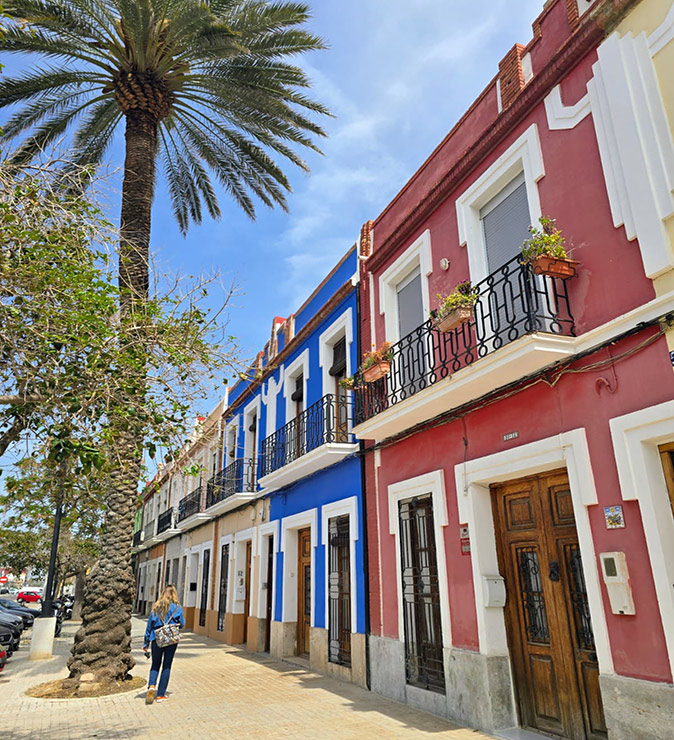
Obviously, prices depend heavily on the neighborhood, size and length of the rental contract, but as a rough guide I’d currently (2026) budget around:
- €500–€700 + bills for a room in a centrally located shared apartment
- €900–€1,100 for a studio apartment
- €1,000–€1,400 for a one-bedroom apartment
If you’re only renting for one to three months, expect to pay more. Medium-term rentals can be a good alternative to Airbnb. Check out Uniplaces to see what’s available. And you can use code UA25SPENDLIFE for a 25% discount on the service fee.
Renting a room is also much more common than some people assume. It’s not just something students or people in their twenties do. Plenty of people in their 30s, 40s and beyond rent a room.
Coliving is another option, with several coliving spaces in different parts of the city. Generally, prices fall somewhere between renting a room and having your own apartment.
Also Read: Coliving in Spain – The Pros, Cons & More
How Much Money Do You Need to Live Comfortably in Valencia?
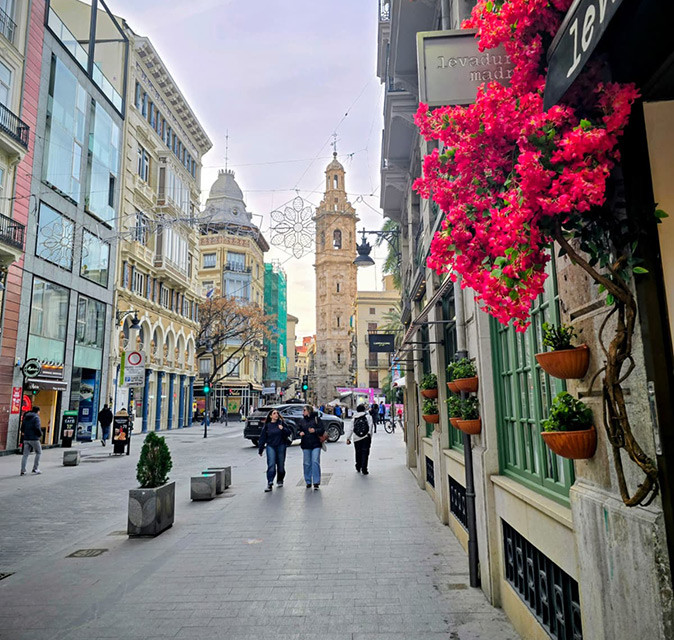
This obviously depends on your lifestyle, but I’d say if you’re sharing accommodation you can live comfortably in Valencia on around €2,000 per month. That doesn’t include any travel budget or costs for insurances and other expenses you may have outside of Valencia.
If you want to live alone, I’d add at least another €500.
My boyfriend and I currently pay €1,250 per month for a small two-bedroom apartment in El Grau, plus around €200 for water, electricity and internet.
So yes, Valencia is still affordable compared with many cities. I just wouldn’t move here expecting it to be the bargain it was ten years ago.
Where Do Digital Nomads Live in Valencia?
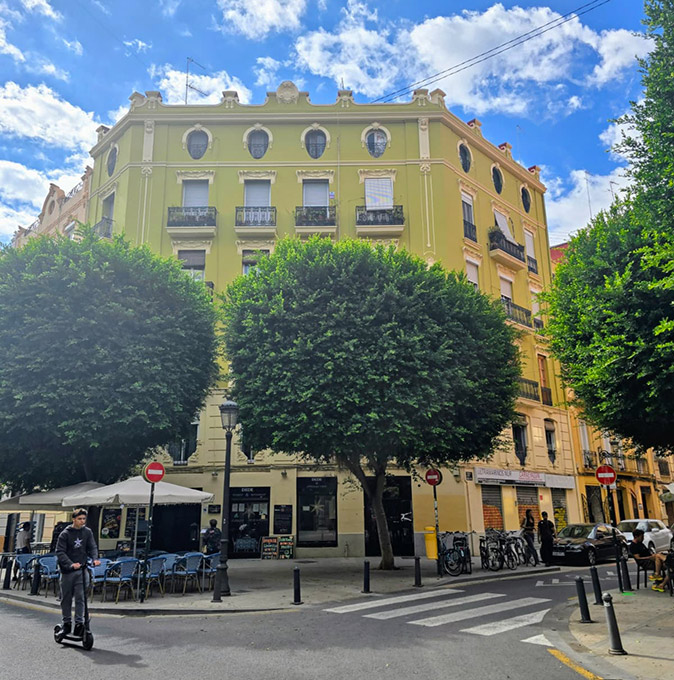
Let me start by saying that Valencia isn’t a massive city (even though it’s Spain’s third largest city). As long as you choose an area that is connected by metro or has regular buses, you’ll be able to go anywhere in Valencia relatively easily.
That being said, there are definitely popular digital nomad areas, and when I first came to Valencia I really loved being close to everything, walking or cycling home easily, instead of having to travel back to a further away neighborhood.
These are the most popular digital nomad areas:
1. Ruzafa
If you want cafés, restaurants, nightlife and lots of other international residents around you, Ruzafa is an obvious choice.
It’s central and very walkable, and it has a huge concentration of places to eat and drink.
It’s also where I first got involved with Valencia’s remote-working community, so I have a soft spot for the neighborhood.
The downside is that it has become expensive and it can be noisy.
2. El Carmen
El Carmen is the historic center, so if old buildings, narrow streets, and being in the middle of Valencia’s nightlife appeal to you, it’s a fun place to live.
I lived here after Ruzafa because I thought it would be nice to experience living right in the center. I’ve never had worse sleep anywhere! I thought I picked a quiet street but forgot that when people walk home from the busy city squares after a night out, they’ll walk through the quieter streets too… often while talking loudly, no matter what time of night.
But, El Carmen is a beautiful part of the city, and it’s nice to be so close to everything, from bars and restaurants to museums, shops and everything else you may need.
Personally, I’d recommend El Carmen more to tourists and probably choose Ruzafa for a longer stay.
3. El Cabanyal
Cabanyal is a good option if you want to be closer to the beach without completely giving up the city.
This neighborhood has changed a lot over the years and has become increasingly popular with international residents.
You’ll find plenty of nice cafés, restaurants and a more residential feel. Living in Cabanyal almost feels like you’re living in a coastal town instead of in a city.
I chose to live in El Grau now, which is right next to Cabanyal. As an area, El Grau isn’t very interesting, but I can walk to El Cabanyal and the beach easily, and I’m right next to the metro which takes me to the city center in less than 10 minutes.
4. Other Neighborhoods
Don’t feel that you have to choose one of the “digital nomad neighborhoods”.
There are plenty of other areas that can work well, particularly if you want to be somewhere a little more residential or need to keep your rent down.
I have written a more detailed guide about where to live in Valencia if you want to compare the different neighborhoods.
What’s It Really Like to Work Remotely From Valencia?

The infrastructure for remote work (internet, cafés, coworking spaces, events) has really improved in the last few years.
Café wifi isn’t always perfect, so I wouldn’t plan my most internet-heavy tasks in a café, but wifi at home and in coworking spaces is good.
The one negative change I did notice is the attitude toward laptops in cafés.
When I first came to Valencia, nobody really cared if you sat in a café working for a few hours.
Nowadays there are so many digital nomads and remote workers that some cafés have started limiting where you can use a laptop. Some don’t allow laptops at all.
I understand why. If someone occupies a table for three hours while buying one coffee, that’s not particularly good business for a café.
But, there are still plenty of places where you can work (and I of course encourage you to buy more than just a coffee if you’re spending hours in a café).
Cafés Where I Like to Work
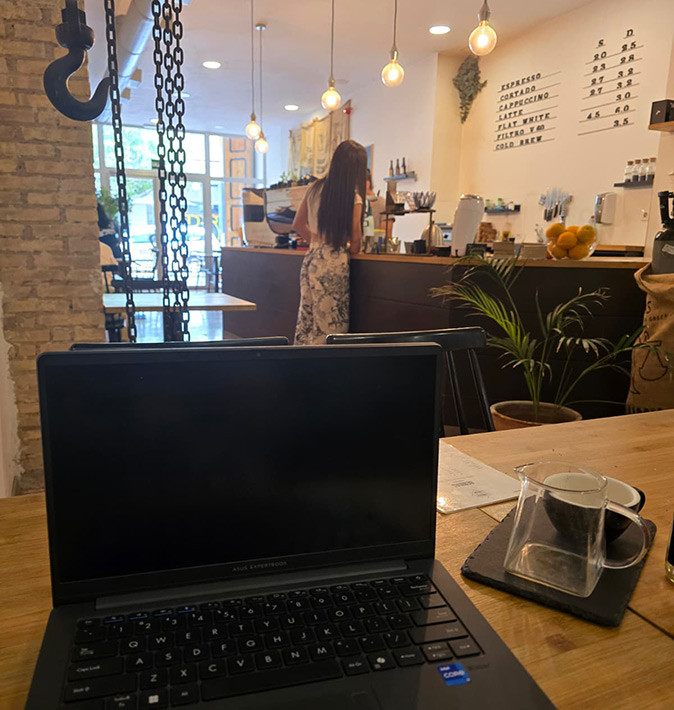
Some of the places I like to work from:
- ArtySana: I lived practically next door so this used to be my go-to place. Delicious vegetarian food and friendly staff. They have a location in Ruzafa and one in Cabanyal.
- Ubik: a nice, quirky café in Ruzafa.
- Bastard Coffee & Kitchen: good coffee and food and a popular place to work.
- Flying Bean: great coffee and staff. They limit where you can sit with a laptop, but they also have a proper coworking space next door if you need somewhere more work-focused.
- Liaopastel: my fallback option. It’s not the most exciting café in the world, but they have locations all over Valencia and they’re generally spacious enough that finding a table isn’t difficult.
- La Más Bonita and Dulce de Leche: I used to love working from these cafes and combining it with a nice brunch or some delicious pastry. But, they’ve become so popular that they are often too crowded, and some locations limit laptop use.
My Secret Trick: Work From Hotel Cafés
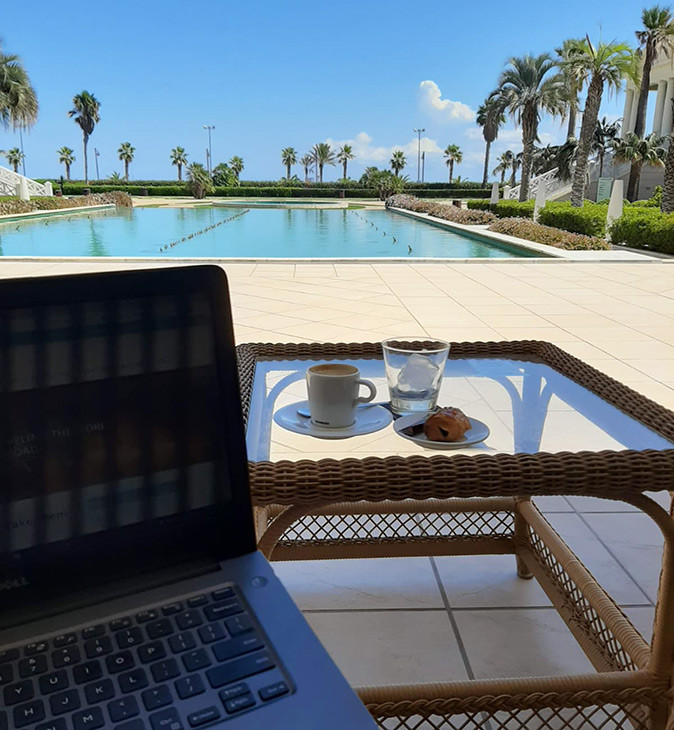
In my opinion, hotel cafés are an underrated option for remote workers.
One I particularly like is Hotel Las Arenas. The coffee is expensive, but it’s a lovely place to sit, it’s almost always quiet, and you’re not going to feel strange opening your laptop there.
Coworking Spaces in Valencia
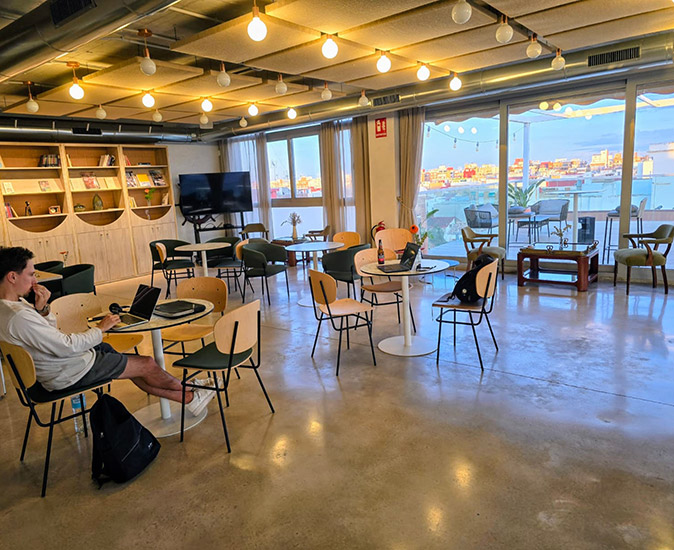
If you want a proper workspace, Valencia has plenty of coworking spaces.
Wayco is one of the best-known options, and other spaces worth looking at include Vortex and Garage Coworking Valencia.
From time to time these coworking spaces also host events, which are a nice way to meet other remote workers.
If you want a free place to work, libraries are a good option. Especially the library in the center, which is a beautiful building!
Is There a Digital Nomad Community in Valencia?
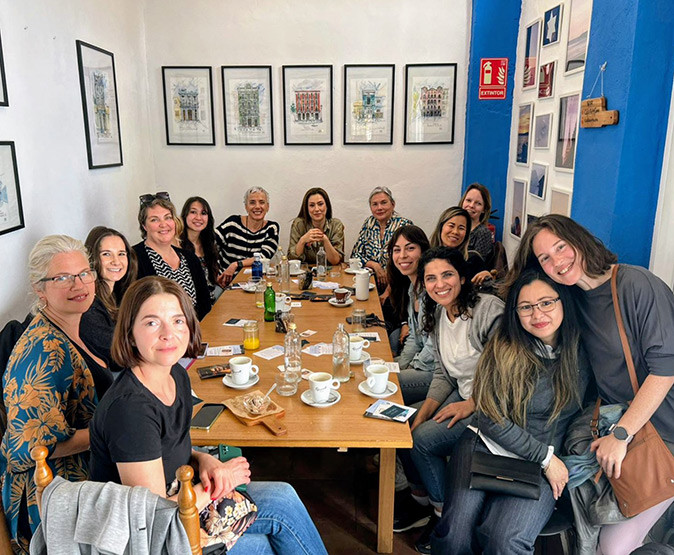
Yes. And it’s much bigger than it was when I arrived in 2017.
There are now Facebook groups, Meetup groups, coworking spaces, WhatsApp groups, language exchanges, and all sorts of events aimed at international residents.
You can find everything from drinks and dinners to hiking groups and sports meetups.
A few groups focus specifically on digital nomads, but there are plenty of groups and events in English attracting a wider international crowd.
Is it Easy to Make Friends?
Well, it’s definitely easy to meet people.
When I first arrived, I joined a group of remote workers that met regularly and I quickly started seeing the same people. That made a huge difference. Within a few weeks, I had a social life and people I could call when I wanted to go for a drink or dinner.
These days there are probably more opportunities than ever.
The problem is that there are so many events that you can also end up constantly meeting new people without ever seeing them again.
So if you’re moving here, I’d recommend finding one or two things you genuinely enjoy and going regularly. A weekly sports group, a weekly language exchange, or a coworking community will probably do more for you than attending a different event every night.
Making Local Friends is Different
This is something I think is worth being honest about.
Most of the people I know in Valencia are international. They are people from all over the world, including Spanish-speaking expats. But I’ve found it much harder to make close friendships with Valencians.
That doesn’t mean you can’t. Of course you can.
But a complaint many expats have in Valencia is that it isn’t easy.
What is Everyday Life Like in Valencia?
This is the part of living in Valencia that I probably appreciate most.
It’s easy and fairly relaxed.
Not everything is easy, obviously. Spanish bureaucracy can test anyone’s patience. But day-to-day life is relatively uncomplicated.
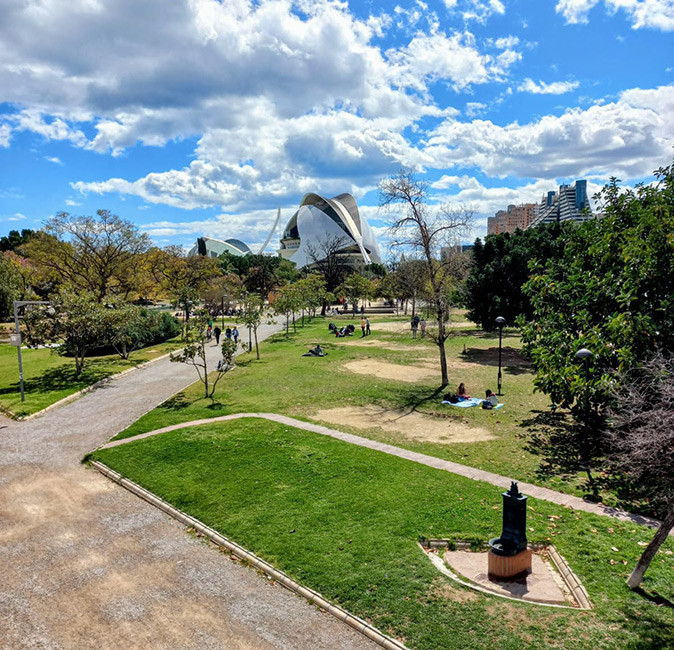
You can walk to a café, pick up groceries, go for a run through the Turia Park, meet a friend for lunch and go to the beach without spending your entire day getting from A to B.
Do You Need a Car?
No.
At least not for everyday life.
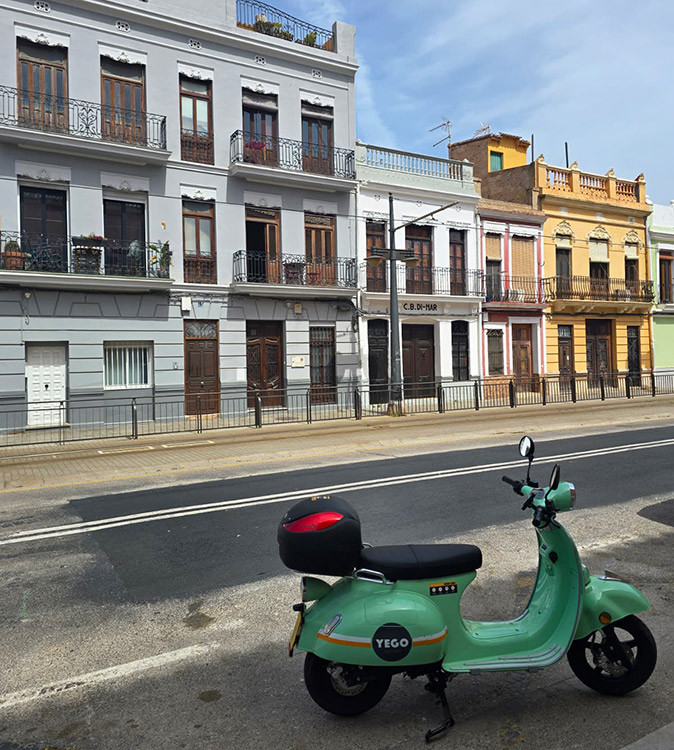
If you choose to live in a central neighborhood such as Ruzafa or El Carmen you’ll probably end up walking almost everywhere.
And if you choose to live a little further away, cycling, the metro and buses are all good options to get around.
The metro is generally reliable. Buses are useful when the metro doesn’t go where you need to go, but they can get stuck in traffic and aren’t something I’d rely on during rush hour if I’m in a hurry.
Also Read: Tips for Using the Metro in Valencia
I briefly lived in Port Saplaya (on a sailboat, but that’s a whole different story), and because public transport is very limited there I used to drive into Valencia regularly. What a nightmare! Finding parking is difficult in most parts of the city, and traffic can get chaotic at times.
So I wouldn’t recommend using a car to get around the city (nobody I know does that). A car is great though for exploring the surrounding areas.
If you need to get somewhere quickly in Valencia and public transport isn’t convenient, get an Uber/Cabify.
What About Cycling?
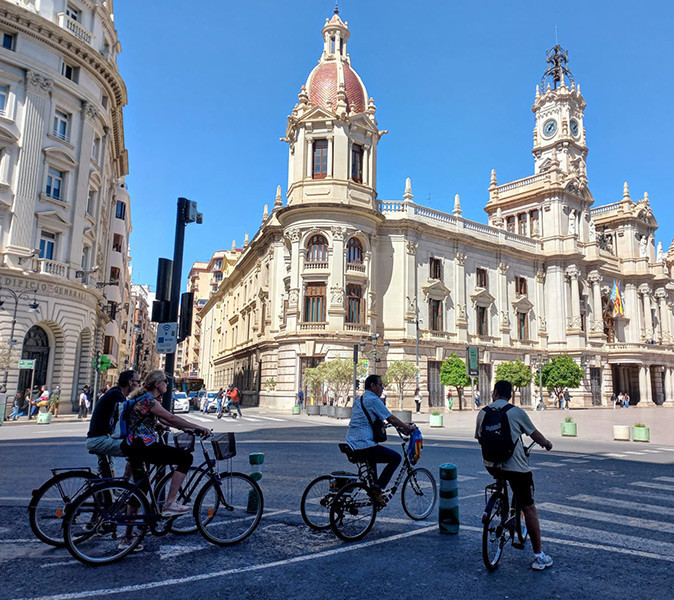
Valencia is very flat and nowadays has plenty of cycling lanes, which makes cycling easy.
Valenbisi, the city’s bike-sharing system, is a good way to get around and the annual memberships are very cheap. My main complaint is that the bikes are heavy. They’re not particularly pleasant to ride for longer distances.
Buying your own (second-hand) bicycle or renting one for the duration of your stay is an option, but bicycle theft is a real problem. Just like many of my friends in Valencia I don’t have anywhere indoors to store a bike, and leaving it outside overnight isn’t really a safe option.
Kleta bike rental is quite popular for monthly rentals because they cover theft.
There are also bicycle parking facilities around the city, so if you live near one, buying a cheap bike and storing it there at night could make sense.
Can You Walk Everywhere?
In central Valencia, pretty much.
That’s one of my favorite things about living here.
The city is large enough that you have everything you need, but compact enough that you don’t necessarily feel like you live in a large city.
And then there’s the Turia Park running through it, which gives you a huge green corridor right in the middle of the city.
But, the beach is quite far from the city center and would take you well over an hour to walk to. So that’s when public transport or a bicycle becomes quite handy.
Is Valencia Safe?
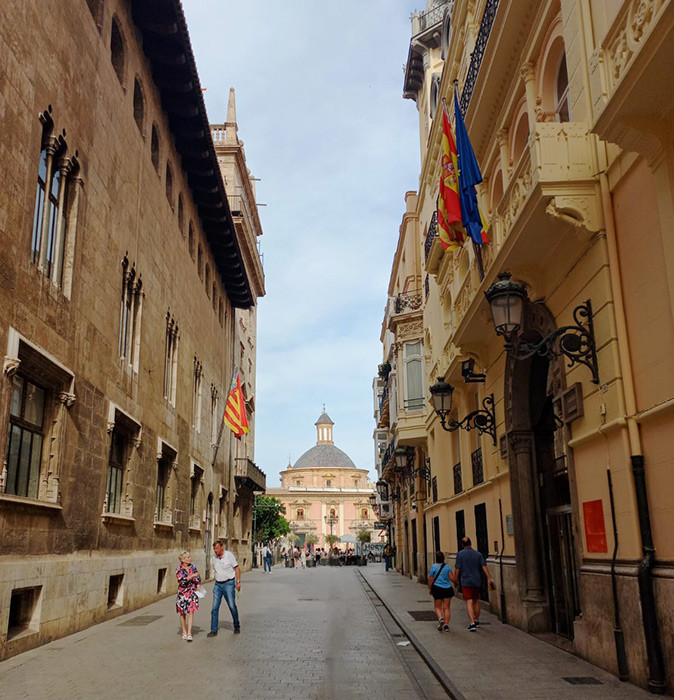
I feel very safe in Valencia.
I regularly walk home alone at night and I’m also comfortable taking the metro or bus at night.
Of course, this is still a city and normal precautions make sense. Pickpocketing happens, and bicycle theft is a much bigger concern for me personally than walking home after dark.
But if you’re a solo female traveler or remote worker wondering whether you’ll feel comfortable getting around Valencia alone, safety isn’t something that would put me off living here.
What’s the Weather Really Like in Valencia?
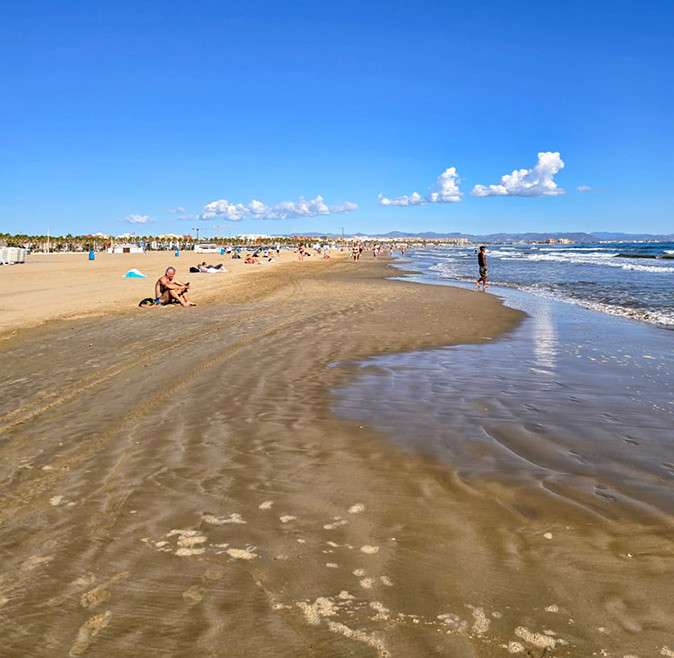
I’m sure you’ve heard about the flooding and wildfires around Valencia. So let me be honest about the weather here, and not just talk about the “more than 300 days of sunshine” you’ll read in travel guides.
Yes, for most of the year, the weather in Valencia is really nice and waking up to a blue sky almost every day is great.
But, summer can be hard, and winter isn’t always great either.
July and August can be very hot and humid. And it’s the humidity combined with a very built-up city that can make the heat feel unbearable. Even at night, when the sun finally sets, the heat lingers.
There are days when I simply don’t want to leave the house (because thankfully I have air conditioning, unlike several of my friends).
The combination of heat and humidity can make walking around the city, cycling, or doing anything outdoors feel like hard work.
This is one reason why I now try to leave Valencia for at least part of July and August.
And then there’s winter. Sure, it doesn’t get very cold in Valencia. But this time it’s the humidity combined with poor insulation and small windows letting in very little daylight that make houses feel really cold.
People in this part of Spain often joke that we go outside in winter to warm up, or that we put on our coats when we enter the house instead of when we leave it. And it’s true, on a sunny winter’s day, it can be warm enough to sit outside on a terrace in the afternoon, but somehow that humid cold stays in the houses.
Central heating isn’t very common, and many Valencians will use layers of clothing and blankets before they switch on any heater. So if you’re coming to Valencia in January or February and you like a cozy home, be ready to spend some money on extra space heaters and a slightly higher electricity bill.
My Favorite Time of Year in Valencia
Spring is my favorite.
It’s warm, but not unbearably hot yet. You can spend the whole day outside without feeling like you’re melting, and the city has a really nice energy.
Autumn is also lovely, although it can get rainy in October and November.
Things I Wish I’d Known Before Living in Valencia
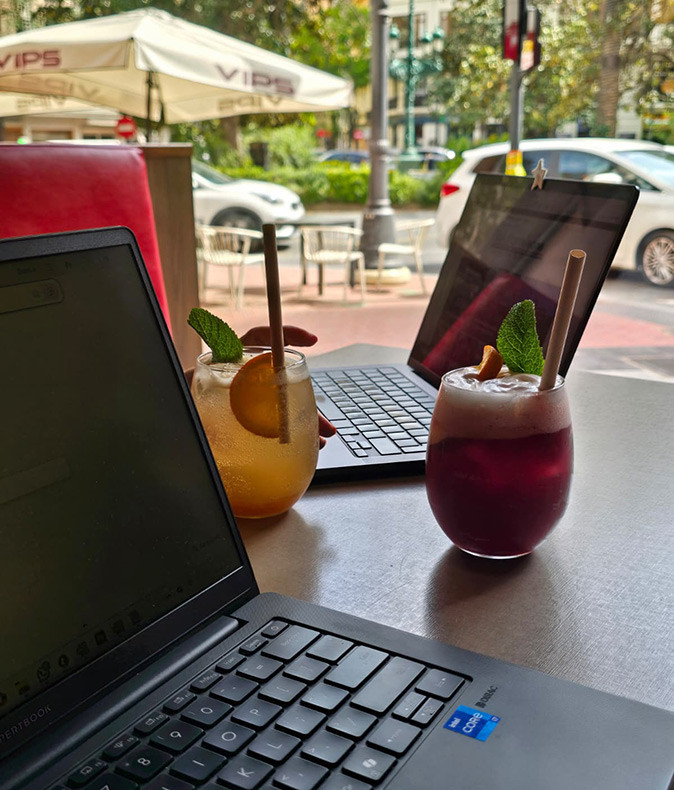
Some of these aren’t things that would stop me from moving here. They’re simply things that would have been useful to know beforehand.
1. Apartments Can Be Very Noisy
This is probably one of the biggest ones.
Apartment living in Valencia can mean hearing your neighbors.
You’ll likely be able to hear a neighbor’s TV through the wall. If they’re having a party, you’ll know about it. If they are ill and coughing all night, you’ll hear it.
So, if you’re sensitive to noise, don’t choose an apartment purely because it looks great and the rent is reasonable. Visit the building at different times of day if you can, and pay attention to what’s around it.
A beautiful apartment near a busy bar can become a lot less beautiful when you’re trying to sleep.
2. You can Survive Without Spanish, But I’d Still Learn It
If you’re coming to Valencia for a few months, you can get by without speaking Spanish.
Valencia has a large international community, more and more hospitality staff speak English, and there’s always Google Translate.
But if you’re planning to stay longer, learning Spanish will make your life much easier.
Not just for bureaucracy and practical things, but because it lets you move beyond the international bubble.
3. The Cost of Living in Valencia Keeps Rising
As I mentioned before, Valencia has changed a lot since I first came here, and prices have gone up a lot.
And they keep going up.
It’s not just housing either. I’ve also noticed a significant increase in the cost of groceries, as well as what you pay for drinks and meals out.
For now, public transport and entrance to museums have stayed remarkably affordable, and there are still plenty of free events around the city throughout the year.
But I do wonder what the city will look like 5 or 10 years from now. Simple neighborhood cafes are replaced by trendy bars, and tons of ground-floor real estate is turned into Airbnbs or mid-term rentals.
4. Siesta Isn’t Quite What You Imagine
You may have heard that Spain shuts down every afternoon for several hours.
It’s not really like that anymore in a city like Valencia.
But, yes, that one shop you planned to go to during your lunch break may be closed. So do double-check before you go anywhere around siesta time!
And, many businesses, including supermarkets, are closed on Sundays.
Lastly, remember to check public holidays. There are enough of them that you’ll eventually turn up somewhere and wonder why the doors are locked.
5. Enjoying the Countryside Isn’t as Easy as You Might Expect
Valencia is surrounded by some beautiful countryside (hiking areas, rivers, lakes, and cute towns), but the best places aren’t necessarily easy to get to by public transport.
If getting out into nature is important to you, you might want to rent a car from time to time or join a local group. People often organize trips and share cars.
Check on Meetup.com and Facebook Groups to find these outdoor events and groups.
What Do Digital Nomads Do on Weekends?
Plenty of different things!
A Saturday or Sunday can be as lazy or social as you want.
I might have brunch with friends, walk through the Turia, go to the beach, meet people for drinks or go out for dinner.
Sports meetups are also very popular. Think playing volleyball on the beach, doing yoga or pilates in the park, running, cycling, etc.
And yes, joining a group to go out for drinks and dinner in the city on a Saturday night is very popular among digital nomads as well.
These days, my perfect weekend isn’t necessarily spending two days in the city.
I have a car now so I love to get out into the countryside to go hiking, or find a cute countryside restaurant for a traditional Spanish lunch.
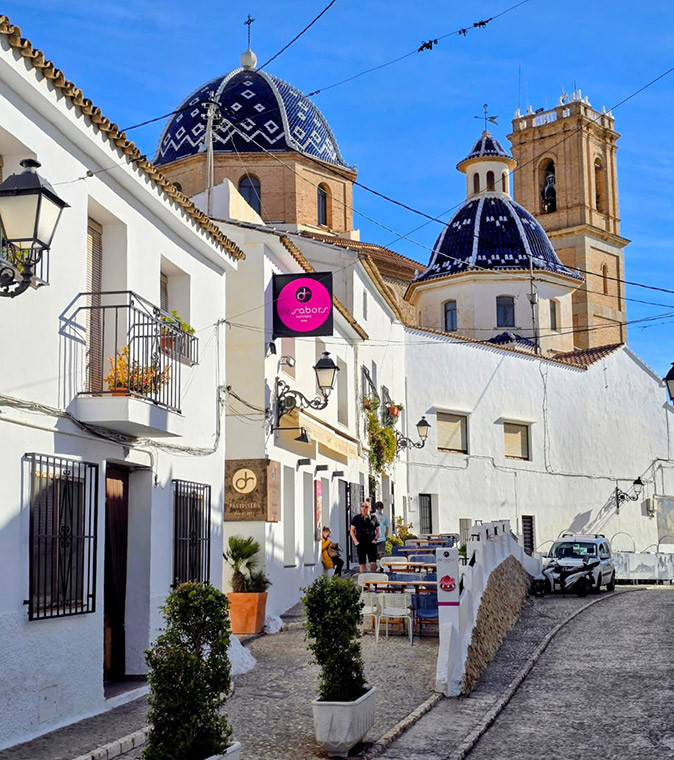
I also often go down to the Costa Blanca for 1 or 2 days (which you can also do by bus) to visit places like Denia, Javea and Altea.
And you could even take the train to Barcelona or Madrid for the weekend.
That’s one of the reasons I think Valencia works so well as a base. You have a very livable city, but you’re also in a good position for exploring the wider region.
Also Read: The Best Day Trips From Valencia
What About Food And Going Out?
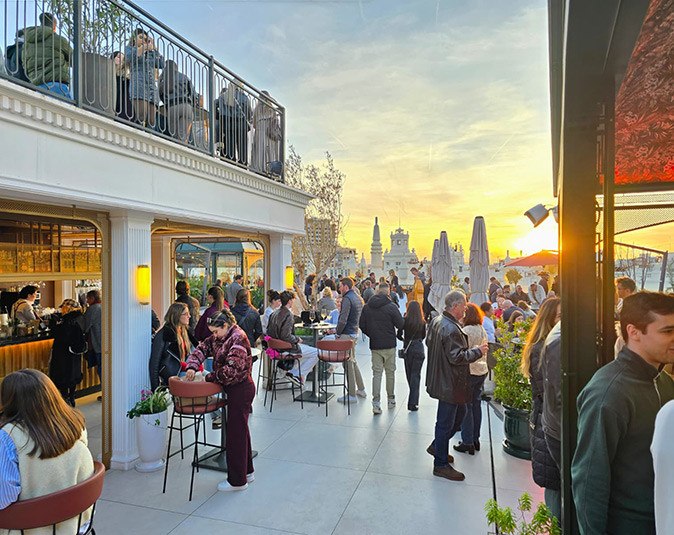
Valencia has a very good food scene, and I’ve noticed a lot more international options appearing over the years.
You obviously have Spanish food everywhere, from tapas to paella, but there are also plenty of international restaurants and good coffee shops.
For brunch, Federal Café and Bluebell Coffee are two popular options. But, there are dozens of good brunch places all over the city these days, so just check Google Maps.
For something more sociable, Fábrica de Hielo near the beach is a fun place to meet friends and have a drink.
And if you’re looking for somewhere to have a drink with a view, my guide to the best rooftop bars in Valencia is a good place to start.
And then there are the things Valencia is famous for.
You should eat paella here, obviously. I have written an article about the best paella in Valencia if you want my recommendations.
I also wrote an article about the best tapas places in Valencia.
Valencia Compared With Other Popular Cities For Digital Nomads
I’ve worked remotely from quite a few places, so I get why people compare Valencia with cities such as Barcelona, Málaga, Madrid and Lisbon.
I don’t think there’s one universal winner.
Valencia vs Barcelona

Barcelona has more of almost everything.
More international culture, more big events, more museums, more nightlife and a much bigger cosmopolitan feel.
Valencia is smaller and more manageable.
Personally, I’d choose Valencia if my priority was everyday quality of life. I’d choose Barcelona if I wanted a more exciting big-city experience.
Valencia vs Madrid
Madrid feels like a capital city.
Valencia doesn’t.
Madrid has a much bigger business and cultural ecosystem, but Valencia gives you the beach, a slower pace, and generally easier access to outdoor life.
If your career is the main reason you’re moving, Madrid may make more sense.
If you’re moving because you want a better lifestyle while working remotely, I’d lean toward Valencia.
Valencia vs Málaga
This is probably one of the more difficult comparisons.
Both are sunny Spanish cities with beaches, international communities, and lots of remote workers.
Málaga is smaller, and I like that the beach is very close to the city center.
Valencia has a bigger-city feel and, in my experience, a broader range of neighborhoods and everyday activities.
The digital nomad community is smaller in Malaga. But if you think Valencia might be a bit too big for you, Malaga could be a good alternative.
Valencia vs Lisbon
Lisbon has a huge digital nomad community and a very strong international scene, so it’s an obvious alternative to Valencia.
It’s much more hilly and built-up than Valencia. The weather is another difference. Valencia generally has hotter, drier summers and much less rain, while Lisbon has a milder climate but more changeable weather and considerably more rainfall, particularly outside the summer months.
How Has Valencia Changed in Recent Years?
This is one of the reasons I wanted to write this article in the first place.
I’ve watched Valencia go from a city with a relatively small remote-working community to one where digital nomads are a very visible part of everyday life.
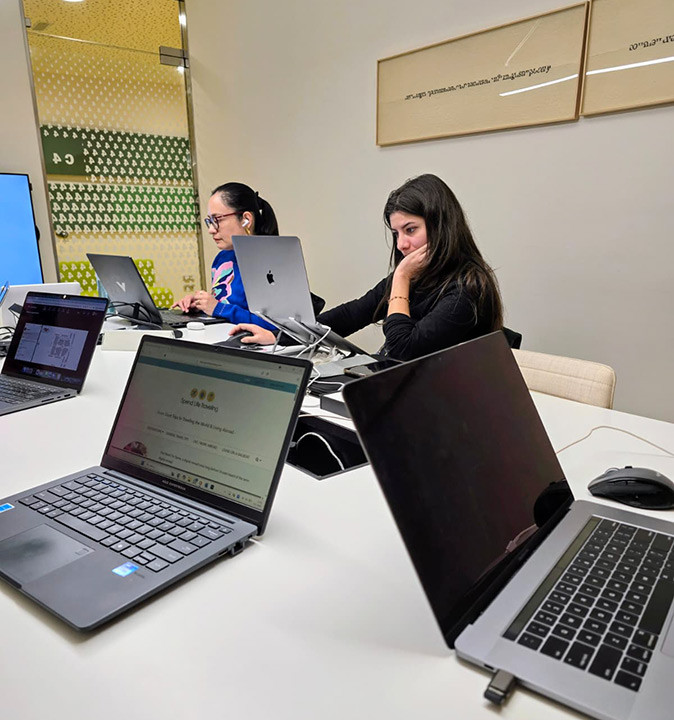
There are now tons of coworking spaces, a growing number of international restaurants, more events, and more people arriving specifically because they can work remotely.
That’s great in many ways.
But it also means Valencia is no longer the hidden gem that some older articles or social media posts describe.
Rent has gone up.
Some cafés have become too busy to work from.
Some neighborhoods feel more touristy.
And there’s more pressure on housing, making it difficult to find a place even with a larger budget.
But I don’t mean to say that Valencia has become worse as a digital nomad destination.
In some ways, it’s easier to live here now. There are more services for international residents, more places to meet people, and more choice when it comes to food and workspaces.
It’s just different.
And I think that’s important to know if you’re thinking about coming to Valencia.
So, Is Valencia a Good City For Digital Nomads?
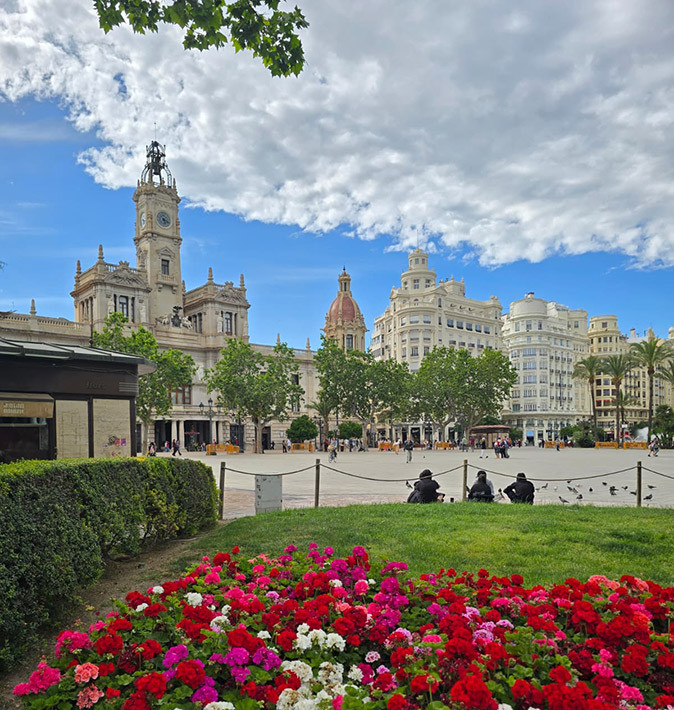
Although the love I felt for Valencia when I first came here has faded a bit, I’d still say that, objectively yes, Valencia is a good city for people who can work remotely. Don’t get me started on the whole job situation here, but if you’re fortunate enough to make your money elsewhere, then Valencia is a great place to live.
But I wouldn’t recommend Valencia simply because it’s sunny or because it’s cheaper than London or Amsterdam.
I recommend it because it’s a very easy place to build a life.
You can walk or cycle around much of the city. You can work from many different places, either alone or with other remote workers. You can go for a walk through the beautiful Turia Park or along the beach as an easy break from work, and spend your weekends on tons of activities in the city, or explore plenty of places around the city.
There are enough people around that making friends isn’t difficult, but the city isn’t so big that you feel anonymous all the time.
But, some things do annoy me, of course. Housing is much more expensive than when I first arrived. The summer heat is exhausting. Some apartments are ridiculously noisy. Spanish bureaucracy can be frustrating. And after all these years, I still sometimes find myself wishing I had more close local friends.
But those things haven’t been enough to make me want to give up my base here.
Valencia isn’t necessarily the most exciting city in the world. It is, however, one of the easiest places I’ve found to actually enjoy your life while working remotely.
Follow me on Instagram for regular updates on life in Valencia (when I’m not traveling elsewhere), or feel free to leave a comment below if you have any questions about Valencia!
Also Read:
- What’s it Like to Live in Valencia – Interview With a Remote Worker
- Spain for Digital Nomads: Popular Places & Things to Know
- Colivings in Spain – The Pros, Cons and More
- 6 Of the Most Popular Neighborhoods to Live in Valencia
- How to Use the Metro in Valencia the Cheapest & Easiest Way
- What to See & Do in Valencia
- Things to Do in Valencia With Kids
- Eco-Friendly Things to Do in Valencia
- The Best Rooftop Bars in Valencia
- Where to Eat the Best Tapas in Valencia
- Authentic Chinese Food in Valencia: A Tour of Valencia’s Chinatown
- Celebrating the Fallas Festival in Valencia – Things to Know